Request for Quote, commonly known as RFQ, is a crucial process in the business world that allows companies to gather information about pricing and services from potential suppliers. It serves as a formal invitation for vendors to submit their pricing proposals for specific products or services.
In this article, we will delve into the intricacies of RFQ, exploring its importance, what to include, how to create an effective RFQ, and essential tips for maximizing its benefits.
What is a Request for Quote?
RFQ is a procurement method used by organizations to solicit competitive bids from suppliers for products or services they intend to purchase. It provides detailed specifications and requirements to potential suppliers, enabling them to submit proposals that meet the needs of the buyer. RFQ is a crucial step in the procurement process as it allows companies to compare prices, quality, and terms offered by different suppliers before making a purchasing decision.
Why Request for Quote is Important
The primary purpose of RFQ is to obtain competitive pricing and detailed information from suppliers to make informed purchasing decisions. Some key reasons why RFQ is important include:
- Cost-Effectiveness: RFQ helps organizations obtain the best possible prices for products or services by inviting multiple suppliers to submit competitive bids.
- Quality Assurance: RFQ allows buyers to specify their requirements and expectations, ensuring that suppliers understand the quality standards they must meet.
- Supplier Evaluation: RFQ enables companies to assess the capabilities, reliability, and reputation of potential suppliers before entering into a contract.
- Transparency and Fairness: RFQ promotes transparency in the procurement process by providing all suppliers with equal opportunities to compete for the business.
What to Include in a Request for Quote
Creating a comprehensive RFQ is essential to attract quality proposals from suppliers. When preparing an RFQ, be sure to include the following key elements:
- Introduction: Provide a brief overview of your company and the purpose of the RFQ.
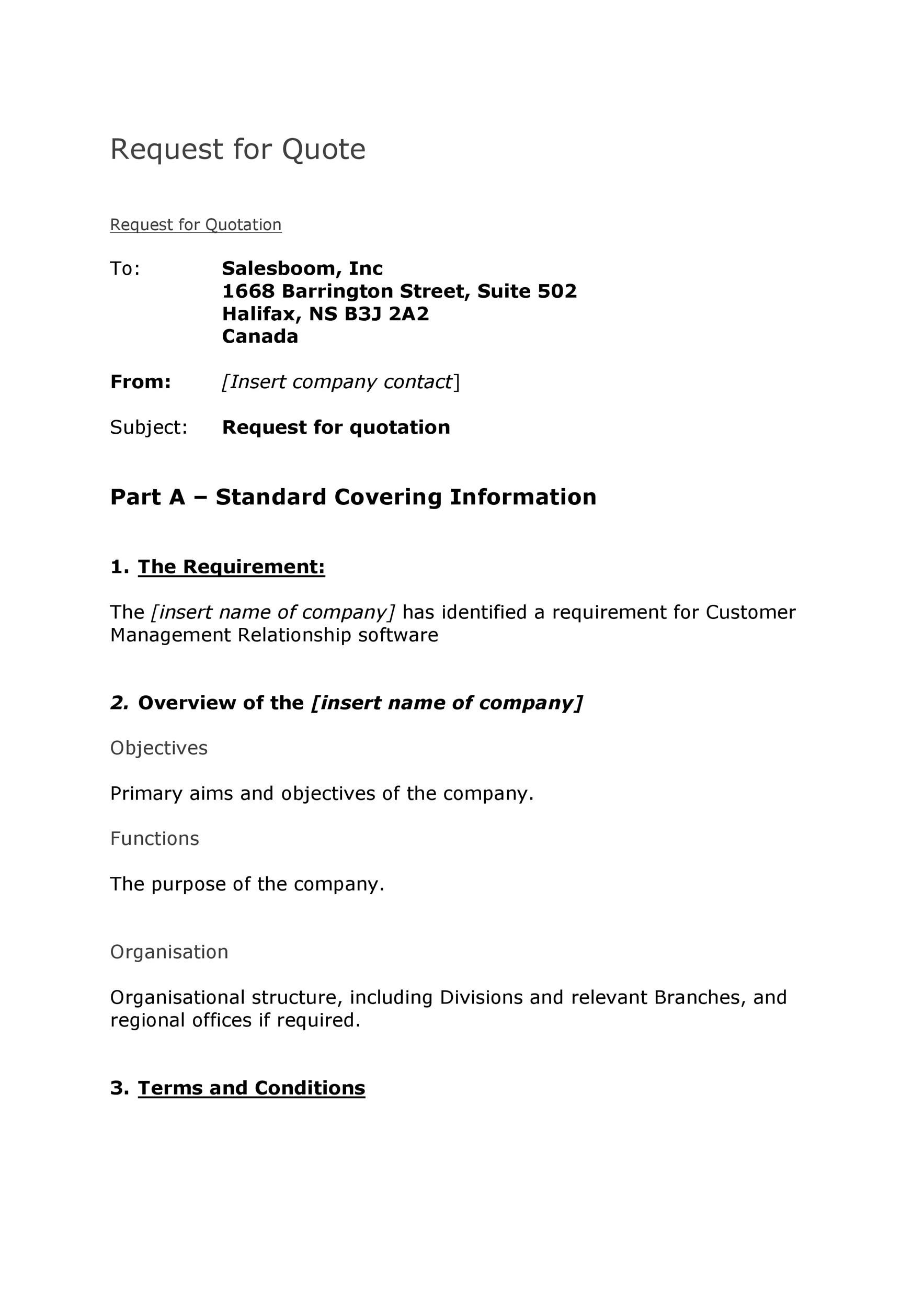
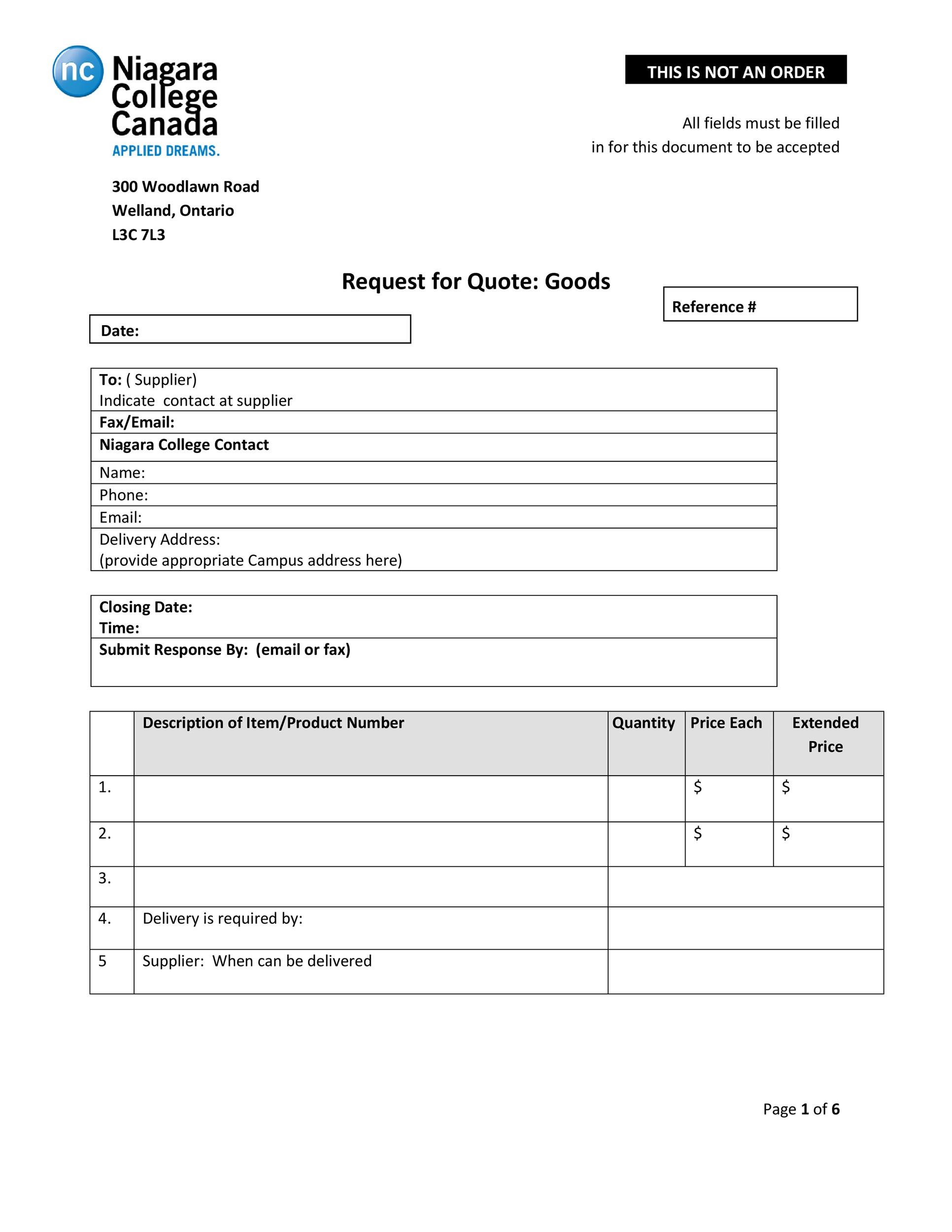
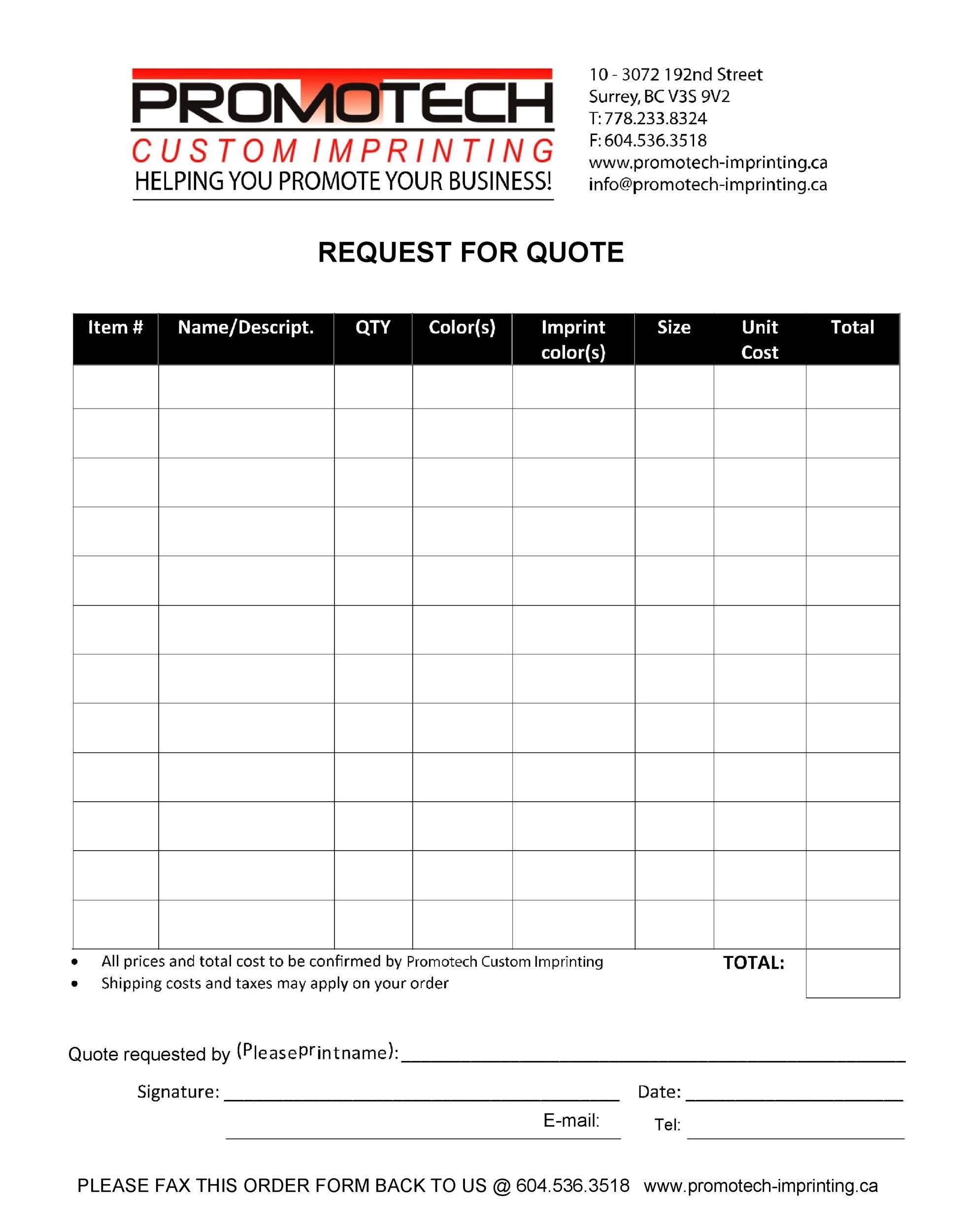
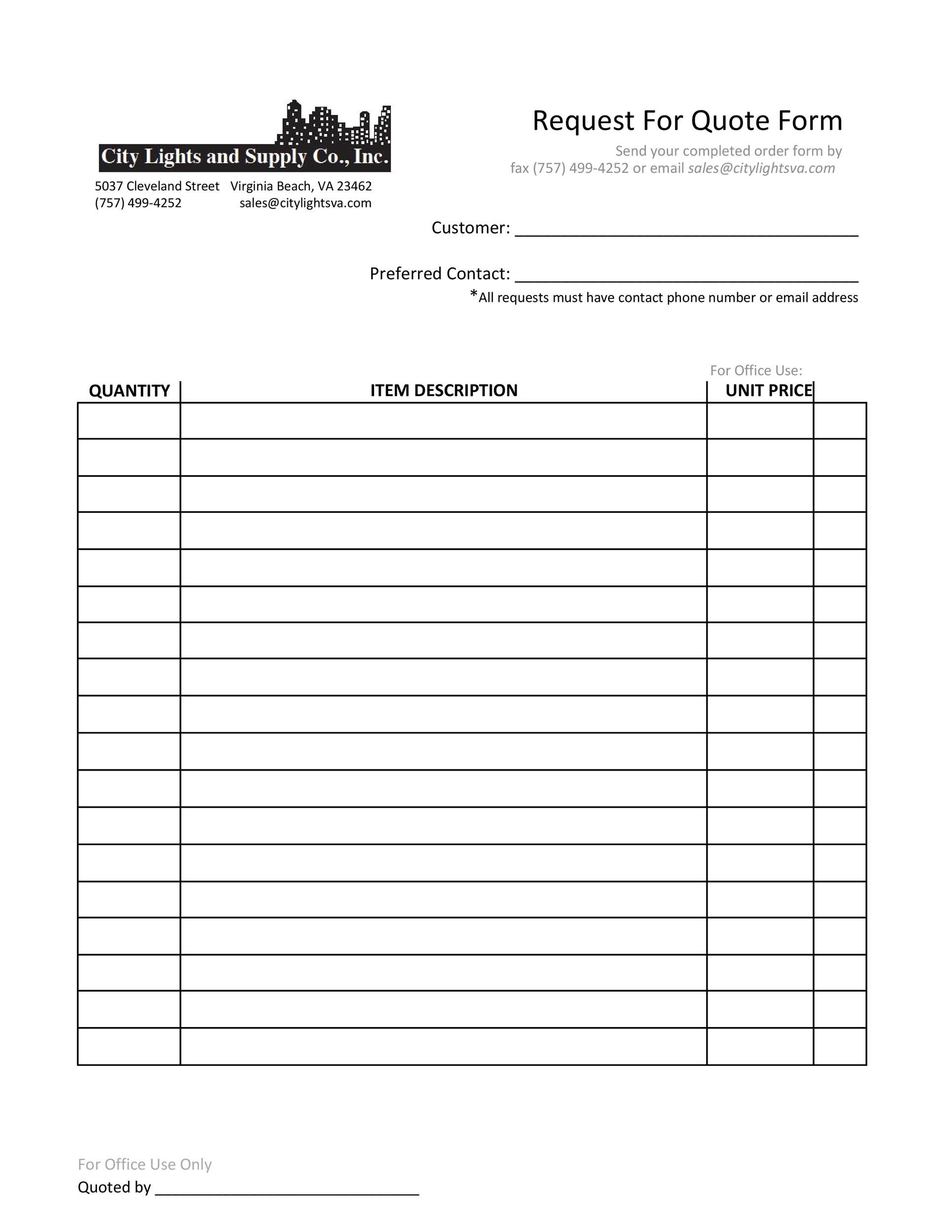
- Scope of Work: Clearly define the products or services you are seeking, including specifications, quantities, and any special requirements.
- Delivery Terms: Specify the desired delivery schedule, shipping instructions, and any other relevant terms related to product delivery.
- Pricing Information: Include pricing details, such as unit prices, volume discounts, payment terms, and any additional charges or fees.
- Evaluation Criteria: Outline the criteria you will use to evaluate supplier proposals, such as price, quality, experience, and compliance with requirements.
Examples
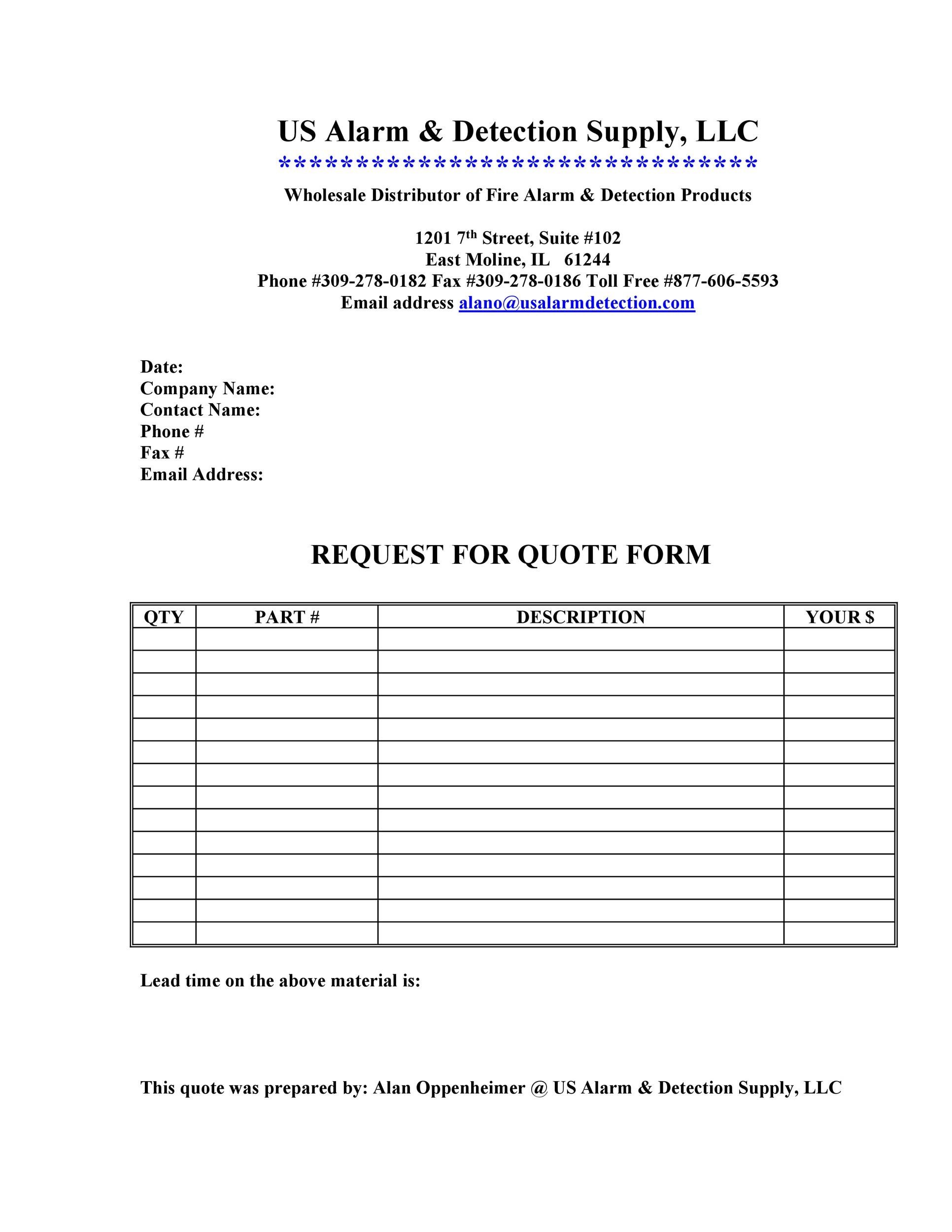
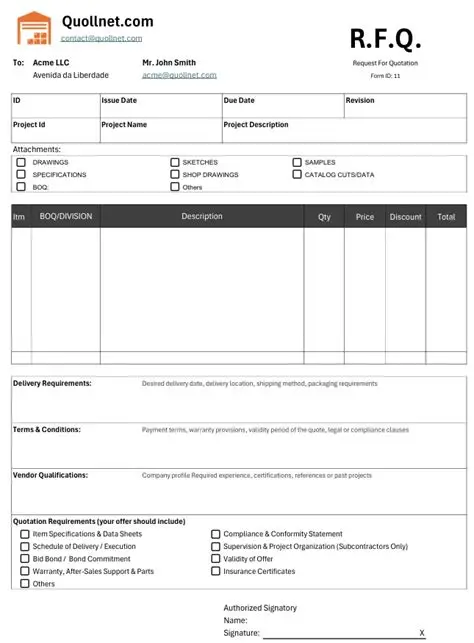
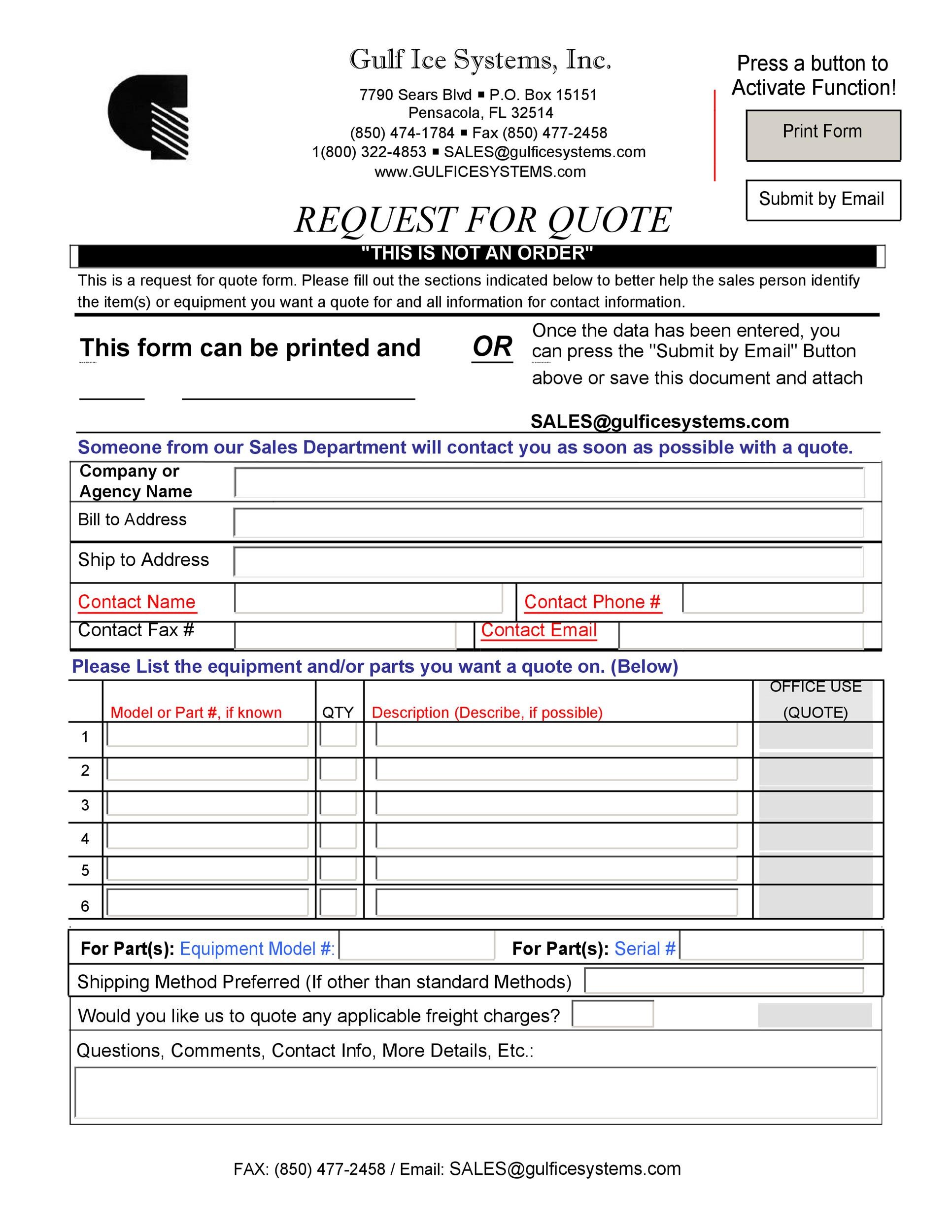

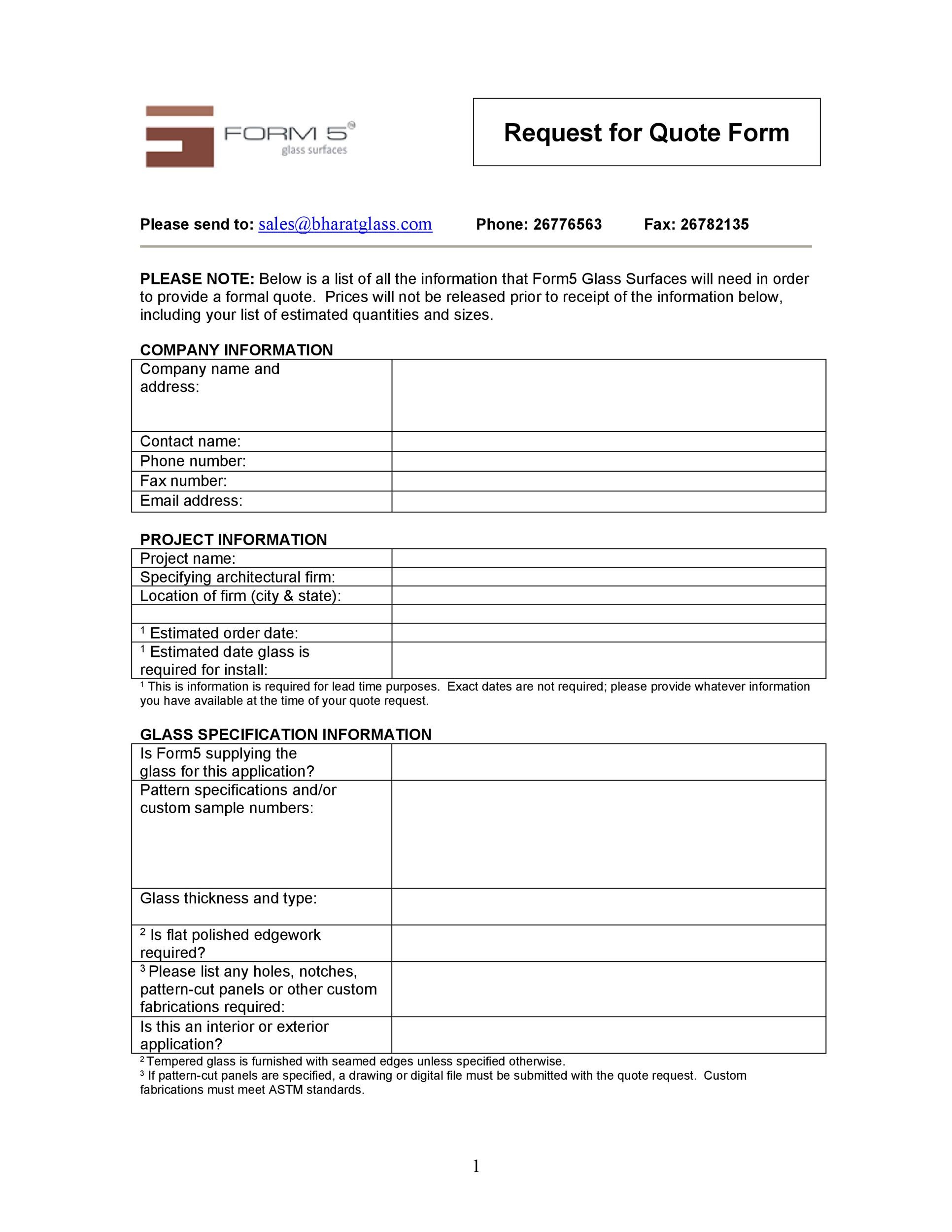
How to Create an Effective Request for Quote
Follow these steps to create an effective RFQ that will attract quality proposals and help you make informed purchasing decisions:
1. Define Your Requirements Clearly
Provide detailed specifications and requirements to ensure that suppliers understand exactly what you are looking for.
2. Research Potential Suppliers
Identify reputable suppliers who have the capabilities to meet your requirements and deliver quality products or services.
3. Use a Template
Consider using a standardized RFQ template to ensure that all necessary information is included and presented in a clear, organized manner.
4. Set Realistic Deadlines
Give suppliers sufficient time to prepare and submit their proposals, but also set deadlines to keep the process moving forward efficiently.
5. Review and Evaluate Proposals Thoroughly
Carefully review and evaluate each proposal based on your predetermined criteria to select the best supplier for your needs.
6. Negotiate Terms and Finalize Contract
Once you have selected a supplier, negotiate pricing, terms, and conditions to finalize the agreement and formalize the contract.
7. Provide Feedback to Unsuccessful Bidders
Give feedback to suppliers whose proposals were not selected to help them improve and maintain positive relationships for future opportunities.
Tips for Maximizing the Benefits of Request for Quote
Consider the following tips to maximize the benefits of RFQ and streamline your procurement process:
- Communicate Clearly: Ensure that your RFQ is clear, concise, and free of ambiguity to avoid misunderstandings.
- Build Relationships: Foster positive relationships with suppliers to enhance collaboration and drive long-term success.
- Stay Organized: Keep all RFQ documentation, proposals, and communications organized and easily accessible for reference.
- Monitor Performance: Track supplier performance and provide feedback to promote continuous improvement and accountability.
- Seek Feedback: Solicit feedback from suppliers on your RFQ process to identify areas for improvement and enhance future RFQs.
By following these guidelines and best practices, you can leverage the power of RFQ to make informed purchasing decisions, drive cost savings, and build strong relationships with suppliers.
Request for Quote Template – Download

- Printable Bill of Lading Form Template - October 8, 2026
- Free Behavior Contract Template (Word) - October 8, 2026
- Free Printable Baseball Schedule Template - October 8, 2026
