Keeping a reading log can be a powerful tool for anyone who loves to read. Whether you’re a student trying to keep track of your academic reading or a book lover looking to remember your favorite passages, a reading log can help you stay organized and engaged with the material you’re reading.
In this comprehensive guide, we’ll cover everything you need to know to create and maintain an effective reading log.
What is a Reading Log?
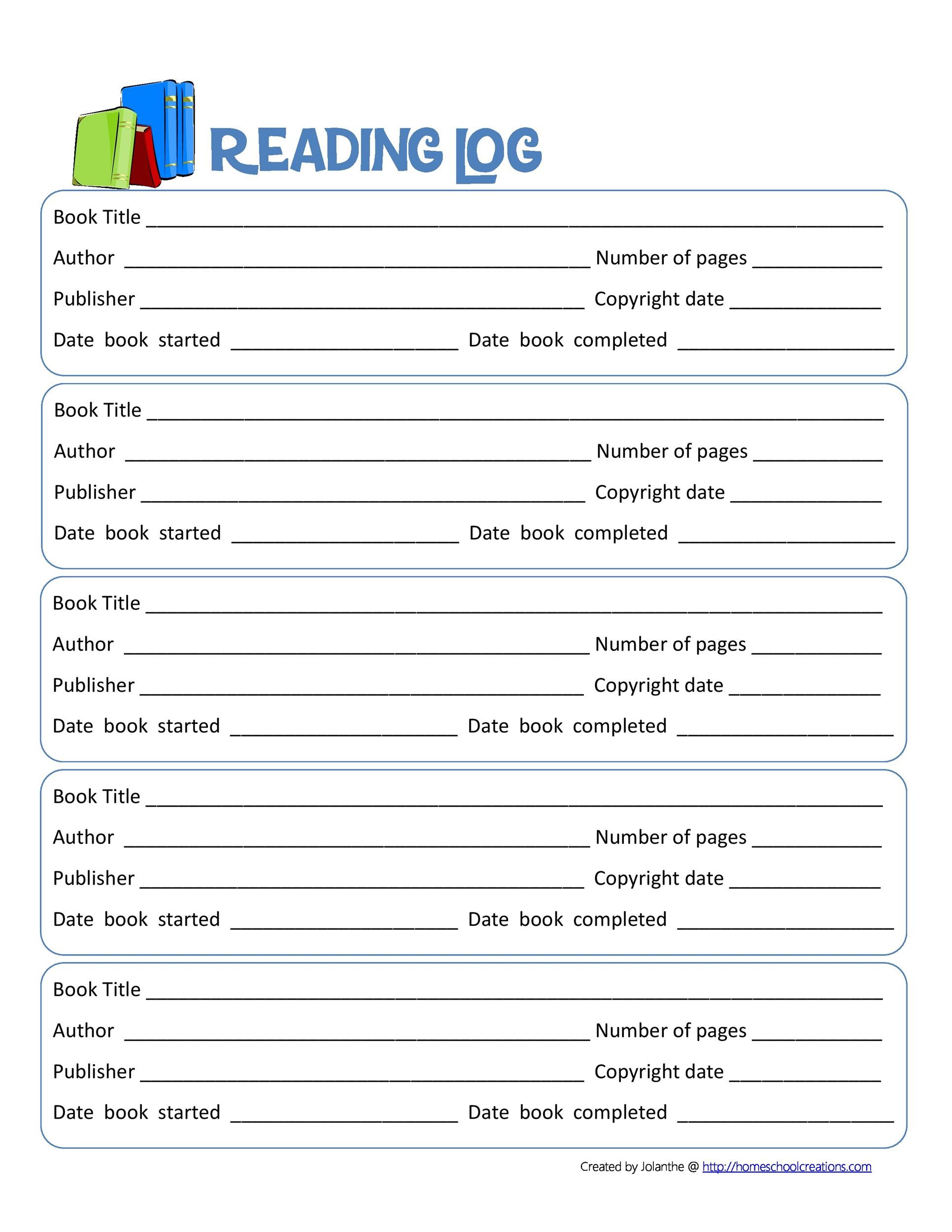
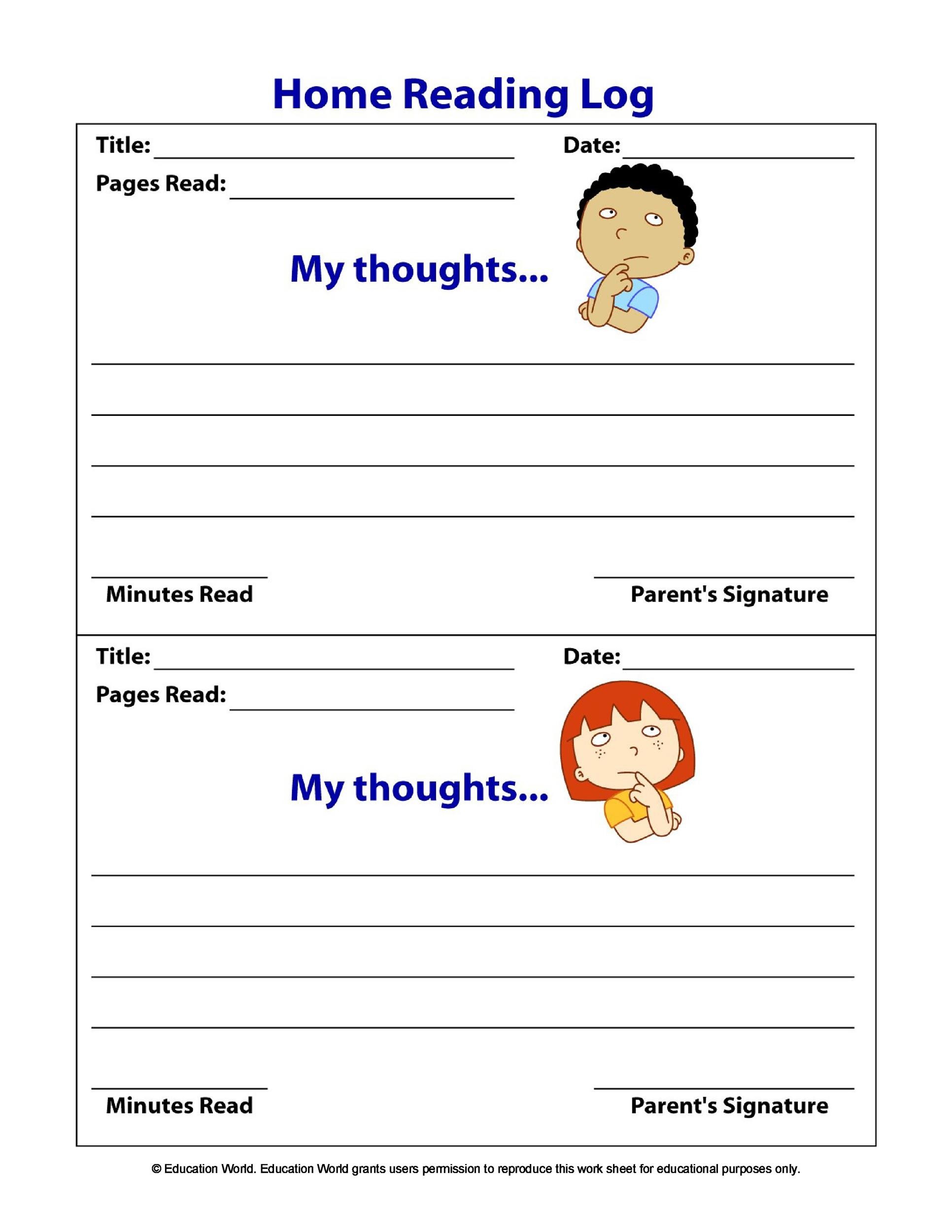
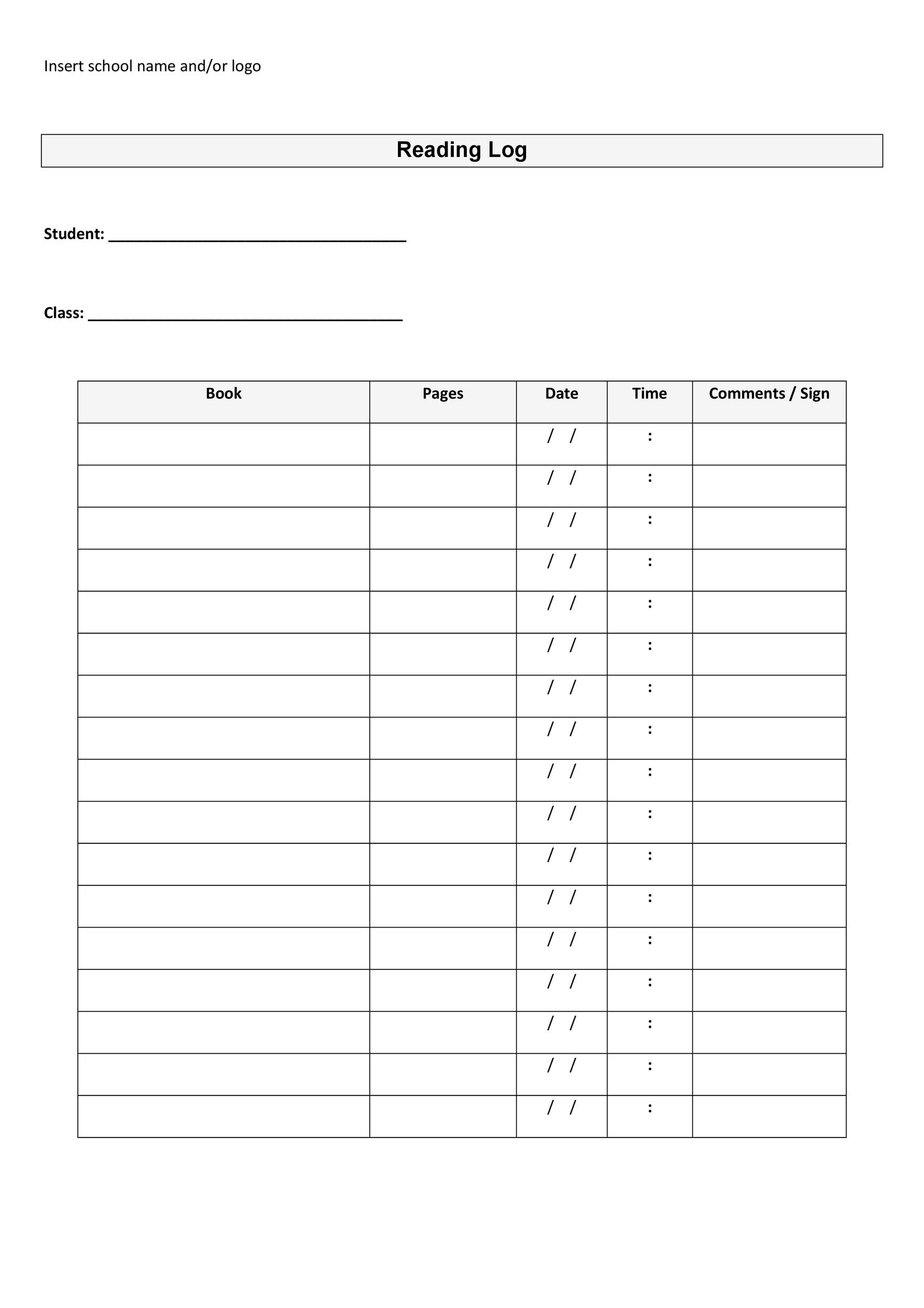
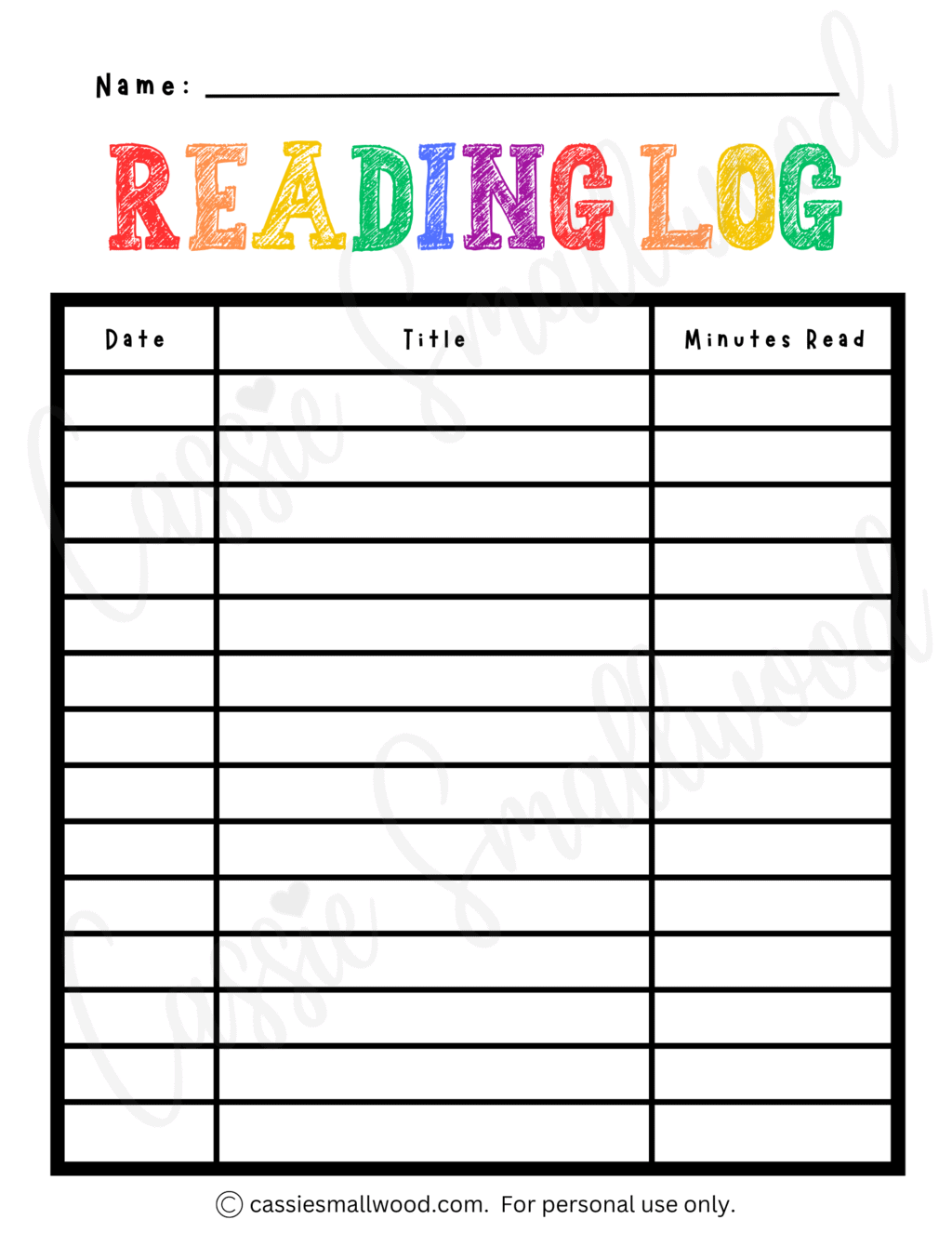
A reading log is a record of the books you’ve read, including details such as the title, author, genre, and date you finished reading it. It can also include notes about your thoughts and reactions to the book, favorite quotes, and any questions or ideas that the book sparked.
Essentially, a reading log is a way to track your reading progress and capture your reflections on what you’ve read.
Why Keep a Reading Log?
There are many benefits to keeping a reading log. Here are a few reasons why you might want to start one:
- Track Your Reading Progress. A reading log can help you see how many books you’ve read over a certain period of time, which can be motivating.
- Remember Important Details. By jotting down key information about each book you read, you can easily reference it later on.
- Reflect on Your Reading. Writing down your thoughts and reactions to a book can help you engage more deeply with the material and remember it better.
- Discover Patterns in Your Reading Habits. A reading log can reveal trends in the genres, authors, or themes you gravitate towards, which can help you make more intentional reading choices.
- Share Recommendations. If you keep a digital reading log, you can easily share your favorite books and reviews with friends and fellow book lovers.
What to Include in a Reading Log
When creating a reading log, you’ll want to include the following key elements:
- Title of the Book. Make sure to write down the full title of the book you read.
- Author. Include the name of the author so you can easily look up more books by them.
- Date Finished. Note the date you completed the book to keep track of your reading timeline.
- Genre. Categorize the book by genre to help you identify patterns in your reading preferences.
- Key Takeaways. Write down any important themes, quotes, or ideas that stood out to you while reading.
- Personal Reflections. Record your thoughts, feelings, and reactions to the book to engage more deeply with the material.
Examples
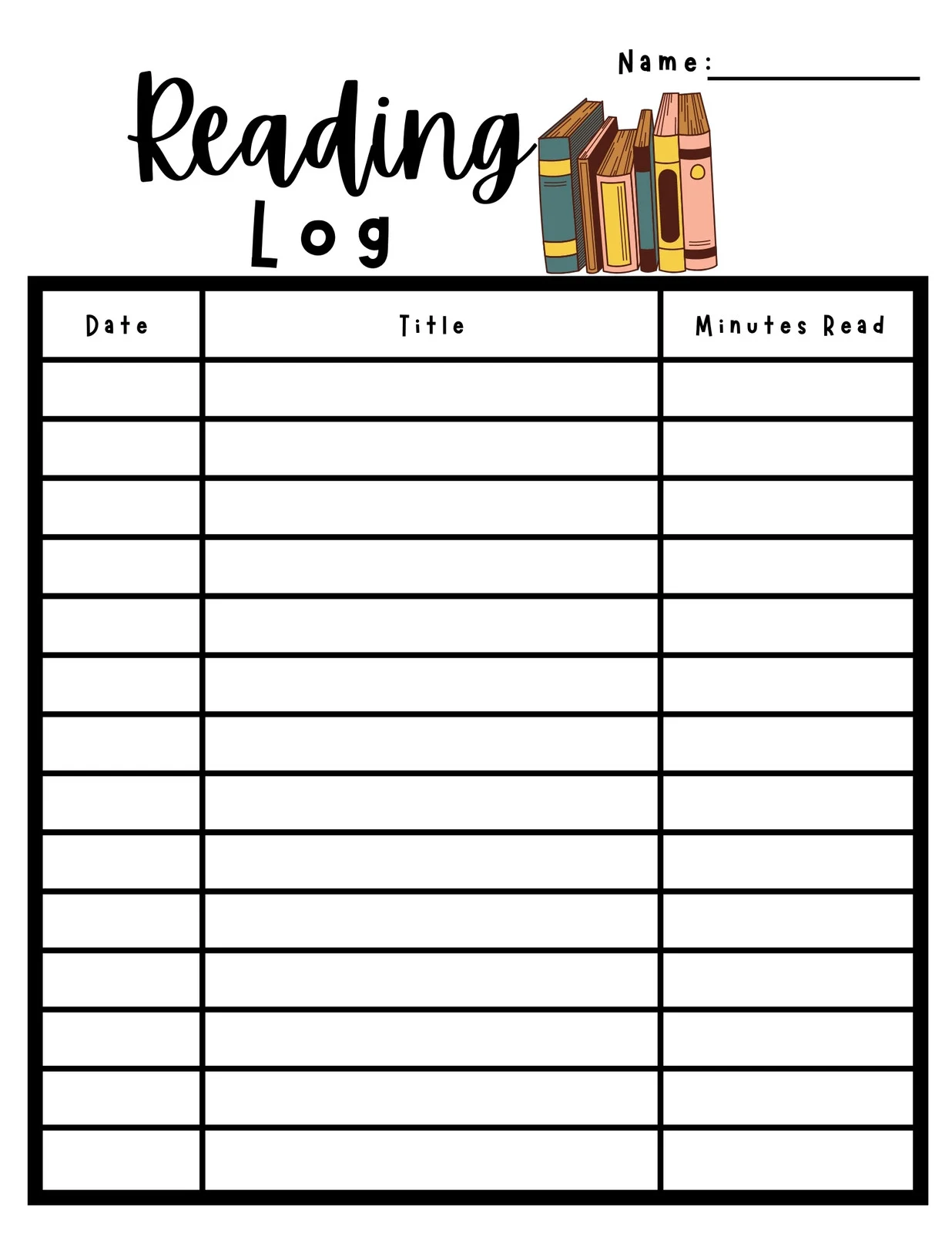
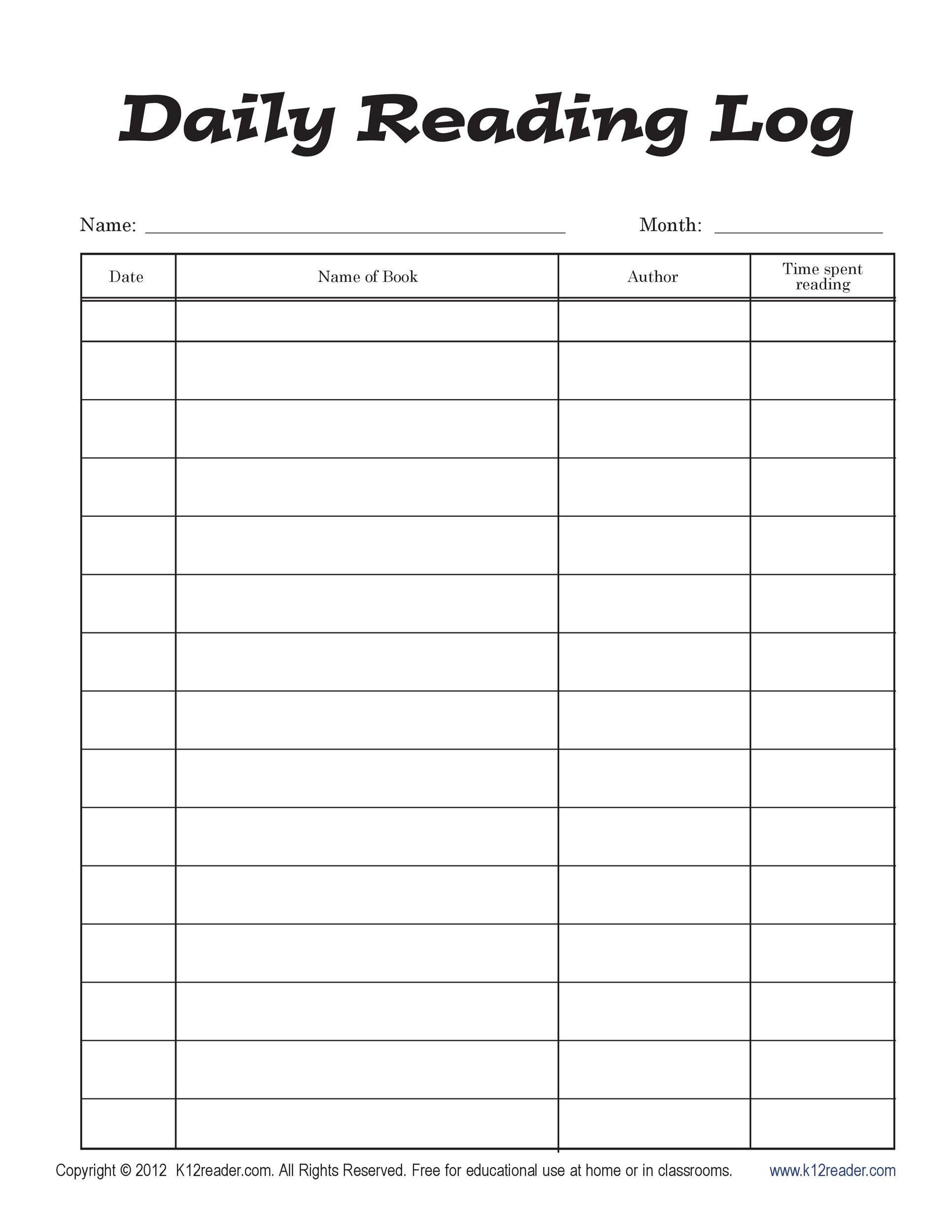
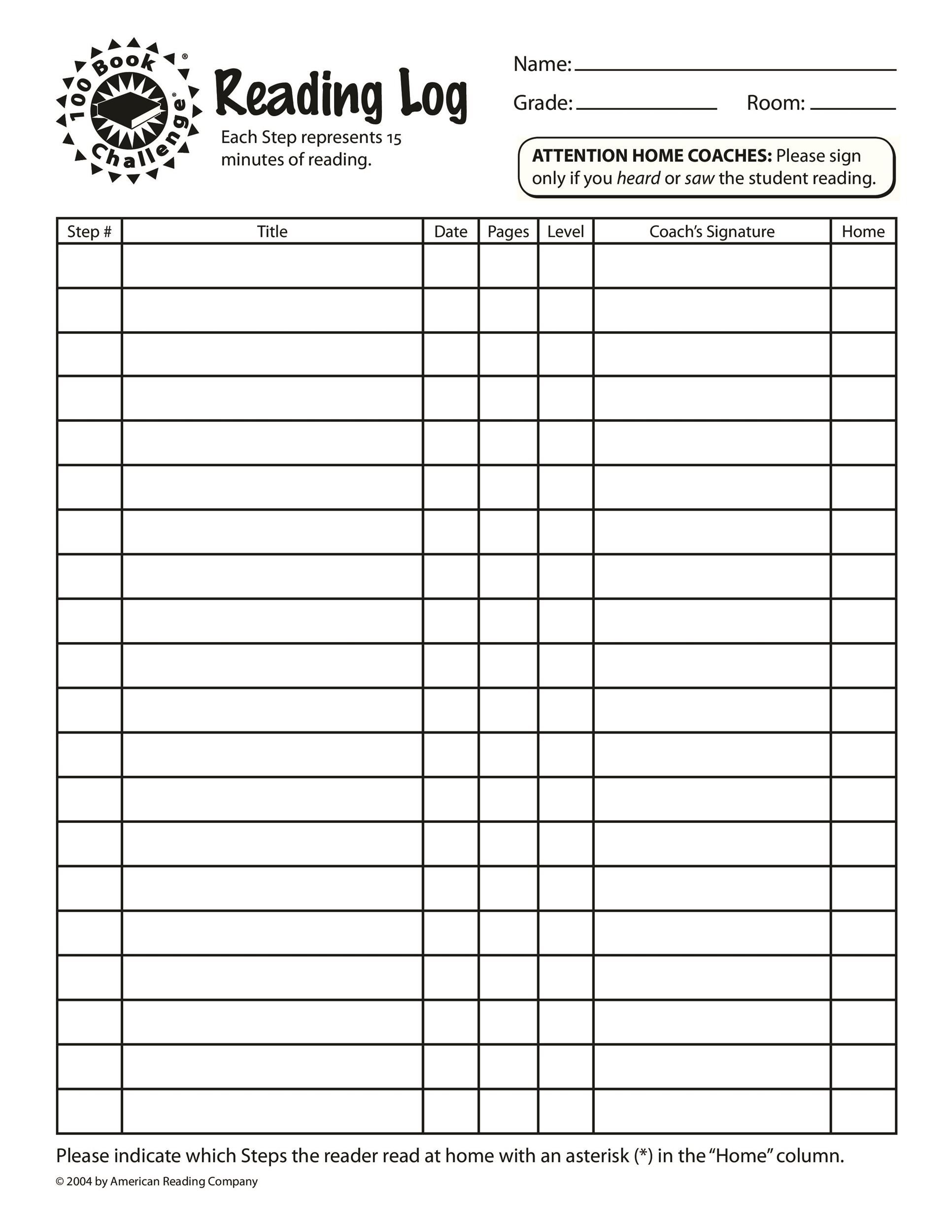
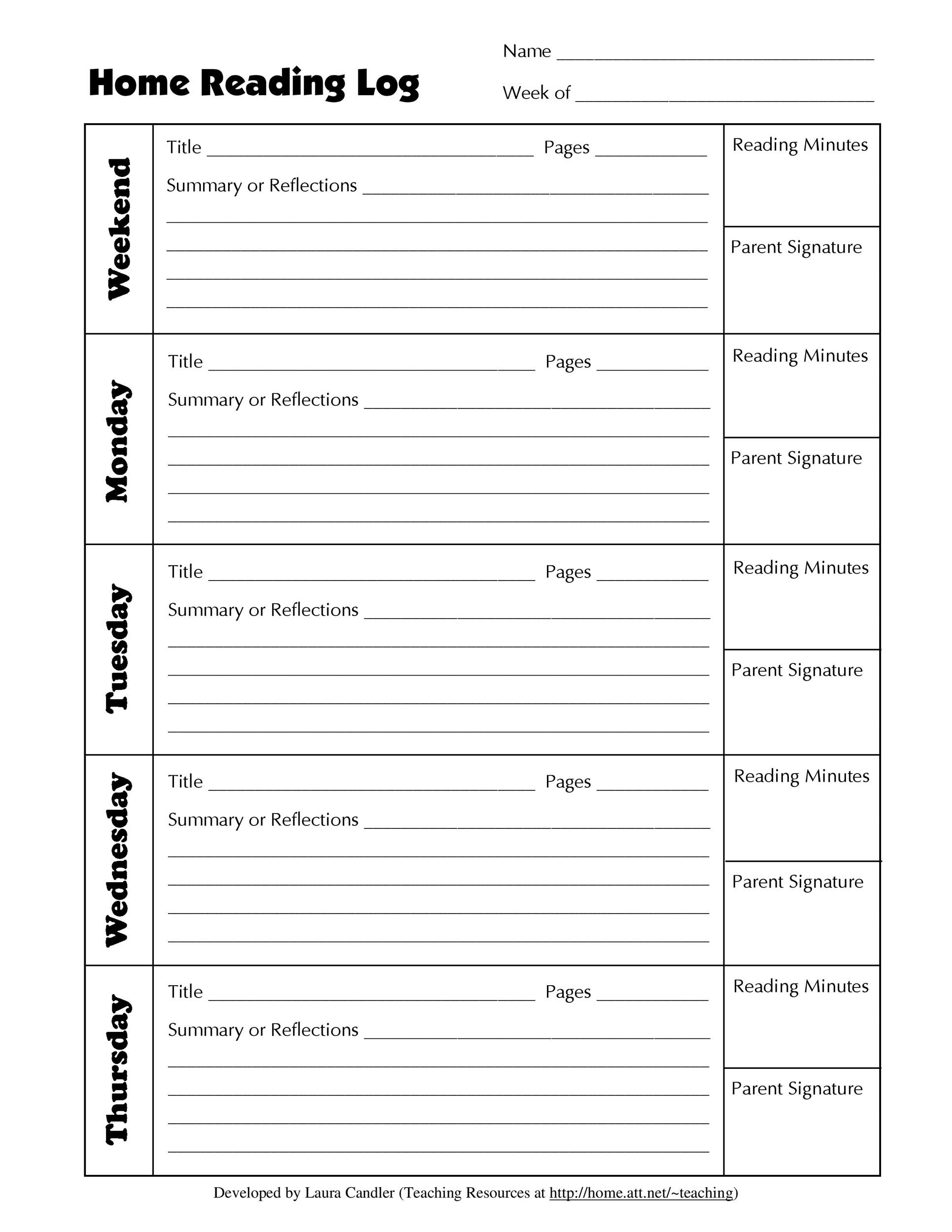
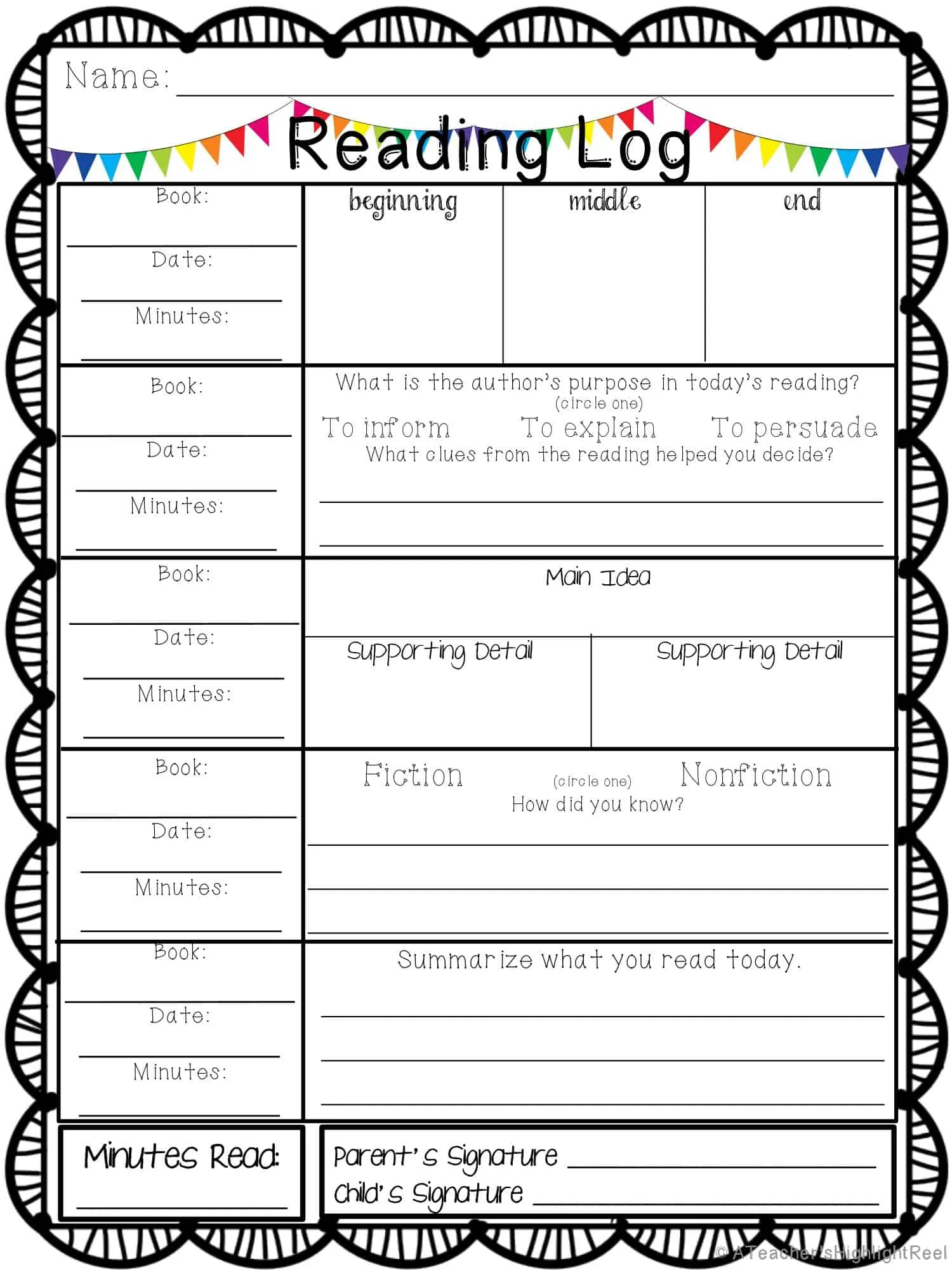
How to Start a Reading Log
Starting a reading log is easy and can be done in a physical notebook or a digital format. Here’s how to get started:
1. Choose Your Format
Decide whether you want to keep a physical notebook, use a reading log template, or opt for a digital reading log app.
2. Create Categories
Determine what categories you want to include in your reading log, such as title, author, genre, date finished, and personal reflections.
3. Record Your Books
Start logging the books you read by filling in the relevant information for each entry.
4. Reflect on Your Reading
After finishing a book, take some time to jot down your thoughts, reactions, and key takeaways in the reading log.
5. Review and Update Regularly
Periodically review your reading log to see how your reading habits have evolved and update it with new entries as you finish books.
6. Share with Others
If you’re using a digital reading log, consider sharing your favorite books and reviews with friends or on social media to spark conversations and recommendations.
7. Stay Consistent
Make it a habit to regularly update your reading log to ensure it remains a useful tool for tracking your reading progress and reflections.
Tips for Maintaining a Reading Log
Here are some tips to help you make the most of your reading log:
- Set Aside Time. Dedicate a few minutes after finishing a book to update your reading log while the details are fresh in your mind.
- Be Honest. Don’t be afraid to write down your true feelings about a book, even if they’re negative. Your reading log is for your personal reflection.
- Experiment with Formats. Try different formats for your reading log, such as bullet points, paragraphs, or ratings, to see what works best for you.
- Use Prompts. If you’re not sure what to write in your reading log, consider using prompts or questions to guide your reflections.
- Make it Your Own. Customize your reading log to fit your reading goals, preferences, and style to make it a fun and engaging tool.
- Update Regularly. Consistency is key when it comes to maintaining a reading log, so try to update it after finishing each book.
In conclusion,
Keeping a reading log is a valuable practice for anyone looking to deepen their reading experience, track their progress, and engage more meaningfully with the books they read. By following the tips and guidelines outlined in this guide, you can create a reading log that helps you stay organized, reflect on your reading, and discover new insights about your reading habits and preferences. So grab a notebook or open a digital app, and start logging your reading journey today!
Reading Log Template – Download

- Free Printable Attendance Sheet Template - October 5, 2026
- Asset Purchase Agreement Template (Word) - October 5, 2026
- Free Annual Budget Template (Excel) - October 5, 2026
