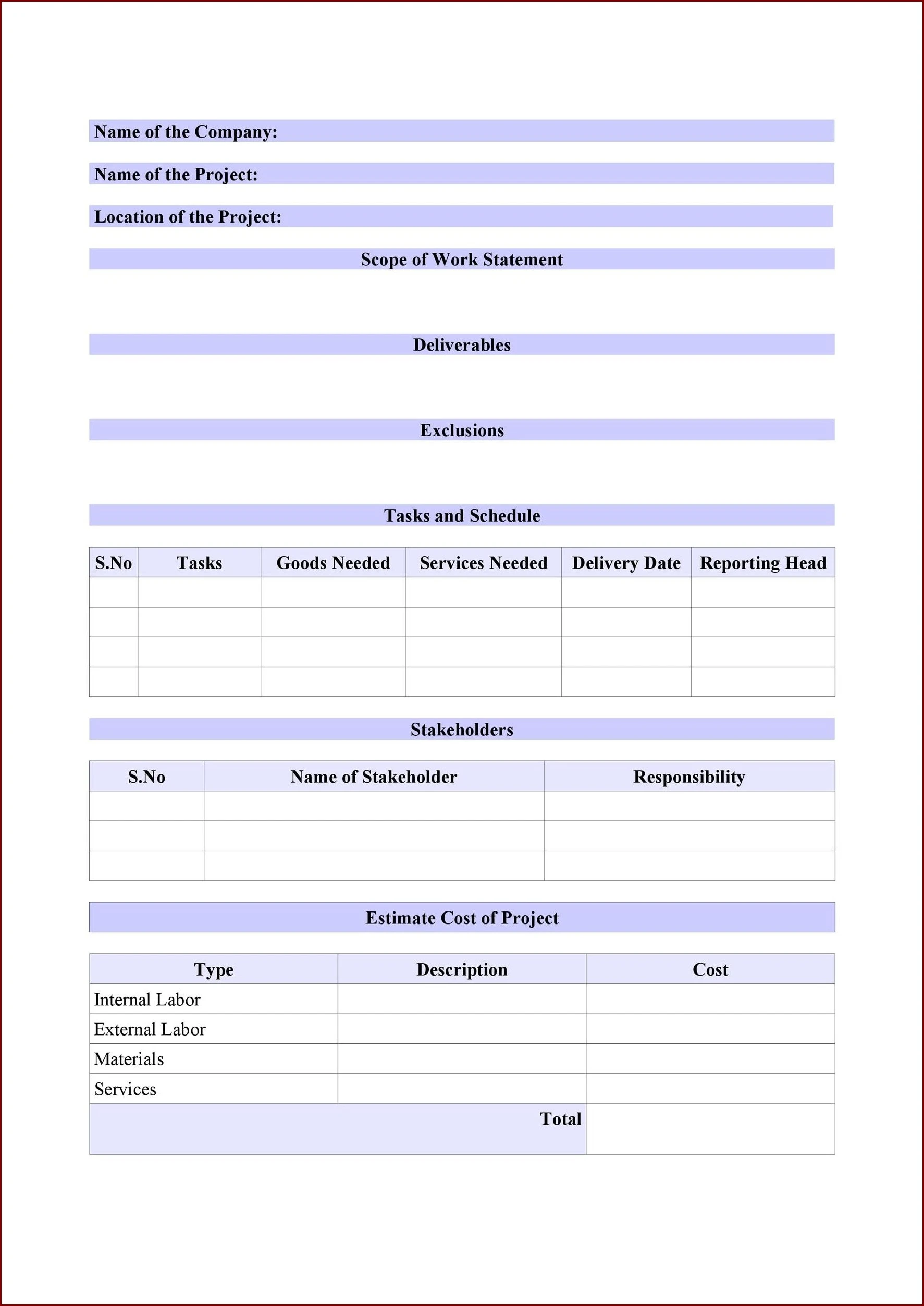
When it comes to project management, a well-defined scope of work is essential for ensuring that all parties involved understand the objectives, deliverables, and timelines of a project. The scope of work serves as a roadmap that guides the project from start to finish, outlining the tasks that need to be completed and the resources that will be required.
In this article, we will delve into the intricacies of the scope of work, exploring its importance, what to include, how to create one, and some tips for success.
What is the Scope of Work?
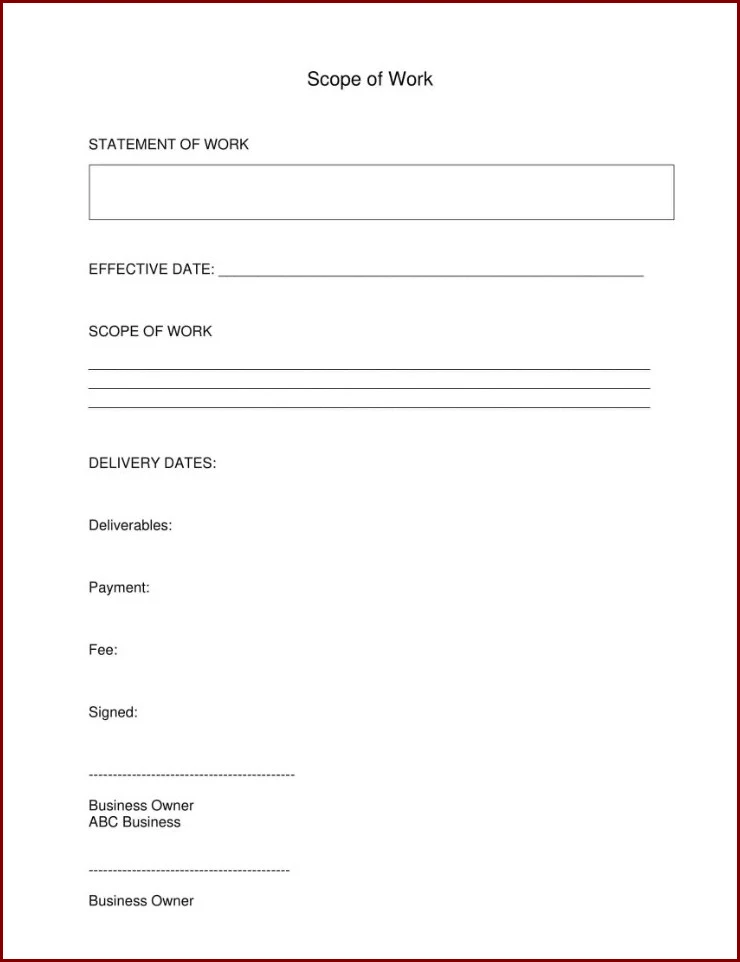
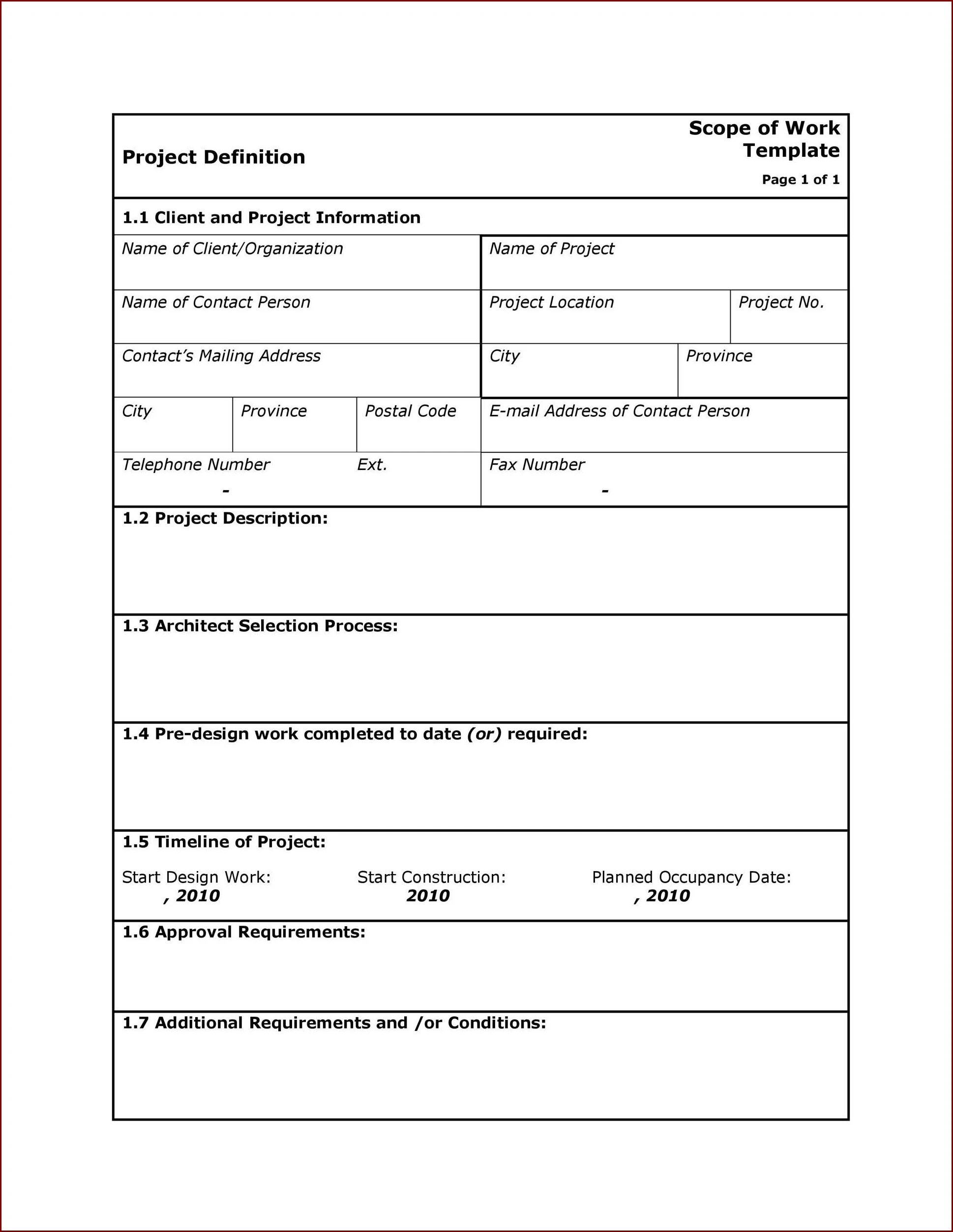
The scope of work, often abbreviated as SOW, is a document that clearly defines the project objectives, deliverables, timelines, and resources required for a project. It serves as a contract between the project team and the client, outlining the work that will be performed and the expectations for the project.
A well-defined scope of work helps prevent scope creep, ensures that everyone is on the same page, and provides a basis for project evaluation.
Why is the Scope of Work Important?
Having a clearly defined scope of work is crucial for the success of any project. Without a well-defined scope, projects can easily veer off track, leading to delays, budget overruns, and unhappy clients. By clearly outlining the objectives, deliverables, and timelines of a project, the scope of work helps keep the project on track and ensures that everyone is working towards the same goals.
What to Include in a Scope of Work
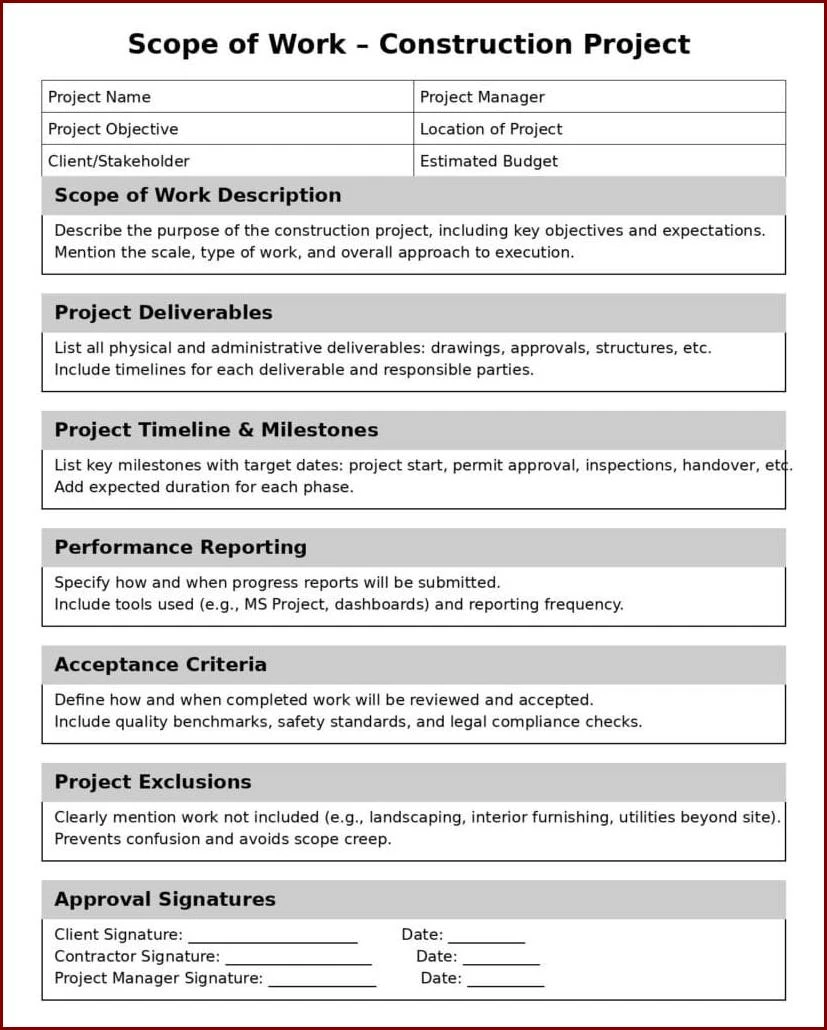
When creating a scope of work, there are several key components that should be included to ensure that the document is comprehensive and clear. Some of the key elements to include in a scope of work are:
- Project Objectives. Clearly define the goals and objectives of the project.
- Deliverables. Outline the specific deliverables that will be provided at the end of the project.
- Timeline. Define the project timeline, including key milestones and deadlines.
- Resources. Specify the resources that will be required to complete the project, such as personnel, equipment, and materials.
- Scope Boundaries. Clearly define what is included in the project and what is not included to prevent scope creep.
How to Create a Scope of Work
Creating a scope of work can seem like a daunting task, but with the right approach, it can be a straightforward process. Here are some steps to follow when creating a scope of work:
1. Define the Project Objectives
Start by clearly defining the goals and objectives of the project. What are you trying to achieve with this project? What are the key outcomes that you want to deliver?
2. Outline the Deliverables
Next, outline the specific deliverables that will be provided at the end of the project. Be as specific as possible to ensure that there is no ambiguity about what is expected.
3. Establish the Timeline
Define the project timeline, including key milestones and deadlines. This will help ensure that the project stays on track and that everyone is aware of the timeline for completion.
4. Identify Resources
Specify the resources that will be required to complete the project, including personnel, equipment, and materials. Make sure that these resources are readily available and allocated appropriately.
5. Set Scope Boundaries
Clearly define what is included in the project and what is not included. This will help prevent scope creep and ensure that everyone is working towards the same goals.
6. Review and Revise
Once you have created a draft of the scope of work, review it carefully to ensure that it is comprehensive and clear. Make any necessary revisions before finalizing the document.
7. Get Approval
Once the scope of work is finalized, make sure to get approval from all relevant stakeholders, including the project team and the client. This will help ensure that everyone is on the same page and committed to the project.
Tips for Success
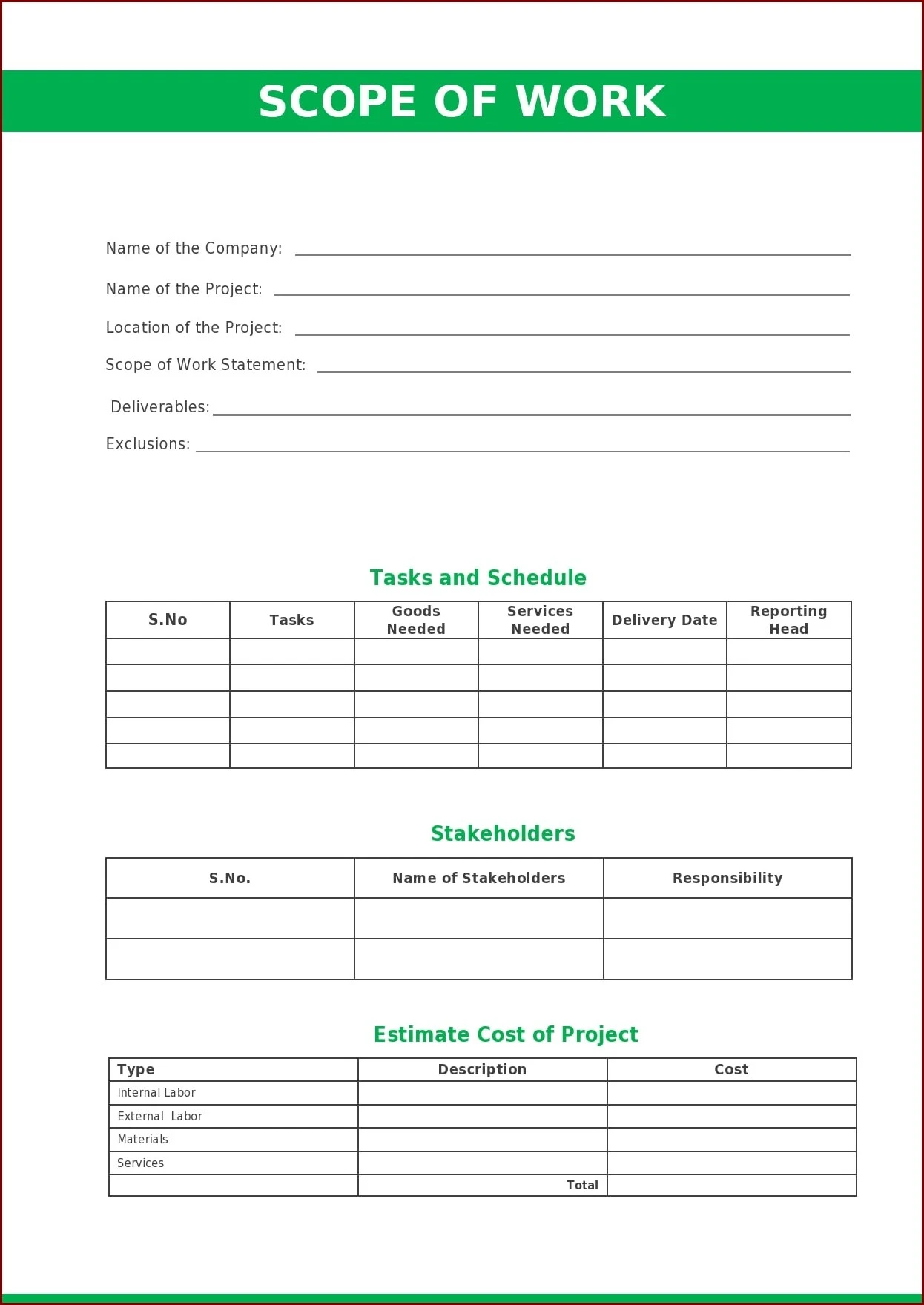
Creating a scope of work can be a challenging task, but with the right approach, it can be a valuable tool for project success. Here are some tips to help you create an effective scope of work:
- Be Specific. Provide detailed descriptions of the project objectives, deliverables, and timelines to avoid any misunderstandings.
- Communicate Clearly. Ensure that all parties involved in the project understand their roles and responsibilities, and are aware of the project expectations.
- Set Realistic Expectations. Be realistic about what can be achieved within the project timeline and resources available.
- Monitor Progress. Keep track of the project progress against the scope of work to ensure that the project stays on track.
- Be Flexible. While it’s important to stick to the scope of work, be open to making necessary adjustments as the project progresses.
In Conclusion
In conclusion, a well-defined scope of work is essential for the success of any project. By clearly outlining the objectives, deliverables, timelines, and resources required for a project, the scope of work helps ensure that everyone is on the same page and working towards the same goals. By following the tips outlined in this article, you can create an effective scope of work that sets your project up for success.
Scope of Work Template – Word

- Free Roommate Agreement Template (Word) - September 28, 2026
- Free Printable Wedding Card Template - September 28, 2026
- Free Printable Wedding Schedule Template - September 28, 2026
