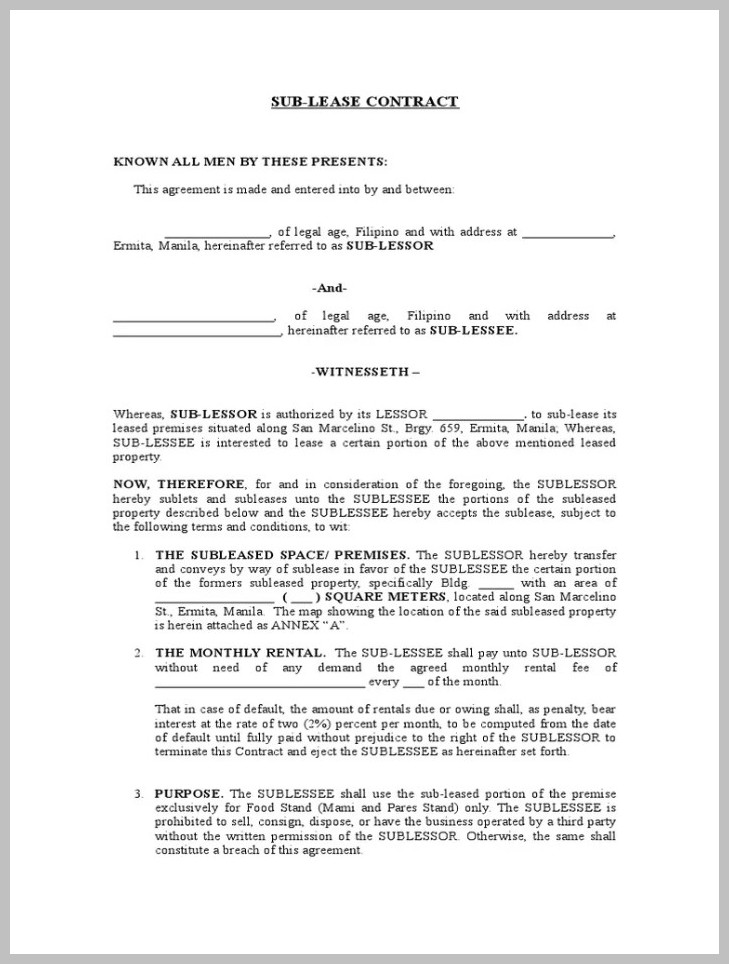
Subleasing is a common practice in the real estate world, allowing tenants to rent out a property they are currently leasing to another party. A sublease agreement is a legal document that outlines the terms and conditions of this arrangement between the original tenant, the subtenant, and the landlord. Whether you are considering subleasing your space or looking to sublet a property, it is crucial to understand the ins and outs of sublease agreements to protect your interests and ensure a smooth transaction.
What is a Sublease Agreement?
A sublease agreement is a contract between the original tenant (the sublessor) and the subtenant (the sublessee) that allows the subtenant to occupy the rental property for a specified period of time. This agreement is typically subject to the terms and conditions of the original lease between the sublessor and the landlord. The sublease agreement outlines the rights and responsibilities of both parties, including rent payments, maintenance obligations, and any restrictions on the use of the property.
Why Consider a Sublease Agreement?
There are several reasons why tenants may choose to enter into a sublease agreement:
- Temporary Relocation: If a tenant needs to move temporarily for work or personal reasons, subleasing allows them to retain their lease while subletting the property to another party.
- Financial Flexibility: Subleasing can help tenants offset the cost of rent by subletting a portion of their space to another tenant.
- Avoiding Lease Termination: Rather than breaking a lease early, tenants can sublease their property to avoid penalties for early termination.
Key Elements of a Sublease Agreement
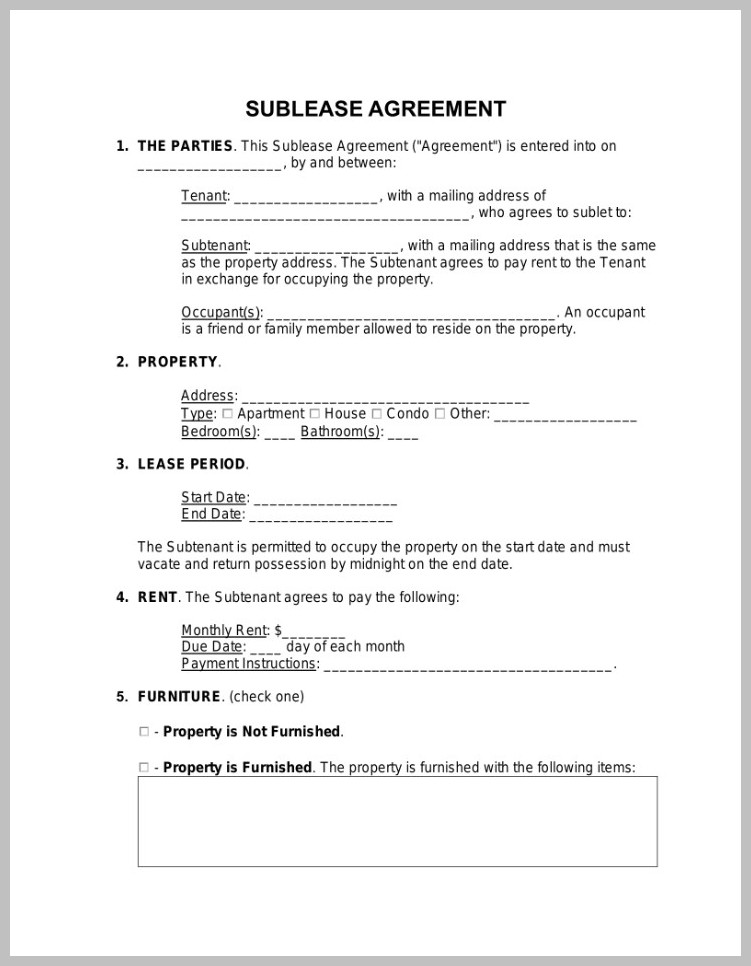
When drafting a sublease agreement, it is essential to include the following key elements:
- Names of Parties: The full legal names of the sublessor, sublessee, and landlord.
- Property Description: A detailed description of the rental property being subleased.
- Term of Sublease: The start and end dates of the sublease agreement.
- Rent Payment: The amount of rent due, the due date, and the method of payment.
- Security Deposit: The amount of the security deposit and the conditions for its return.
- Utilities and Maintenance: Responsibilities for paying utilities and maintaining the property.
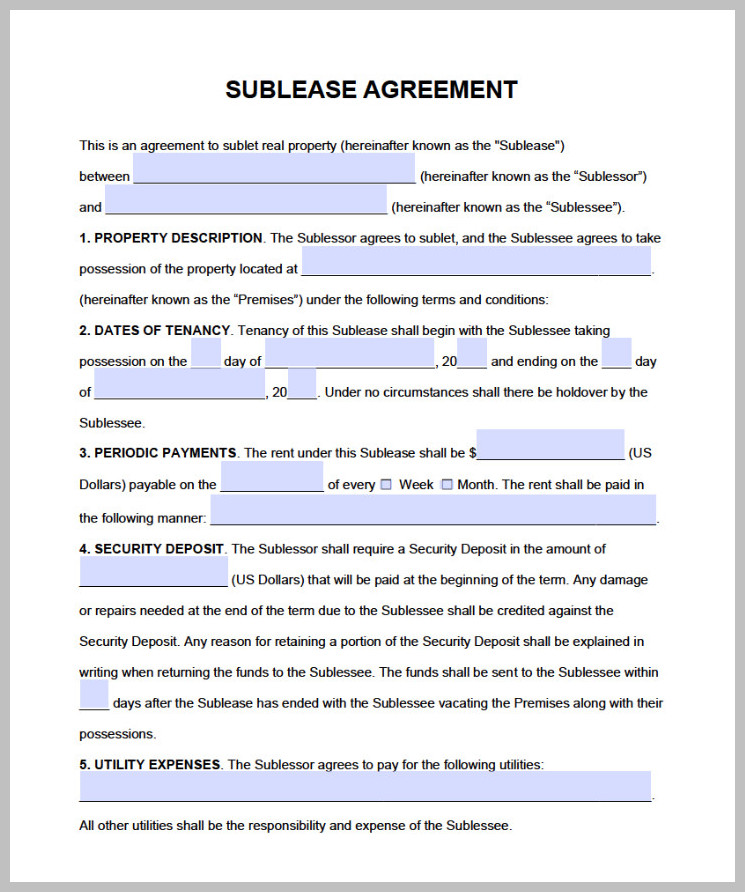
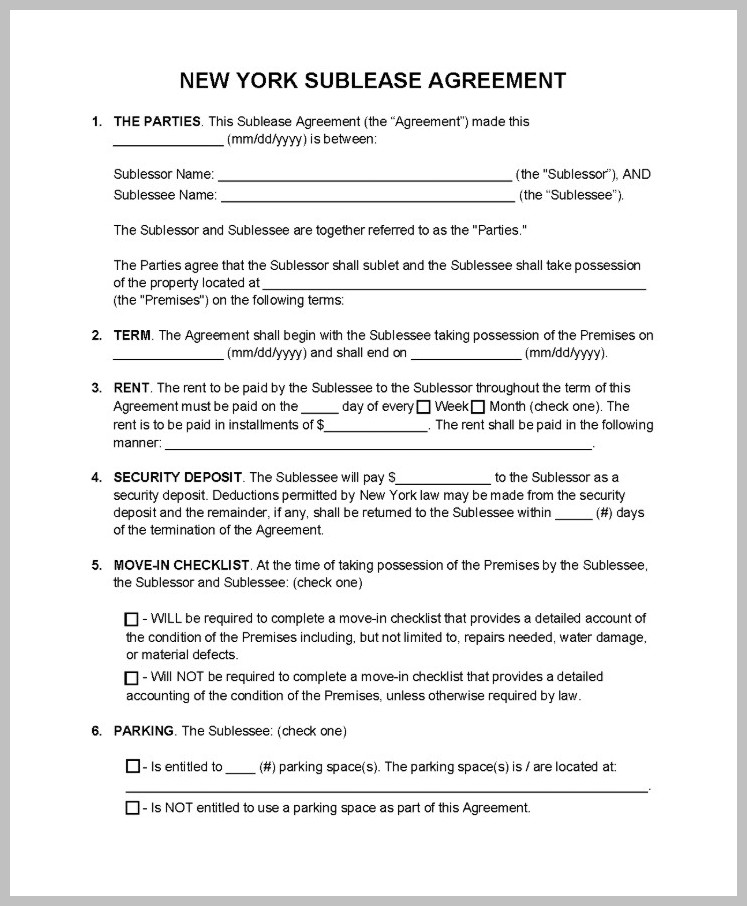
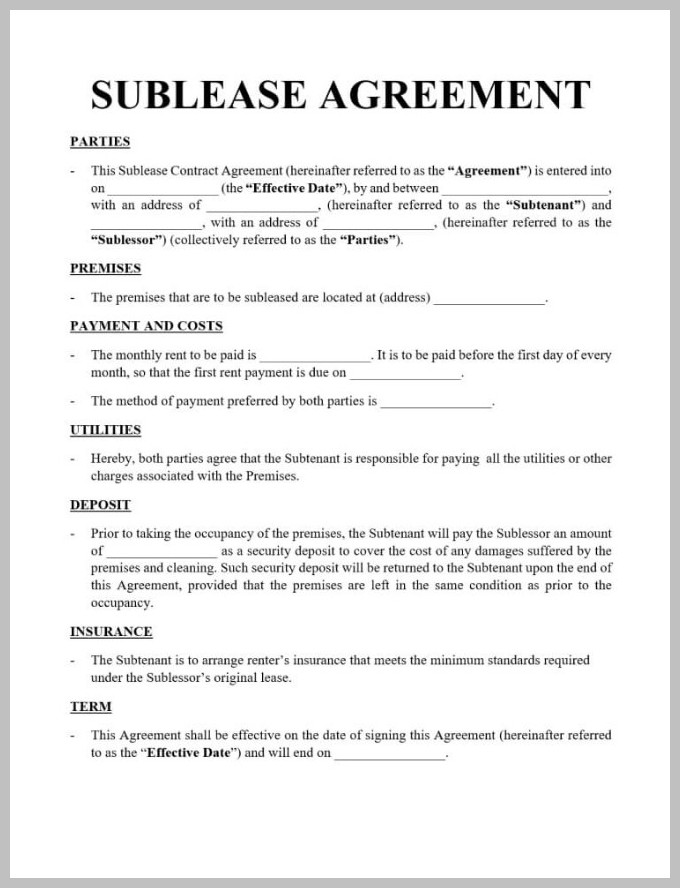
How to Draft a Sublease Agreement
When drafting a sublease agreement, it is crucial to follow these steps:
- Review the Original Lease: Understand the terms and conditions of the original lease to ensure compliance.
- Obtain Landlord Approval: Seek written consent from the landlord before subleasing the property.
- Include Necessary Details: Clearly outline the terms of the sublease, including rent, utilities, and maintenance responsibilities.
- Sign the Agreement: Have all parties sign the sublease agreement to make it legally binding.
- Keep Copies: Provide copies of the sublease agreement to all parties involved and keep a copy for your records.
Tips for a Successful Sublease Agreement
Here are some tips to ensure a successful sublease agreement:
- Communicate Clearly: Establish open communication with all parties involved to avoid misunderstandings.
- Document Everything: Keep detailed records of rent payments, maintenance requests, and any communication related to the sublease.
- Seek Legal Advice: Consult with a real estate attorney to ensure that your sublease agreement complies with local laws and regulations.
- Inspect the Property: Conduct a walkthrough of the property with the sublessee before and after the sublease term to document any damages.
- Follow Proper Procedures: Adhere to the terms of the original lease and the sublease agreement to avoid any legal disputes.
Conclusion
Sublease agreements can be a convenient solution for tenants looking to sublet their space or for individuals seeking temporary housing. By understanding the key elements of a sublease agreement, following the proper steps for drafting the agreement, and implementing best practices for a successful sublease, both parties can enjoy a smooth and mutually beneficial arrangement. Remember to communicate openly, document everything, and seek legal advice when necessary to protect your interests and ensure a positive subleasing experience.

- Cash Flow Statement Template - October 15, 2026
- Cash Flow Forecast Template - October 15, 2026
- Free Printable Caregiver Schedule Template - October 15, 2026
