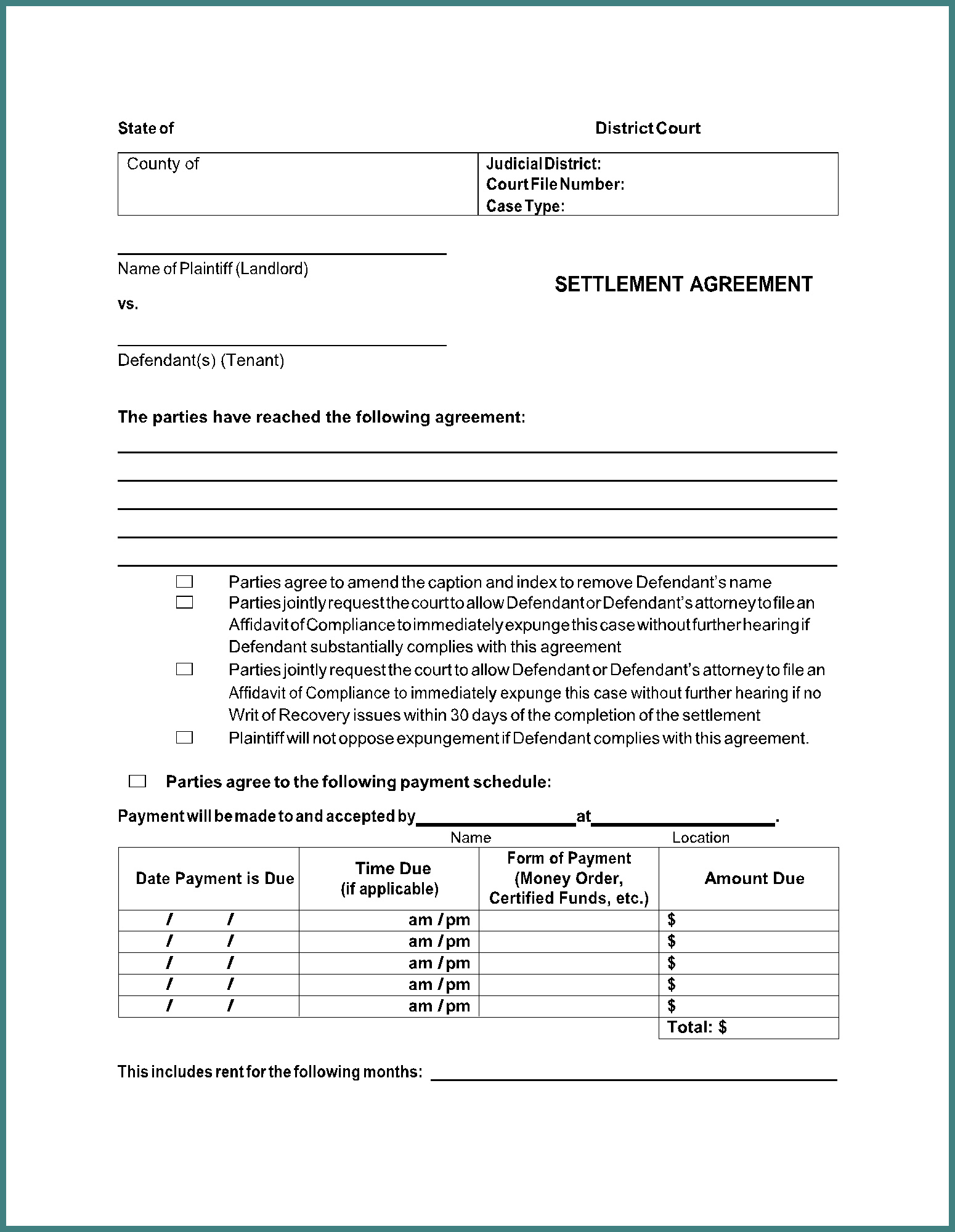
Settlement agreements are a common legal tool used to resolve disputes without going to court. They are a legally binding contract that outlines the terms of an agreement between parties, usually in the context of a dispute or potential legal action. In this comprehensive guide, we will explore the key elements of settlement agreements, why they are important, and how to navigate the process effectively.
What is a Settlement Agreement?
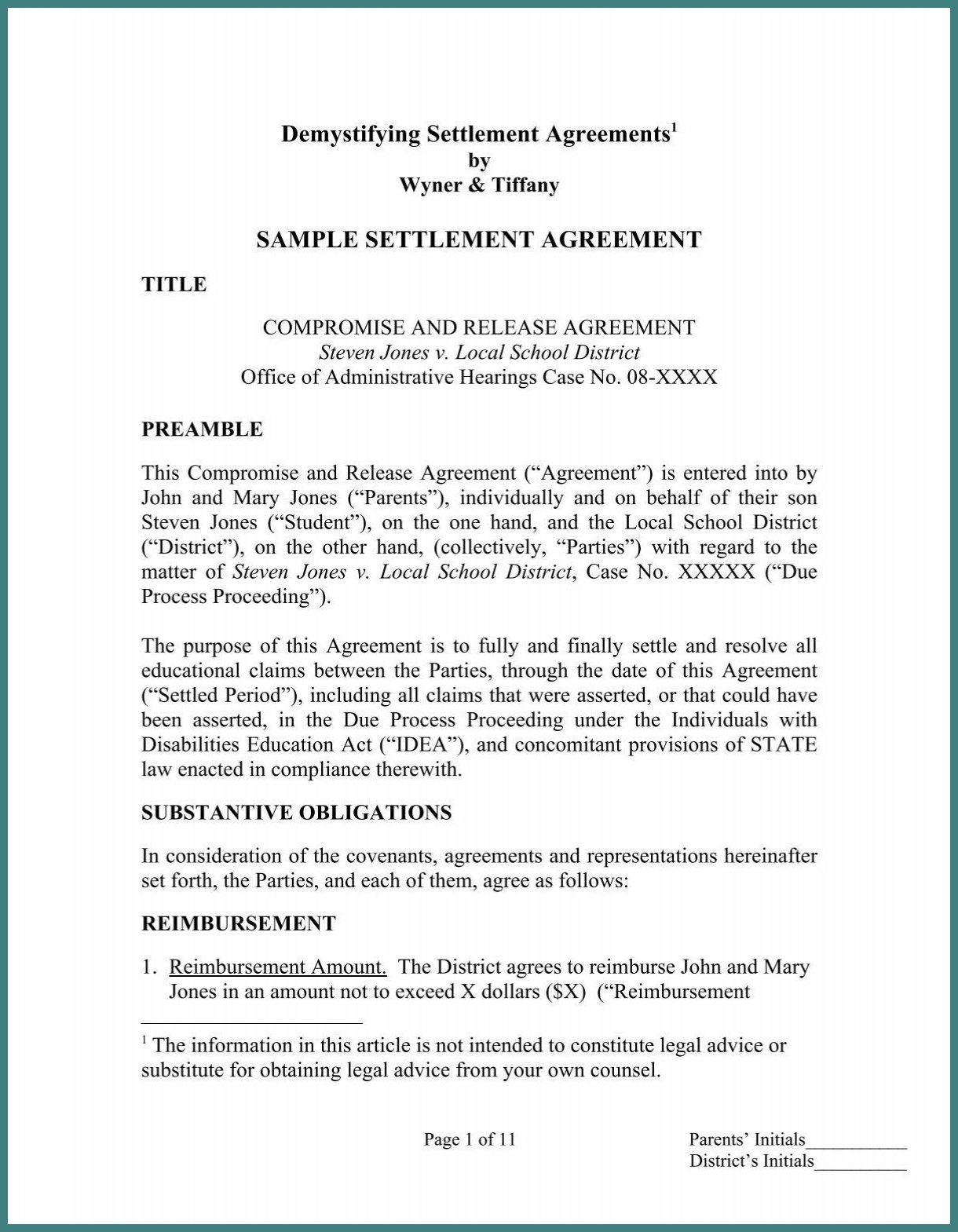
A settlement agreement, also known as a compromise agreement, is a legally binding contract between parties that outlines the terms of a settlement. This agreement typically includes details such as the amount of money to be paid, the actions to be taken by each party, and any other terms agreed upon by the parties involved. Settlement agreements are often used to resolve disputes in various legal matters, including employment disputes, personal injury claims, and business disputes.
Why are Settlement Agreements Important?
Settlement agreements are important for several reasons. Firstly, they provide a way for parties to resolve disputes quickly and efficiently without the need for lengthy court proceedings. This can save both time and money for all parties involved. Additionally, settlement agreements allow parties to maintain control over the outcome of their dispute, rather than leaving it up to a judge or jury to decide. This can lead to more favorable outcomes for both parties.
Key Elements of a Settlement Agreement
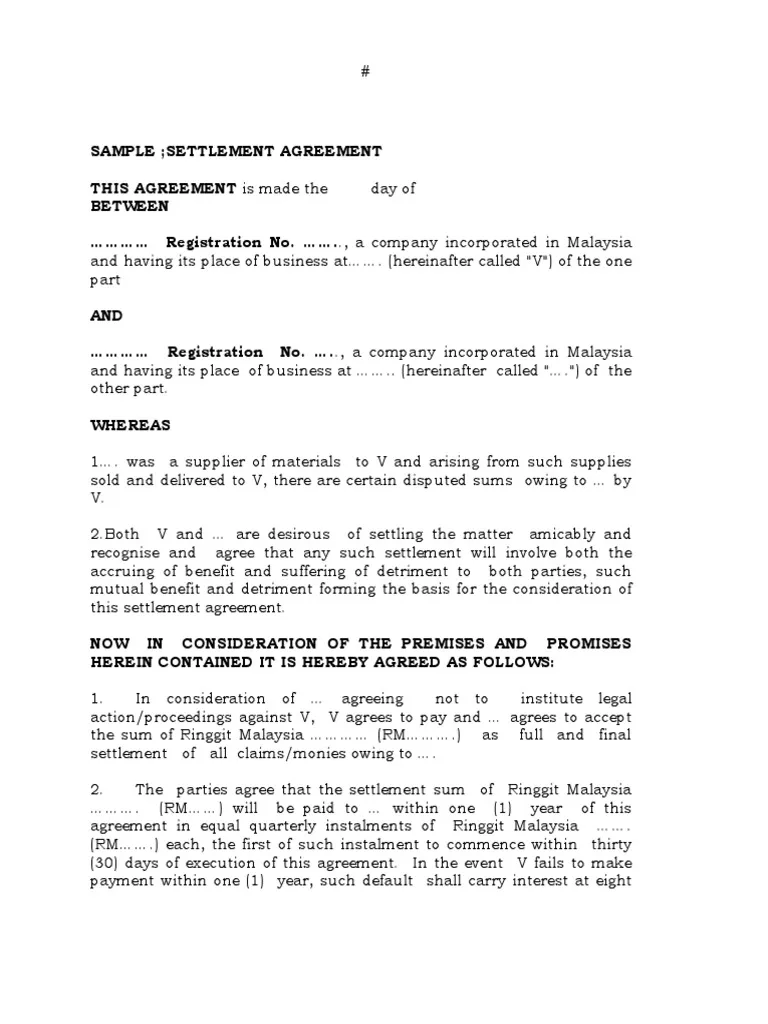
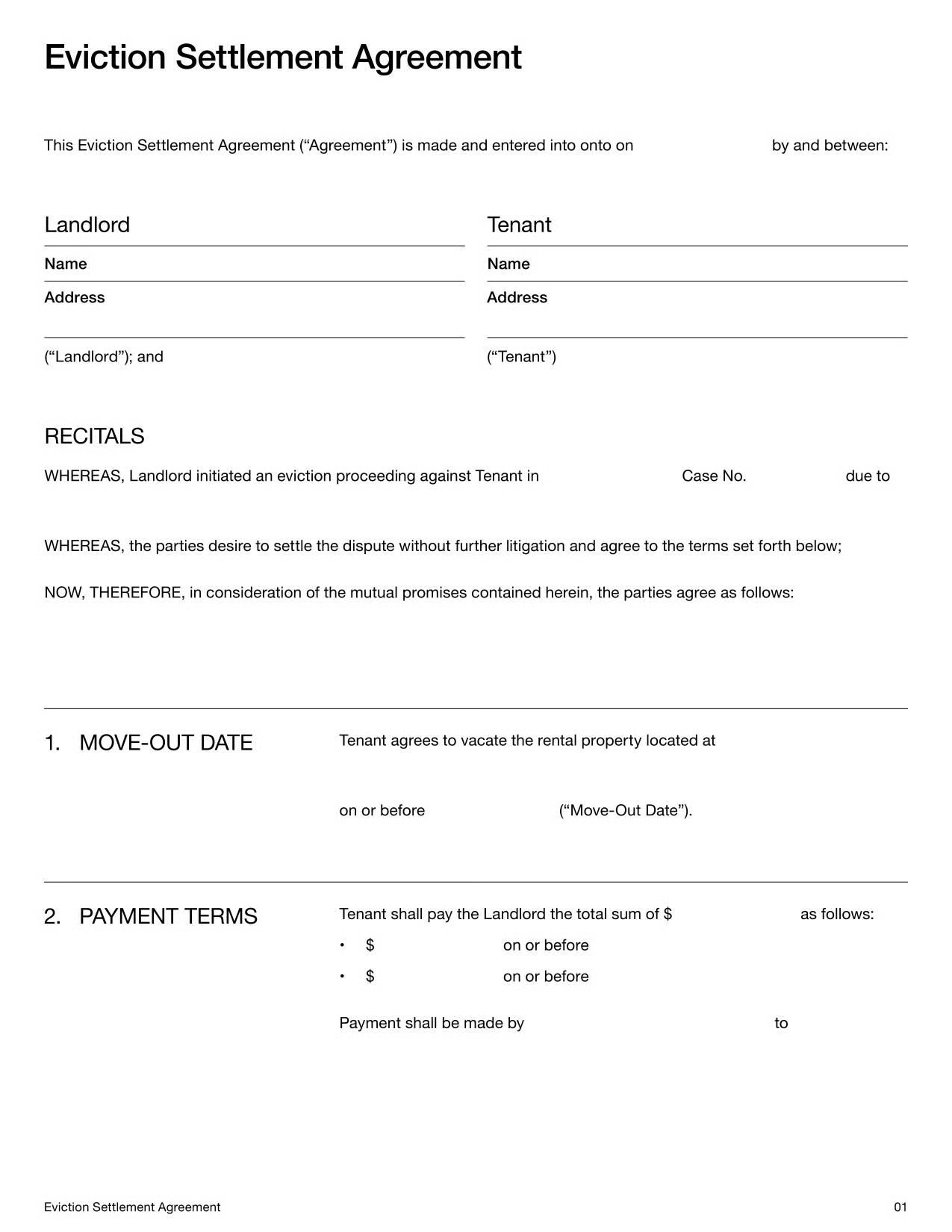
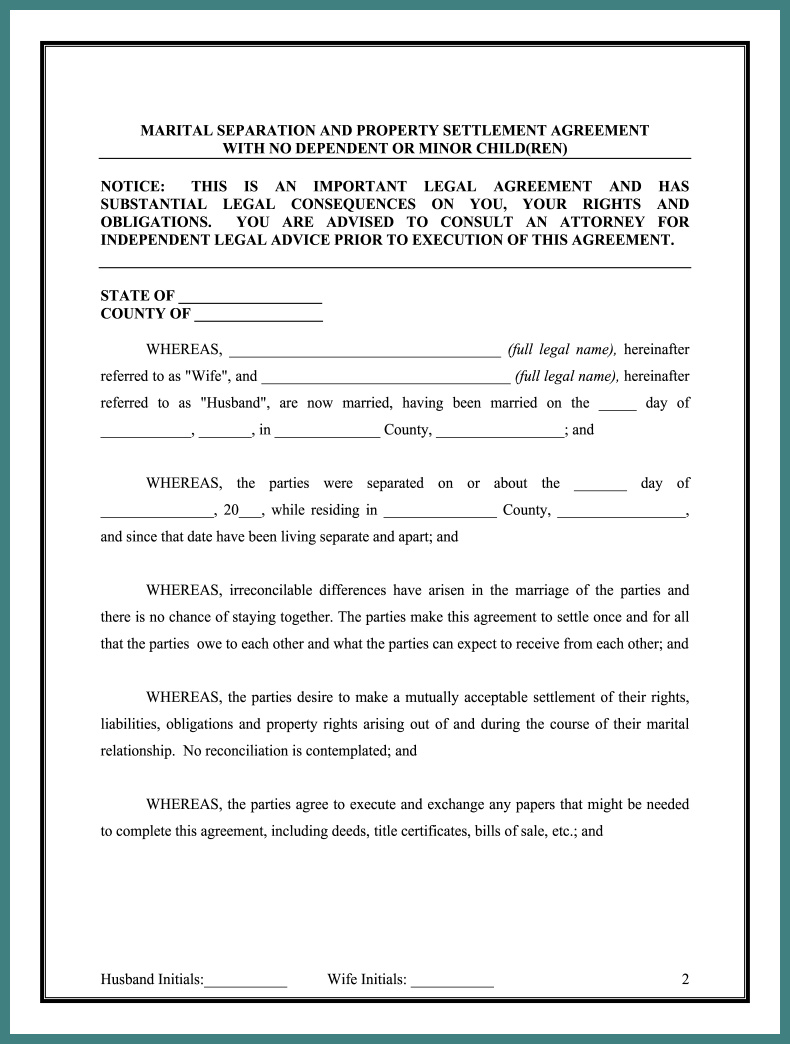
There are several key elements that should be included in a settlement agreement to ensure that it is legally binding and enforceable. These elements typically include:
- Identification of Parties: The settlement agreement should clearly identify the parties involved in the agreement.
- Terms of Settlement: The agreement should outline the specific terms of the settlement, including any monetary payments or actions to be taken.
- Release of Claims: The agreement should include a release of claims clause, which states that the parties agree to release each other from any further legal action related to the dispute.
- Confidentiality: Many settlement agreements include a confidentiality clause, which prevents the parties from disclosing the terms of the agreement to third parties.
- Signatures: The agreement should be signed by all parties involved to indicate their agreement to the terms outlined in the agreement.
How to Negotiate a Settlement Agreement
Negotiating a settlement agreement can be a complex process, but there are several key steps that can help you navigate the process effectively. Firstly, it is important to clearly define your goals and objectives for the settlement. This will help you determine what terms are most important to you and what you are willing to compromise on. Additionally, it is important to gather all relevant information and evidence to support your position during negotiations. Finally, it is important to work with experienced legal counsel who can help you navigate the negotiation process and ensure that your rights are protected.
Tips for Drafting a Settlement Agreement
When drafting a settlement agreement, it is important to be clear and specific in outlining the terms of the agreement. This includes clearly defining the obligations of each party, the timeline for fulfilling those obligations, and any potential consequences for non-compliance. Additionally, it is important to ensure that the agreement is fair and equitable for all parties involved. Finally, it is important to have the agreement reviewed by legal counsel to ensure that it is legally binding and enforceable.

- Free Printable Call Sheet Template - October 12, 2026
- Free Printable Business Hours Template - October 12, 2026
- Business Expense Template - October 12, 2026
