Starting a new business can be an exciting and daunting journey. One of the most crucial steps in launching a successful startup is creating a well-thought-out business plan. A business plan serves as a roadmap for your company, outlining your goals, strategies, and financial projections. In this article, we will delve into the key elements of a startup business plan, why it is essential, and how to create one that sets your business up for success.
What is a Startup Business Plan?
A startup business plan is a document that outlines the goals, strategies, and financial forecasts of a new business. It serves as a roadmap for entrepreneurs, guiding them through the process of launching and growing their venture. A well-crafted business plan can help attract investors, secure funding, and provide a clear direction for the business.
Why is a Startup Business Plan Essential?
Creating a startup business plan is essential for several reasons. Firstly, it forces entrepreneurs to think critically about their business idea, market opportunity, and competitive landscape. By conducting thorough research and analysis, entrepreneurs can identify potential challenges and opportunities, allowing them to make informed decisions. Additionally, a business plan is crucial for securing funding from investors or lenders. Investors typically require a detailed business plan to assess the viability and potential return on investment of a startup.
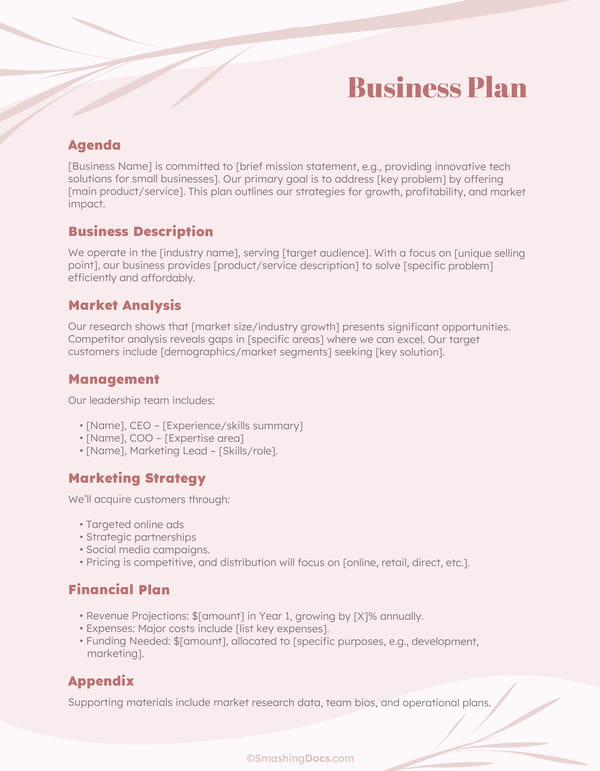
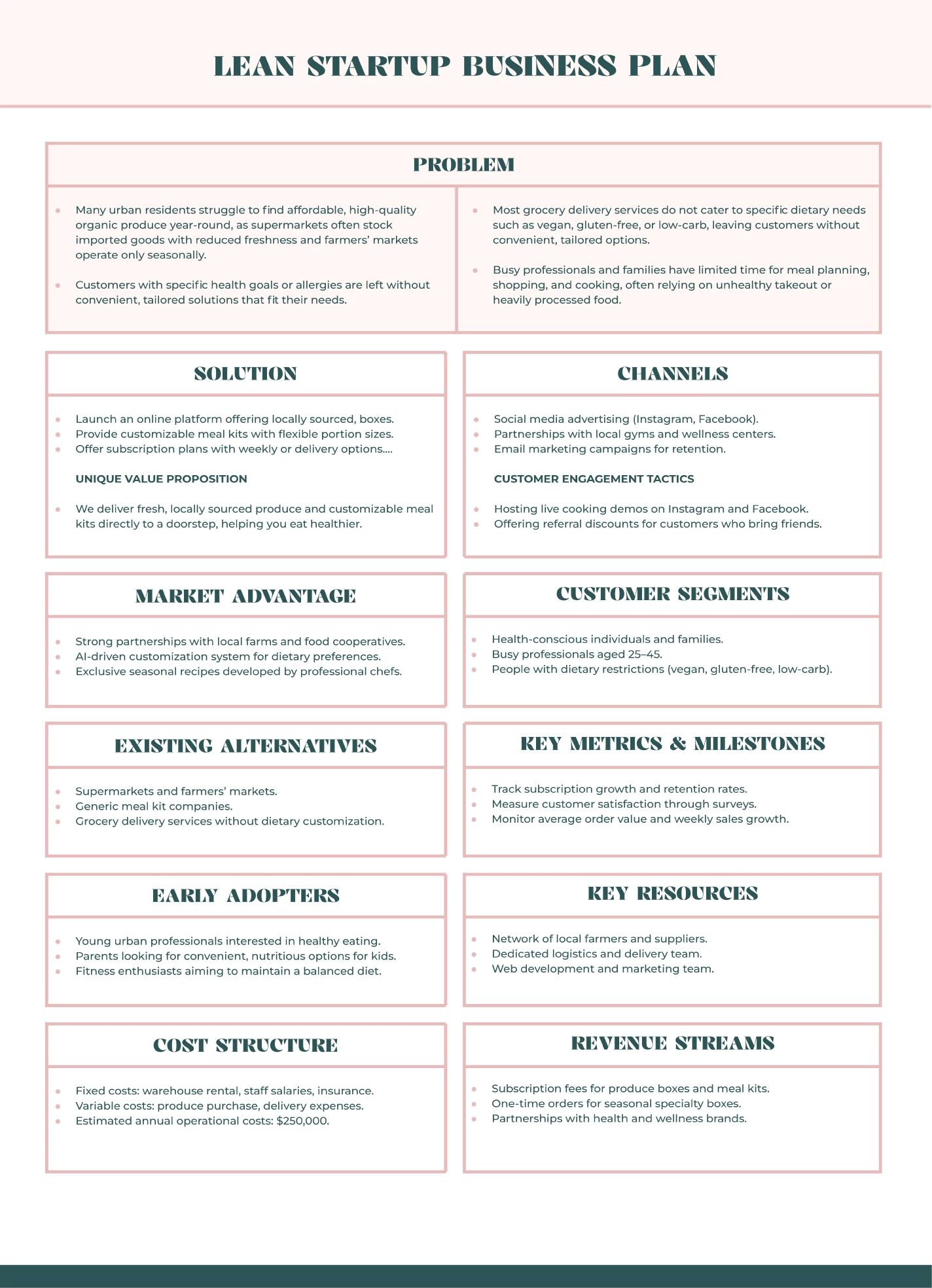
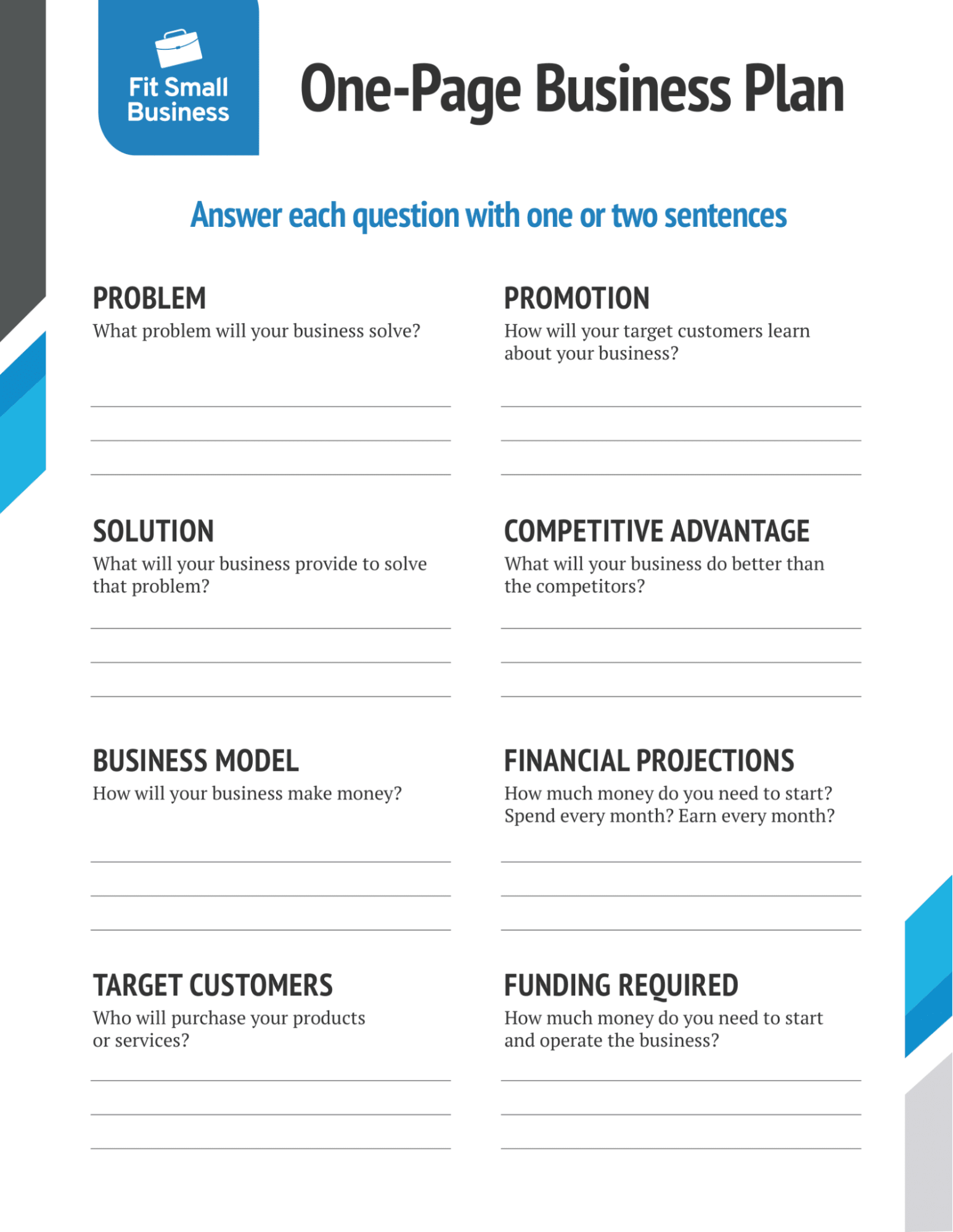
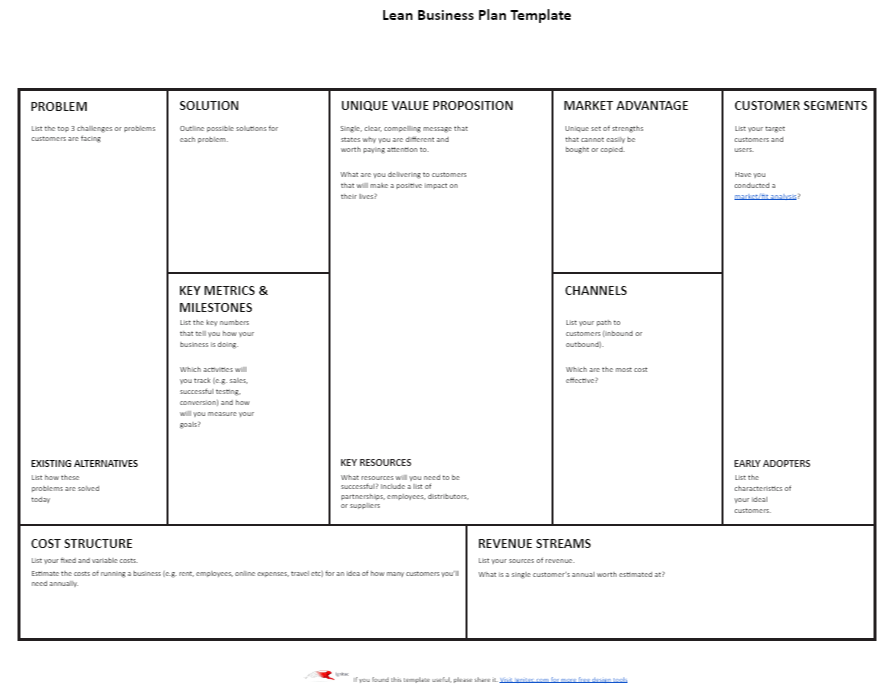
Key Elements of a Startup Business Plan
When creating a startup business plan, there are several key elements that should be included:
- Executive Summary. This section provides an overview of the business, including its mission, goals, and key highlights.
- Company Description. Describes the nature of the business, target market, and competitive advantage.
- Market Analysis. Analyzes the industry, target market, and competitors.
- Organization and Management. Outlines the organizational structure of the business and key team members.
- Products or Services. Details the products or services offered by the business and their unique selling propositions.
- Marketing and Sales Strategy. Describes how the business will attract and retain customers.
- Financial Projections. Includes revenue forecasts, expense projections, and break-even analysis.
- Funding Requirements. Specifies the amount of funding needed and how it will be used.

How to Create a Startup Business Plan
Creating a startup business plan can be a daunting task, but with careful planning and research, you can develop a comprehensive and compelling document. Here are some steps to help you create a successful business plan:
1. Conduct Market Research
Start by conducting thorough market research to understand your target market, competition, and industry trends. This will help you identify opportunities and potential challenges for your business.
2. Define Your Business Model
Clearly define your business model, including your products or services, target market, revenue streams, and pricing strategy. This will help investors understand how your business will generate revenue.
3. Set Clear Goals and Objectives
Establish specific and measurable goals for your business, such as revenue targets, customer acquisition goals, and market share objectives. Setting clear goals will help you track your progress and make informed decisions.
4. Develop a Marketing and Sales Strategy
Create a detailed marketing and sales strategy that outlines how you will attract and retain customers. Consider different marketing channels, such as social media, content marketing, and advertising, to reach your target audience.
5. Create Financial Projections
Develop realistic financial projections, including revenue forecasts, expense estimates, and cash flow projections. This will help you understand the financial health of your business and identify potential funding requirements.
6. Write a Compelling Executive Summary
The executive summary is the first section of your business plan and should provide a concise overview of your business, highlighting key points such as your mission, goals, and unique selling propositions.
7. Seek Feedback and Revise
Once you have drafted your business plan, seek feedback from mentors, advisors, and potential investors. Use their input to revise and refine your plan, ensuring that it is clear, concise, and compelling.
8. Update Your Business Plan Regularly
As your business grows and evolves, it is essential to update your business plan regularly to reflect changes in the market, competition, and internal operations. This will help you stay on track and adapt to new opportunities and challenges.
9. Be Realistic and Flexible
While it is essential to set ambitious goals for your business, it is also crucial to be realistic and flexible in your approach. Be prepared to adjust your business plan as needed based on feedback, market conditions, and unexpected events.
10. Stay Focused and Persistent
Building a successful startup takes time, effort, and persistence. Stay focused on your goals, be willing to adapt to changes, and don’t be afraid to seek help and guidance along the way. With a well-crafted business plan and a clear vision, you can navigate the challenges of entrepreneurship and build a thriving business.
Conclusion
A startup business plan is a critical tool for entrepreneurs looking to launch and grow their ventures. By outlining your goals, strategies, and financial projections, you can create a roadmap for success and attract investors and partners. With careful planning, research, and execution, you can develop a compelling business plan that sets your startup up for success. Remember to stay focused, be flexible, and seek feedback along the way to ensure that your business plan remains relevant and effective.
Startup Business Plan Template

- Printable Acknowledgement Receipt Template - October 1, 2026
- Free Acknowledgement Letter Template (Word) - October 1, 2026
- Free Printable Accounting Ledger Template - October 1, 2026
