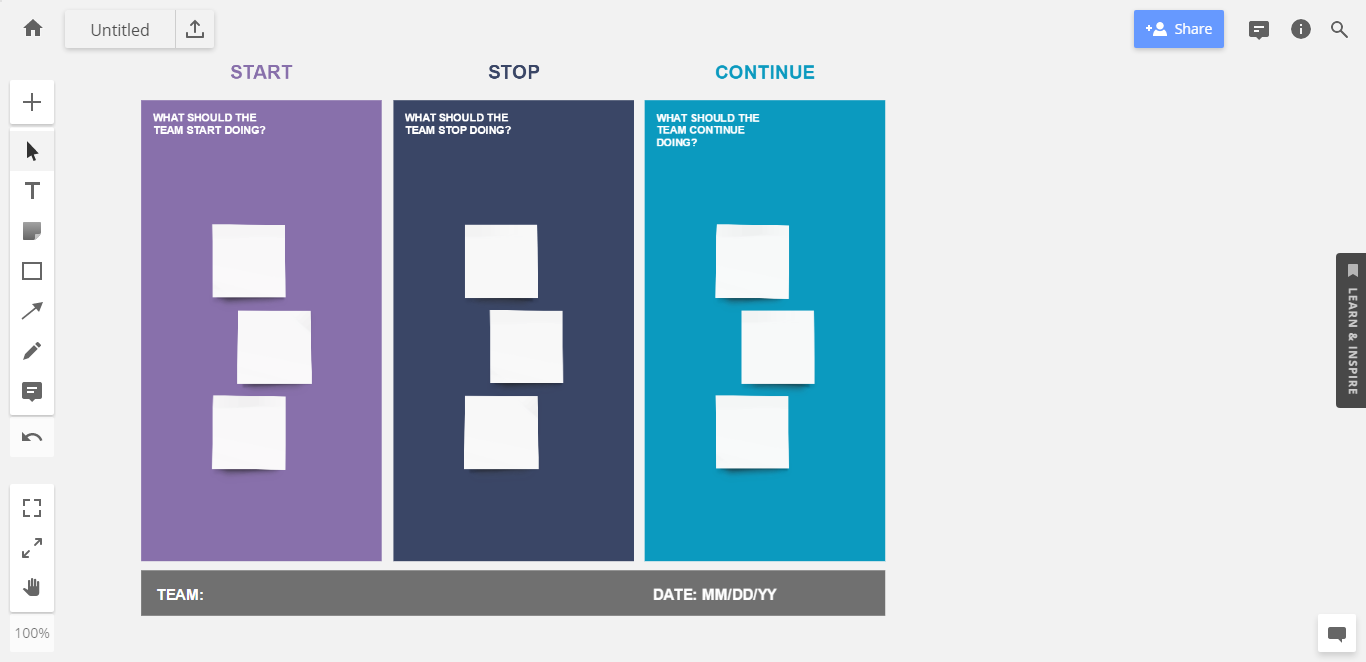
A sprint retrospective is a crucial meeting in the Scrum framework that allows teams to reflect on their work and identify areas for improvement. It is a time for team members to come together, discuss what went well, what didn’t go so well, and brainstorm ways to make the next sprint even better. In this article, we will explore the What, Why, Key Elements, How to, and Tips for a successful sprint retrospective.
What is a Sprint Retrospective?
A sprint retrospective is a meeting held at the end of each sprint in the Scrum framework where the team reflects on their performance and identifies ways to improve. It is an opportunity for team members to discuss what worked well during the sprint, what didn’t work so well, and what actions can be taken to make improvements in the next sprint. The focus of the sprint retrospective is on continuous improvement and team collaboration.
During the sprint retrospective, team members are encouraged to share their thoughts and ideas openly and honestly. This meeting is not about assigning blame but rather about finding solutions and making positive changes. The goal is to create a safe environment where team members can communicate openly and work together to improve their processes and practices.
Why is Sprint Retrospective Important?
The sprint retrospective is an essential part of the Scrum framework because it provides a dedicated time for the team to reflect on their performance and make improvements. By taking the time to review what went well and what didn’t go so well, the team can identify patterns, address issues, and implement changes that will lead to more efficient and effective work in future sprints.
Some key benefits of sprint retrospective include:
– Improved team communication and collaboration
– Increased team morale and motivation
– Identification of process bottlenecks and areas for improvement
– Enhanced team performance and productivity
Key Elements of Sprint Retrospective
Several key elements make up a successful sprint retrospective:
1. Time-bound: The sprint retrospective should be time-bound and conducted at the end of each sprint.
2. Participation: All team members should actively participate and contribute their thoughts and ideas.
3. Open Communication: Create a safe environment where team members can communicate openly and honestly.
4. Focus on Improvement: The focus of the retrospective should be on identifying areas for improvement and implementing changes.
5. Action Items: Document action items and follow up on them in the next sprint.

How to Conduct a Sprint Retrospective
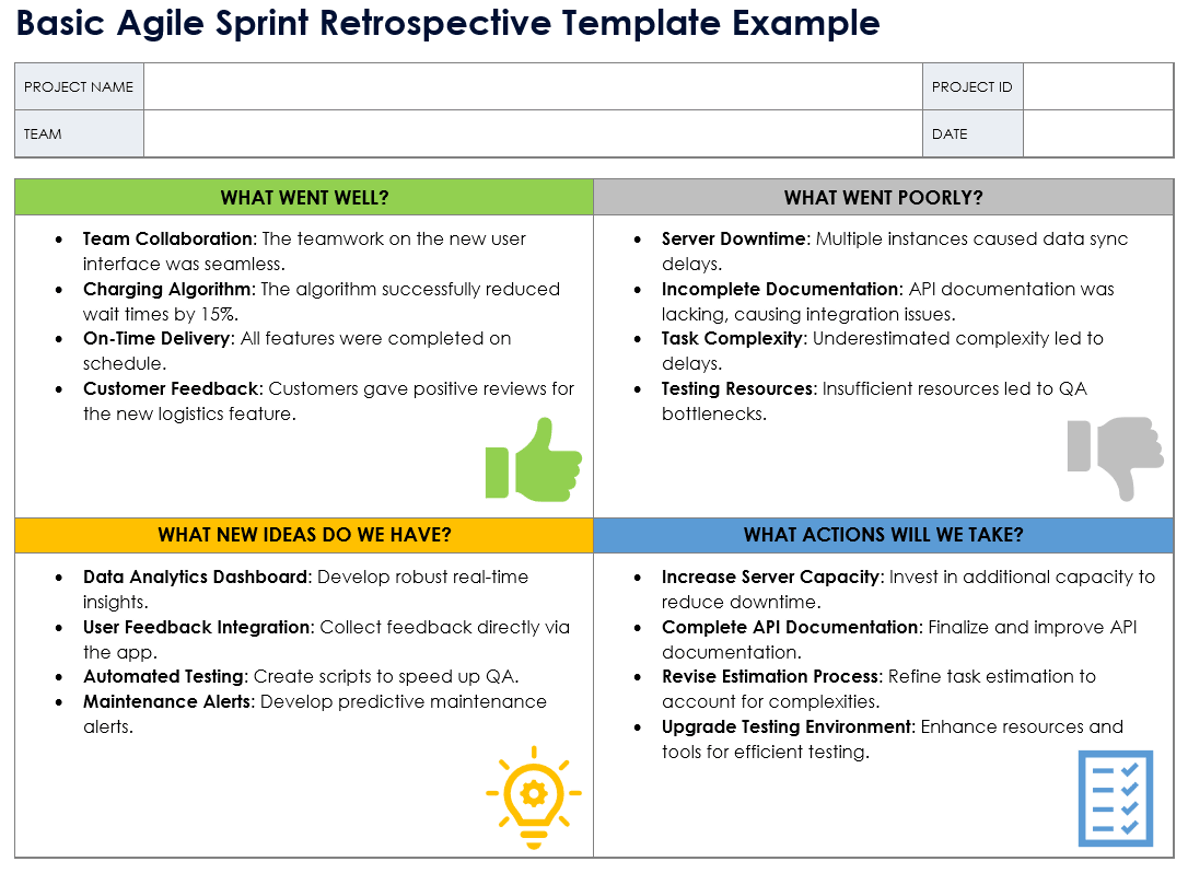
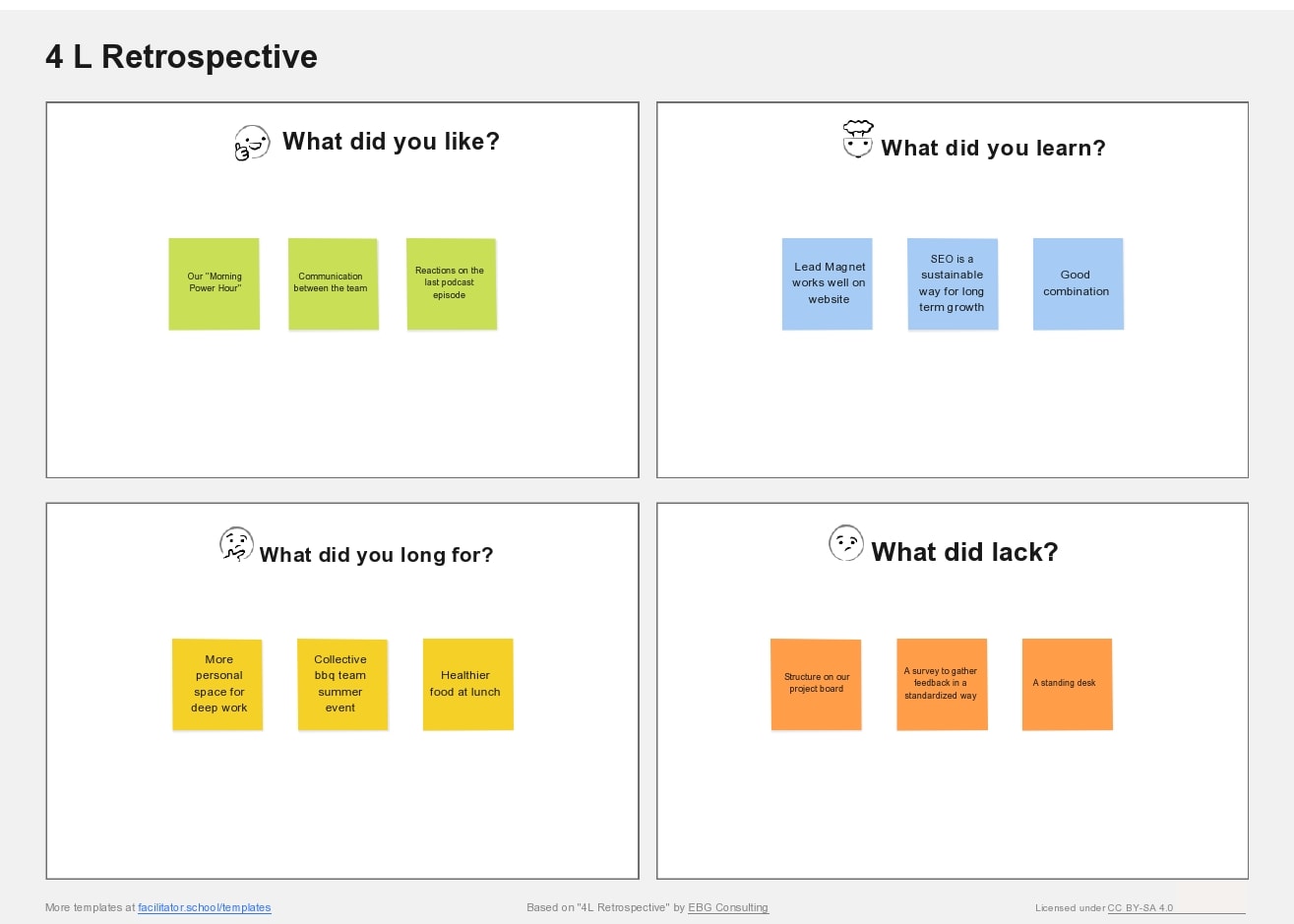
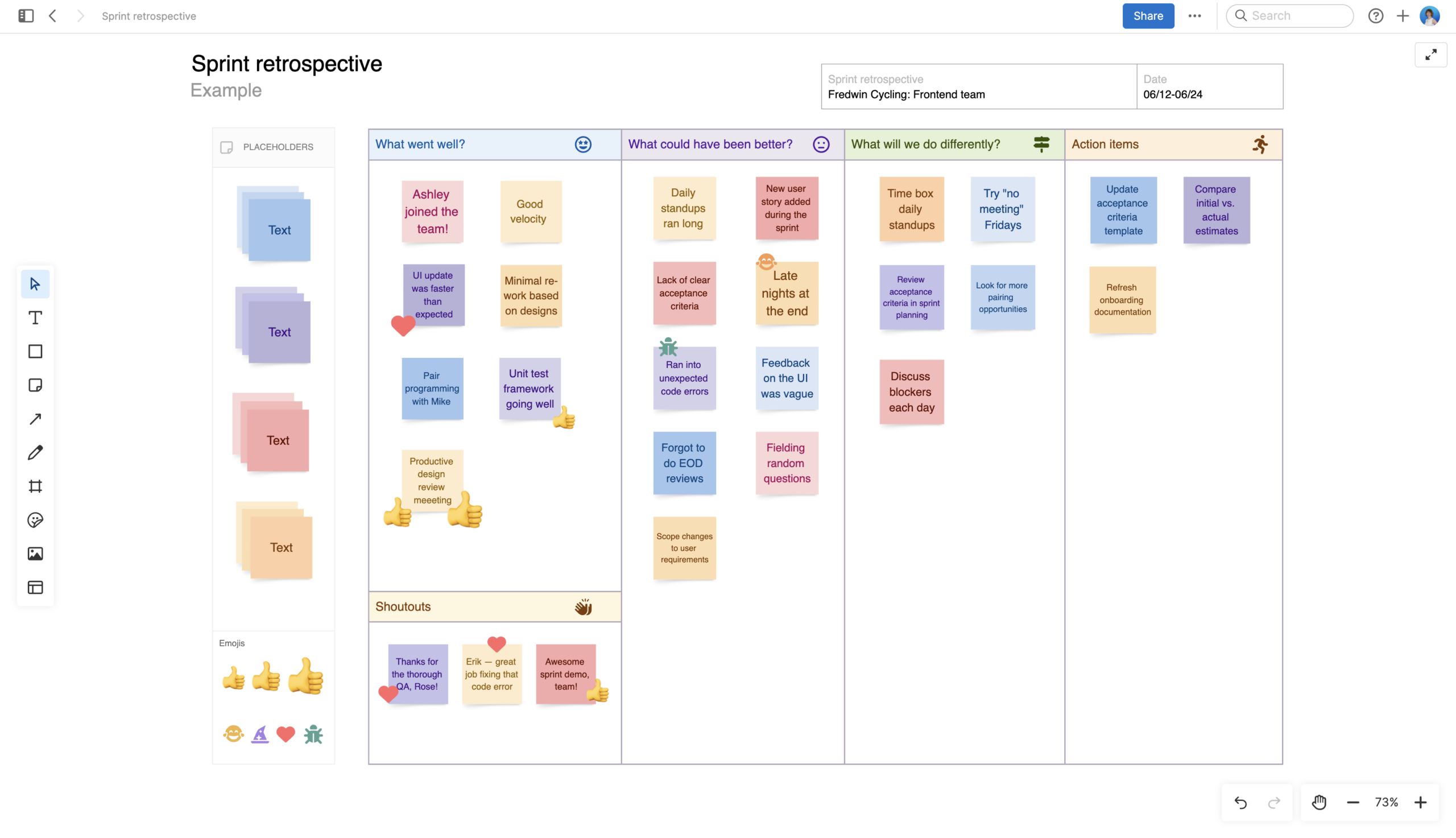
Conducting a successful sprint retrospective involves following a structured process. Here are some steps to help you conduct a productive sprint retrospective:
1. Set the Stage: Begin the retrospective by setting the stage and explaining the purpose of the meeting.
2. Gather Data: Review the key metrics and data from the sprint to provide context for the discussion.
3. Discuss What Went Well: Start by discussing what went well during the sprint and celebrating successes.
4. Identify Areas for Improvement: Discuss what didn’t go well and identify areas for improvement.
5. Brainstorm Solutions: Brainstorm potential solutions and actions that can be taken to address the issues.
6. Decide on Action Items: Decide on specific action items to be implemented in the next sprint.
7. Follow Up: Document the action items and follow up on them in the next sprint retrospective.
Tips for a Successful Sprint Retrospective
Here are some tips to help you conduct a successful sprint retrospective:
– Create a Safe Environment: Encourage open communication and create a safe space for team members to share their thoughts and ideas.
– Focus on Improvement: Keep the focus of the retrospective on continuous improvement and identifying actionable steps.
– Celebrate Successes: Take the time to celebrate successes and acknowledge the hard work of the team.
– Document Action Items: Document action items and follow up on them in the next sprint to track progress.
– Rotate Facilitators: Rotate the role of facilitator for each retrospective to encourage participation and engagement.
– Keep It Short and Sweet: Keep the retrospective concise and focused to ensure maximum engagement and productivity.
In conclusion, sprint retrospective is a valuable practice in the Scrum framework that allows teams to reflect, learn, and improve. By following the key elements, conducting the retrospective effectively, and implementing the tips mentioned above, teams can make the most out of their sprint retrospectives and drive continuous improvement in their work processes.

- Free Roommate Agreement Template (Word) - September 28, 2026
- Free Printable Wedding Card Template - September 28, 2026
- Free Printable Wedding Schedule Template - September 28, 2026
