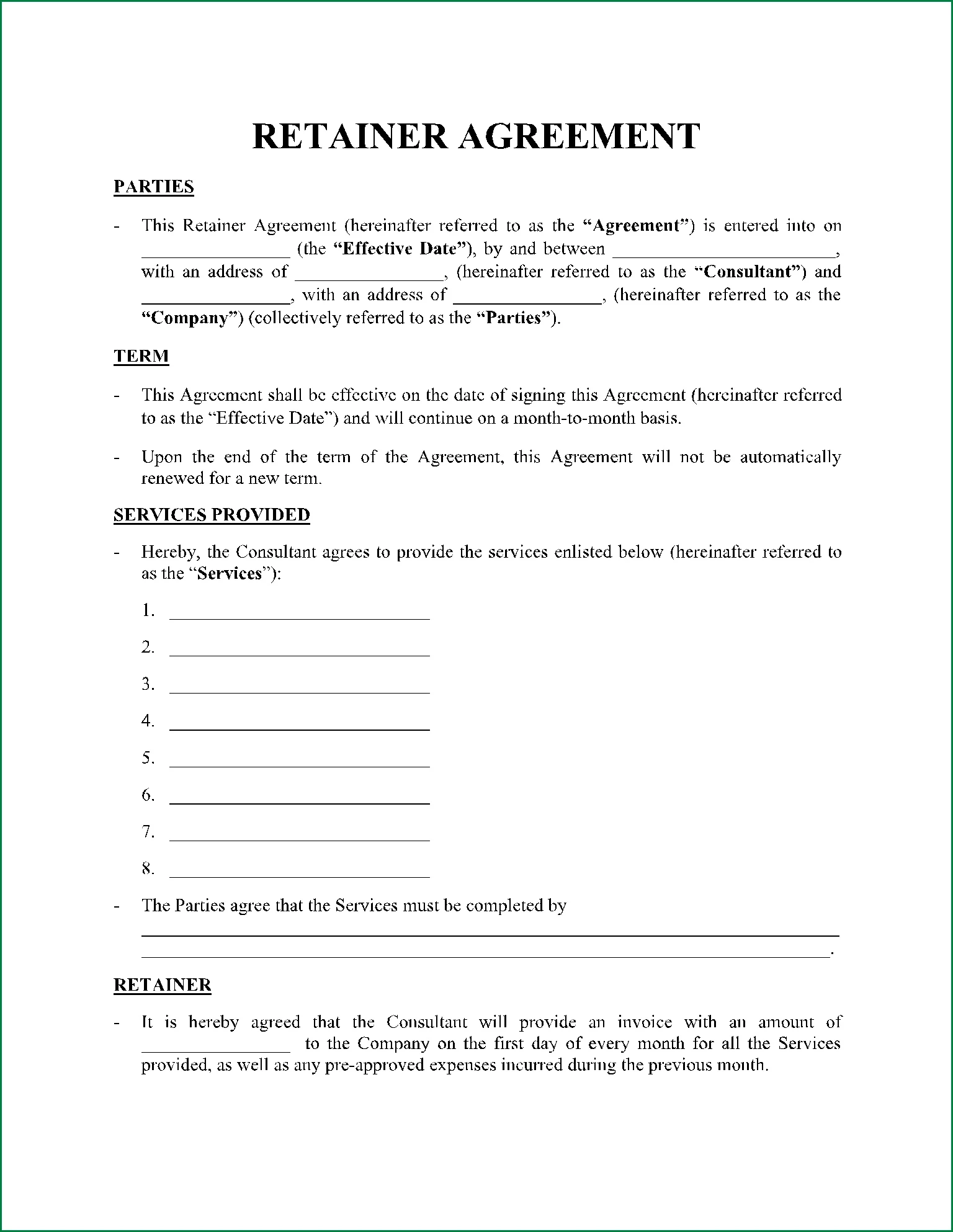
Retainer agreements are a common practice in many industries, including law, consulting, and freelance work. But what exactly is a retainer agreement, and why is it important?
In this article, we will explore all aspects of retainer agreements, including what they are, why they are used, what to include in a retainer agreement, how to create one, and some tips for ensuring a successful retainer agreement. So, let’s dive in and demystify the world of retainer agreements!
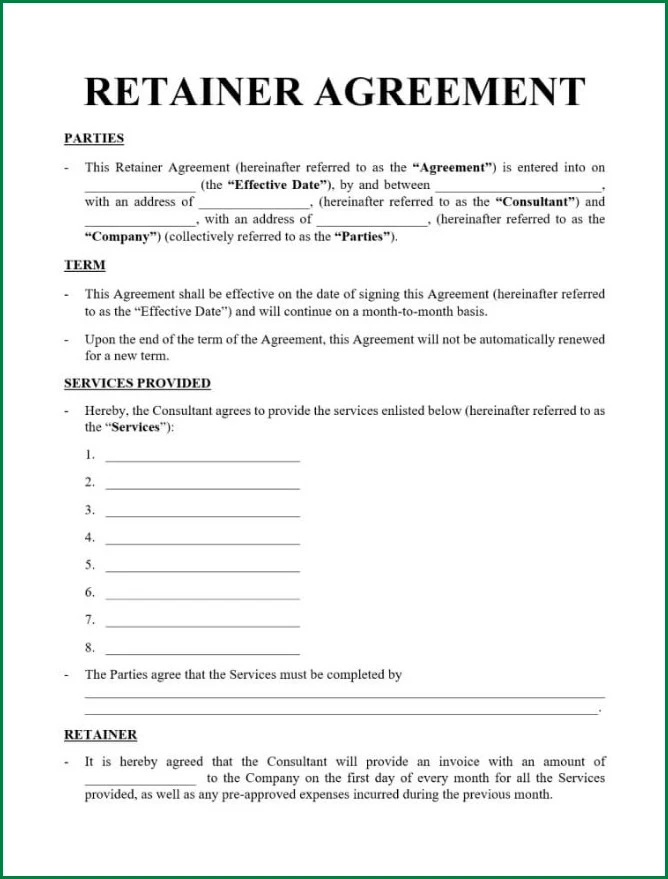
What is a Retainer Agreement?
A retainer agreement is a contract between a client and a service provider that outlines the terms and conditions of their working relationship. In essence, it is a prepayment for services to be rendered in the future. The client pays a certain amount upfront to secure the services of the provider, who then sets aside time or resources to work on the client’s projects.
Retainer agreements are often used in industries where services are provided on an ongoing basis, such as legal services, marketing services, or consulting services. By entering into a retainer agreement, both parties can establish clear expectations and avoid any misunderstandings down the line.
Why Use a Retainer Agreement?
There are several benefits to using a retainer agreement for both the client and the service provider. For the client, a retainer agreement provides a sense of security, knowing that the provider has committed to setting aside time for their projects. It also allows for better budgeting and planning, as the client knows exactly how much they will be paying for the services.
For the service provider, a retainer agreement guarantees a steady stream of income and work. It also helps in prioritizing the client’s projects and ensures that the provider is compensated for their time and expertise.
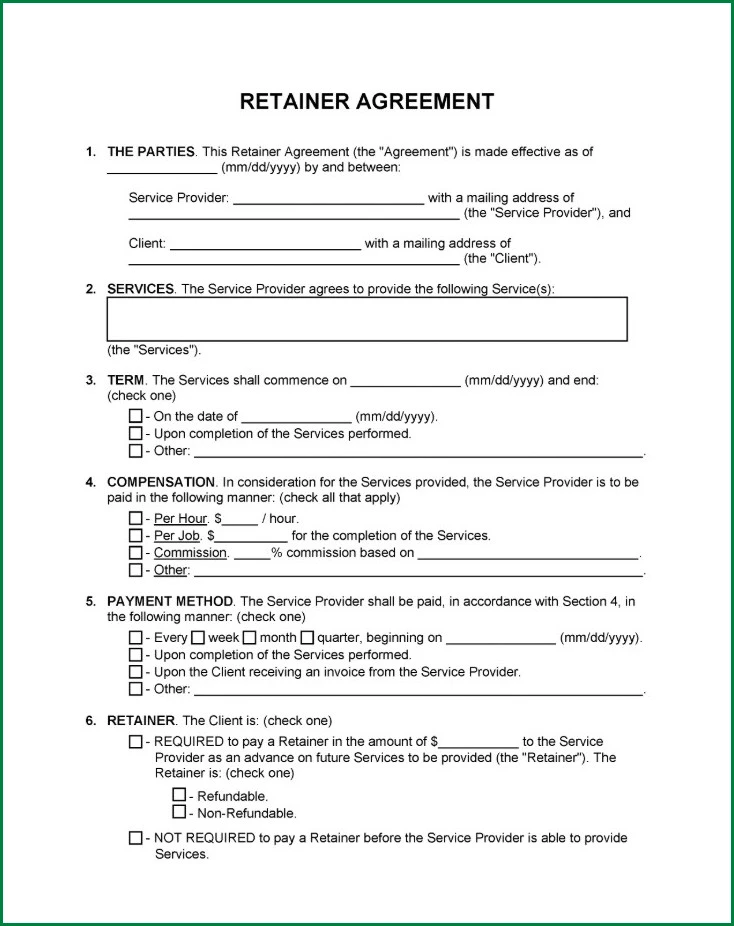
What to Include in a Retainer Agreement
When creating a retainer agreement, it is important to include the following key elements:
- Scope of Work. Clearly outline the services to be provided under the retainer agreement.
- Payment Terms. Specify the amount of the retainer fee, payment schedule, and any additional fees or expenses.
- Terms of the Agreement. Define the duration of the retainer agreement, including any renewal options.
- Termination Clause. Include provisions for terminating the agreement, including notice periods and reasons for termination.
- Confidentiality and Non-Disclosure. Address confidentiality and non-disclosure obligations to protect sensitive information.
- Dispute Resolution. Provide a mechanism for resolving disputes that may arise during the course of the agreement.
- Governing Law. Specify the laws that will govern the agreement in case of any legal issues.
How to Create a Retainer Agreement
Creating a retainer agreement can be a straightforward process if you follow these steps:
- Identify the Services. Clearly define the scope of work and services to be provided under the retainer agreement.
- Set the Terms. Determine the retainer fee, payment schedule, and any additional fees or expenses.
- Draft the Agreement. Write a detailed contract that includes all the key elements mentioned above.
- Review and Negotiate. Review the agreement with the client and make any necessary revisions or negotiate terms.
- Sign the Agreement. Once both parties are satisfied, sign the agreement and keep a copy for your records.
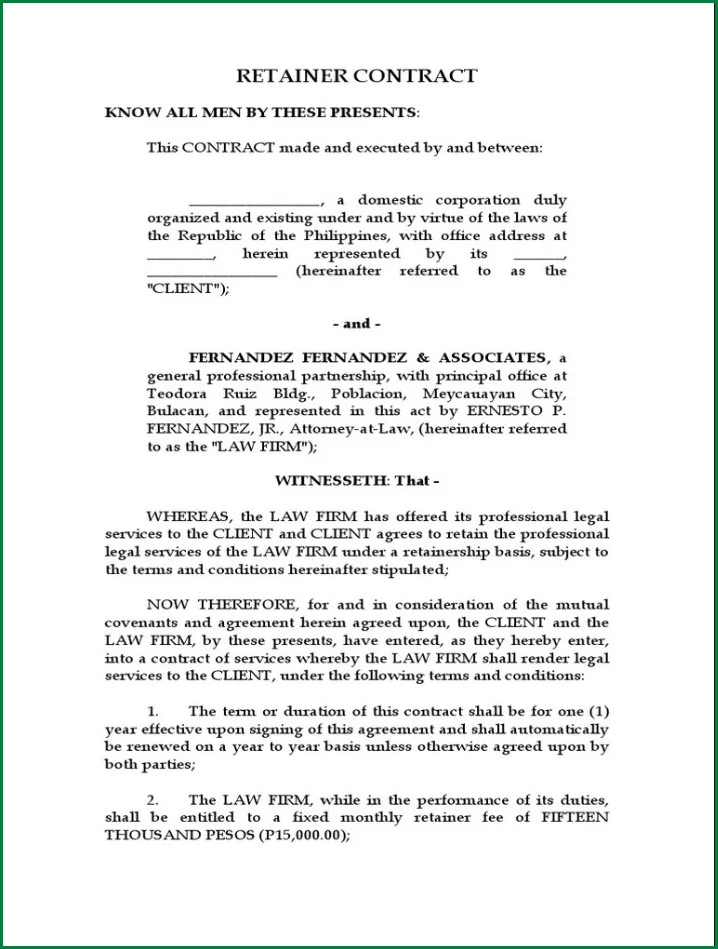
Tips for a Successful Retainer Agreement
Here are some tips to ensure a successful retainer agreement:
- Be Clear and Specific. Clearly define the scope of work and expectations to avoid any misunderstandings.
- Communicate Effectively. Maintain open communication with the client throughout the duration of the agreement.
- Set Realistic Goals. Establish achievable goals and milestones to track progress and success.
- Review Regularly. Periodically review the agreement with the client to assess performance and make any necessary adjustments.
- Seek Legal Advice. Consult with a legal professional to ensure that your retainer agreement complies with relevant laws and regulations.
- Build Trust. Foster a positive relationship with the client based on trust, transparency, and reliability.
Conclusion
Retainer agreements play a crucial role in establishing clear expectations and terms between clients and service providers. By creating a comprehensive retainer agreement that outlines the scope of work, payment terms, and other key elements, both parties can enjoy a successful and mutually beneficial working relationship. Remember to communicate effectively, set realistic goals, and review the agreement regularly to ensure a positive outcome for all involved.
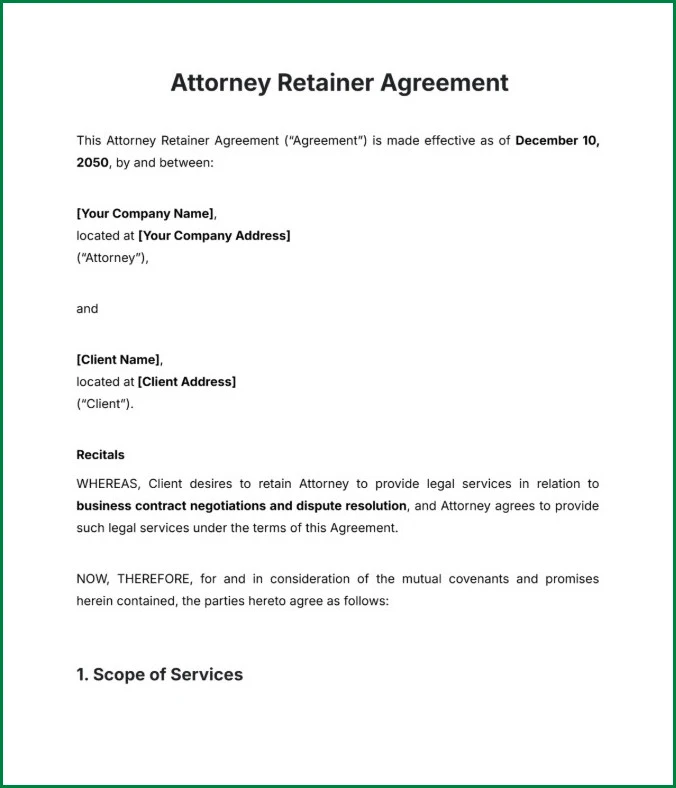
Retainer Agreement Template – Word

- Printable Weekly Food Chart Template - September 18, 2026
- Free Printable Weekly Cleaning Chart Template - September 18, 2026
- Free Separation Agreement Template (Word) - September 18, 2026
