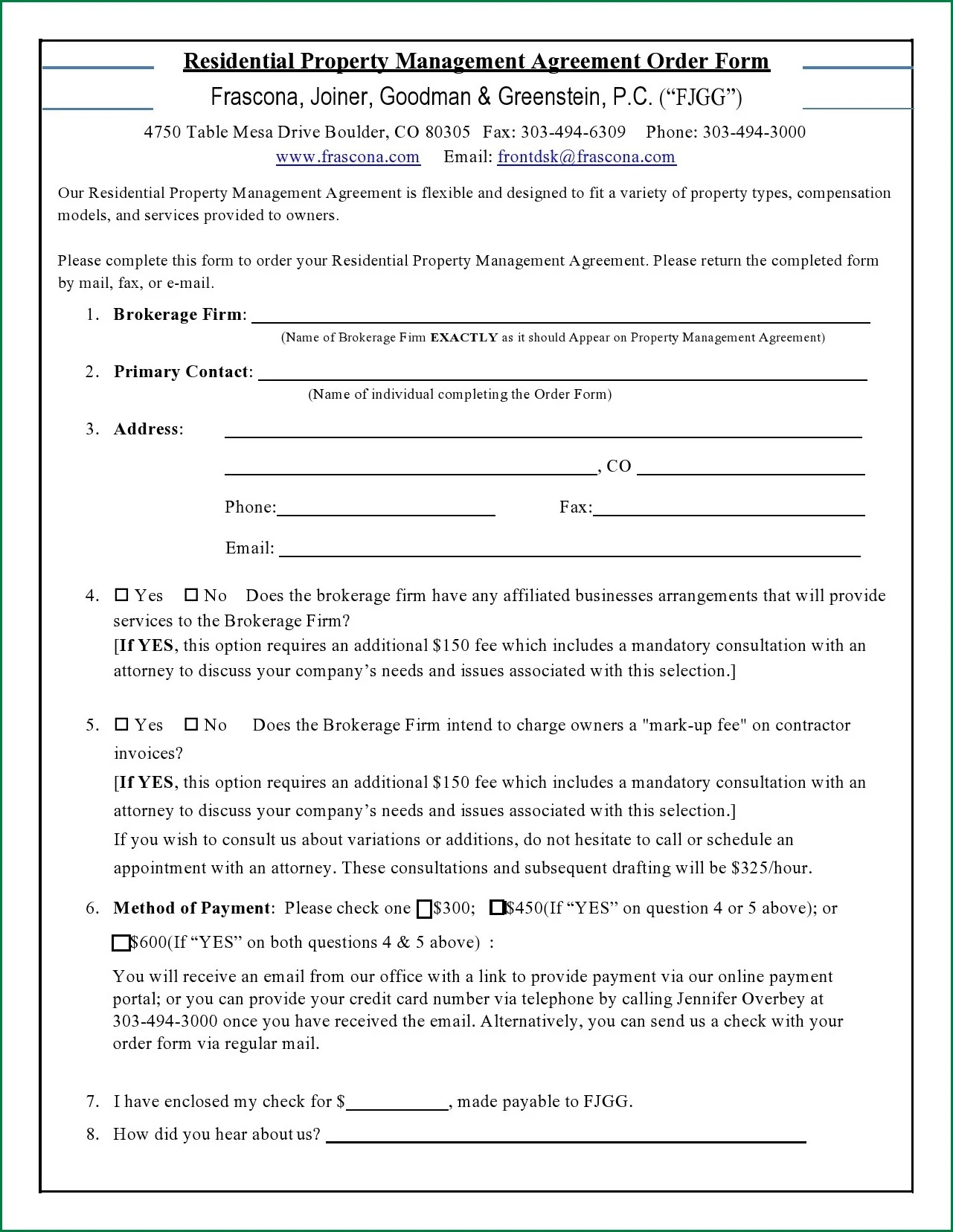
Property management agreements are an essential component of the landlord-tenant relationship, outlining the responsibilities and expectations of both parties. Whether you’re a property owner looking to hire a professional management company or a manager seeking to establish a new agreement, understanding the key elements of a property management agreement is crucial.
In this comprehensive guide, we will delve into the what, why, what to include, how to, and tips for creating a solid property management agreement.
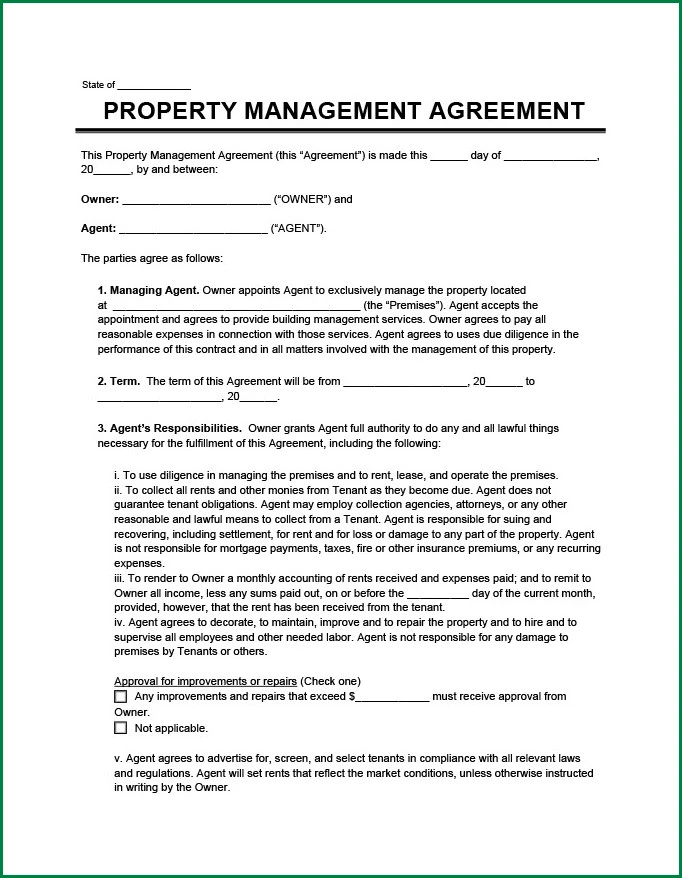
What is a Property Management Agreement?
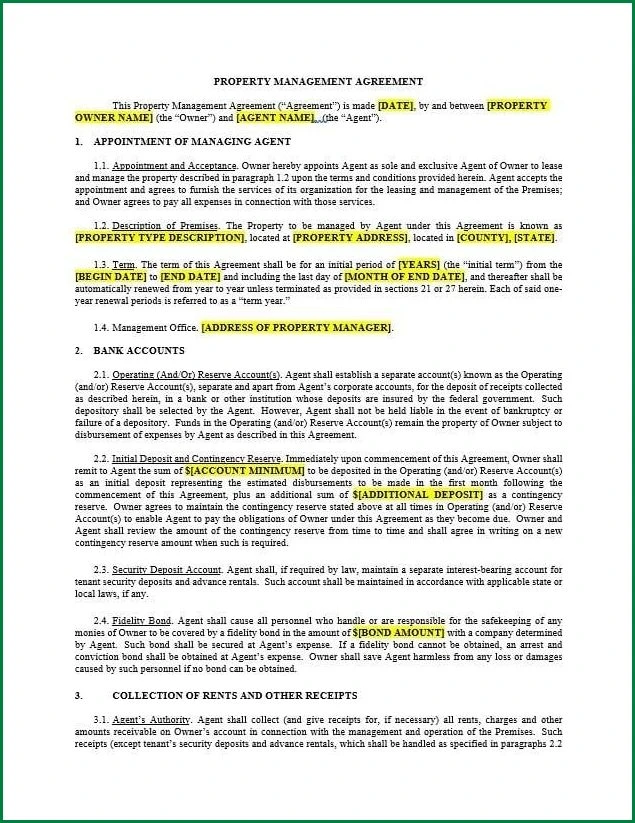
A property management agreement is a legal contract between a property owner and a property management company or individual manager. This agreement outlines the terms and conditions of the property management services provided, including fees, responsibilities, and expectations.
It serves as a roadmap for the management of the property and helps ensure clarity and accountability for both parties involved.
Why is a Property Management Agreement Important?
Having a property management agreement in place is essential for protecting the interests of both the property owner and the management company or manager. This agreement helps prevent misunderstandings and disputes by clearly defining the roles and responsibilities of each party. It also provides legal protection in case of any potential issues or disagreements that may arise during the course of the management relationship.
What to Include in a Property Management Agreement
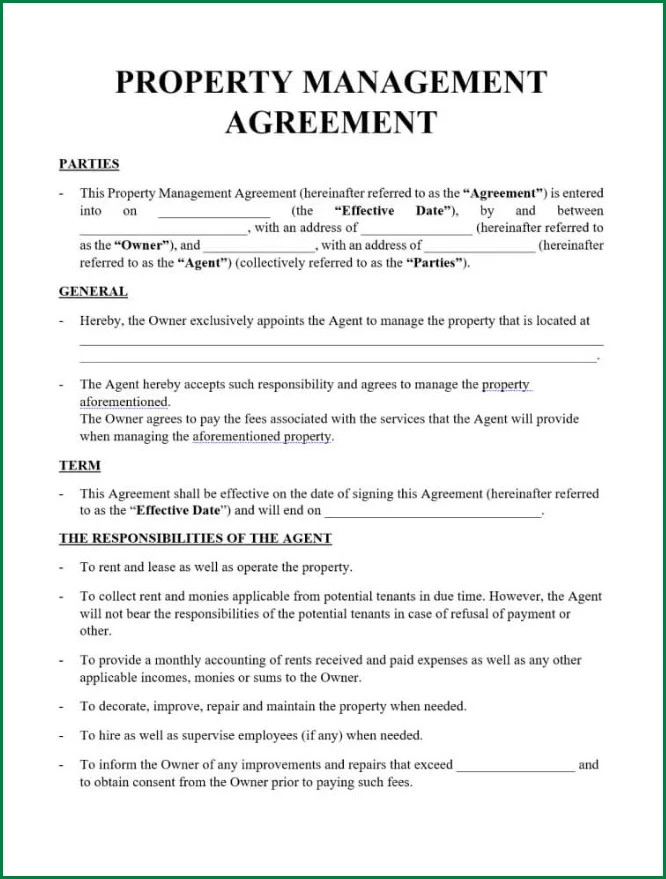
When creating a property management agreement, it’s important to include the following key elements:
- Property Details. Provide a detailed description of the property being managed, including address, type of property, and any specific features.
- Services Provided. Outline the specific property management services that will be provided, such as tenant screening, rent collection, maintenance, and inspections.
- Duration of Agreement. Specify the start and end dates of the agreement, as well as any provisions for renewal or termination.
- Fee Structure. Detail the fees and payment terms for the property management services, including any additional charges or expenses.
- Responsibilities of Each Party. Clearly define the responsibilities of both the property owner and the management company or manager, including maintenance, repairs, and communication expectations.
- Termination Clause. Include provisions for terminating the agreement, such as notice periods and reasons for termination.
- Dispute Resolution. Outline the process for resolving any disputes or disagreements that may arise during the term of the agreement.
How to Create a Property Management Agreement
Creating a property management agreement involves careful consideration of the specific needs and expectations of both parties. Here are some steps to help you create a comprehensive agreement:
1. Consult with Legal Counsel
Seek advice from a legal professional to ensure that your agreement complies with local laws and regulations.
2. Clearly Define Expectations
Clearly outline the expectations and responsibilities of each party to avoid any misunderstandings in the future.
3. Include Specific Details
Provide specific details about the property, services, fees, and other important aspects of the agreement to avoid ambiguity.
4. Review and Revise
Review the agreement with all parties involved and make any necessary revisions to ensure clarity and accuracy.
5. Sign and Execute
Once all parties are satisfied with the agreement, sign and execute the document to make it legally binding.
6. Keep Copies on File
Keep copies of the signed agreement on file for easy reference and future use.
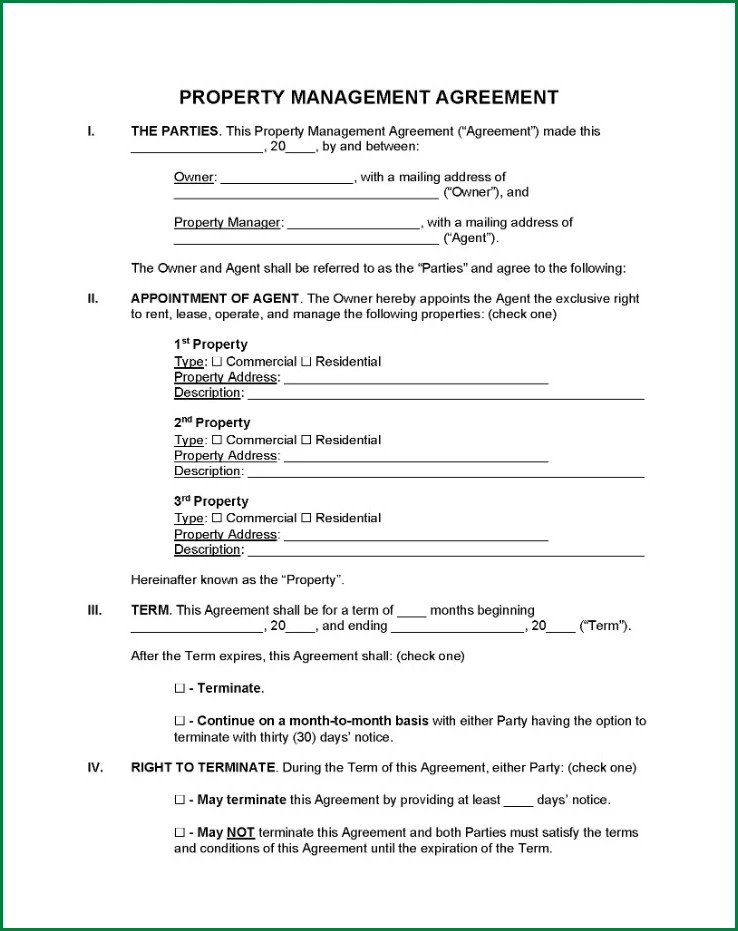
Tips for a Successful Property Management Agreement
Here are some tips to help you create a successful property management agreement:
- Communicate Clearly. Ensure that all terms and expectations are clearly communicated and understood by both parties.
- Be Flexible. Be open to negotiation and willing to make adjustments to the agreement to accommodate the needs of both parties.
- Regularly Review and Update. Periodically review and update the agreement to reflect any changes in services, fees, or responsibilities.
- Maintain Good Relationships. Foster a positive and professional relationship with the management company or manager to ensure a successful partnership.
- Seek Professional Advice. If you’re unsure about any aspect of the agreement, seek advice from legal counsel or a property management expert.
- Document Everything. Keep detailed records of all communications, agreements, and transactions related to the property management services.
In Conclusion
Property management agreements are crucial for establishing clear expectations and responsibilities between property owners and management companies or managers. By including key elements, creating a comprehensive agreement, and following best practices, you can ensure a successful and harmonious management relationship. Remember to communicate openly, be proactive in addressing any issues, and maintain a professional and collaborative approach throughout the term of the agreement. With a well-crafted property management agreement in place, you can protect your investment and streamline the management process for a stress-free experience.
Property Management Agreement Template – Word

- Printable Weekly Food Chart Template - September 18, 2026
- Free Printable Weekly Cleaning Chart Template - September 18, 2026
- Free Separation Agreement Template (Word) - September 18, 2026
