A birth certificate is an important legal record that documents a person’s birth and helps establish their identity. It typically records essential details such as the person’s name, date and place of birth, and parent information. Throughout life, this document may be needed for identity verification, school enrollment, passport applications, government services, and other official procedures.
Understanding how a birth certificate works can help individuals and families keep important records organized. Whether you need to register a birth, request a replacement, correct an error, or prepare documents for an official application, knowing the basic requirements can make the process easier.
In this guide, you will learn what a birth certificate is, why it matters, what information it contains, how to request a certified copy, and how to protect this important personal record.
What Is a Birth Certificate?
A birth certificate is an official record created by an authorized government agency or civil registration authority to document a person’s birth. The document generally establishes key facts about the birth, including the person’s identity, birth date, and birthplace.
The exact format and information shown on a birth certificate depend on the country, state, province, or local authority that issues it. Some jurisdictions provide a short-form certificate with essential details, while others offer a longer record containing additional information.
A birth certificate is different from a hospital birth announcement or a keepsake certificate. A hospital document may confirm that a birth occurred, but it may not serve as an official civil record. A decorative certificate is intended for personal use and does not replace a government-issued birth certificate.
Why Is a Birth Certificate Important?
A birth certificate can help establish identity and support access to a range of administrative and legal services. The specific requirements vary by jurisdiction and by the organization requesting the document.
1. Establishing Identity
A birth certificate provides an official record of important birth details. It may be used alongside other documents when verifying a person’s identity or confirming personal information.
2. Applying for a Passport
Many passport authorities require evidence of birth or citizenship as part of an application. Depending on the country and the applicant’s circumstances, a birth certificate may be one of the documents accepted for this purpose.
3. Enrolling in School
Schools and educational institutions may request a birth certificate or another accepted document to verify a student’s age, identity, or eligibility for enrollment.
4. Accessing Government Services
Birth records may be needed when applying for certain public benefits, registering for services, or completing government paperwork. The required evidence depends on the program and local rules.
5. Supporting Family and Legal Records
A birth certificate can help document parentage and family relationships. It may be requested for certain inheritance matters, family-related applications, or other legal procedures, depending on the circumstances.
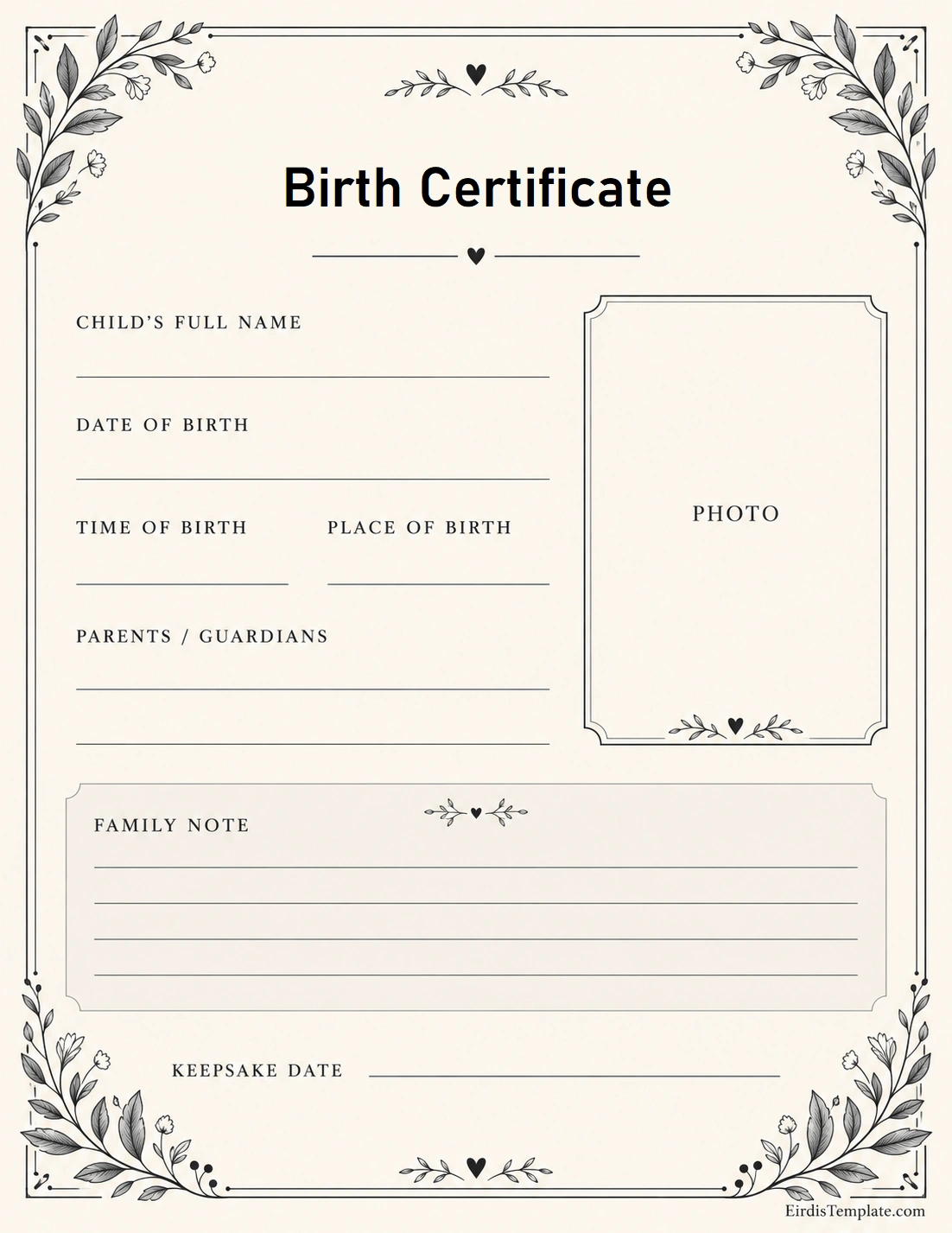
What Information Does a Birth Certificate Include?
Birth certificate formats vary, but official records commonly contain several important details. Some information may appear only on a full or long-form record.
Full Name
The document generally records the name registered at birth. If a person’s name changes later, the process for updating or linking that information to the birth record depends on local law.
Date and Place of Birth
The birth date and location help establish when and where the birth occurred. Depending on the jurisdiction, the location may include a city, district, hospital, county, or other administrative area.
Parent Information
Many birth certificates include the names of one or both parents. Additional details may be recorded in certain jurisdictions, subject to applicable registration rules and privacy requirements.
Registration Details
An official certificate may include a registration number, registration date, issuing authority, or other identifying information. These details help the issuing agency locate and verify the underlying record.
Certification or Security Features
Certified copies may contain an authorized seal, signature, security printing, or other features used to verify the document. The design and verification method differ by issuing authority.
Not every certificate contains a photograph. A blank photo box in a design preview should not be assumed to be a required feature of an official birth record.
How to Obtain a Birth Certificate
The process for obtaining a birth certificate depends on where the birth was registered and whether you are requesting an original registration, a certified copy, or a replacement. The following steps provide a general overview.
Step 1: Identify the Correct Registration Office
Start by identifying the civil registration office, vital records agency, or other government authority responsible for the birth record. In many cases, the relevant office is associated with the location where the birth was registered rather than the applicant’s current residence.
Step 2: Check Eligibility Requirements
Confirm who is permitted to request the record. Some authorities allow individuals to request their own certificates, while access to records belonging to another person may be limited by relationship, authorization, age, or privacy rules.
Step 3: Prepare the Required Information
You may need to provide details such as:
- The person’s full name as registered at birth.
- The date and place of birth.
- The names of the parents, if required.
- Information about the registration or issuing office, if known.
- Proof of identity and evidence of eligibility to request the record.
- Payment for any applicable processing or certification fee.
Requirements differ by jurisdiction, so check the issuing authority’s current instructions before submitting an application.
Step 4: Submit the Application
Depending on the authority, you may be able to apply online, by mail, or in person. Complete the official application carefully and provide the required supporting documents.
Use the official government website or an authorized service provider. Be cautious of unofficial websites that charge extra fees or imply that they can issue government records without proper authorization.
Step 5: Review the Issued Document
When you receive the certificate, check the recorded details for errors. If you notice incorrect information, contact the issuing authority to learn about its correction procedure.
How to Request a Replacement Birth Certificate
If an original birth certificate has been lost, damaged, or misplaced, you may be able to request a certified replacement or additional copy from the relevant registration authority.
Report Lost or Damaged Documents When Necessary
Follow local instructions if the document was stolen or if reporting the loss is required. Keep copies of any reference numbers or correspondence related to the incident.
Use the Official Replacement Process
Check the issuing authority’s requirements for identity verification, eligibility, fees, and delivery options. Avoid sending sensitive personal information to unverified websites or individuals.
Allow Time for Processing
Processing times vary according to the agency, application method, record age, and whether additional verification is needed. Apply early if the certificate is required for a passport, school registration, travel, or another deadline.
How to Correct an Error on a Birth Certificate
Errors may involve spelling, dates, parent information, or other registered details. The appropriate correction procedure depends on the type of error and the laws governing the original record.
Identify the Incorrect Information
Compare the certificate with reliable supporting records and note exactly what needs to be corrected. Do not alter an official certificate yourself.
Gather Supporting Evidence
The issuing authority may request supporting documents, such as hospital records, identity documents, parent records, or other evidence relevant to the requested correction.
Follow the Official Amendment Procedure
Submit the required application and supporting evidence to the appropriate office. Some changes can be handled administratively, while others may require additional review or a legal process.
How to Keep a Birth Certificate Safe
Because a birth certificate contains sensitive personal information, it is important to store it securely and share it only when necessary.
- Use secure storage: Keep the original document in a dry, protected location, such as a secure document folder or lockable cabinet.
- Limit unnecessary sharing: Provide the certificate only to organizations or individuals with a legitimate reason to request it.
- Protect digital copies: Store scans in a secure, access-controlled location rather than a public folder.
- Check recipient requirements: Confirm whether an original, certified copy, or another form of evidence is required before sending documents.
- Keep a record of applications: Save confirmation numbers and correspondence when requesting a copy or correction.
- Avoid unauthorized alterations: Contact the issuing authority if information needs to be changed.
Birth Certificate vs. Birth Certificate Template
An official birth certificate and a printable birth certificate template serve very different purposes.
- Official birth certificate: A government-issued or authorized civil record used to document a registered birth.
- Birth certificate template: A sample layout or design that illustrates how birth-related information might be arranged.
- Birth keepsake certificate: A decorative personal document used to commemorate a birth, usually without official legal status.
- Hospital birth record: A record created by a healthcare facility that may support birth registration but may not replace the official civil certificate.
A template cannot create, replace, or certify an official birth record. If you need a document for a legal, educational, immigration, passport, or government application, obtain the appropriate record from the authorized issuing authority.
Frequently Asked Questions About Birth Certificates
What is the main purpose of a birth certificate?
A birth certificate officially documents key facts about a person’s birth, including identity, date, and place of birth. It may be used to support applications for identity documents, education, government services, and other procedures.
Can I use a birth certificate template as an official document?
No. A printable template or decorative sample is not a government-issued birth certificate. For official purposes, request a valid record from the authorized civil registration or vital records agency.
How can I get a copy of my birth certificate?
Contact the government office responsible for the birth registration and follow its process for requesting a certified copy. You may need to provide identifying information, proof of eligibility, supporting documents, and a fee.
What should I do if my birth certificate contains an error?
Contact the issuing authority and ask about its official correction procedure. You may need to submit supporting documents. Do not change or overwrite information on the original certificate yourself.
Does a birth certificate prove citizenship?
A birth certificate may serve as evidence of birth and, in some circumstances, citizenship. However, citizenship rules vary by country and may depend on factors such as place of birth, parentage, and applicable law. Check the requirements of the relevant authority.
Is a birth certificate the same as a hospital birth record?
No. A hospital birth record documents information recorded by a healthcare facility, while a birth certificate is generally issued through an authorized civil registration system. A hospital record may be used during registration but may not be accepted as a substitute for an official certificate.
How should I store a birth certificate?
Keep the original in a secure, dry location and protect digital copies with appropriate access controls. Share the document only when necessary and confirm whether the recipient needs an original or a certified copy.
Conclusion
A birth certificate is an important personal record that documents essential facts about a person’s birth and may support many administrative and legal processes. Understanding its purpose, the information it contains, and the procedures for obtaining or correcting a record can help individuals and families manage their documents more effectively.
If you need a certified birth certificate, use the official process provided by the relevant registration authority. A printable template or decorative design can be useful as a visual reference or personal keepsake, but it cannot replace an official record.
Keep birth records secure, verify requirements before submitting them, and contact the issuing authority whenever you need a replacement or correction. These steps can help protect important personal information and ensure you have the appropriate documentation when it is needed.
Download: Birth Certificate Template

- Free Printable Blank Check Template - October 9, 2026
- Birth Certificate Template - October 9, 2026
- Free Customizable Biography Template - October 9, 2026
