In the fast-paced world of business, staying on top of your sales performance is crucial. Weekly sales reports provide valuable insights into your company’s revenue, trends, and areas for improvement. By analyzing this data regularly, you can make informed decisions to drive growth and increase profits.
In this comprehensive guide, we will delve into the what, why, key elements, how to, and tips for creating and utilizing weekly sales reports effectively.
What is a Weekly Sales Report?
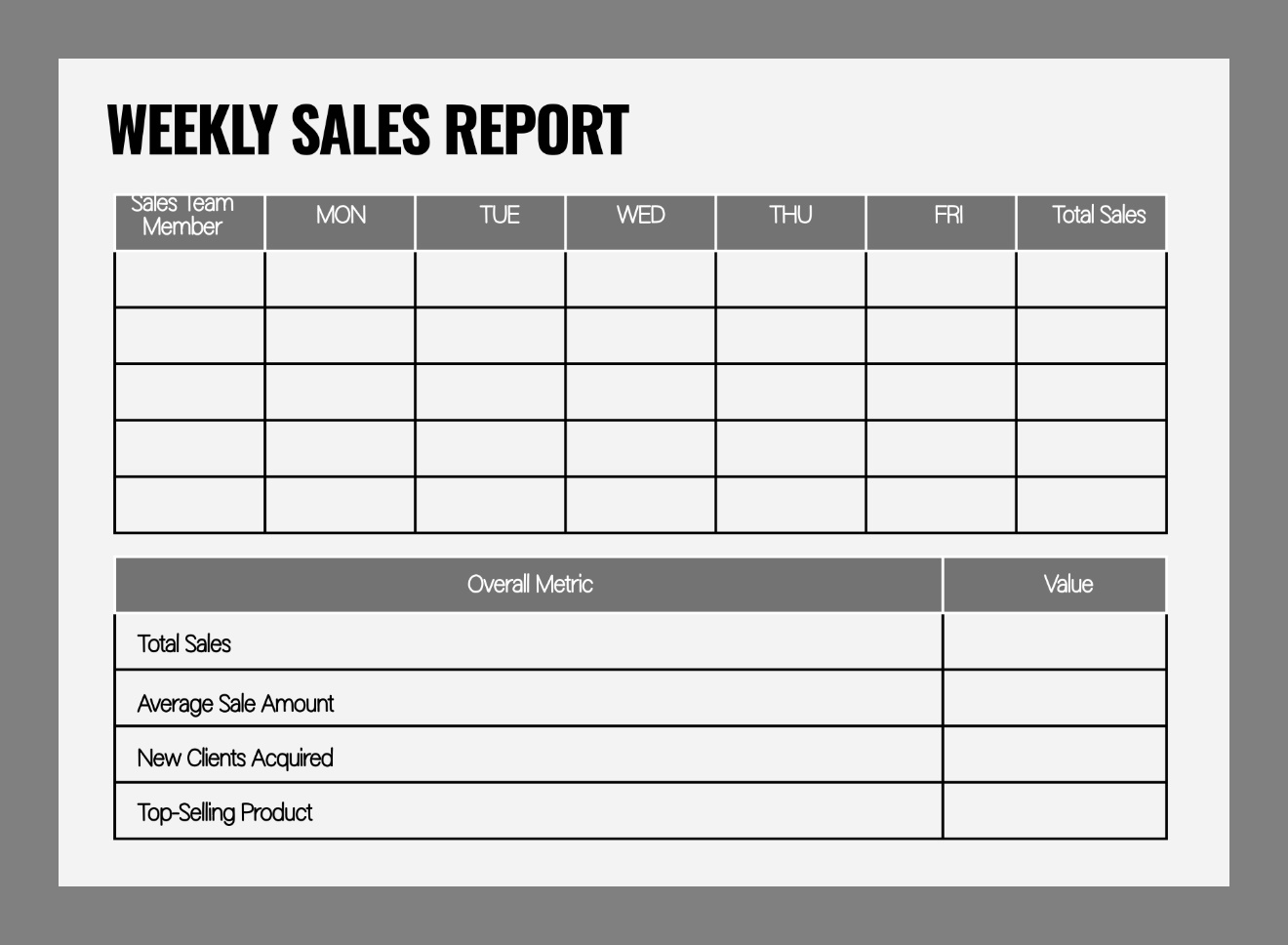
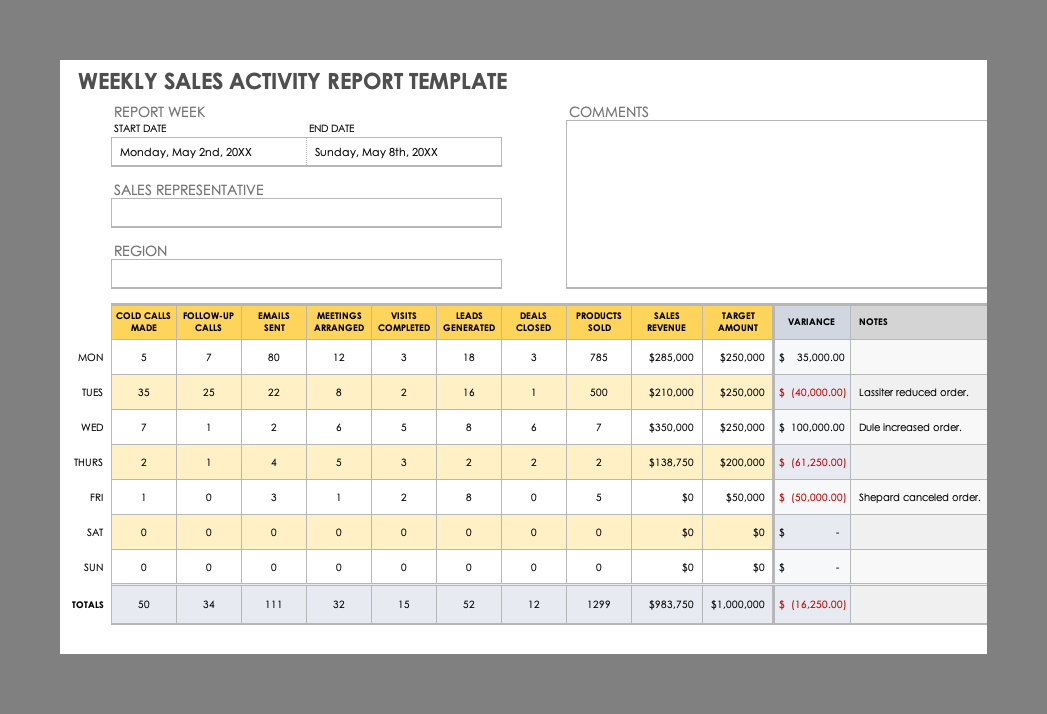
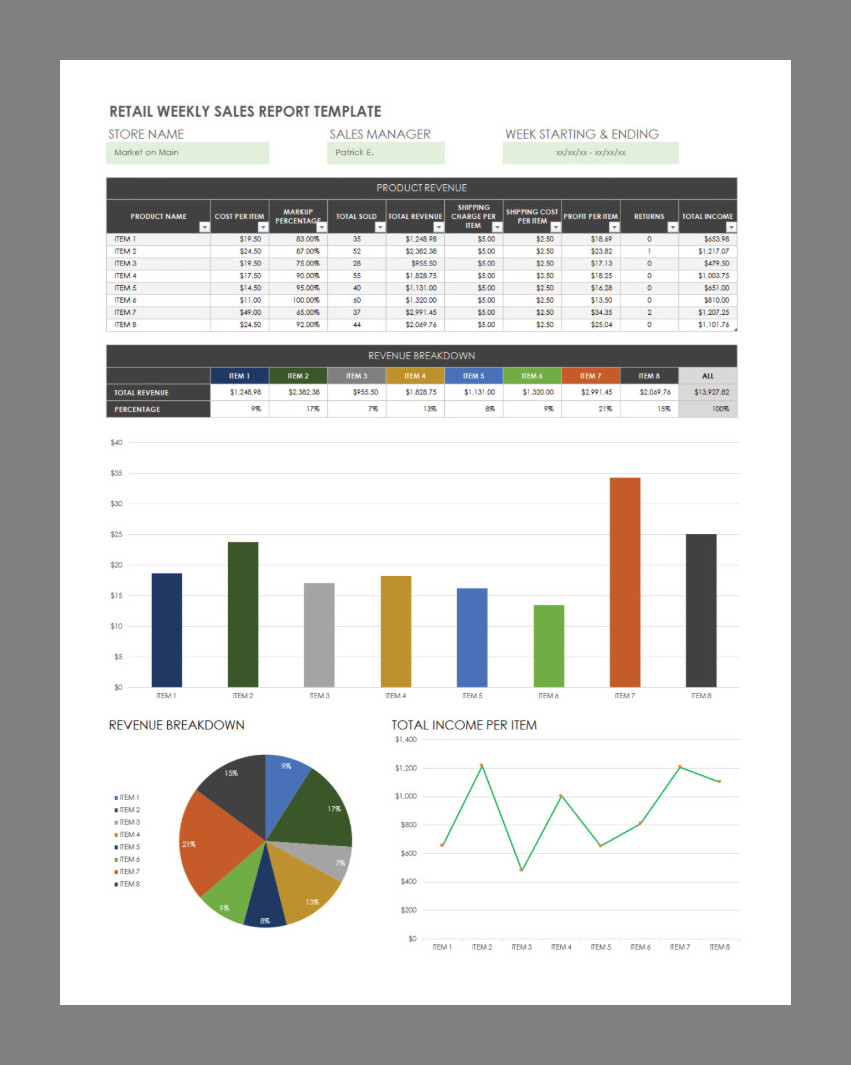
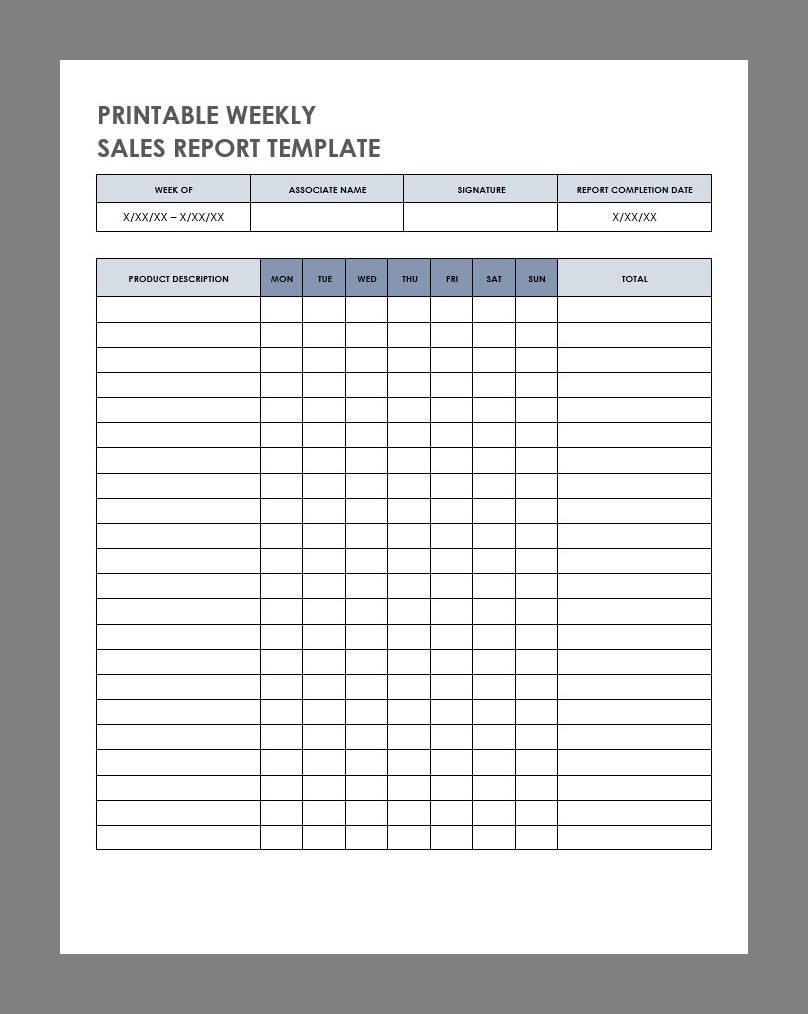
A weekly sales report is a document that summarizes your company’s sales activities and performance over a specific week. It typically includes data such as total sales revenue, number of units sold, average order value, and sales trends. This report provides a snapshot of your sales performance, allowing you to track progress, identify patterns, and make strategic decisions to improve sales outcomes.
Creating a weekly sales report may seem like a daunting task, but with the right tools and techniques, it can become a valuable asset for your business. Let’s explore the importance of weekly sales reports and how they can benefit your organization.
Why are Weekly Sales Reports Important?
Weekly sales reports play a crucial role in helping businesses monitor their sales performance and identify opportunities for growth. Here are some key reasons why weekly sales reports are important:
– Track Progress: By reviewing weekly sales data, you can track your progress towards your sales goals and objectives.
– Identify Trends: Weekly sales reports help you identify sales trends and patterns, allowing you to adjust your strategies accordingly.
– Spot Opportunities: By analyzing your weekly sales data, you can identify new sales opportunities and potential areas for improvement.
– Improve Decision-Making: Weekly sales reports provide valuable insights that can inform your decision-making process and help you make informed choices to drive business growth.
Overall, weekly sales reports are essential for businesses looking to optimize their sales performance, maximize revenue, and stay ahead of the competition.
Key Elements of a Weekly Sales Report
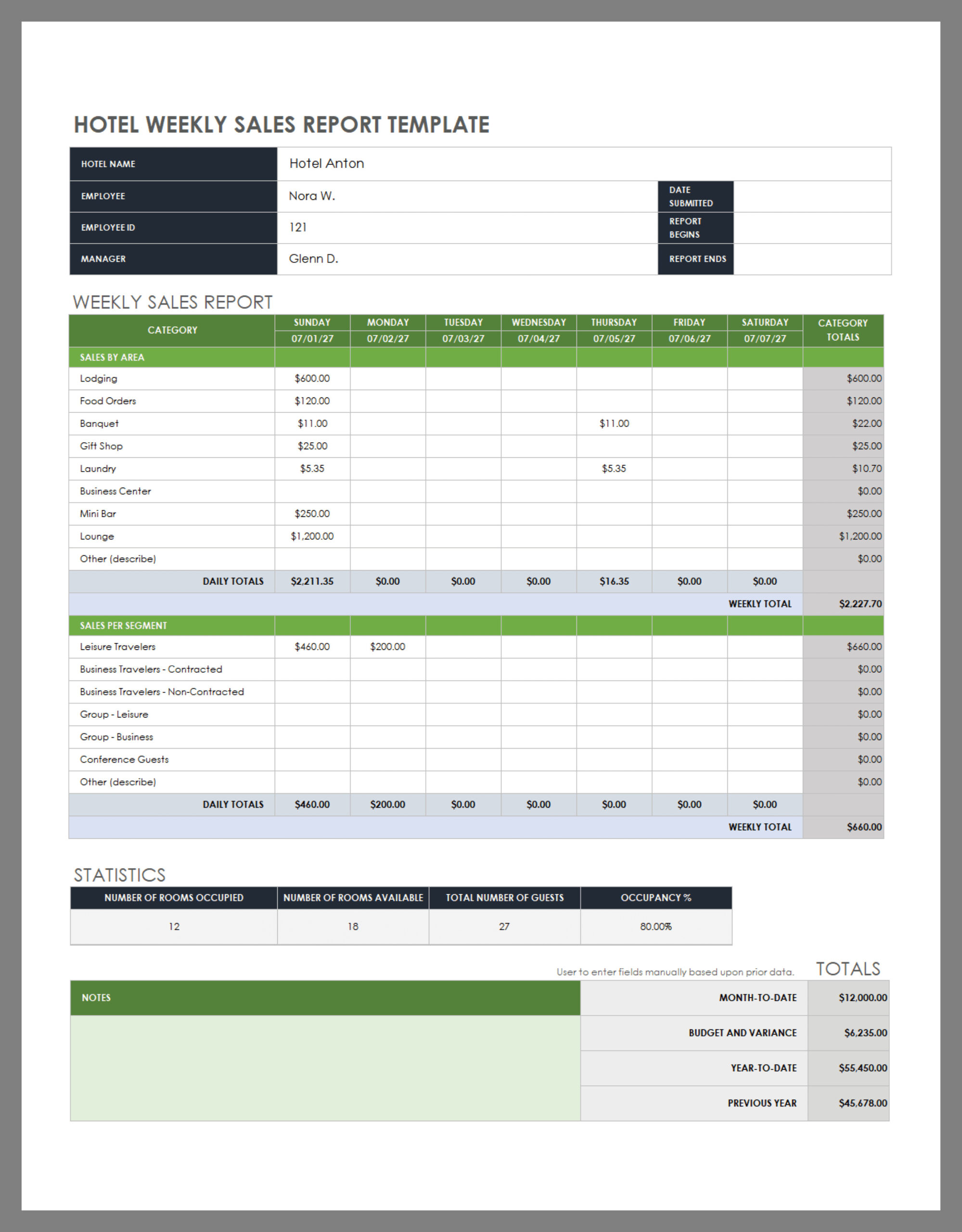
When creating a weekly sales report, it’s important to include key elements that provide a comprehensive overview of your sales performance. Here are the essential components of a weekly sales report:
– Total Sales Revenue: The total amount of revenue generated from sales during the week.
– Number of Units Sold: The total number of units or products sold during the week.
– Average Order Value: The average value of each sales transaction during the week.
– Sales Trends: Analysis of sales trends, including comparisons to previous weeks or months.
– Top Performing Products: Identification of the best-selling products or services during the week.
– Sales Goals Progress: Tracking progress towards your sales goals and objectives.
– Key Performance Indicators (KPIs): Metrics that measure the effectiveness of your sales efforts, such as conversion rates, customer acquisition costs, and customer retention rates.
By including these key elements in your weekly sales report, you can gain valuable insights into your sales performance and make data-driven decisions to improve your bottom line.
Examples
How to Create a Weekly Sales Report
Creating a weekly sales report may seem overwhelming at first, but with a structured approach and the right tools, you can streamline the process and generate valuable insights for your business. Here are some steps to help you create an effective weekly sales report:
1. Gather Data: Collect sales data from your CRM system, POS system, or other sales tracking tools.
2. Choose Key Metrics: Identify the key metrics you want to track in your weekly sales report, such as total revenue, units sold, and average order value.
3. Create a Template: Design a template for your weekly sales report that includes the essential elements mentioned earlier.
4. Analyze Data: Analyze the sales data to identify trends, patterns, and areas for improvement.
5. Generate Insights: Use the data from your weekly sales report to generate actionable insights and make informed decisions.
6. Share with Stakeholders: Share the weekly sales report with key stakeholders, such as sales teams, managers, and executives, to keep them informed and aligned with your sales goals.
By following these steps, you can create a comprehensive weekly sales report that provides valuable insights into your sales performance and helps you drive business growth.
Tips for Maximizing the Value of Weekly Sales Reports
To get the most out of your weekly sales reports, consider the following tips:
– Set Clear Objectives: Define clear goals and objectives for your weekly sales reports to focus your analysis and decision-making.
– Be Consistent: Generate your weekly sales report on the same day each week to establish a routine and track progress consistently.
– Use Visualizations: Incorporate charts, graphs, and visualizations in your weekly sales report to make the data more digestible and engaging.
– Seek Feedback: Gather feedback from stakeholders on your weekly sales reports to improve their relevance and usefulness.
– Iterate and Improve: Continuously refine and improve your weekly sales reports based on feedback and evolving business needs.
By implementing these tips, you can enhance the value of your weekly sales reports and leverage them as a powerful tool for driving sales growth and success in your business.
In conclusion, weekly sales reports are essential for businesses looking to monitor their sales performance, track progress, and make informed decisions to drive growth. By understanding the what, why, key elements, how to, and tips for creating and utilizing weekly sales reports effectively, you can harness the power of data to optimize your sales strategies and achieve your business objectives.
Weekly Sales Report Template – Download

- Cash Flow Statement Template - October 15, 2026
- Cash Flow Forecast Template - October 15, 2026
- Free Printable Caregiver Schedule Template - October 15, 2026
