Performance improvement plans, often referred to as PIPs, are tools used by companies to help employees who are not meeting performance expectations. While they are sometimes seen as a negative measure, PIPs can actually be a positive way to address performance issues and provide employees with an opportunity to improve.
What is a Performance Improvement Plan?
A performance improvement plan is a structured document that outlines specific goals and expectations for an employee who is not meeting performance standards. It is essentially a roadmap for improvement, providing clear guidelines and timelines for the employee to follow. The purpose of a PIP is to help the employee identify areas of weakness, set achievable goals, and ultimately improve their performance.
Why are Performance Improvement Plans Important?
Performance improvement plans are important for several reasons. First and foremost, they provide a structured approach to addressing performance issues. By clearly outlining expectations and goals, PIPs help both the employee and the employer understand what needs to be done to improve performance. Additionally, PIPs can help prevent termination by giving employees a chance to make positive changes and demonstrate their commitment to their job.
What to Include in a Performance Improvement Plan
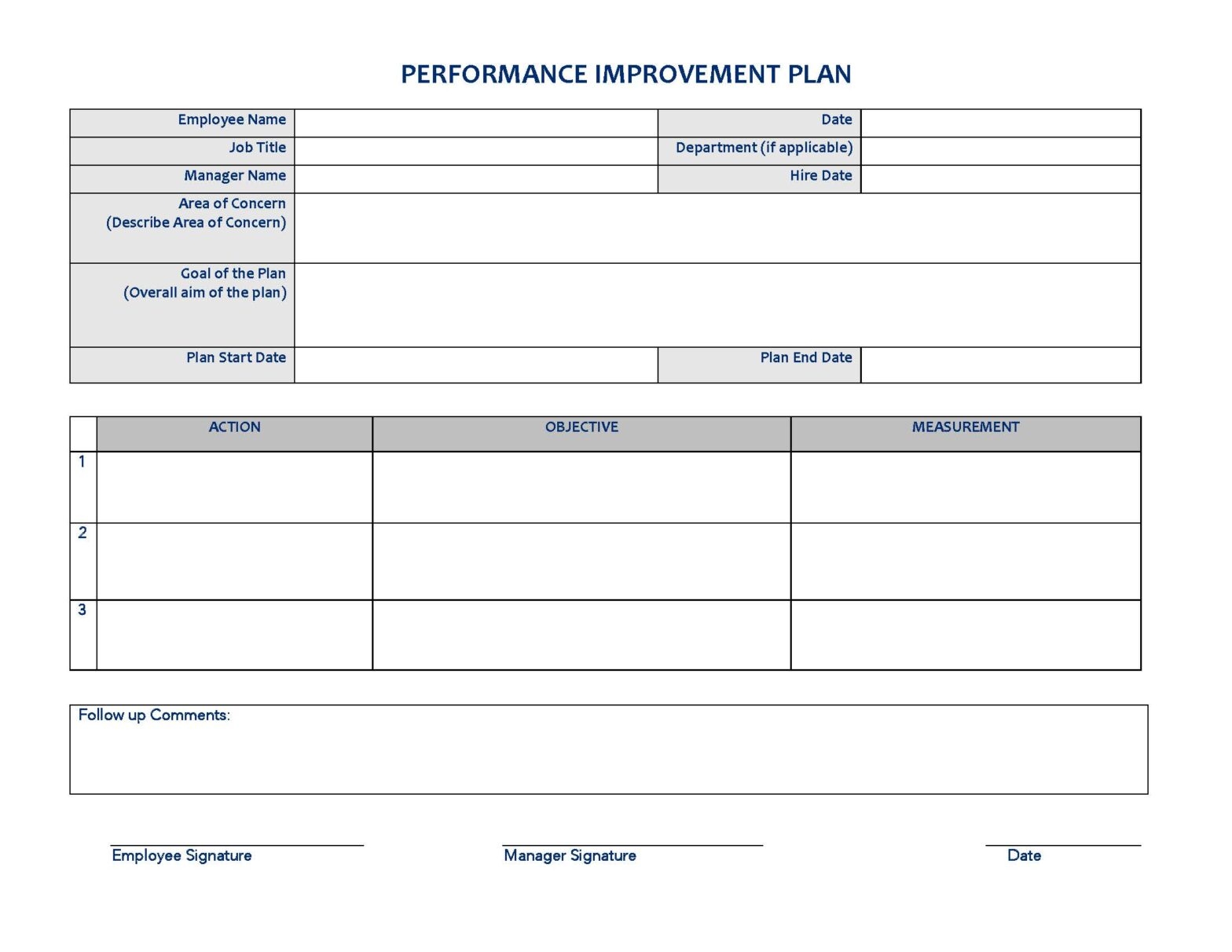
When creating a performance improvement plan, several key components should be included:
- Specific goals and objectives: Clearly define what the employee needs to achieve to improve their performance.
- Timeline: Set deadlines for achieving goals and completing tasks.
- Support and resources: Outline what support and resources will be provided to help the employee succeed.
- Regular check-ins: Schedule regular meetings to discuss progress and address any issues that may arise.
- Consequences: Clearly explain what will happen if the employee does not meet the goals outlined in the PIP.
How to Implement a Performance Improvement Plan
Implementing a performance improvement plan requires careful planning and communication. Here are some tips to help you effectively implement a PIP:
- Communicate clearly: Clearly explain the reasons for the PIP and what is expected of the employee.
- Provide support: Offer guidance, resources, and training to help the employee succeed.
- Monitor progress: Regularly check in with the employee to track progress and offer feedback.
- Be flexible: Be willing to adjust the plan as needed based on the employee’s progress and feedback.
Benefits of Performance Improvement Plans
While performance improvement plans are often viewed as a last resort, they can actually have several benefits for both employees and employers. For employees, PIPs provide a clear path to improvement and help them develop new skills and abilities. For employers, PIPs can help retain valuable employees, improve overall performance, and create a culture of continuous improvement.
Conclusion
Performance improvement plans are a valuable tool for addressing performance issues and helping employees reach their full potential. By implementing a PIP effectively, employers can support their employees in making positive changes and ultimately improve the overall performance of their organization.
Performance Improvement Plan Template

- Free Printable T-Chart Template - September 12, 2026
- Free Printable Wanted Poster Template - September 12, 2026
- Surprise Party Invitation Template - September 12, 2026
