When it comes to renting a property, a rental agreement is a crucial document that outlines the terms and conditions of the rental arrangement between the landlord and the tenant. Understanding the rental agreement is essential for both parties to ensure a smooth and hassle-free rental experience.
In this comprehensive guide, we will delve into what a rental agreement is, why it is important, what to include in a rental agreement, how to create one, and provide some tips for both landlords and tenants.
What is a Rental Agreement?
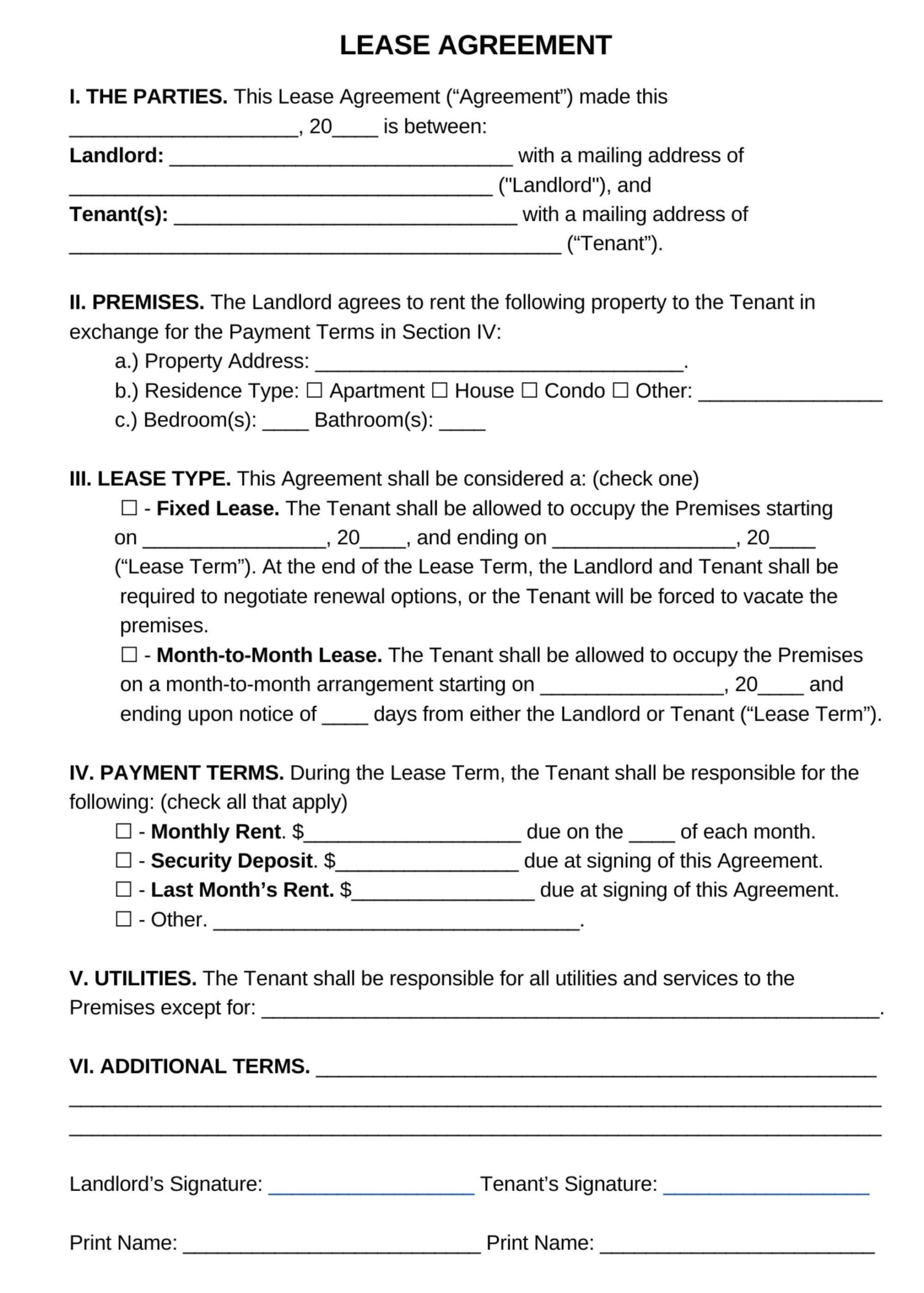
A rental agreement, also known as a lease agreement, is a legal contract between a landlord and a tenant that details the terms and conditions of renting a property. It specifies important information such as the duration of the lease, the monthly rent amount, security deposit requirements, pet policies, maintenance responsibilities, and other rules and regulations that both parties must adhere to during the tenancy.
Why is a Rental Agreement Important?
A rental agreement is essential for both landlords and tenants as it serves as a binding agreement that protects the rights and interests of both parties. For landlords, a rental agreement helps establish clear guidelines for the tenancy, sets expectations for rent payments and property maintenance, and provides legal recourse in case of any disputes or violations. For tenants, a rental agreement outlines their rights and responsibilities, ensures they have a safe and habitable living environment, and provides a sense of security during the tenancy.
What to Include in a Rental Agreement
When creating a rental agreement, there are several key elements that should be included to ensure clarity and transparency for both parties. Some important items to include in a rental agreement are:
- Names of the Parties: Include the full legal names of both the landlord and tenant.
- Property Details: Provide a detailed description of the rental property, including the address and any specific amenities or features.
- Term of the Lease: Specify the duration of the lease, whether it is a month-to-month agreement or a fixed-term lease.
- Rent Amount and Payment Terms: Clearly state the monthly rent amount, due date, late fees, and accepted payment methods.
- Security Deposit: Outline the amount of the security deposit, how it will be held, and the conditions for its return.
- Utility Responsibilities: Clarify which utilities are included in the rent and which are the responsibility of the tenant.
- Rules and Regulations: Include any specific rules regarding pets, smoking, noise levels, maintenance responsibilities, and other important policies.
How to Create a Rental Agreement
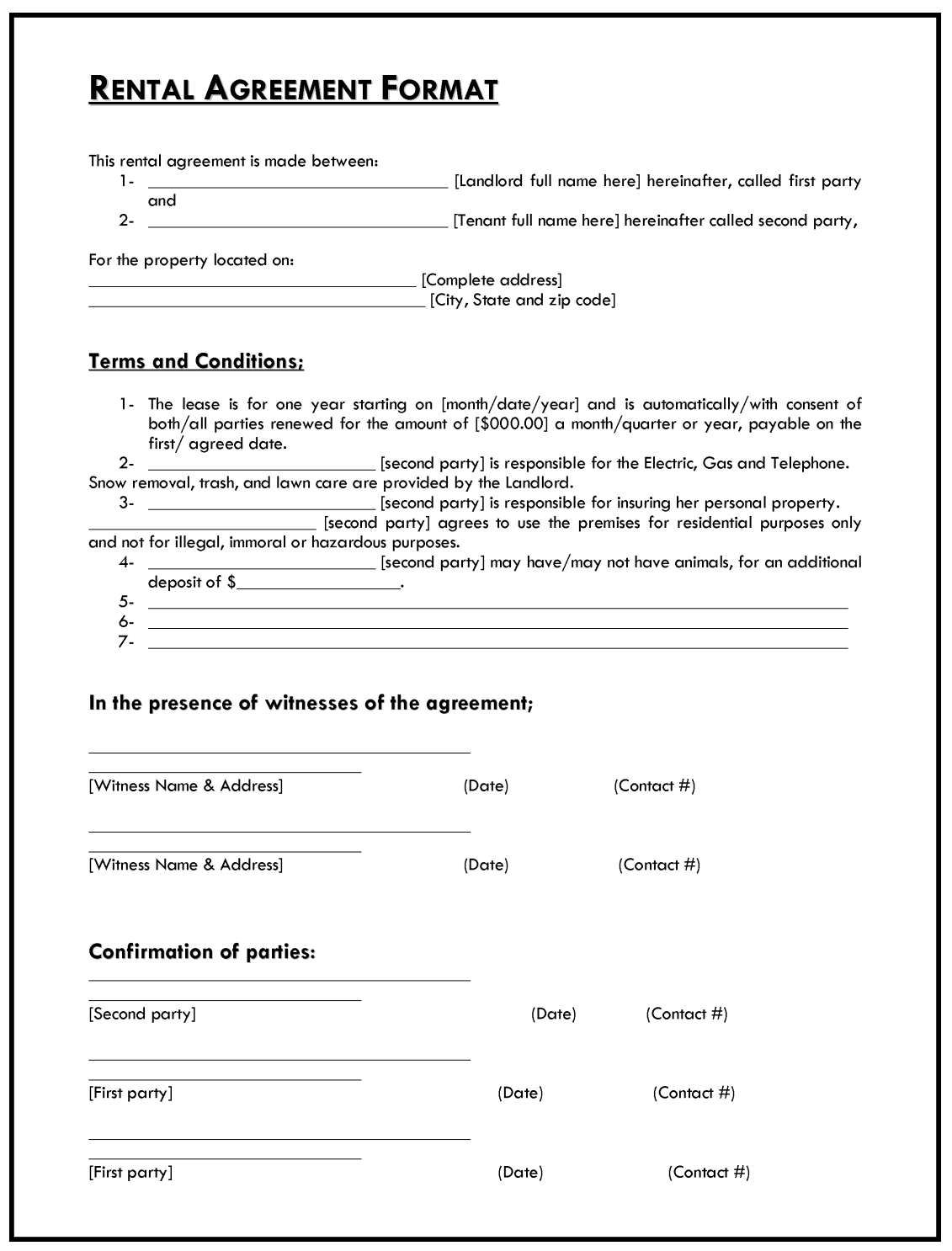
Creating a rental agreement can be done in several ways, including using templates available online or hiring a legal professional to draft a customized agreement. Here are some steps to follow when creating a rental agreement:
1. Gather Information:
Collect all the necessary information about the rental property, the landlord, and the tenant to include in the agreement.
2. Use a Template:
Utilize a rental agreement template to ensure all the essential elements are included in the document.
3. Customize the Agreement:
Make any necessary modifications to the template to reflect the specific terms and conditions of the rental arrangement.
4. Review and Revise:
Thoroughly review the rental agreement with both parties to ensure understanding and make any revisions as needed.
5. Sign the Agreement:
Have both the landlord and tenant sign the rental agreement to make it legally binding and enforceable.
Tips for Landlords and Tenants
Whether you are a landlord or a tenant, here are some helpful tips to keep in mind when dealing with rental agreements:
- Communicate Openly: Maintain open and clear communication with your landlord or tenant to address any issues or concerns promptly.
- Read Carefully: Thoroughly read and understand all the terms and conditions of the rental agreement before signing.
- Document Everything: Keep a record of all communications, payments, and maintenance requests to protect yourself in case of disputes.
- Follow the Rules: Adhere to the rules and regulations outlined in the rental agreement to avoid any potential conflicts.
- Seek Legal Advice: If you encounter any legal issues or disputes related to the rental agreement, seek guidance from a legal professional.
In Conclusion
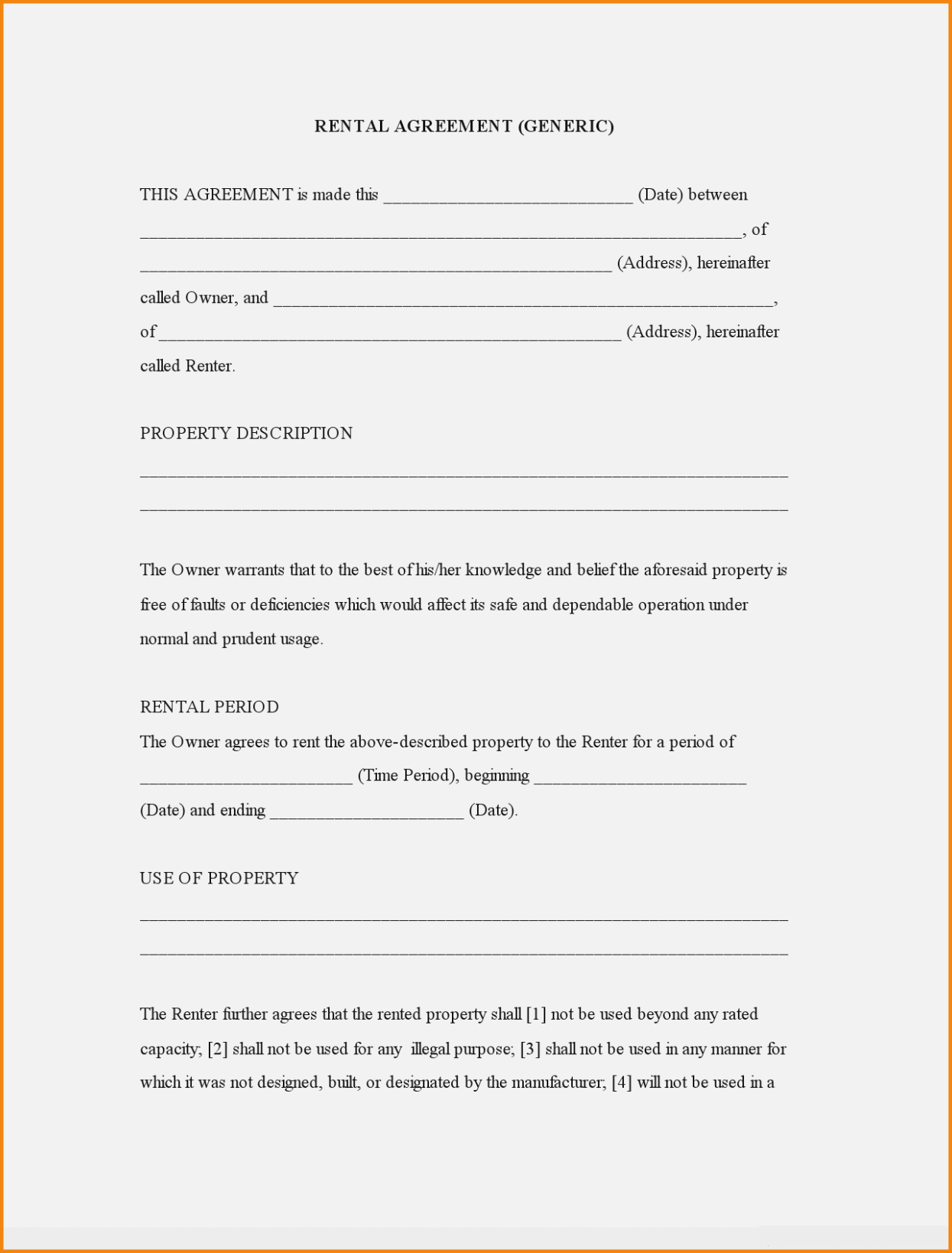
A rental agreement is a vital document that establishes the terms and conditions of a rental arrangement between a landlord and a tenant. By understanding what a rental agreement is, why it is important, what to include in it, how to create one, and following some essential tips, both landlords and tenants can ensure a smooth and successful tenancy experience. Remember to always prioritize communication, transparency, and adherence to the terms of the rental agreement for a positive renting experience.

- Printable Weekly Food Chart Template - September 18, 2026
- Free Printable Weekly Cleaning Chart Template - September 18, 2026
- Free Separation Agreement Template (Word) - September 18, 2026
