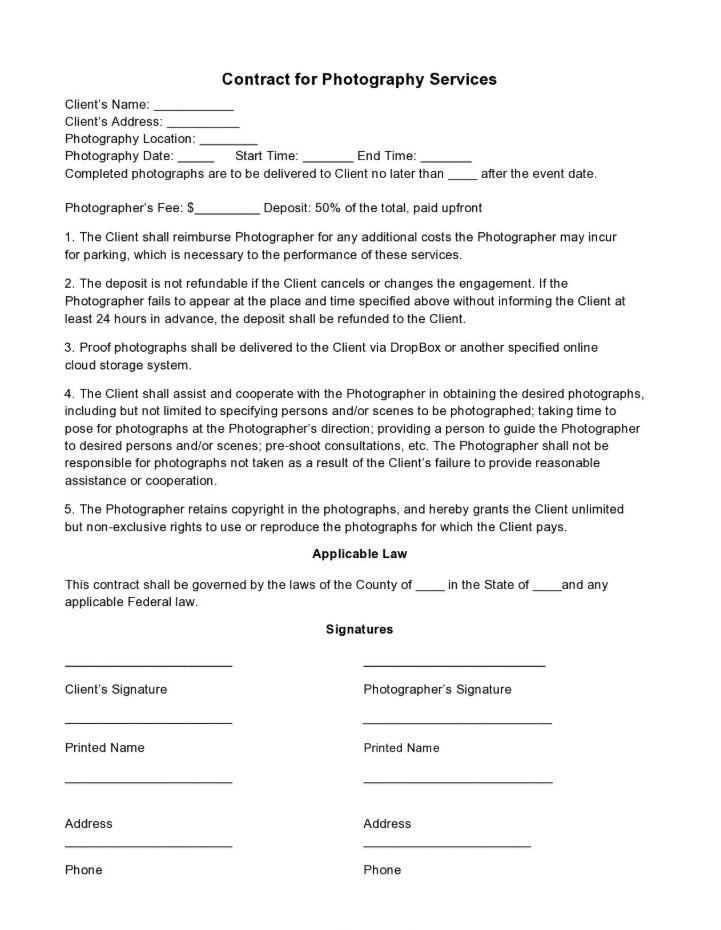
When it comes to professional photography, having a photography agreement in place is crucial. This document lays out the terms and conditions of the relationship between the photographer and the client, ensuring that both parties are on the same page. Whether you are a seasoned photographer or just starting, understanding the ins and outs of a photography agreement is essential. In this guide, we will delve into what a photography agreement is, why it is important, what to include in the agreement, how to create one, and some valuable tips to consider.
What is a Photography Agreement?
A photography agreement, also known as a photography contract or a photo shoot agreement, is a legal document that outlines the terms and conditions of a photography session or project. It serves as a written agreement between the photographer and the client, detailing important aspects such as the scope of work, payment terms, usage rights, and other key provisions. This document helps protect both parties by clearly defining their rights and responsibilities, ultimately helping to prevent misunderstandings or disputes down the line.
Why is a Photography Agreement Important?
Having a photography agreement in place is crucial for several reasons:
- Legal Protection: A photography agreement provides legal protection for both the photographer and the client, outlining their rights and obligations in a clear and concise manner.
- Clear Expectations: By setting out the terms of the agreement in writing, both parties have a clear understanding of what is expected from each other, reducing the chances of miscommunication.
- Payment Terms: The agreement specifies the payment terms, including the total cost, deposit amount, and payment schedule, ensuring that both parties are in agreement on financial matters.
- Usage Rights: It defines the rights to use the photos, whether it’s for personal use, commercial use, or restricted use, protecting the photographer’s intellectual property rights.
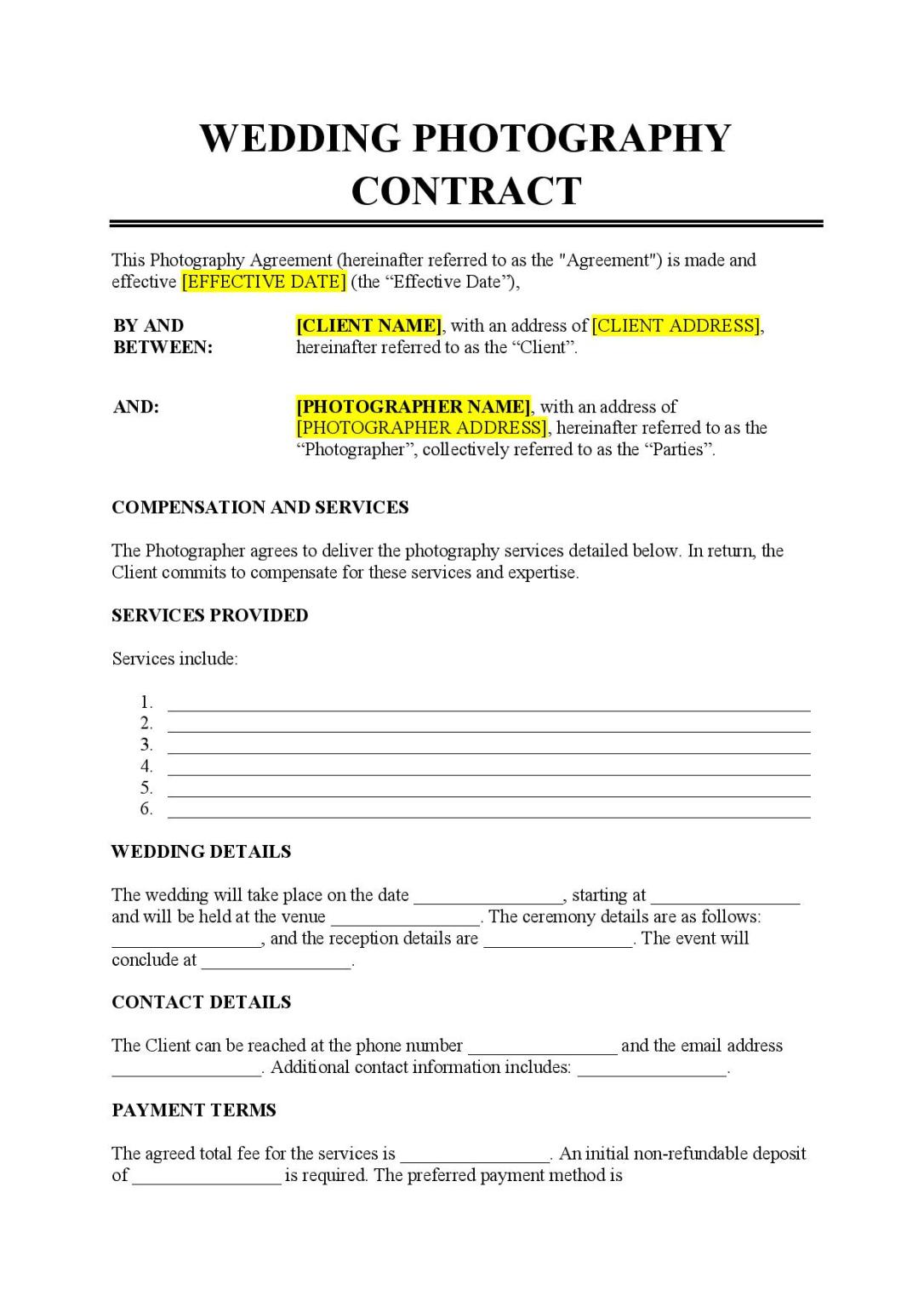
What to Include in a Photography Agreement
When creating a photography agreement, there are several key elements that should be included:
- Names and Contact Information: Include the full names and contact information of both the photographer and the client.
- Scope of Work: Outline the details of the photography session or project, including the date, time, location, and specific services to be provided.
- Payment Terms: Specify the total cost, deposit amount, payment schedule, and any additional fees or expenses.
- Usage Rights: Define the usage rights of the photos, including whether they can be used for personal or commercial purposes.
- Cancellation Policy: Include a clause outlining the procedures for cancelling or rescheduling the photography session.
- Delivery Timeline: Specify the timeline for delivering the final photos to the client.
How to Create a Photography Agreement
Creating a photography agreement can be a straightforward process if you follow these steps:
1. Identify the Parties Involved
Start by clearly identifying the names and contact information of both the photographer and the client.
2. Define the Scope of Work
Outline the details of the photography session or project, including the date, time, location, and specific services to be provided.
3. Specify Payment Terms
Clearly state the total cost, deposit amount, payment schedule, and any additional fees or expenses.
4. Define Usage Rights
Detail the rights to use the photos, including whether they can be used for personal or commercial purposes.
5. Include a Cancellation Policy
Outline the procedures for cancelling or rescheduling the photography session.
6. Set a Delivery Timeline
Specify the timeline for delivering the final photos to the client.
7. Consult with Legal Counsel
If you are unsure about any aspect of the agreement, it is advisable to consult with a legal professional to ensure that your rights are protected.
Tips for Creating a Photography Agreement
Here are some valuable tips to consider when creating a photography agreement:
- Be Clear and Specific: Use clear language and avoid ambiguity to ensure that both parties fully understand the terms of the agreement.
- Include Important Details: Make sure to include all relevant details such as the scope of work, payment terms, and usage rights to avoid any misunderstandings.
- Review the Agreement: Review the agreement with the client before the photography session to ensure that both parties are in agreement on all terms.
- Keep a Copy: It is important to keep a signed copy of the agreement on file for future reference in case any issues arise.
- Update as Needed: As your photography business evolves, make sure to update the agreement to reflect any changes in your services or pricing.
- Seek Professional Help: If you are unsure about any aspect of the agreement, do not hesitate to seek advice from a legal professional to ensure that your rights are protected.
In Conclusion
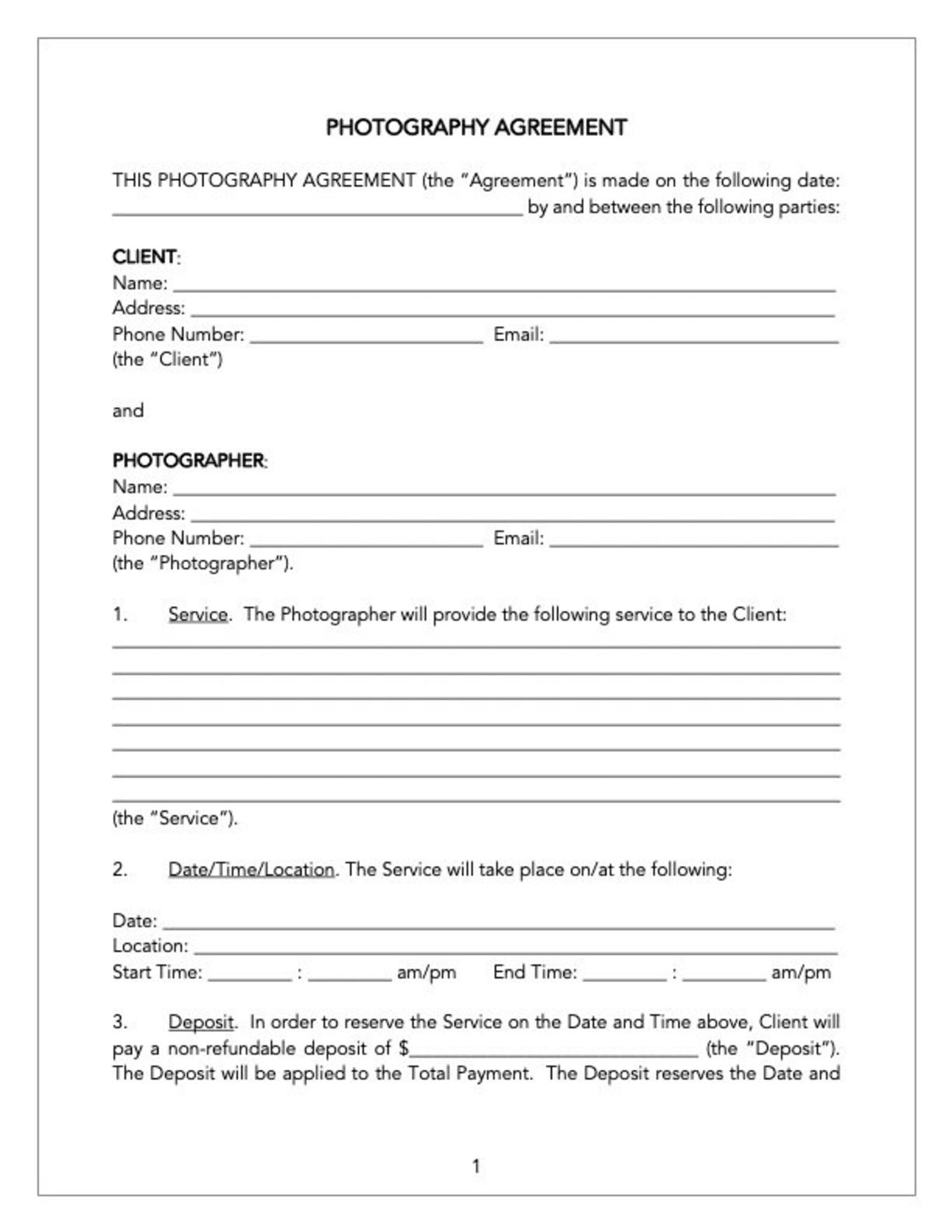
A photography agreement is an essential document that helps protect both photographers and clients by clearly outlining the terms and conditions of their relationship. By including key elements such as names, scope of work, payment terms, and usage rights, you can create a comprehensive agreement that sets clear expectations and prevents misunderstandings. Remember to review the agreement with the client before the photography session and keep a signed copy on file for future reference. By following these tips and best practices, you can create a photography agreement that safeguards your interests and ensures a successful collaboration with your clients.
Photography Agreement Template

- Printable Weekly Food Chart Template - September 18, 2026
- Free Printable Weekly Cleaning Chart Template - September 18, 2026
- Free Separation Agreement Template (Word) - September 18, 2026
