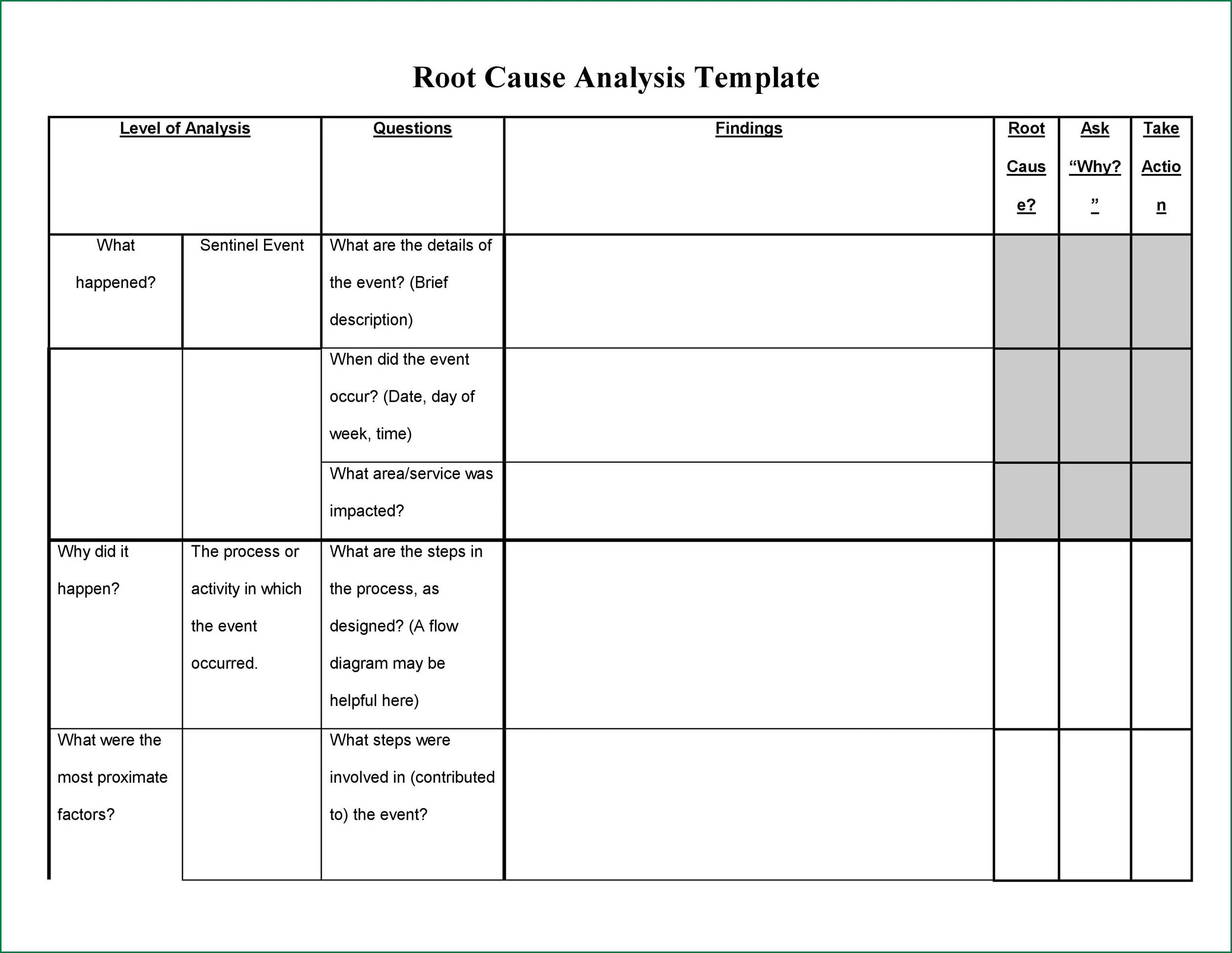
Root cause analysis is a systematic process used to identify the underlying causes of issues or incidents within a business, organization, or project. By delving deep into the factors that contribute to a problem, root cause analysis helps to prevent recurrence and improve overall performance.
In this article, we will explore the what, why, and how of root cause analysis, as well as provide tips on how to effectively conduct this valuable process.
What is Root Cause Analysis?
Root cause analysis is a methodical approach to problem-solving that aims to uncover the fundamental reasons behind an issue. Instead of just addressing the surface symptoms, root cause analysis seeks to identify the underlying factors that lead to the problem in the first place. By understanding the root causes, organizations can implement effective solutions that address the core issues and prevent future occurrences.
Why is Root Cause Analysis Important?
Root cause analysis is essential for organizations looking to improve their processes, enhance quality, and drive continuous improvement. By identifying and addressing the root causes of problems, businesses can avoid costly mistakes, reduce downtime, and enhance customer satisfaction. Additionally, root cause analysis helps to foster a culture of accountability and learning within an organization, as team members are encouraged to take ownership of issues and work collaboratively to find solutions.
What to Include in Root Cause Analysis?
When conducting a root cause analysis, it is important to gather as much information as possible about the problem at hand. This may involve collecting data, conducting interviews, and reviewing relevant documentation. Once the information is gathered, it is essential to analyze the data systematically and identify potential root causes. Finally, solutions should be developed and implemented to address the underlying issues.
How to Conduct Root Cause Analysis?
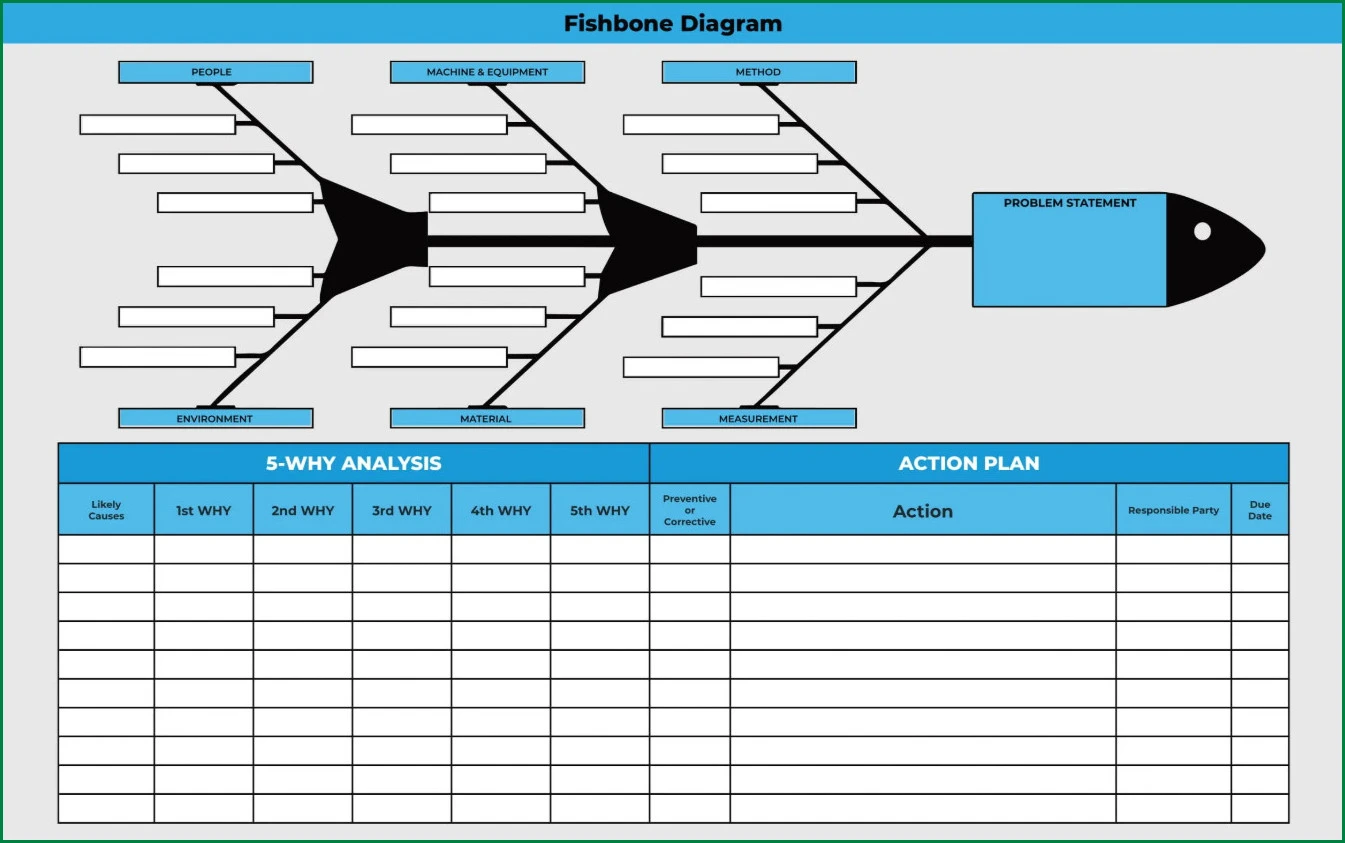
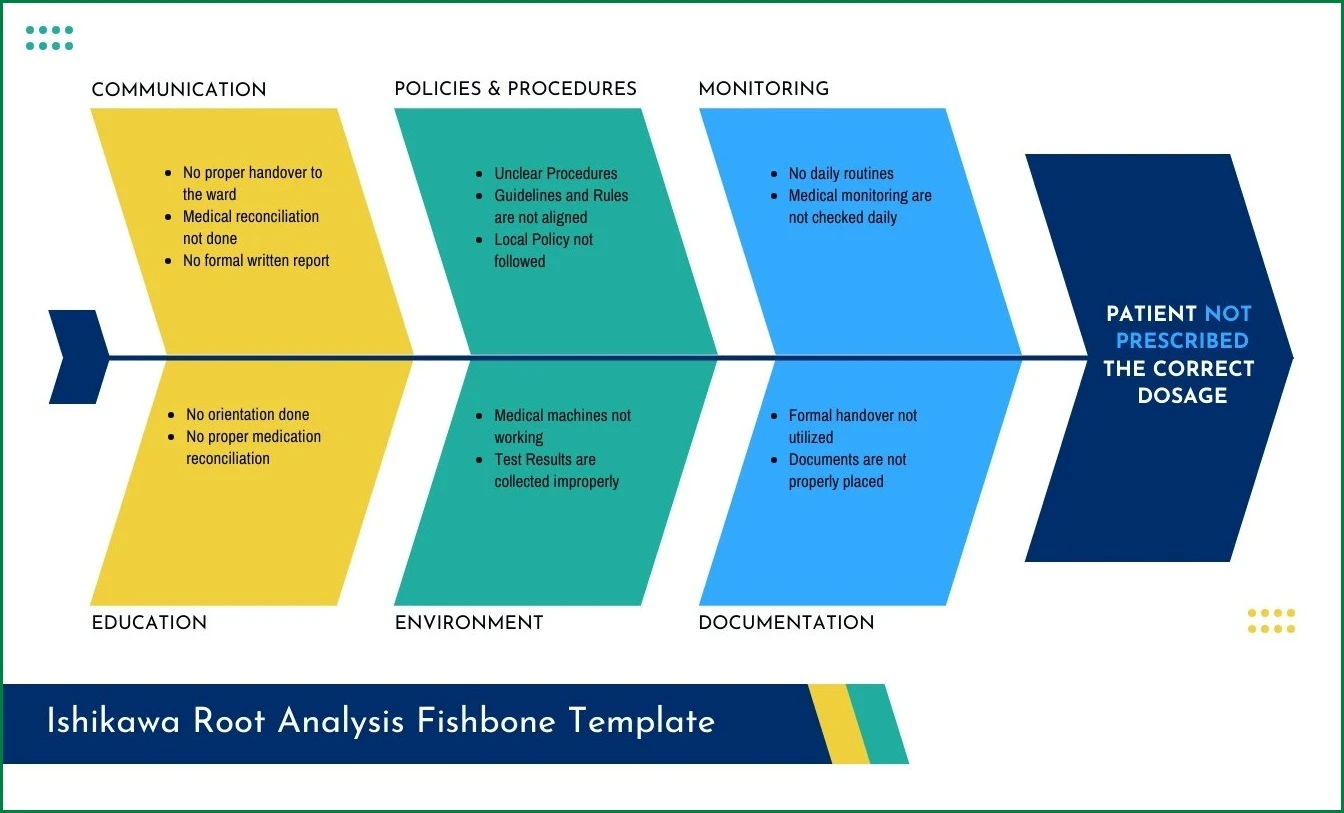
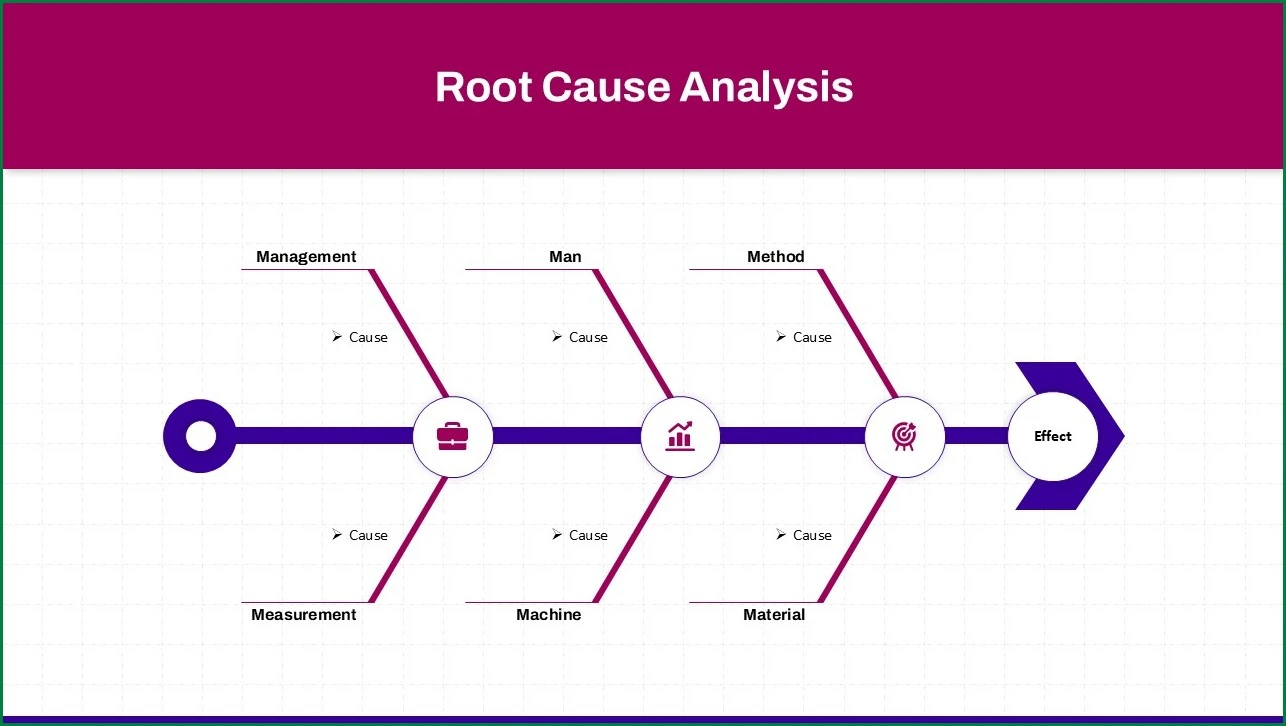
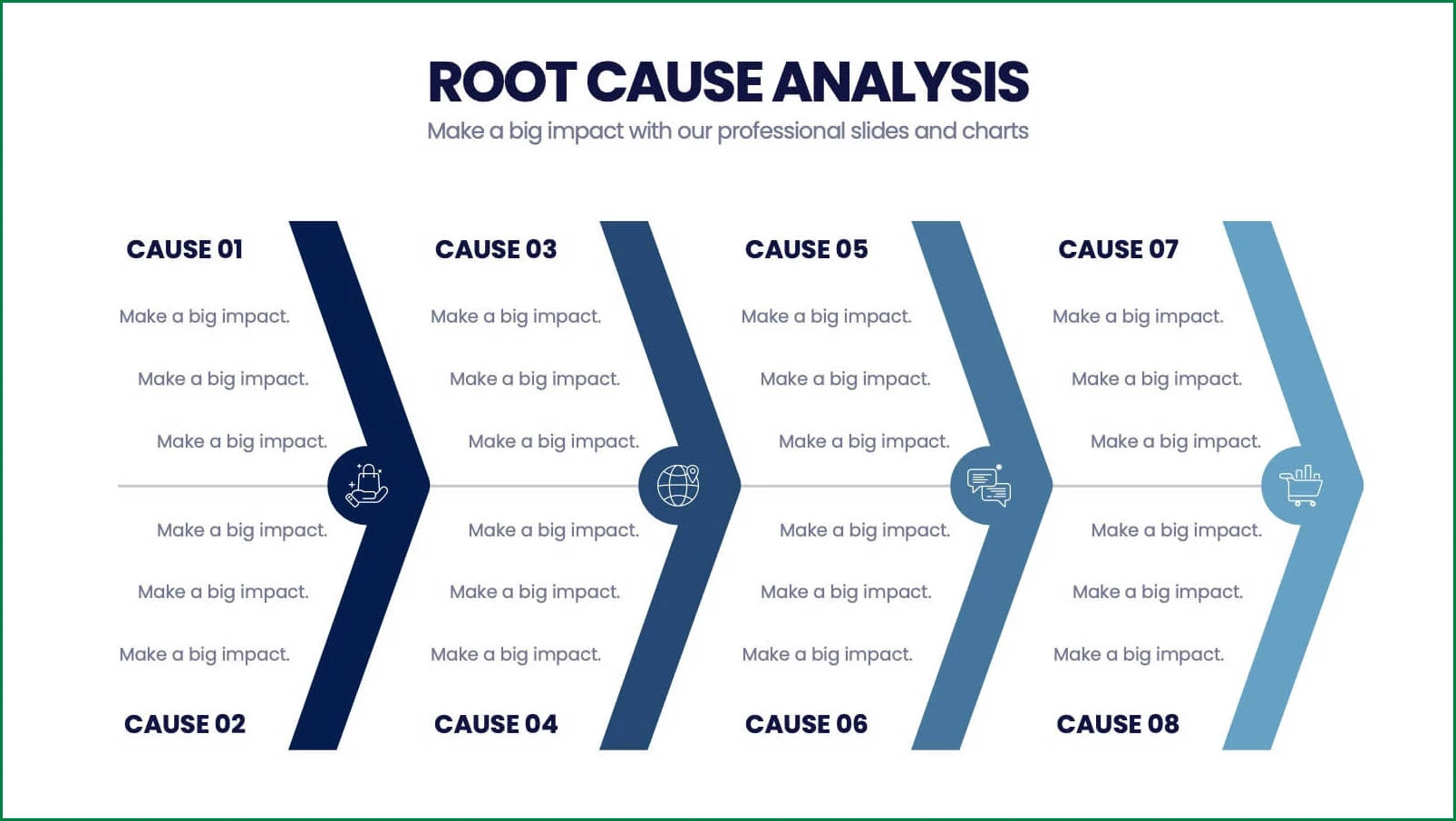
There are several methods that can be used to conduct root cause analysis, including the 5 Whys technique, fishbone diagrams, and Pareto analysis. The 5 Whys technique involves asking “why” repeatedly until the root cause of a problem is identified. Fishbone diagrams, also known as Ishikawa diagrams, help to visualize the various factors that contribute to an issue. Pareto analysis, on the other hand, focuses on identifying the most significant causes of a problem based on the 80/20 principle.
- Data Collection: Gather information about the problem through data collection, interviews, and document review.
- Analysis: Analyze the data systematically to identify potential root causes of the problem.
- Solution Development: Develop and implement solutions to address the root causes identified during the analysis.
- Monitoring and Evaluation: Monitor the effectiveness of the solutions implemented and make adjustments as needed.
Tips for Effective Root Cause Analysis
When conducting root cause analysis, it is important to keep the following tips in mind to ensure a successful outcome:
- Involve Stakeholders: Engage key stakeholders in the process to gain different perspectives and insights.
- Focus on Facts: Base your analysis on data and facts rather than assumptions or opinions.
- Be Systematic: Follow a structured approach to ensure all potential root causes are explored thoroughly.
- Document Findings: Keep detailed records of the analysis process and findings for future reference.
- Implement Solutions: Take action to address the root causes identified and monitor the results of the interventions.
Conclusion
Root cause analysis is a powerful tool for organizations seeking to improve their performance, enhance quality, and drive continuous improvement. By identifying and addressing the underlying causes of problems, businesses can prevent recurrence and foster a culture of learning and innovation. By following a structured approach and utilizing effective techniques, organizations can conduct root cause analysis successfully and reap the benefits of sustainable improvement.
Root Cause Analysis Template – Excel

- Printable Weekly Food Chart Template - September 18, 2026
- Free Printable Weekly Cleaning Chart Template - September 18, 2026
- Free Separation Agreement Template (Word) - September 18, 2026
