Panel schedules are an integral part of electrical systems, providing a detailed layout of all electrical fixtures and components connected to a specific circuit. This document is essential for electricians, engineers, and anyone involved in the design, installation, or maintenance of electrical systems.
In this comprehensive guide, we will explore everything you need to know about panel schedules, including what they are, why they are important, what to include in a panel schedule, how to create one, and some valuable tips for optimizing your panel schedule.
What is a Panel Schedule?
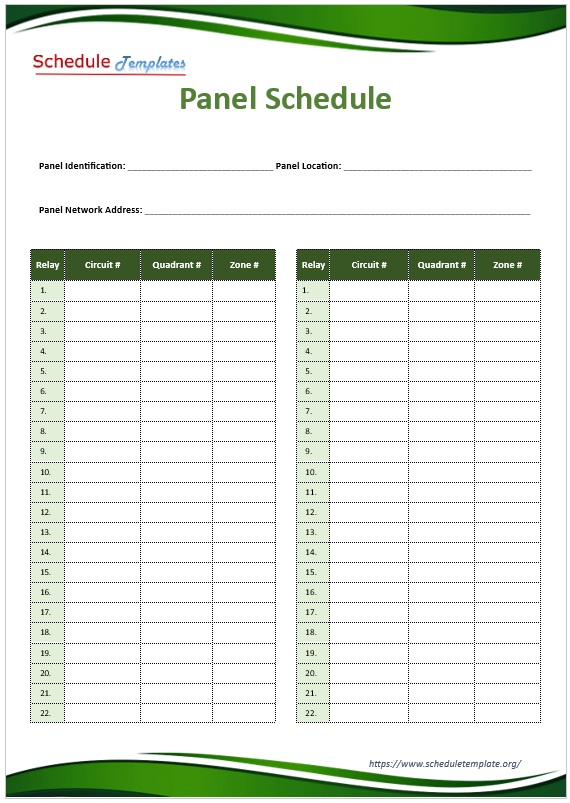
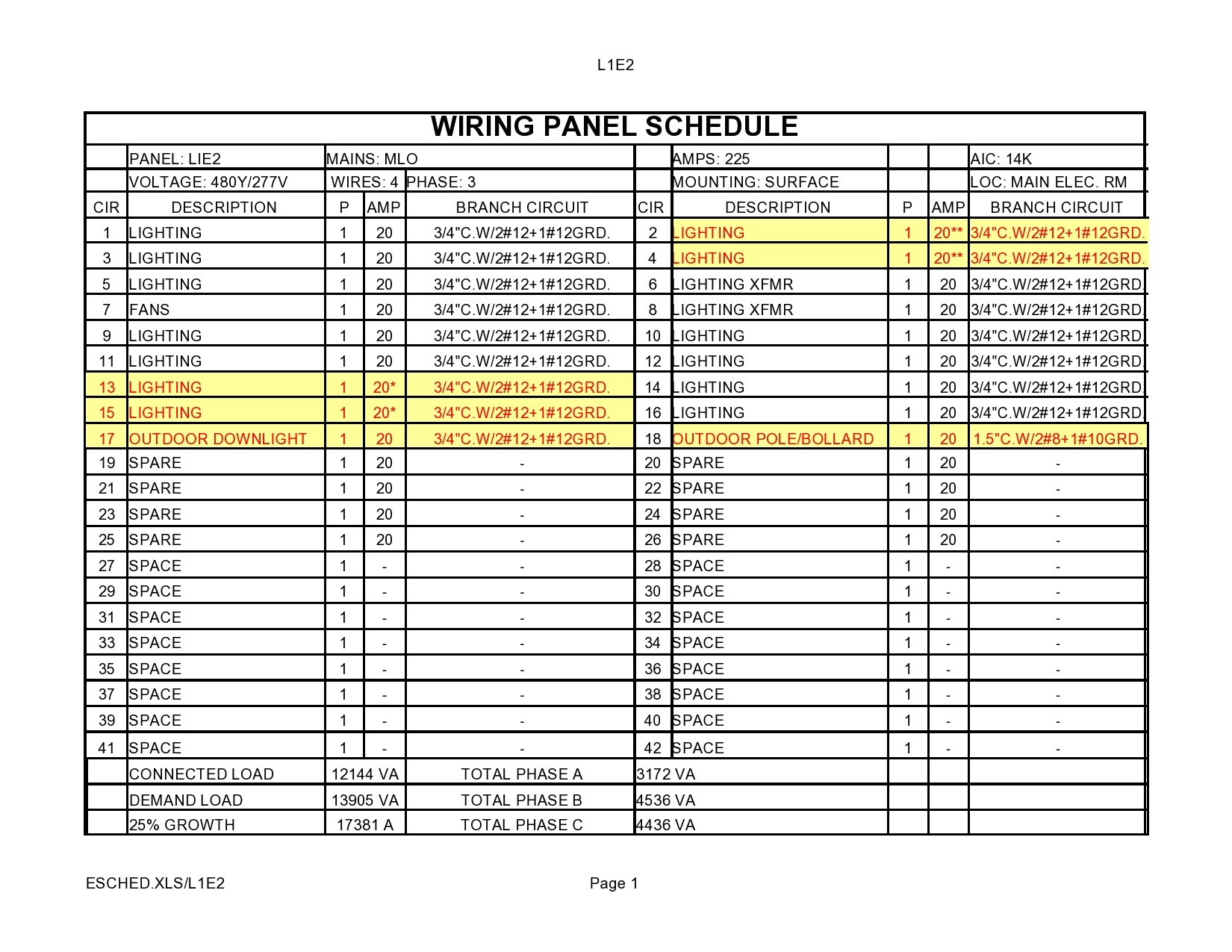
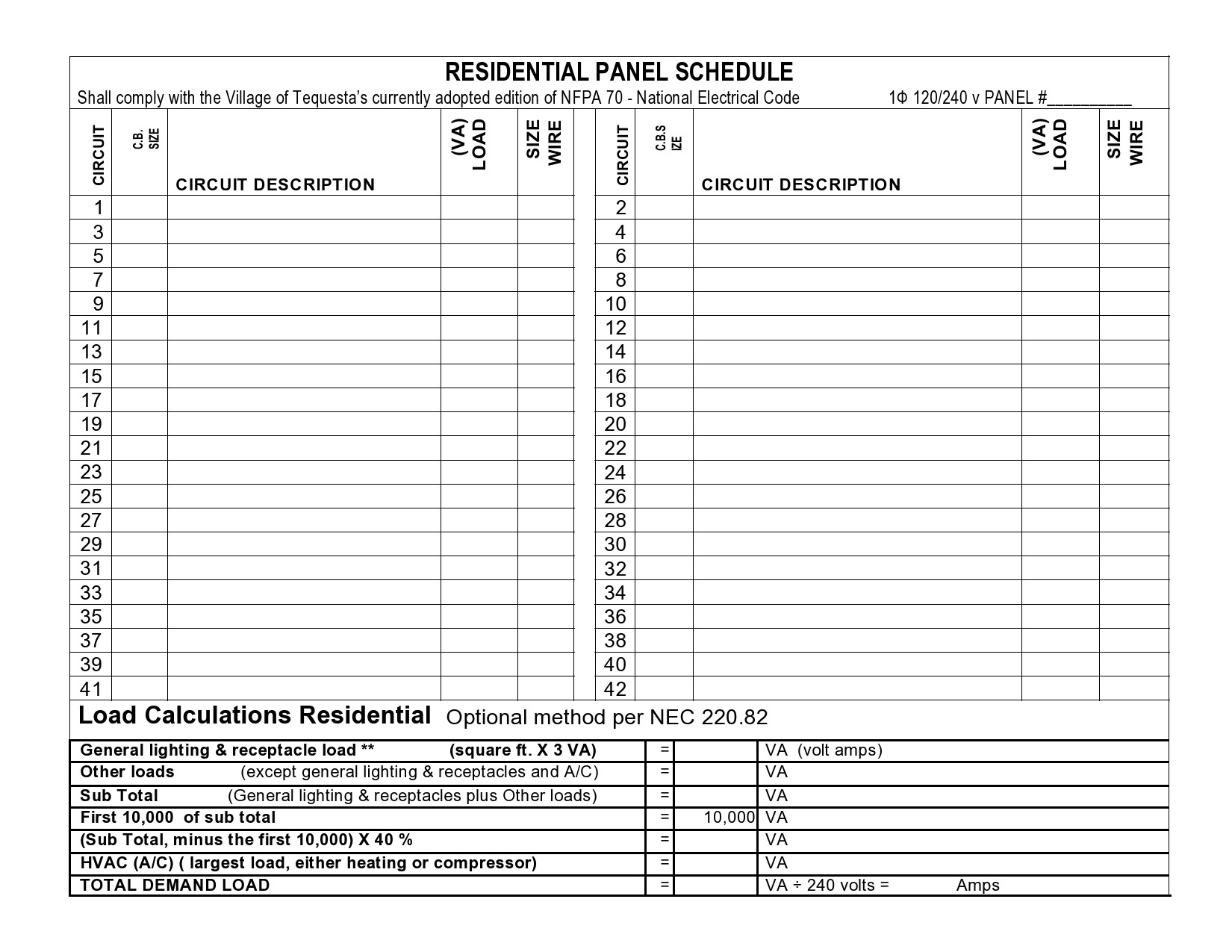
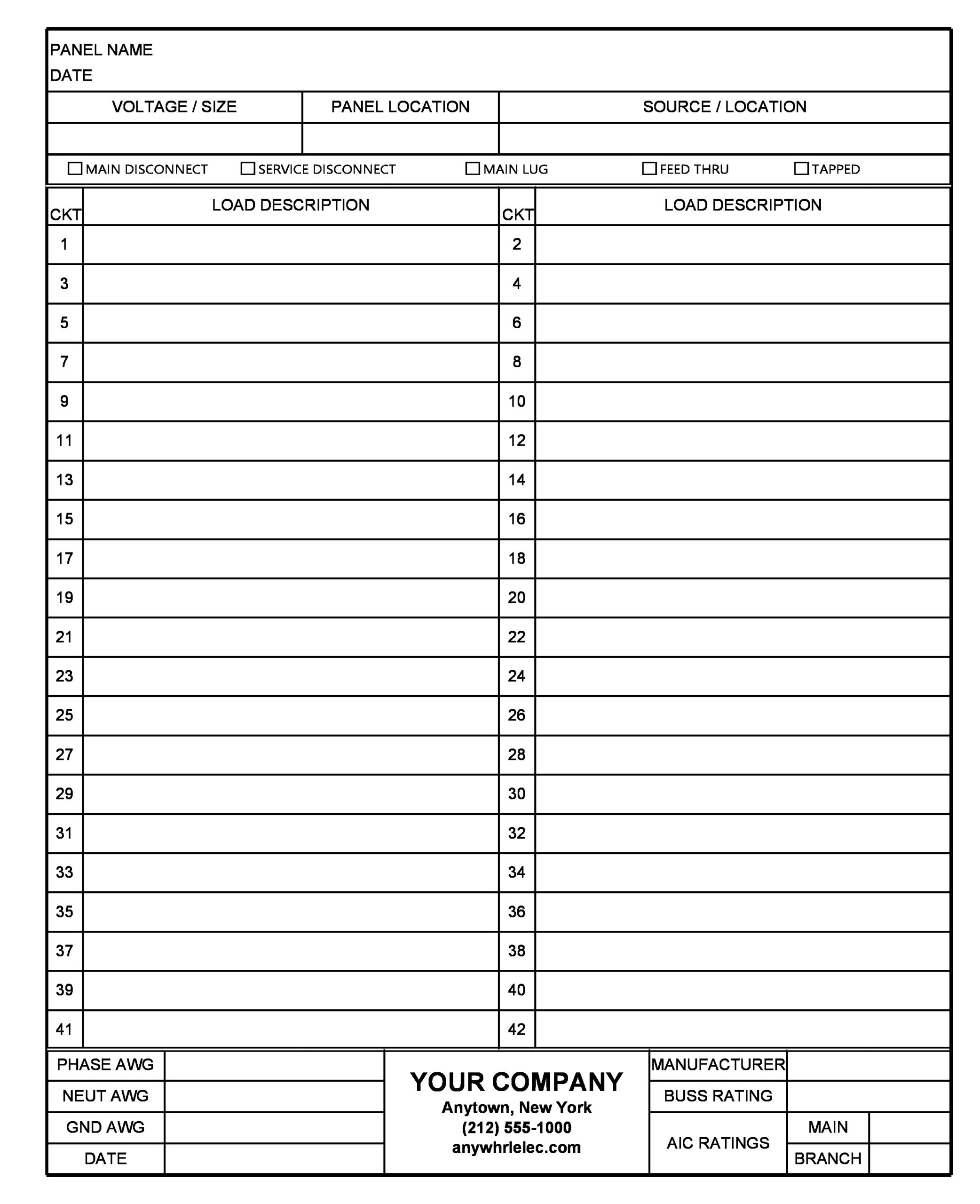
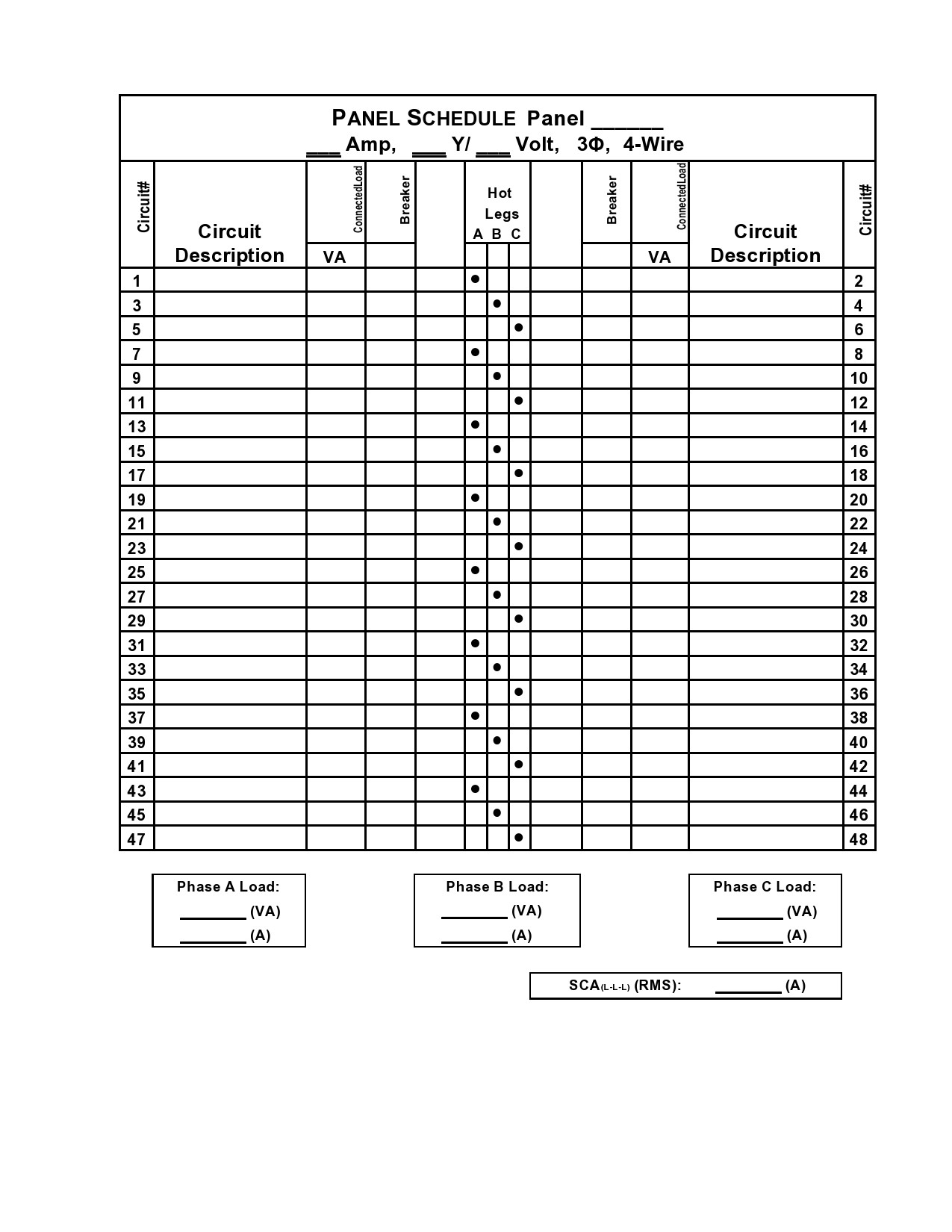
A panel schedule is a detailed document that provides a map of all electrical loads connected to a specific circuit within a power distribution panel. It includes information such as the circuit number, circuit breaker size, wire size, and the type and quantity of electrical fixtures connected to the circuit. Panel schedules are used to track electrical loads, ensure proper distribution of power, and facilitate troubleshooting in case of electrical issues.
Panel schedules are typically created during the design phase of an electrical system and are updated as needed to reflect any changes or additions to the system. They are commonly found in commercial buildings, industrial facilities, and residential properties with complex electrical systems.
When it comes to creating a panel schedule, accuracy and attention to detail are crucial. A well-designed panel schedule can help prevent electrical issues, streamline maintenance and repairs, and ensure the safety of the building occupants.
Why are Panel Schedules Important?
Panel schedules play a vital role in the efficient operation of electrical systems. Here are some key reasons why panel schedules are important:
- Organization: Panel schedules provide a clear and organized overview of all electrical loads connected to a specific circuit, making it easier to identify and troubleshoot issues.
- Safety: By accurately documenting the electrical components and loads, panel schedules help ensure that circuits are not overloaded, which can lead to electrical hazards.
- Maintenance: Panel schedules help electricians and maintenance personnel quickly locate and identify circuits, making routine maintenance and repairs easier.
- Compliance: Panel schedules are often required by building codes and regulations to ensure that electrical systems meet safety standards and requirements.
What to Include in a Panel Schedule
A typical panel schedule should include the following information:
- Circuit Number: A unique identifier for each circuit in the panel.
- Circuit Breaker Size: The amperage rating of the circuit breaker protecting the circuit.
- Wire Size: The gauge of the wire used for the circuit.
- Description: A brief description of the electrical loads connected to the circuit.
- Quantity: The number of electrical fixtures connected to the circuit.
Additionally, you may include other relevant information such as the location of the circuit, the type of electrical fixtures connected, and any special notes or considerations.
Examples
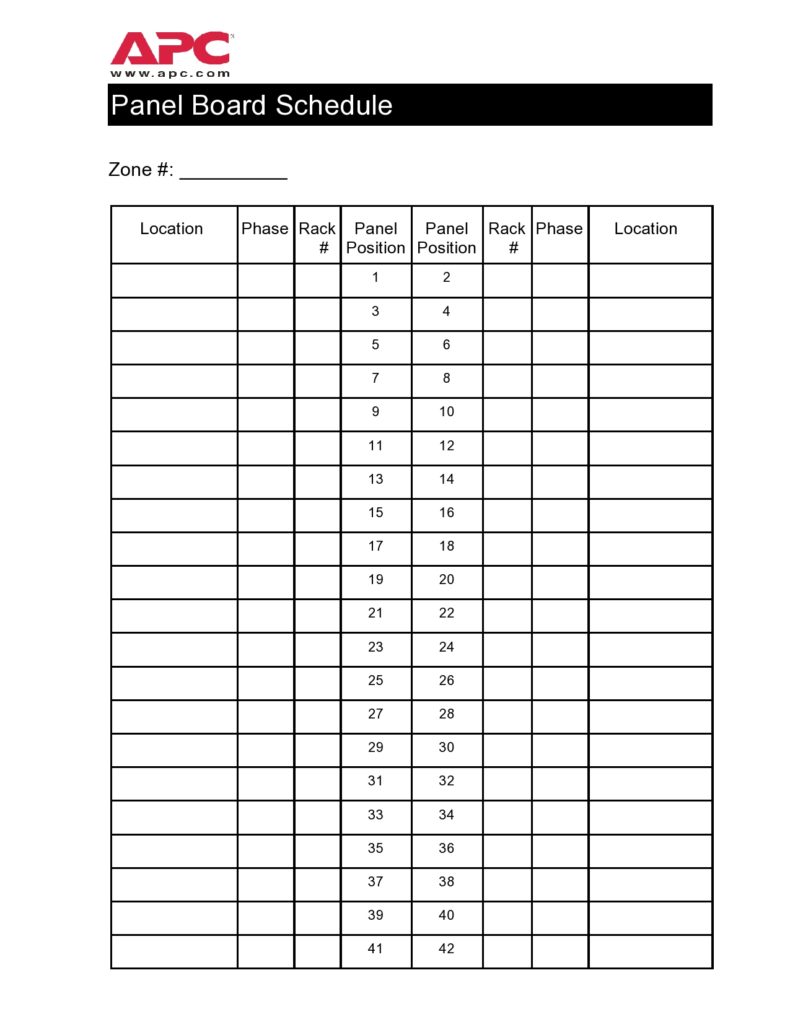
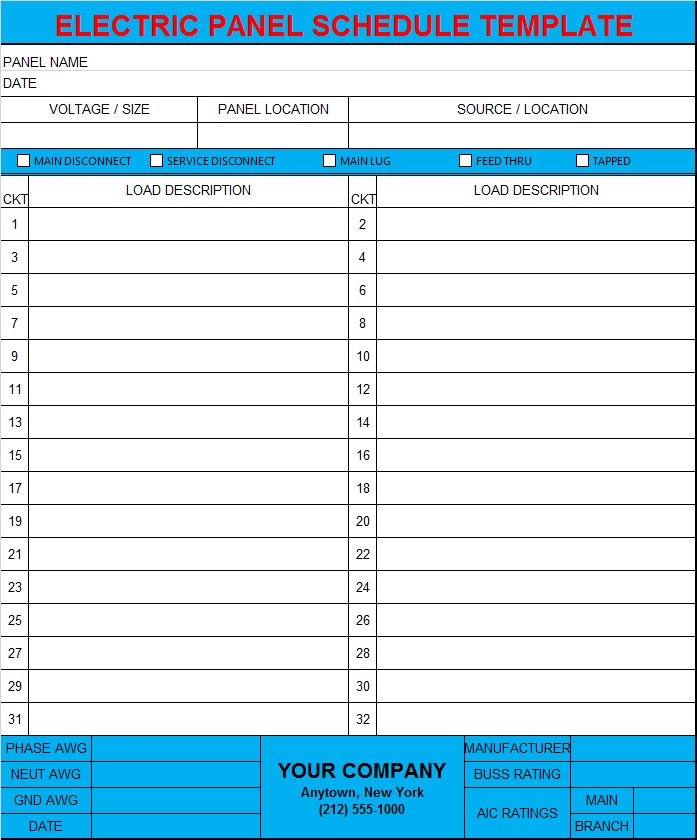
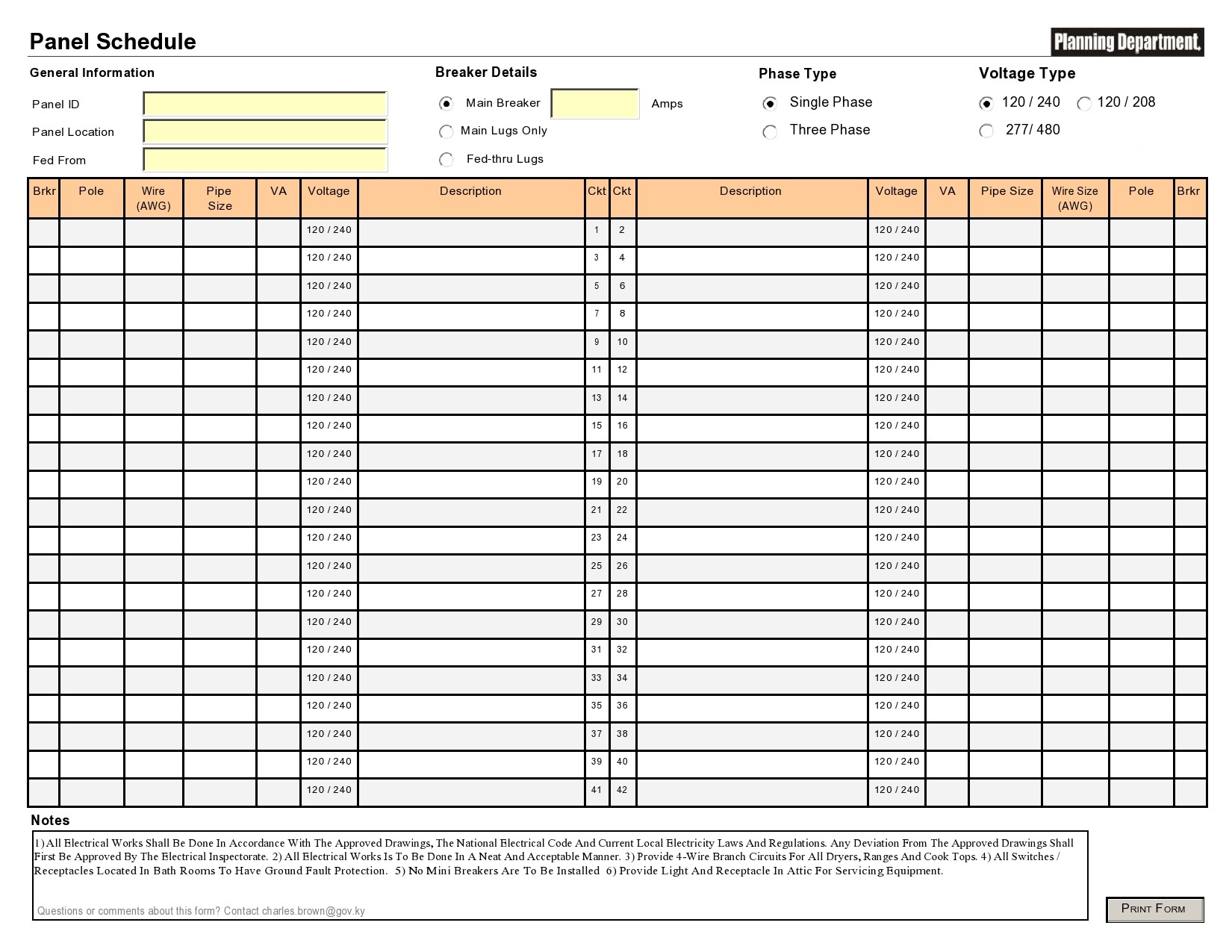
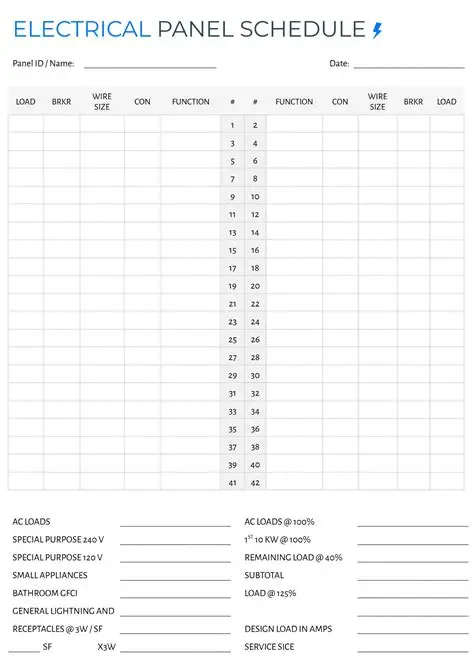
How to Create a Panel Schedule
Creating a panel schedule involves several steps:
1. Gather Information: Collect all necessary information, including circuit numbers, breaker sizes, wire sizes, and descriptions of electrical loads.
2. Create a Template: Use a spreadsheet or specialized software to design a template for your panel schedule.
3. Input Data: Enter the information gathered in the template, making sure to organize it in a clear and easy-to-read format.
4. Review and Revise: Double-check all the data entered to ensure accuracy and make any necessary revisions.
5. Print and Distribute: Once the panel schedule is complete, print copies for reference and distribution to relevant personnel.
Tips for Optimizing Your Panel Schedule
To make the most out of your panel schedule, consider the following tips:
- Label Clearly: Use clear and consistent labeling for circuits, breakers, and electrical fixtures.
- Update Regularly: Keep your panel schedule up-to-date with any changes or additions to the electrical system.
- Color Code: Use color coding to differentiate between circuits and make the panel schedule easier to read.
- Include Diagrams: Supplement your panel schedule with diagrams or schematics for better visualization.
- Train Personnel: Make sure that relevant personnel are familiar with the panel schedule and understand how to interpret it.
In conclusion, panel schedules are a critical component of electrical systems, providing a detailed map of circuits and electrical loads. By creating accurate and well-organized panel schedules, you can ensure the safety, efficiency, and compliance of your electrical system. Follow the tips outlined in this guide to optimize your panel schedule and streamline your electrical operations.
Panel Schedule Template – Download

- Free Printable T-Chart Template - September 12, 2026
- Free Printable Wanted Poster Template - September 12, 2026
- Surprise Party Invitation Template - September 12, 2026
