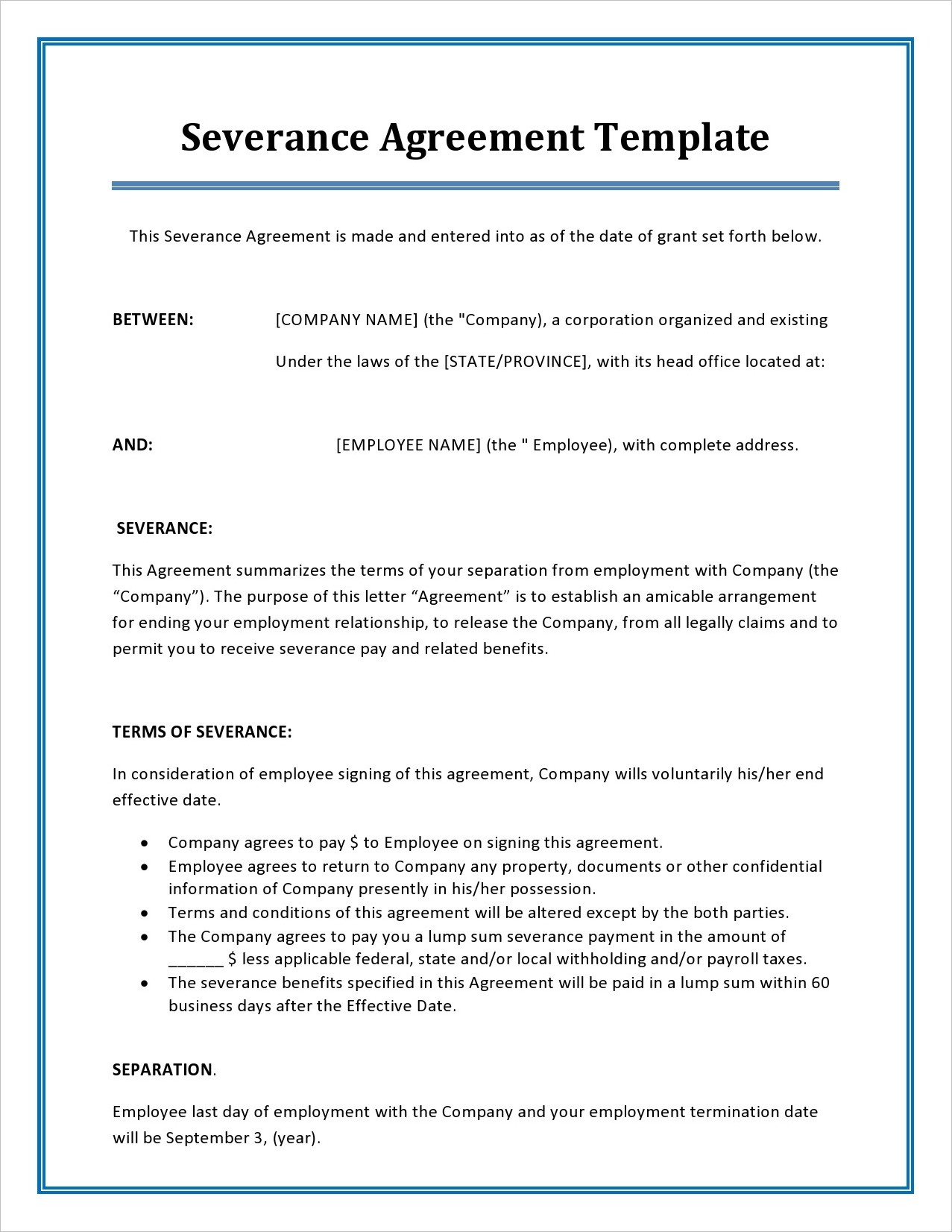
When it comes to navigating the world of employment, there are many aspects to consider. One such aspect is a severance agreement, which is a legally binding contract between an employer and an employee that outlines the terms of separation. Whether you are an employer looking to create a fair severance agreement or an employee who has been offered one, understanding the key elements of a severance agreement is essential.
What is a Severance Agreement?
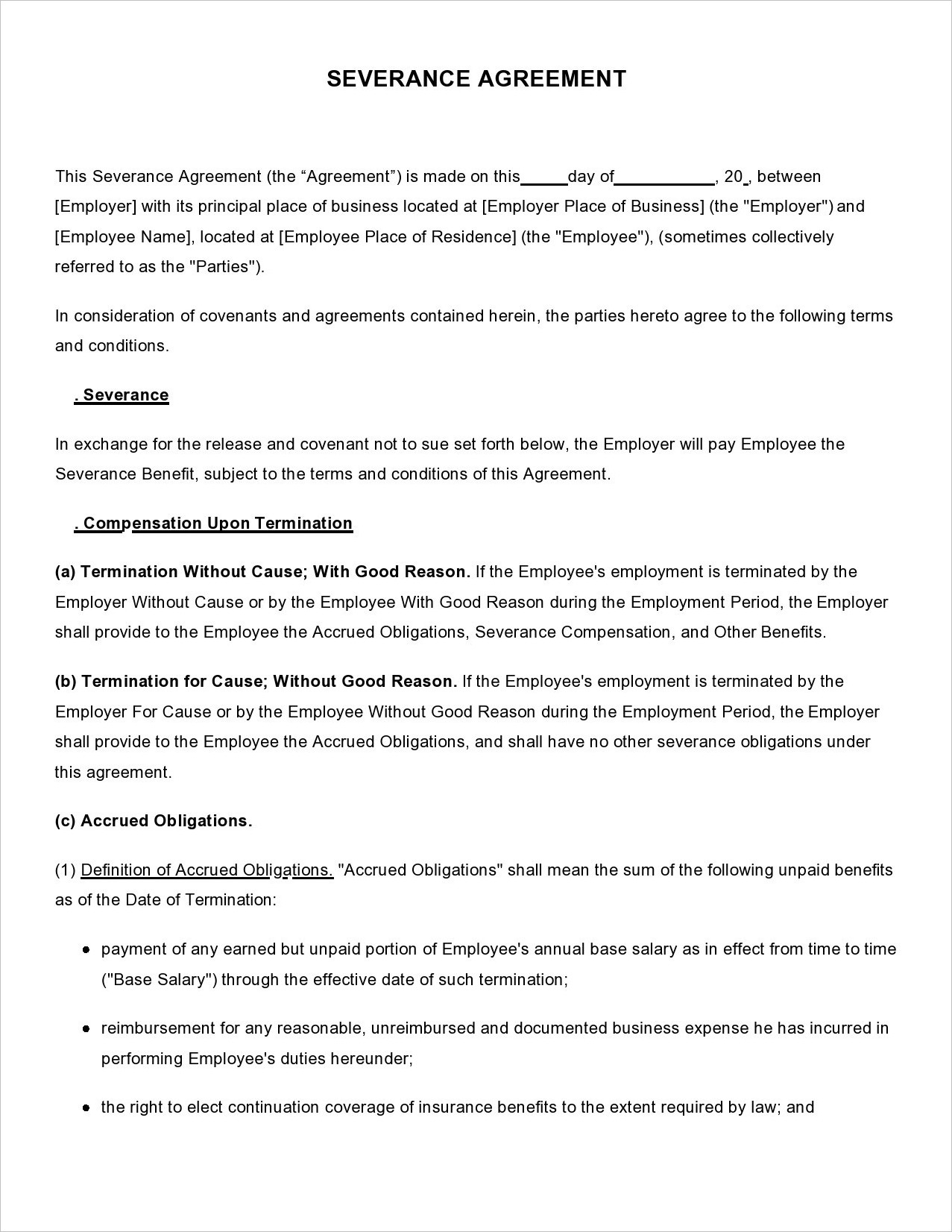
A severance agreement, also known as a separation agreement, is a contract that is typically offered to employees who are being terminated or laid off. This agreement outlines the terms of the employee’s departure from the company, including any severance pay, benefits continuation, and other key details. Severance agreements are designed to protect both the employer and the employee by providing clarity and certainty regarding the terms of separation.
Why are Severance Agreements Important?
Severance agreements serve several important purposes for both employers and employees. For employers, a well-drafted severance agreement can help protect the company from potential legal disputes and ensure a smooth transition for the departing employee. For employees, a severance agreement can provide financial security during the transition period and protect their rights in the event of a dispute with the employer.
Key Elements of a Severance Agreement
Severance agreements can vary depending on the specific circumstances of the separation, but there are some common key elements that are typically included in these agreements:
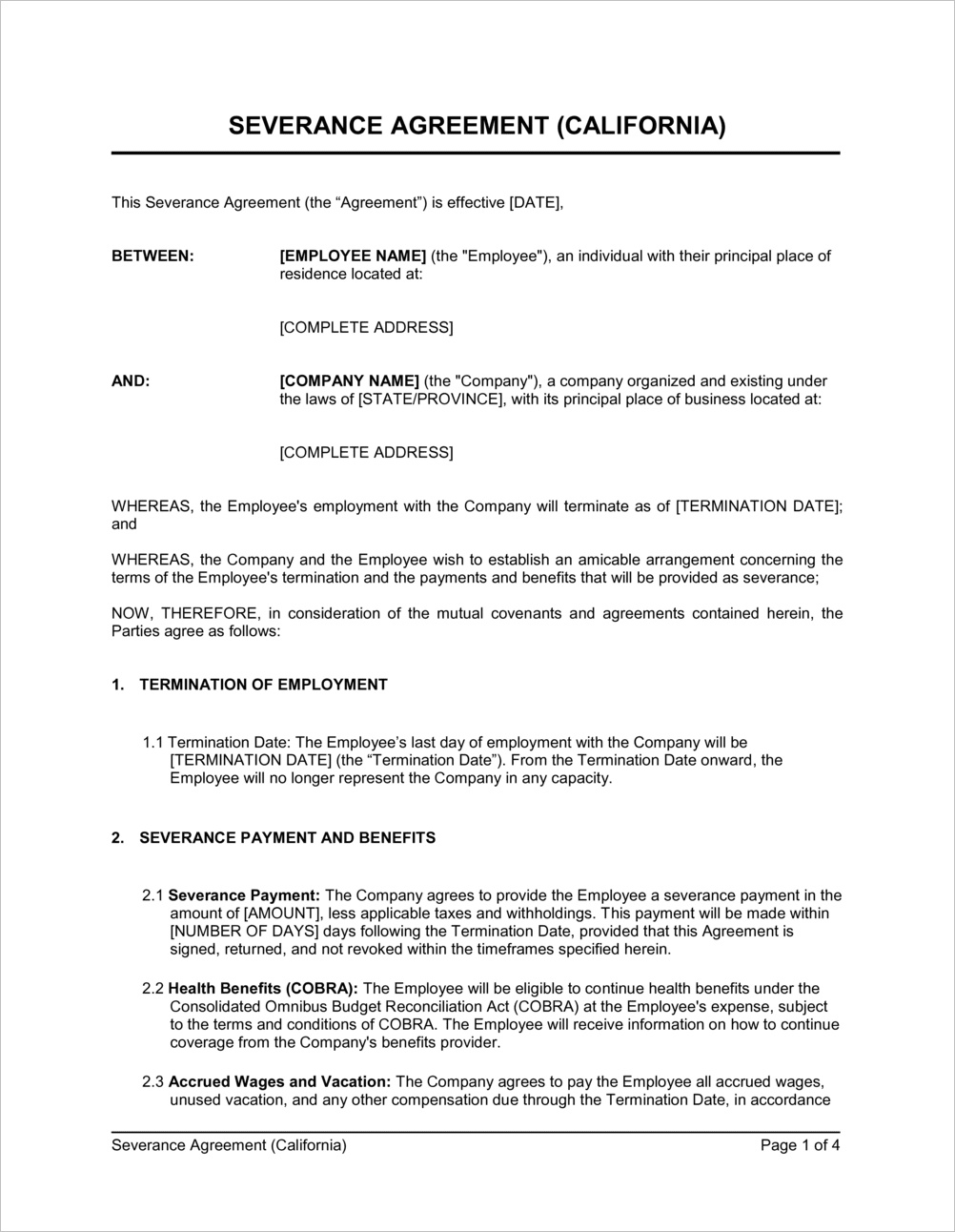
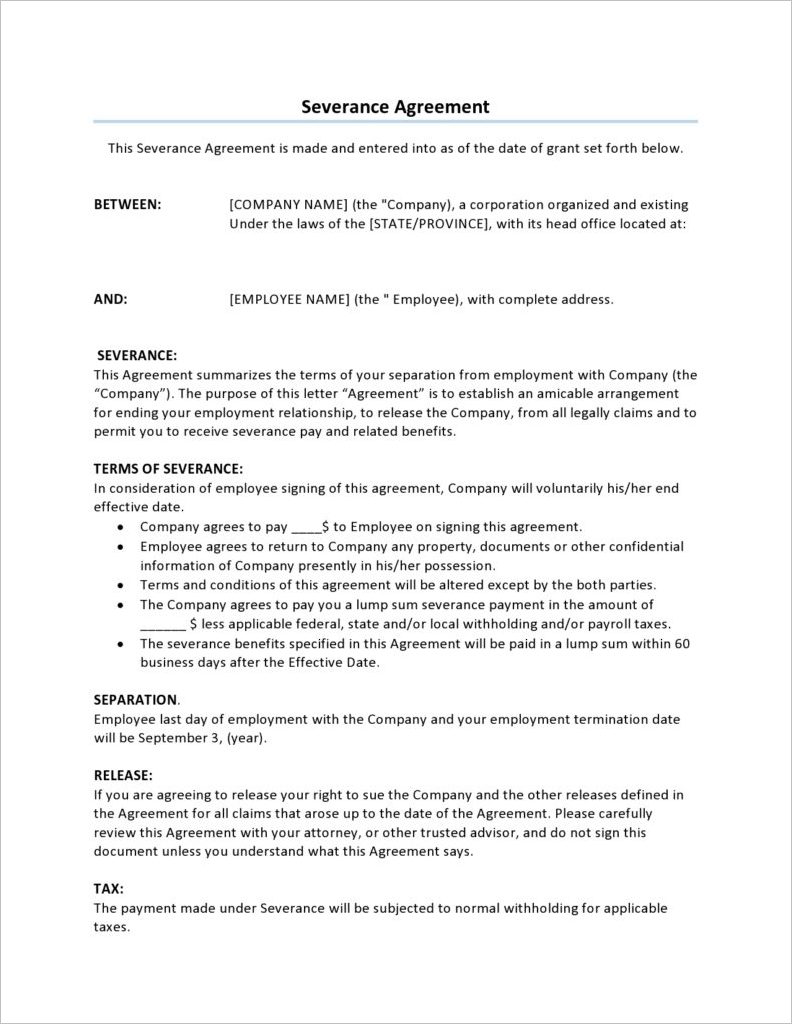
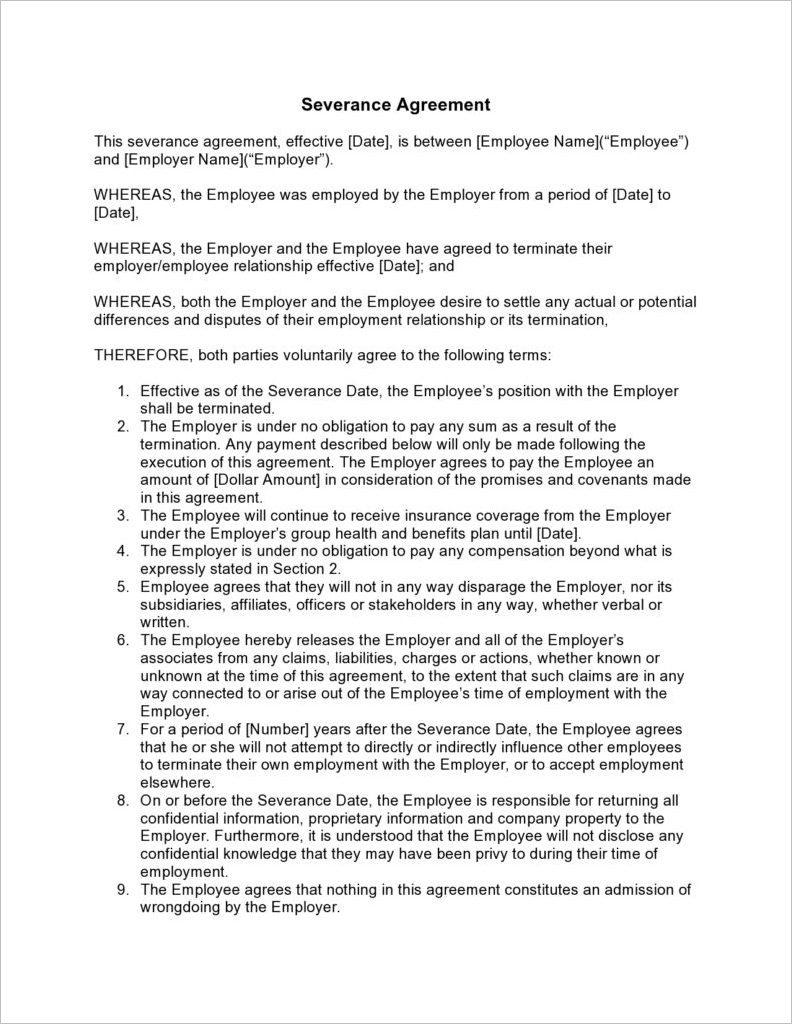
- Severance Pay: The amount and timing of any severance pay that will be provided to the employee.
- Benefits Continuation: Whether the employee’s benefits, such as health insurance, will continue after the separation.
- Confidentiality: Provisions regarding the confidentiality of the agreement and any related discussions.
- Non-Disparagement: Agreements by both parties not to disparage each other after the separation.
- Release of Claims: A release by the employee of any claims against the employer in exchange for the severance package.
- Return of Company Property: Requirements for the return of any company property, such as laptops or access badges.
- Non-Compete Agreement: Provisions regarding any non-compete agreements that the employee may be subject to after leaving the company.
How to Negotiate a Severance Agreement
When faced with a severance agreement, it is important to carefully review the terms and consider negotiating if necessary. Here are some tips for negotiating a severance agreement:
- Understand Your Rights: Familiarize yourself with your legal rights and obligations under the agreement.
- Consult with an Attorney: Consider seeking legal advice from an employment attorney to help you navigate the negotiation process.
- Clarify Ambiguous Terms: If any terms in the agreement are unclear, seek clarification from the employer.
- Consider Your Goals: Determine your priorities and objectives for the negotiation, whether it be financial compensation or benefits continuation.
- Be Professional: Approach the negotiation process in a professional manner and maintain open communication with the employer.
Tips for Creating a Fair Severance Agreement
For employers looking to create a fair and equitable severance agreement, here are some tips to consider:
- Be Transparent: Clearly communicate the reasons for the separation and the terms of the agreement to the employee.
- Offer Fair Compensation: Provide a reasonable severance package that reflects the employee’s contributions and tenure with the company.
- Consider Individual Circumstances: Take into account the employee’s unique circumstances, such as financial needs and future employment prospects.
- Seek Legal Advice: Consult with legal counsel to ensure that the agreement complies with relevant employment laws and regulations.
- Maintain Confidentiality: Ensure that the terms of the agreement are kept confidential to protect both parties’ interests.
Conclusion
Severance agreements play a crucial role in the employment relationship, providing clarity and protection for both employers and employees. By understanding the key elements of a severance agreement and following best practices for negotiation and creation, both parties can navigate the separation process with confidence and fairness.

- Bank Letter For Direct Deposit Template - October 6, 2026
- Background Check Authorization Form Template - October 6, 2026
- Free Autobiography Template (Word) - October 6, 2026
