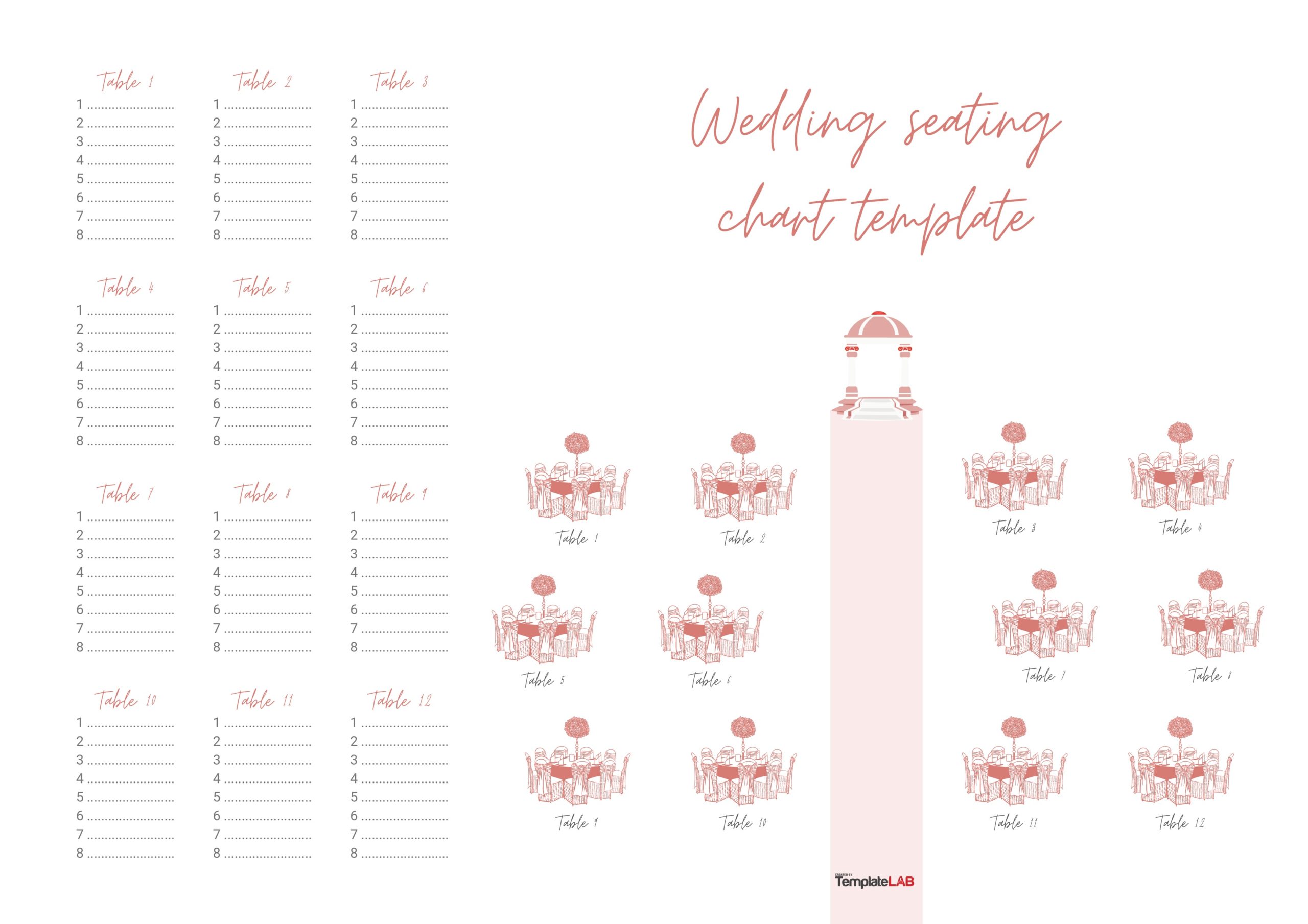
Planning a wedding can be a stressful yet exciting time for couples. One important aspect of wedding planning that often gets overlooked is the seating plan. A well-thought-out seating plan can make a significant difference in how smoothly your wedding day runs. From ensuring that guests are comfortable to preventing any awkward situations, a wedding seating plan is essential for a successful celebration.
What is a Wedding Seating Plan?
A wedding seating plan is a layout that specifies where each guest will sit during the reception. It helps to organize the seating arrangements and ensures that guests are seated with people they know or will get along with. The seating plan can be displayed on a board or chart at the entrance of the reception venue, guiding guests to their assigned tables.
Why is a Wedding Seating Plan Important?
A well-executed wedding seating plan can have a significant impact on the overall atmosphere of the reception. It can help to avoid any confusion or chaos among guests, ensuring that everyone feels comfortable and included. A thoughtfully planned seating arrangement can also prevent any awkward situations, such as seating exes or feuding family members together.
Key Elements of a Wedding Seating Plan
When creating a wedding seating plan, there are several key elements to consider:
– Guest List: Begin by finalizing your guest list to determine the number of tables needed.
– Table Layout: Decide on the layout of the tables, considering factors such as proximity to the dance floor, stage, and restrooms.
– Seating Assignments: Assign seats based on relationships, ensuring that guests are seated with people they know or will enjoy.
– Escort Cards: Provide escort cards or a seating chart to guide guests to their assigned tables.
– Head Table: Plan the seating arrangement for the head table, including the bridal party and close family members.
– Special Considerations: Take into account any special considerations, such as dietary restrictions or mobility issues.
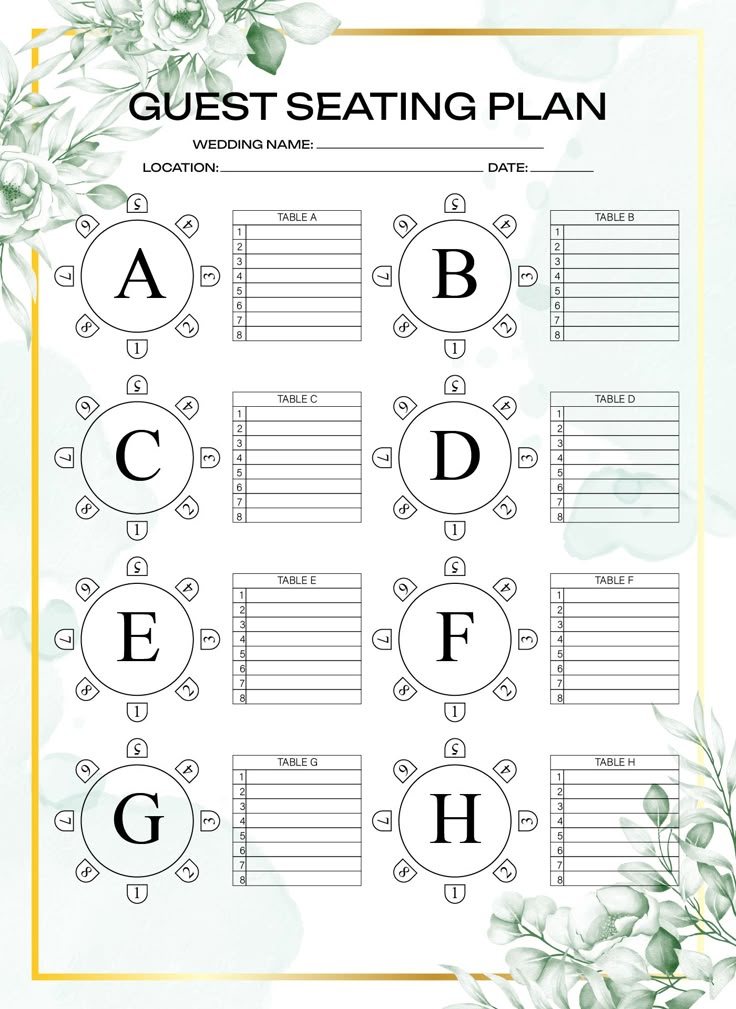
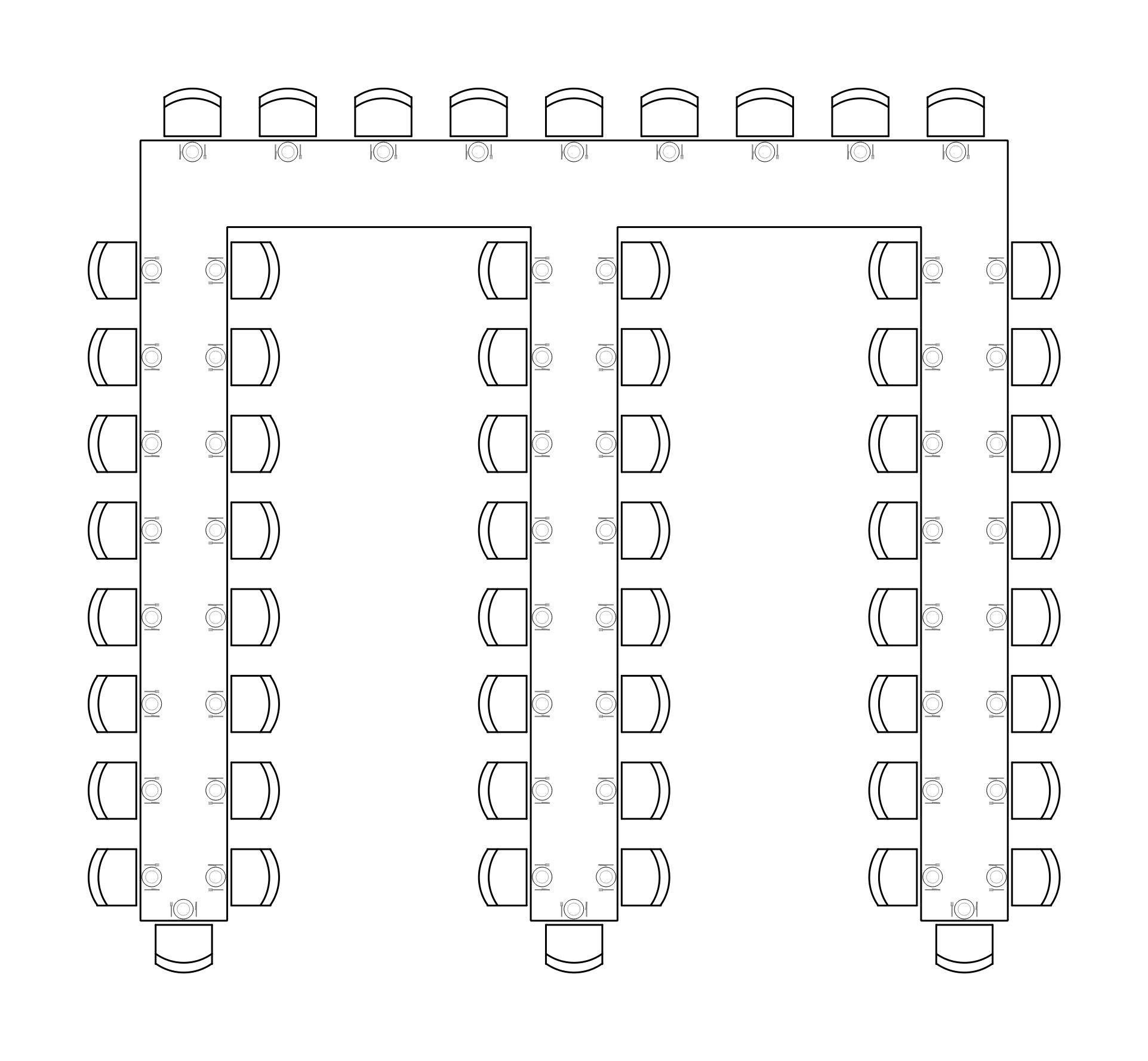
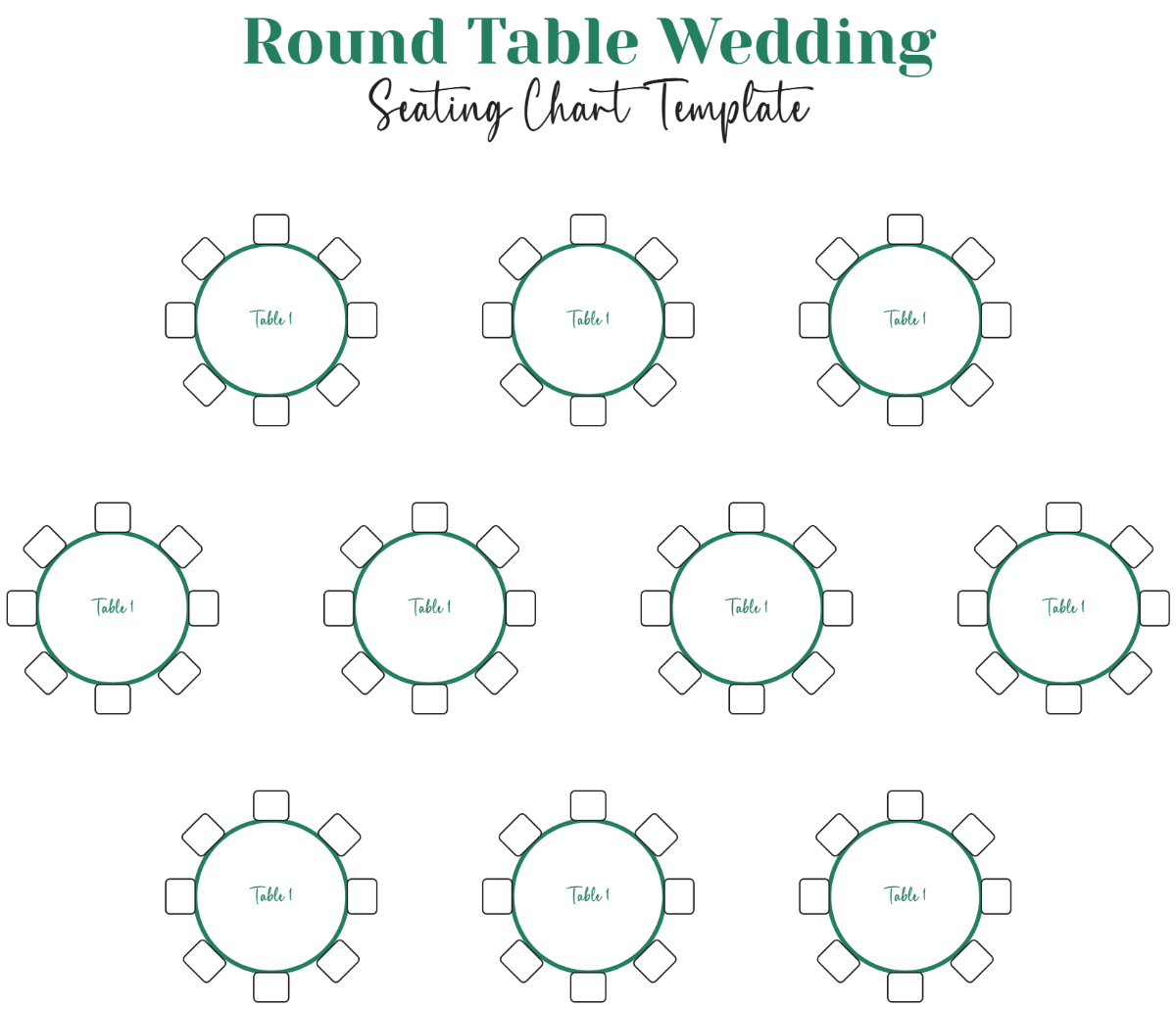
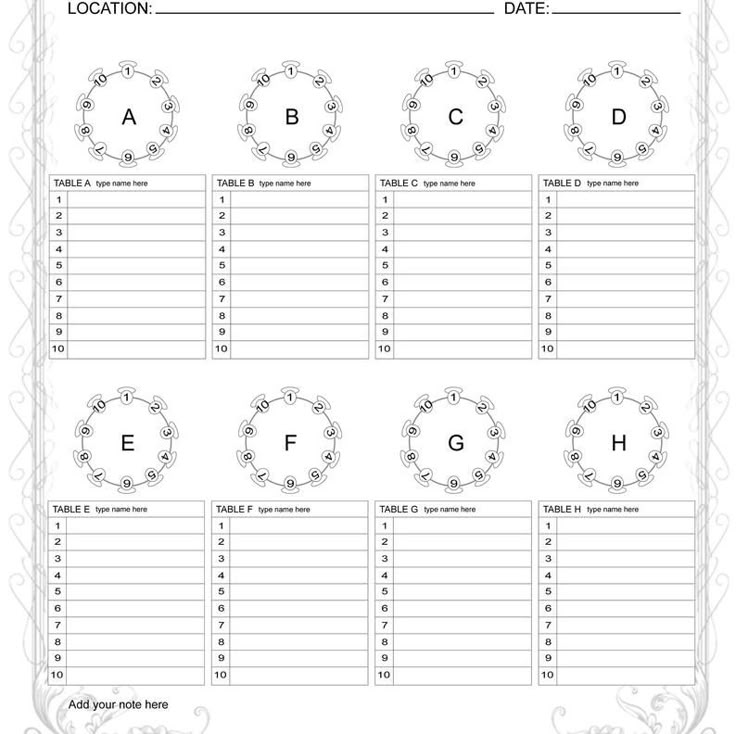
How to Create a Wedding Seating Plan
Creating a wedding seating plan can be a daunting task, but with careful planning and consideration, it can be done smoothly. Here are some tips to help you create a successful seating plan:
– Start Early: Begin working on your seating plan well in advance to allow time for adjustments and changes.
– Group Guests: Group guests together based on relationships, such as family, friends, and colleagues.
– Consider Dynamics: Take into account any potential conflicts or dynamics between guests when assigning seats.
– Use Technology: Consider using online seating chart tools or apps to help you visualize and organize your seating plan.
– Communicate Clearly: Clearly communicate the seating arrangements to guests through escort cards or a seating chart.
– Be Flexible: Be prepared to make last-minute adjustments to accommodate any changes or additions to the guest list.
– Seek Help: Don’t hesitate to seek help from your wedding planner, venue coordinator, or family members when creating the seating plan.
– Double-Check: Before finalizing the seating plan, double-check all the details to ensure accuracy and avoid any mistakes.
– Consider Layout: Think about the layout of the tables and how they will fit in the reception space, ensuring that there is enough room for guests to move around comfortably.
Tips for a Successful Wedding Seating Plan
– Seat guests strategically based on relationships and personalities to ensure a harmonious atmosphere.
– Consider assigning a designated seating chart for children to keep them entertained and prevent any disruptions.
– Provide a mix of round and rectangular tables to accommodate different group sizes and preferences.
– Incorporate personal touches, such as themed table names or personalized place cards, to add a special touch to the seating plan.
– Consider assigning a mix of family and friends at each table to encourage mingling and conversation among guests.
– Be mindful of seating guests with dietary restrictions or allergies together to ensure they are properly accommodated during the meal.
– Consider creating a separate table for guests who may not know many people to help them feel comfortable and included.
– Plan the seating arrangement for the head table carefully, ensuring that everyone has a clear view of the couple and the speeches.
– Keep track of RSVPs and any special requests from guests to make the seating plan process smoother and more organized.
– Remember that the wedding seating plan is a guideline and not set in stone, so be prepared to make adjustments as needed on the day of the event.
In conclusion, creating a wedding seating plan is an essential part of the wedding planning process that can greatly impact the success of your celebration. By carefully considering the key elements, following the tips provided, and being flexible in your approach, you can create a seating plan that ensures a memorable and enjoyable experience for you and your guests.

- Free Printable Affidavit Form Template - October 2, 2026
- Printable Adoption Certificate Template - October 2, 2026
- Free Printable Address Label Template - October 2, 2026
