Buying a house is an exciting milestone, but it can also be a daunting process. One crucial document that you’ll encounter during the home-buying journey is the real estate purchase agreement. This legal contract outlines the terms and conditions of the sale, protecting both the buyer and the seller.
In this guide, we’ll dive deep into what a real estate purchase agreement entails, why it’s important, what to include, how to navigate the process, and some valuable tips to ensure a smooth transaction.
What is a Real Estate Purchase Agreement?
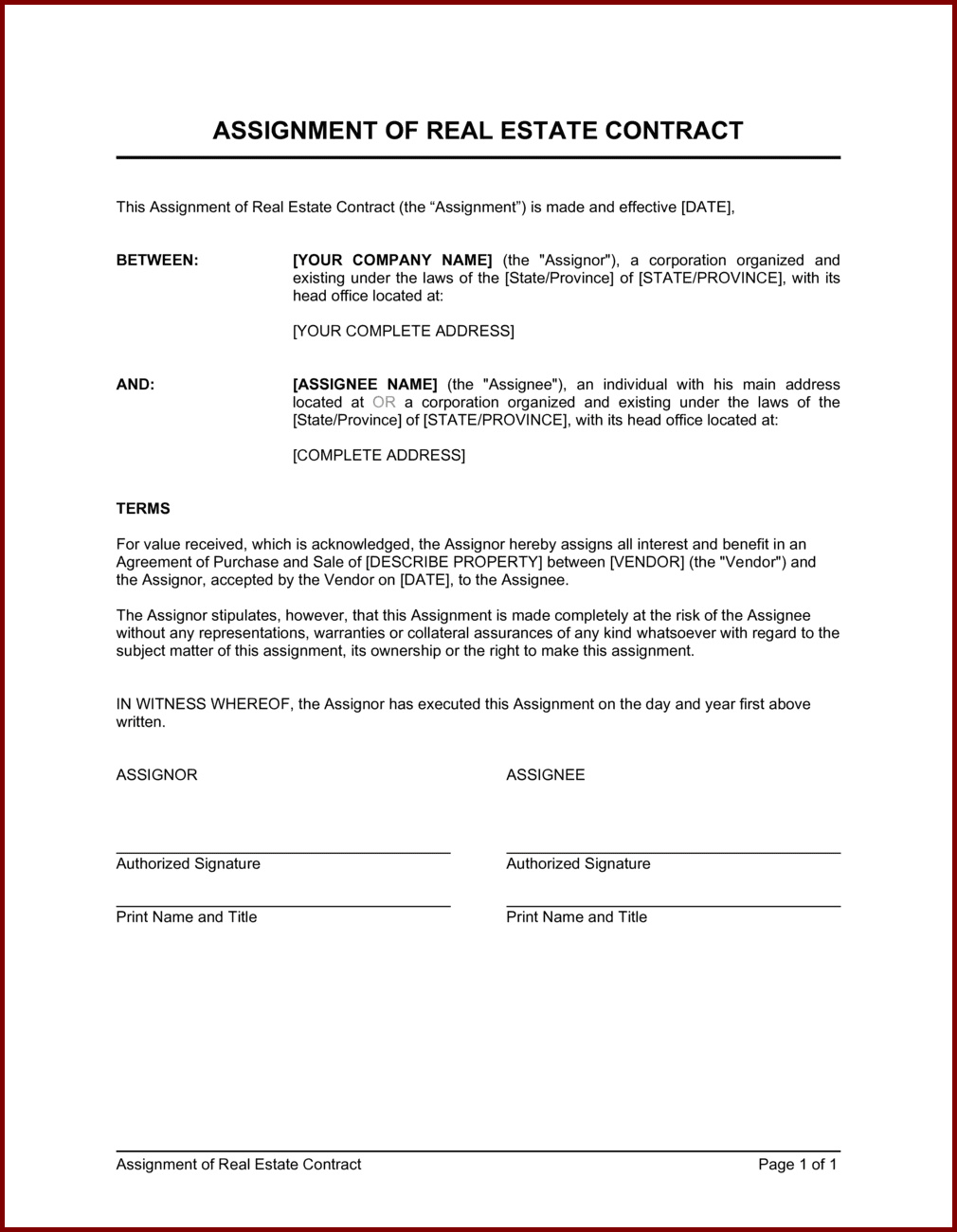
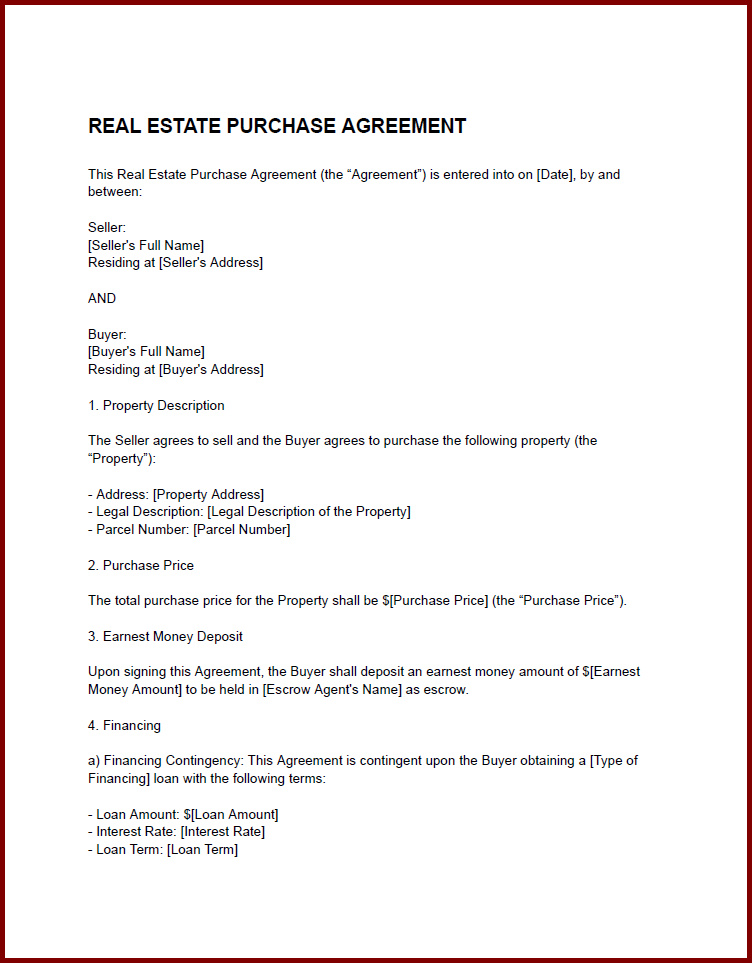
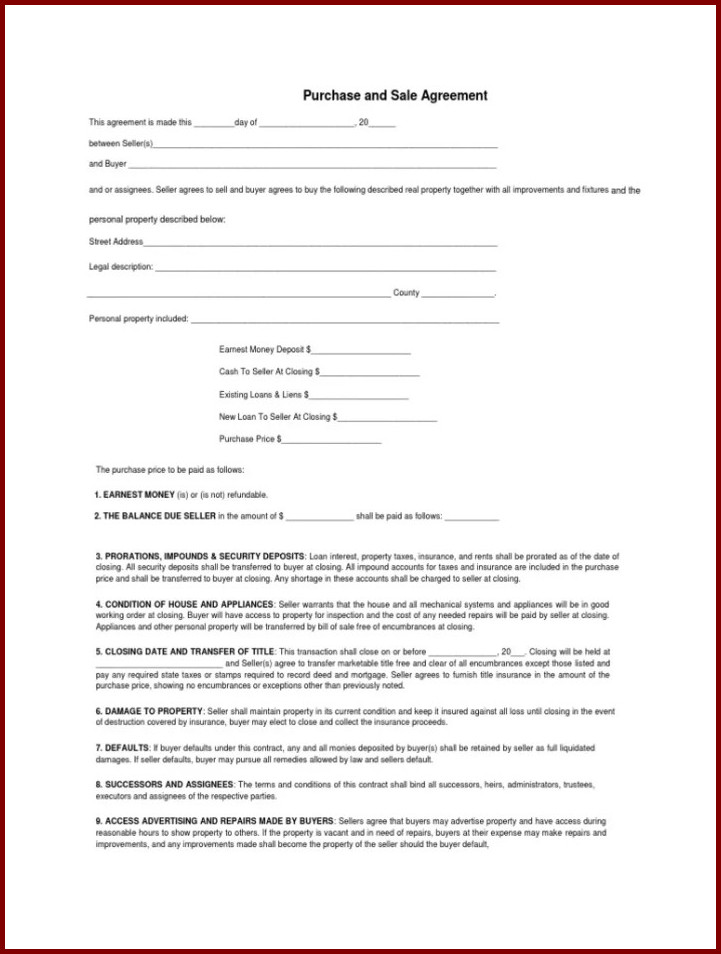
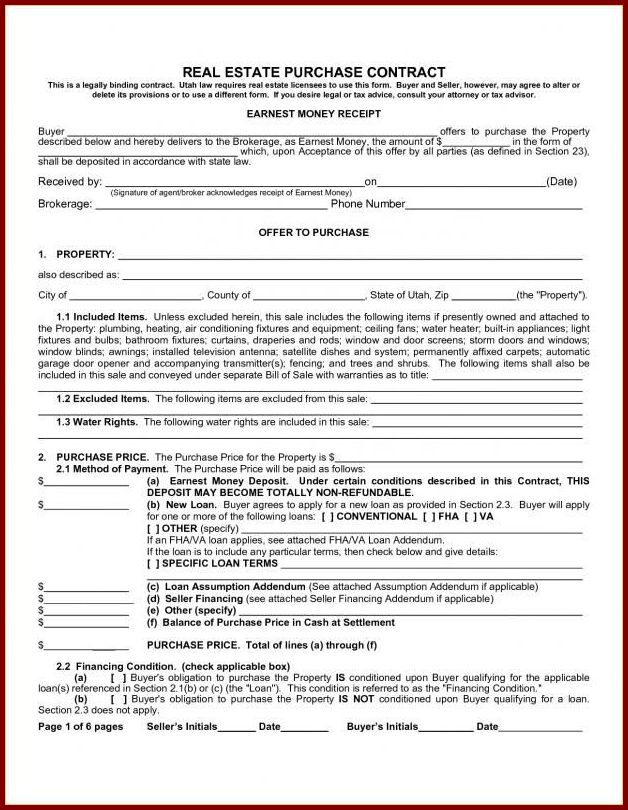
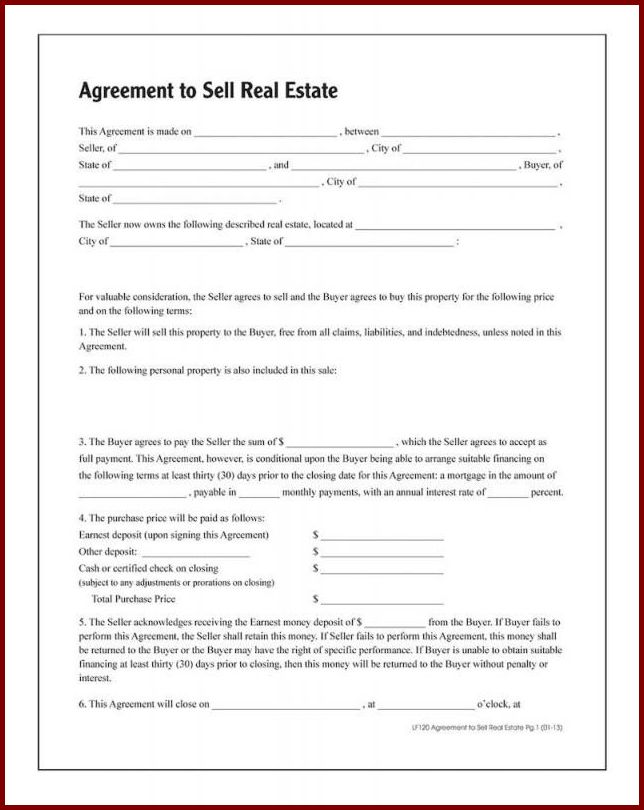
A real estate purchase agreement is a legally binding document that outlines the specifics of a property sale. It includes details such as the purchase price, financing terms, closing date, contingencies, and any other conditions that both parties must meet for the sale to proceed.
This agreement serves as a roadmap for the transaction and helps prevent misunderstandings or disputes down the line.
Why are Real Estate Purchase Agreements Important?
Real estate purchase agreements are crucial for several reasons. Firstly, they provide clarity and certainty for both the buyer and the seller regarding the terms of the sale. By outlining expectations and obligations, the agreement helps minimize the risk of disagreements or legal issues arising during the transaction.
Additionally, having a written contract in place can protect both parties in case of breach of contract or other disputes.
What to Include in a Real Estate Purchase Agreement
When drafting a real estate purchase agreement, certain key elements must be included to ensure a comprehensive and legally binding document. Here are some essential components to incorporate:
- Property Details: Include the full address, legal description, and any specific identifiers of the property being sold.
- Purchase Price: Clearly state the agreed-upon price for the property, including any earnest money or deposit amounts.
- Financing Terms: Outline how the purchase will be financed, whether through a mortgage, cash, or other means.
- Contingencies: Specify any conditions that must be met for the sale to proceed, such as home inspections, appraisal, or financing contingencies.
- Closing Date: Define the date by which the sale must be finalized, including provisions for extensions if needed.
- Disclosure Requirements: Include any required disclosures about the property’s condition, hazards, or other material facts.
- Signatures: Ensure that the agreement is signed by all parties involved, including the buyer, seller, and any agents or attorneys representing them.
How to Navigate the Real Estate Purchase Agreement Process
Navigating the real estate purchase agreement process can seem overwhelming, but with the right guidance, it can be a smooth and straightforward experience. Here are some steps to help you navigate the process effectively:
1. Seek Professional Assistance:
Consider hiring a real estate agent or attorney to guide you through the purchase agreement process and ensure that all legal requirements are met.
2. Review the Agreement Carefully:
Thoroughly read and understand all the terms and conditions outlined in the purchase agreement before signing to avoid any surprises later on.
3. Negotiate Terms if Necessary:
If there are aspects of the agreement that you’re not comfortable with, don’t hesitate to negotiate with the other party to reach a mutually agreeable solution.
4. Meet Deadlines Promptly:
Adhere to all deadlines specified in the purchase agreement, such as inspection periods or financing contingencies, to ensure a timely closing.
5. Keep Communication Open:
Maintain open communication with the other party throughout the process to address any concerns or issues that may arise promptly.
6. Conduct Due Diligence:
Perform thorough due diligence on the property, including inspections and research, to ensure that you’re making an informed decision.
7. Seek Legal Advice if Needed:
If you encounter any legal complexities or uncertainties during the purchase agreement process, don’t hesitate to seek legal advice to protect your interests.
Tips for a Successful Real Estate Purchase Agreement
Here are some valuable tips to help you navigate the real estate purchase agreement process successfully:
- Get Everything in Writing: Ensure that all agreements, modifications, or amendments are documented in writing to avoid misunderstandings.
- Understand Your Rights and Obligations: Familiarize yourself with your rights and obligations as outlined in the purchase agreement to protect your interests.
- Don’t Rush the Process: Take your time to review and understand the agreement thoroughly before signing to avoid costly mistakes.
- Consult Professionals: Seek advice from real estate professionals, attorneys, or agents to ensure that you’re making informed decisions throughout the process.
- Be Prepared for Contingencies: Anticipate potential contingencies or hurdles that may arise during the transaction and have a plan in place to address them.
- Communicate Effectively: Maintain clear and open communication with all parties involved to address any concerns or issues promptly.
- Stay Organized: Keep all documents, correspondence, and information related to the purchase agreement organized and easily accessible for reference.
Real Estate Purchase Agreement Template – Word

- Free Printable Affidavit Form Template - October 2, 2026
- Printable Adoption Certificate Template - October 2, 2026
- Free Printable Address Label Template - October 2, 2026
