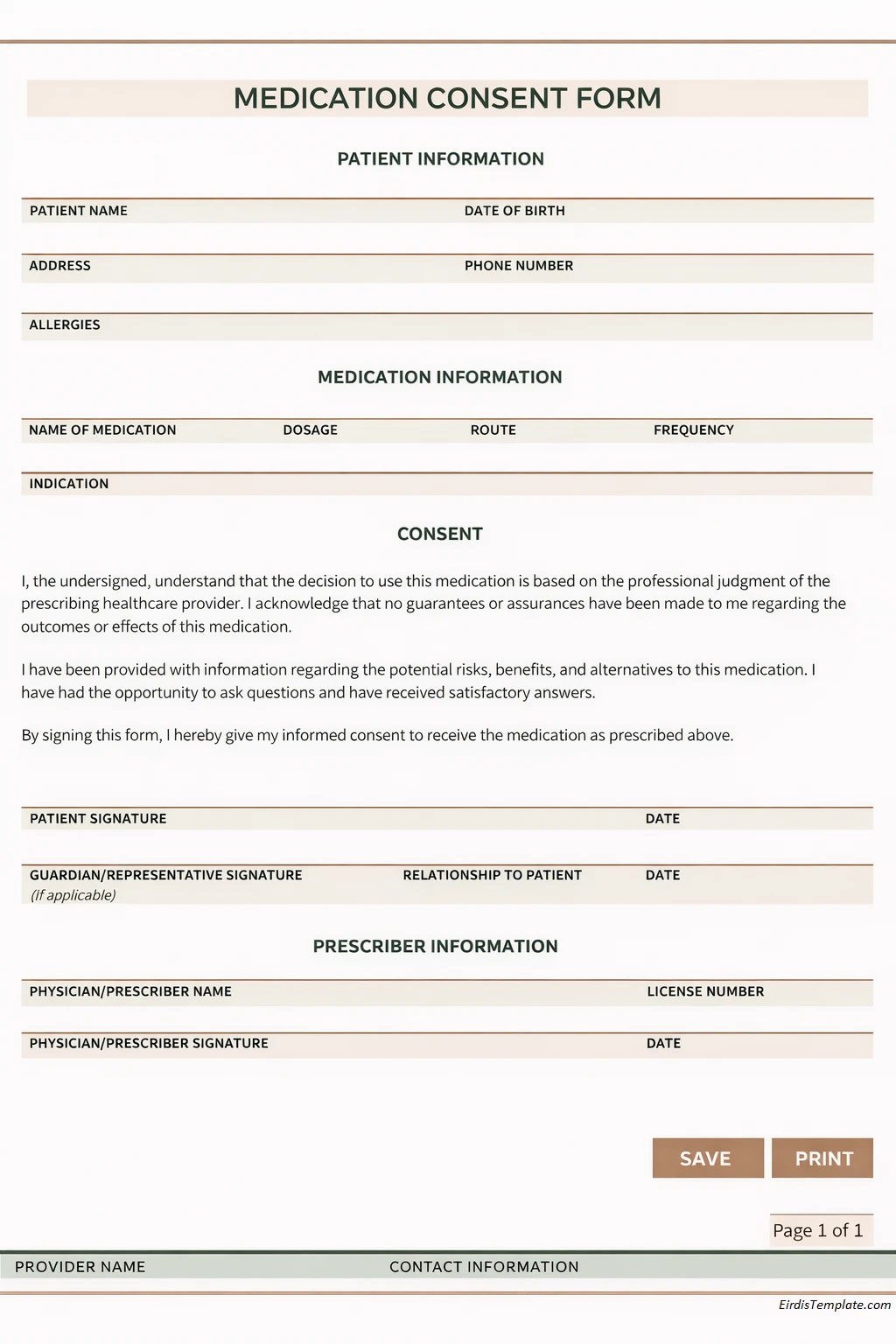
When receiving medical treatment or undergoing a procedure, informed consent is crucial. This is where medical consent forms play a critical role, ensuring that patients have a clear understanding of the risks, benefits, and alternatives before proceeding. Not only does this protect the patient’s right to make autonomous decisions, but it also provides legal protection for healthcare providers.
Let’s delve deeper into the world of medical consent forms and why they are essential in the healthcare industry.
What is a Medical Consent Form?
A medical consent form is a document that patients sign to indicate their informed, voluntary agreement to undergo a specific medical procedure or treatment. It serves as a legal document that demonstrates the patient’s understanding of the nature of the procedure, its potential risks, and any available alternatives.
By signing the consent form, the patient acknowledges that they have been adequately informed by the healthcare provider and have agreed to proceed with the recommended course of action.
Why are Medical Consent Forms Important?
Medical consent forms are vital for both patients and healthcare providers for several reasons:
- Protecting Patient Rights. By signing a medical consent form, patients affirm their autonomy in making healthcare decisions.
- Legal Protection. Medical consent forms provide legal documentation that the patient was informed of the risks and benefits of the procedure, protecting the healthcare provider from potential liability.
- Ethical Obligation. Healthcare providers have a duty to ensure that patients understand their treatment options, and obtaining informed consent fulfills this ethical obligation.
- Clear Communication. Consent forms facilitate clear communication between the patient and healthcare provider, ensuring that both parties are on the same page regarding the planned treatment.
Key Elements of a Medical Consent Form
Medical consent forms typically contain several key elements to ensure that patients are fully informed before consenting to a procedure:
- Description of the Procedure. The form should outline the nature of the procedure or treatment that the patient is consenting to undergo.
- Risks and Benefits. Patients should be informed of the potential risks and benefits associated with the procedure, as well as any alternative treatment options.
- Consent Signature. The patient must sign the consent form to indicate their agreement to proceed with the recommended treatment.
- Date and Time. The form should include the date and time of the patient’s consent to ensure clarity and accuracy.
How to Obtain Medical Consent
Obtaining medical consent involves a series of steps to ensure that patients are fully informed and willing to proceed with the recommended treatment:
- Educate the Patient. Healthcare providers must explain the procedure, risks, benefits, and alternatives to the patient in a clear and understandable manner.
- Answer Questions. Patients should have the opportunity to ask questions and seek clarification before signing the consent form.
- Document Consent. The patient’s consent should be documented in writing on the medical consent form, signed and dated by both the patient and healthcare provider.
- Review the Form. Before the procedure, both the patient and healthcare provider should review the consent form to ensure accuracy and completeness.
Tips for Effective Medical Consent
When it comes to obtaining medical consent, there are some tips to keep in mind to ensure a smooth and effective process:
- Use Plain Language. Avoid medical jargon and use simple, easy-to-understand language when explaining the procedure and associated risks.
- Encourage Questions. Create a comfortable environment for patients to ask questions and address any concerns they may have.
- Provide Written Information. Supplement verbal explanations with written materials to help reinforce key points and ensure clarity.
- Respect Patient Decision. Patients have the right to refuse treatment, so be respectful of their decision if they choose not to consent to the recommended procedure.
Conclusion
Medical consent forms are a fundamental aspect of healthcare that promotes patient autonomy, ensures legal protection for providers, and fosters clear communication between patients and healthcare professionals. By following best practices for obtaining informed consent and prioritizing patient understanding, healthcare providers can uphold ethical standards and deliver quality care to their patients.
Medical Consent Form Template – DOWNLOAD

- Free Printable T-Chart Template - September 12, 2026
- Free Printable Wanted Poster Template - September 12, 2026
- Surprise Party Invitation Template - September 12, 2026
