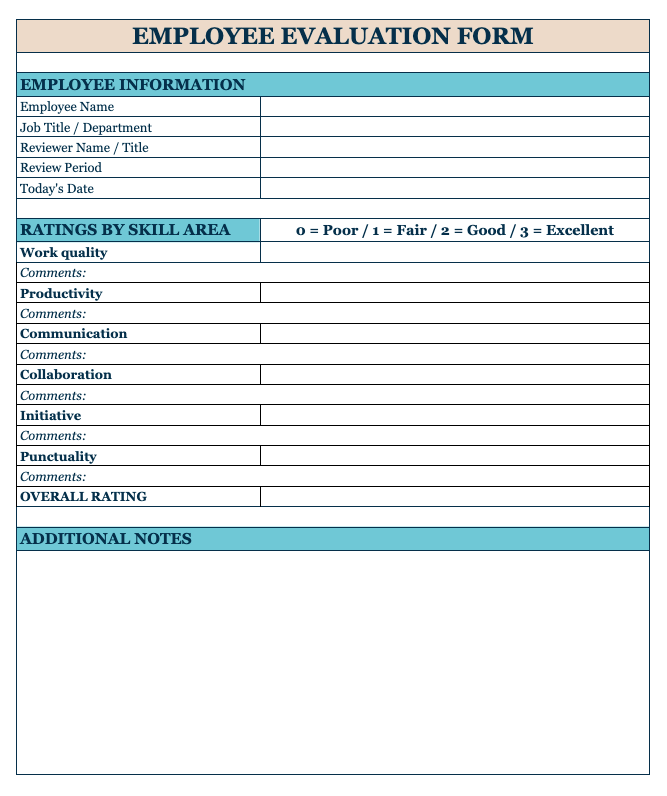
As a manager or business owner, evaluating the performance of your staff is crucial for the success of your organization. One effective way to assess your employees’ performance is through the use of staff evaluation forms. These forms provide a structured way to gather feedback, set goals, and track progress over time. In this comprehensive guide, we will explore everything you need to know about staff evaluation forms, including what they are, why they are important, key elements to include, how to create them, and tips for effective implementation.
What is a Staff Evaluation Form?
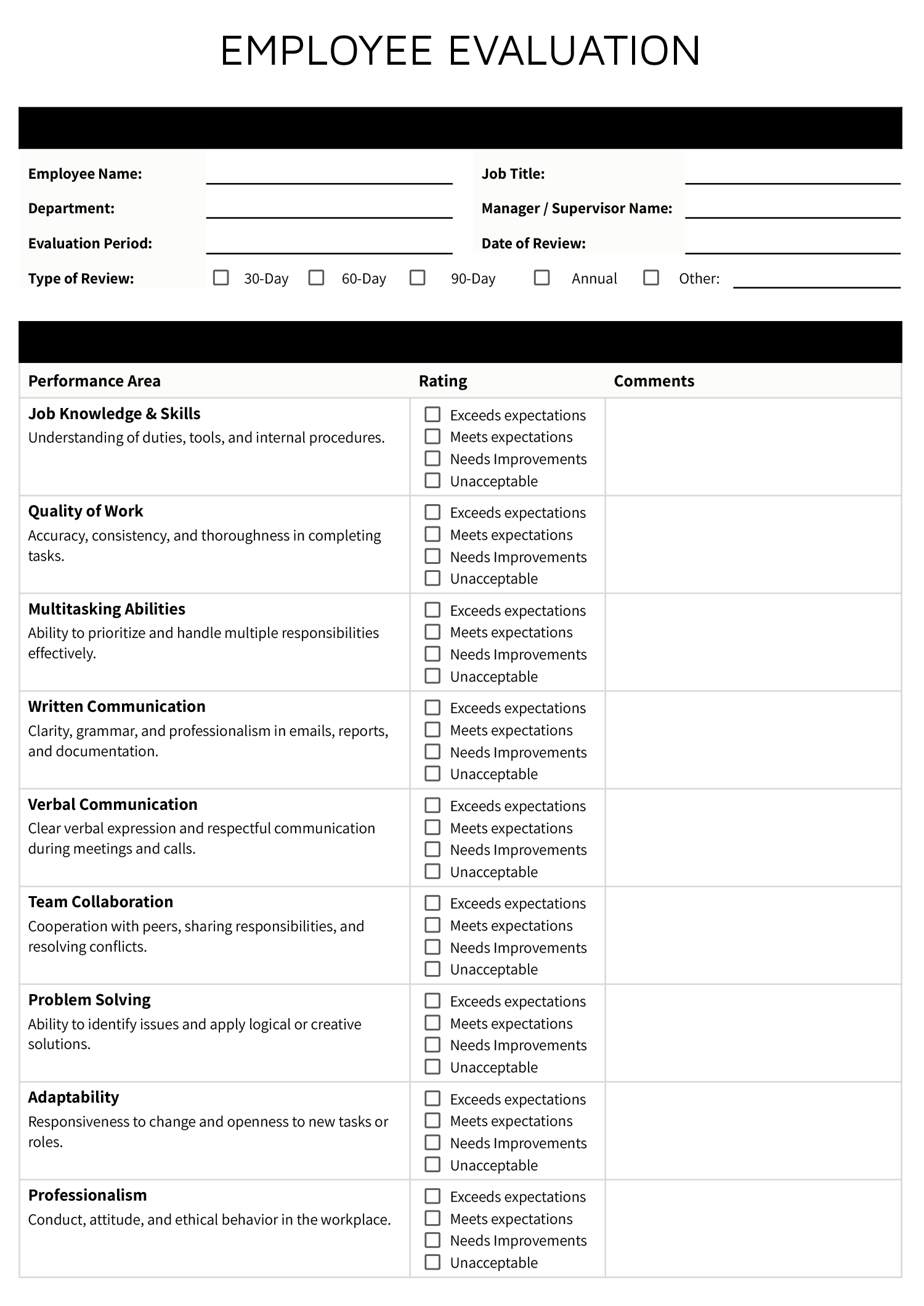
A staff evaluation form is a tool used by managers and supervisors to assess the performance of their employees. It typically includes a series of questions or criteria that the employee is evaluated against, such as job knowledge, communication skills, teamwork, and overall productivity. The form may also provide space for comments and feedback from both the employee and the evaluator. Staff evaluation forms are often used as part of a performance review process to identify strengths and areas for improvement, set goals for development, and provide a basis for future performance evaluations.
Why are Staff Evaluation Forms Important?
Staff evaluation forms play a crucial role in the performance management process for several reasons:
- Objective Feedback: Evaluation forms provide a structured way to gather feedback on an employee’s performance, ensuring that assessments are based on specific criteria rather than subjective opinions.
- Goal Setting: By identifying strengths and areas for improvement, evaluation forms help set clear goals for employee development and career advancement.
- Performance Tracking: Evaluation forms allow managers to track an employee’s progress over time and provide a basis for future performance evaluations.
- Communication: Evaluation forms encourage open communication between employees and managers, fostering a culture of feedback and continuous improvement.
Key Elements of a Staff Evaluation Form
When creating a staff evaluation form, it is important to include key elements that will provide a comprehensive assessment of an employee’s performance. Some essential elements to consider are:
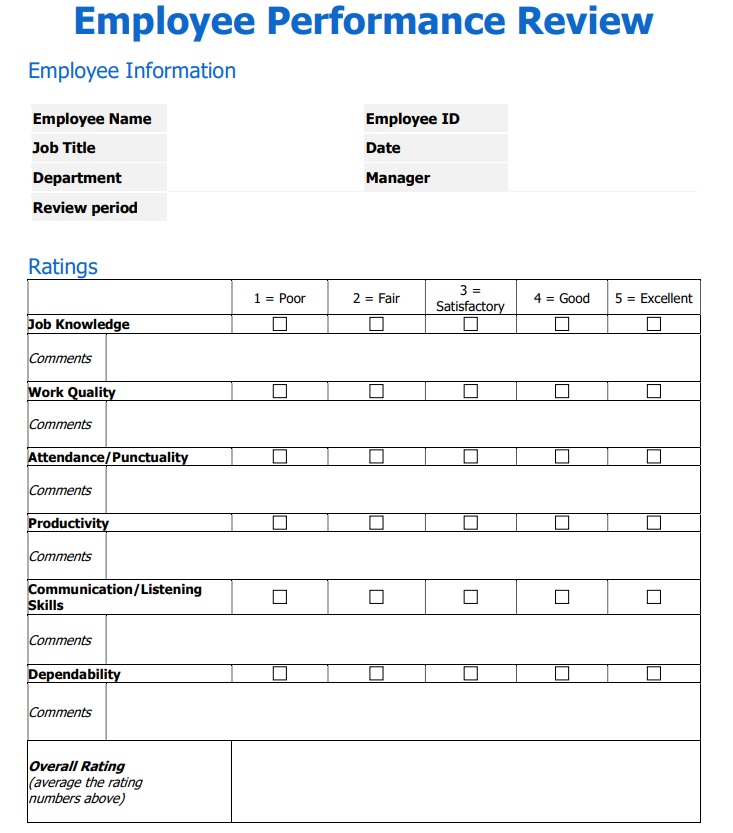
- Employee Information: Include basic details such as employee name, job title, department, and evaluation period.
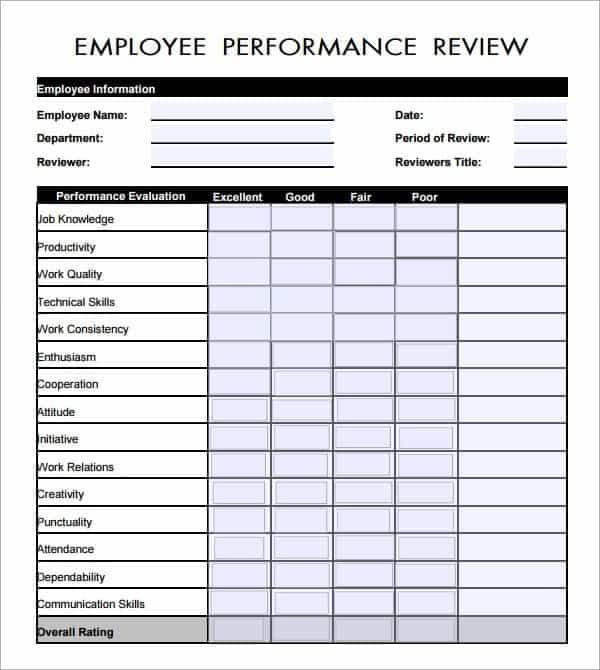
- Evaluation Criteria: Define clear and specific criteria for evaluation, such as job knowledge, communication skills, teamwork, and problem-solving abilities.
- Rating Scale: Use a rating scale (e.g., Excellent, Good, Fair, Poor) to assess performance against each criterion.
- Comments Section: Provide space for both the employee and the evaluator to provide comments, feedback, and suggestions for improvement.
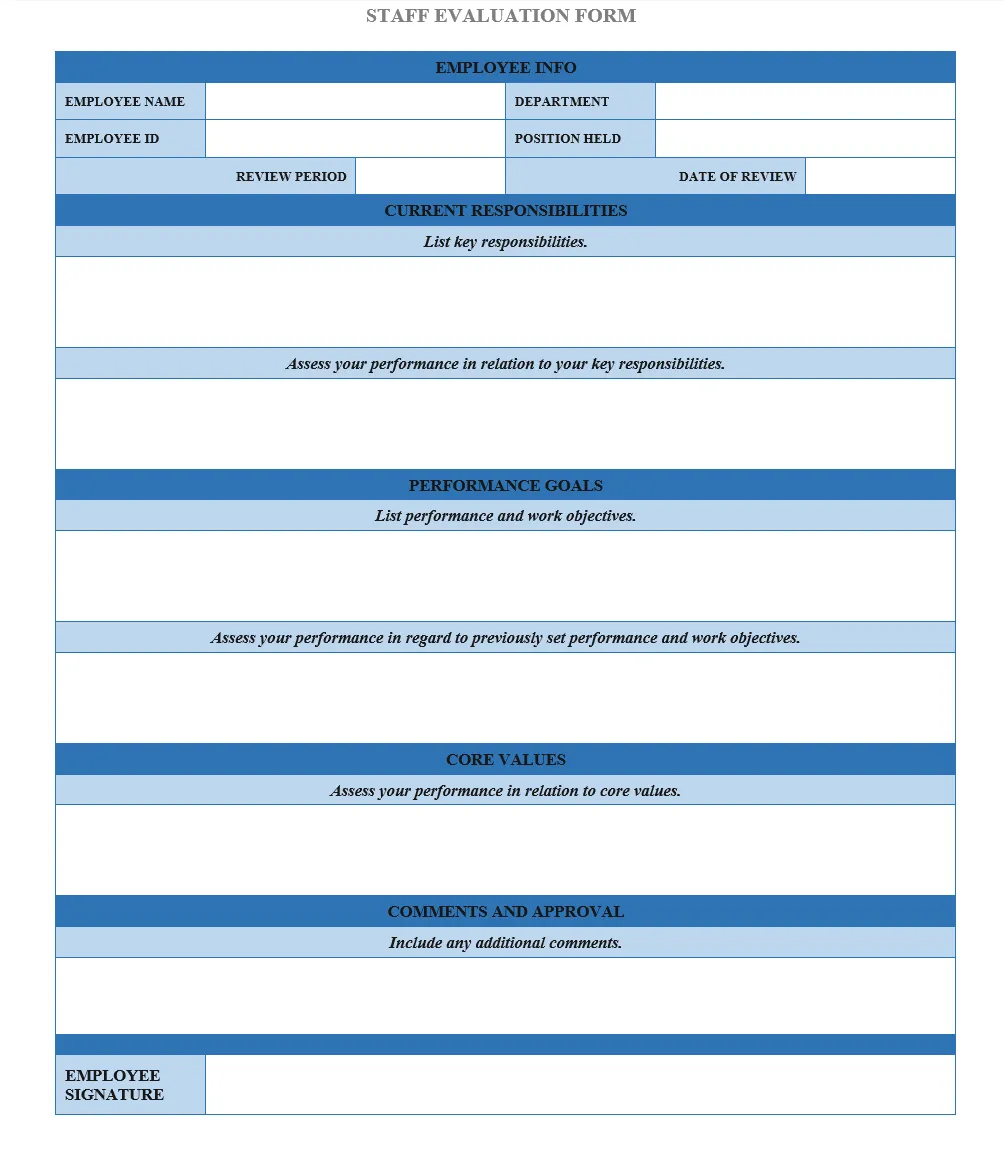
- Goal Setting: Include a section for setting goals and objectives for the employee’s development and growth.
How to Create a Staff Evaluation Form
Creating a staff evaluation form requires careful planning and consideration of the specific needs of your organization. Here are some steps to help you create an effective staff evaluation form:
1. Define Evaluation Criteria:
Identify the key performance areas that are important for assessing employee performance, such as job knowledge, communication skills, teamwork, and productivity.
2. Choose a Rating Scale:
Select a rating scale that best reflects the performance levels of your employees, such as numerical ratings, descriptive scales, or a combination of both.
3. Design the Form Layout:
Create a clear and organized layout for the form, with sections for employee information, evaluation criteria, ratings, comments, and goal setting.
4. Include Space for Comments:
Provide ample space for both the employee and the evaluator to provide comments, feedback, and suggestions for improvement.
5. Set SMART Goals:
Encourage employees to set Specific, Measurable, Achievable, Relevant, and Time-bound goals for their development and growth.
6. Pilot Test the Form:
Before implementing the form organization-wide, pilot test it with a small group of employees to gather feedback and make any necessary revisions.
7. Train Managers on Evaluation Process:
Provide training to managers and supervisors on how to conduct effective evaluations using the staff evaluation form, including providing feedback and setting goals.
8. Schedule Regular Evaluation Meetings:
Establish a schedule for regular performance evaluation meetings to discuss the completed staff evaluation forms with employees and provide feedback on their performance.
9. Monitor Progress and Adjust Goals:
Track employee progress against the goals set in the evaluation form and make adjustments as needed to ensure continuous improvement.
10. Provide Ongoing Feedback:
Encourage ongoing feedback between employees and managers beyond the formal evaluation process to support employee development and growth.
Tips for Effective Staff Evaluation Forms
To maximize the effectiveness of staff evaluation forms, consider the following tips:
- Be Specific: Use clear and specific language when defining evaluation criteria and providing feedback.
- Focus on Behavior: Evaluate behaviors and actions rather than personality traits or personal characteristics.
- Encourage Dialogue: Foster open communication between employees and managers to promote a culture of feedback and continuous improvement.
- Set Clear Goals: Establish SMART goals for employee development and growth that are aligned with the organization’s objectives.
- Provide Training: Offer training to managers on how to conduct effective evaluations and provide constructive feedback.
- Use Feedback Wisely: Use the feedback gathered from evaluation forms to provide meaningful and actionable insights for employee development.
- Review and Revise Regularly: Regularly review and revise the staff evaluation form to ensure it remains relevant and aligned with the organization’s goals.
- Celebrate Success: Recognize and celebrate employees’ achievements and progress based on the feedback received through the evaluation process.
Staff Evaluation Form Template

- Free Student Resume Template (Word) - September 21, 2026
- Free Printable Travel Itinerary Template - September 21, 2026
- Free Printable Trip Schedule Template - September 21, 2026
