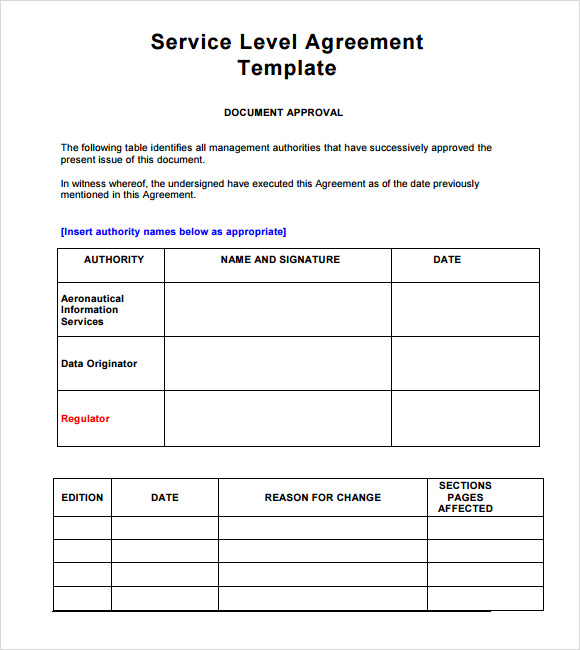
In the world of business, a Service Level Agreement (SLA) is a crucial document that outlines the terms and conditions of the services provided by a company to its customers. It serves as a contract that specifies the level of service that the customer can expect, as well as the consequences if the service levels are not met. SLAs are commonly used in various industries such as IT, telecommunications, and outsourcing, to ensure that both parties are clear on what is expected.
What is a Service Level Agreement?
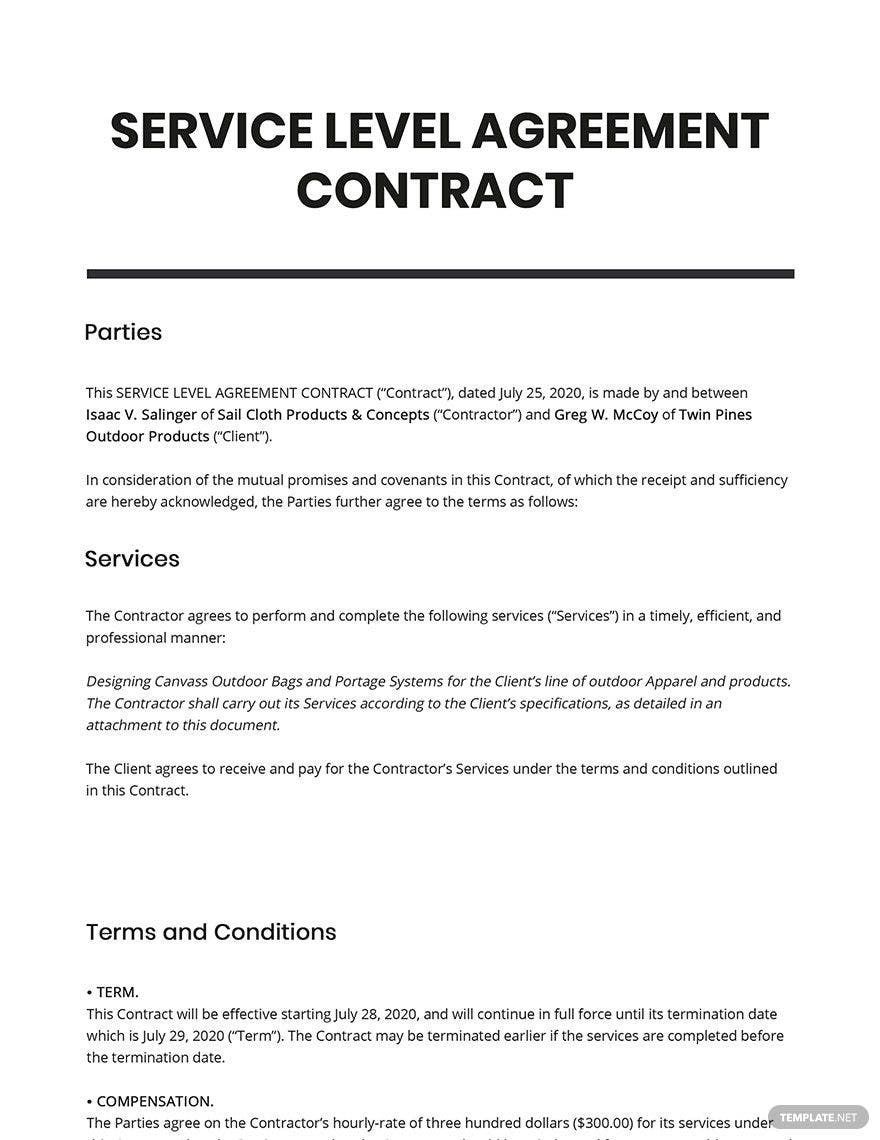
A Service Level Agreement (SLA) is a formal contract between a service provider and a customer that defines the level of service expected from the provider. It outlines the specific services that will be provided, the standards to which those services will be delivered, and the metrics by which the service provider’s performance will be measured. SLAs are designed to ensure that both parties have a clear understanding of their roles and responsibilities, and to provide a basis for resolving any disputes that may arise.
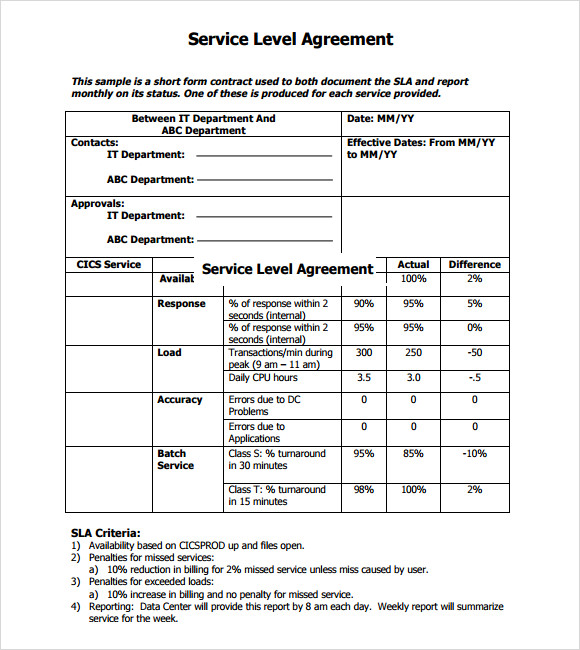
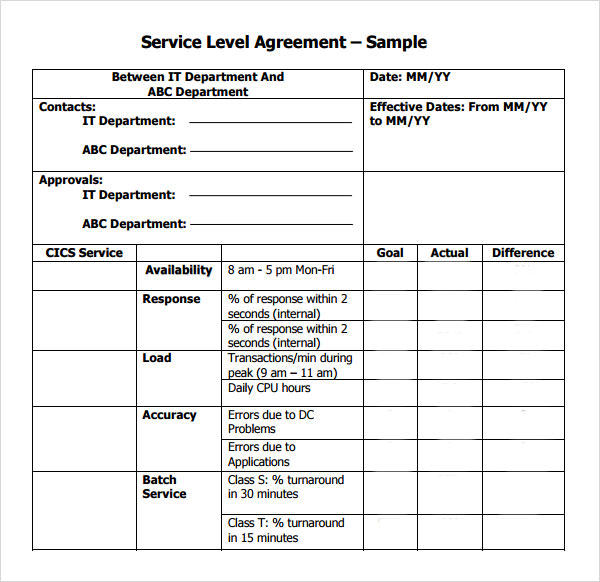
SLAs can cover a wide range of services, such as network availability, response times for support requests, and uptime guarantees for websites or applications. They are typically negotiated between the service provider and the customer before the services are delivered, and can be customized to meet the specific needs of each party.
Why are Service Level Agreements Important?
Service Level Agreements are important for several reasons. Firstly, they help to set clear expectations between the service provider and the customer. By clearly defining the services that will be provided and the standards to which they will be delivered, SLAs ensure that both parties are on the same page from the outset. This can help to prevent misunderstandings and disputes down the line.
Secondly, SLAs provide a framework for measuring the performance of the service provider. By specifying the metrics that will be used to evaluate the provider’s performance, SLAs enable the customer to hold the provider accountable for meeting their obligations. This can help to ensure that the customer receives the level of service they are paying for, and can provide a basis for seeking compensation if the service levels are not met.
Key Elements of a Service Level Agreement
When drafting a Service Level Agreement, there are several key elements that should be included to ensure that the document is comprehensive and effective. Some of the key elements of an SLA include:
- Service Description: A detailed description of the services that will be provided, including the scope, duration, and frequency of the services.
- Service Level Objectives: The specific goals that the service provider is expected to meet, such as response times, uptime guarantees, and performance metrics.
- Metrics and Measurements: The criteria by which the service provider’s performance will be evaluated, including how the metrics will be measured and reported.
- Roles and Responsibilities: A clear outline of the roles and responsibilities of both the service provider and the customer, including any obligations or requirements that must be met.
- Escalation Procedures: The process for escalating issues or complaints, including how and when they should be raised and resolved.
- Penalties and Remedies: The consequences for failing to meet the service level objectives, including any penalties or remedies that may be imposed.
- Termination Clause: The conditions under which either party can terminate the agreement, including any notice periods or requirements.
- Confidentiality and Security: The measures that will be taken to protect the confidentiality and security of the customer’s data and information.
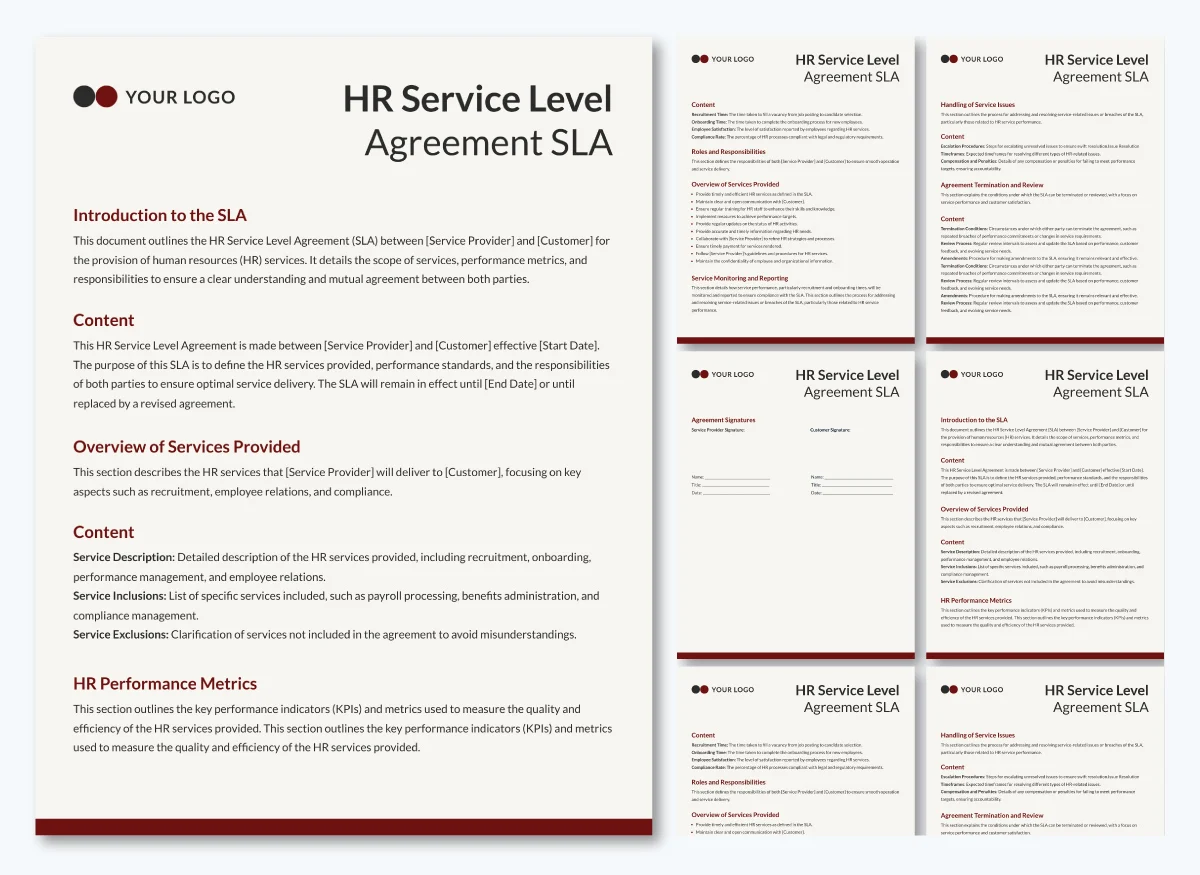
How to Create an Effective Service Level Agreement
Creating an effective Service Level Agreement requires careful planning and consideration of the specific needs and requirements of both parties. Here are some tips for creating a successful SLA:
- Understand the Needs: Take the time to understand the specific needs and expectations of the customer, and tailor the SLA to meet those requirements.
- Be Clear and Specific: Clearly define the services that will be provided, the standards to which they will be delivered, and the metrics by which performance will be measured.
- Set Realistic Goals: Ensure that the service level objectives are achievable and realistic, taking into account the capabilities and resources of the service provider.
- Communicate Effectively: Keep the lines of communication open between the service provider and the customer, and ensure that any changes or updates to the SLA are communicated promptly.
- Monitor and Review: Regularly monitor and review the performance of the service provider against the SLA, and make any necessary adjustments or improvements to ensure that the service levels are being met.
Conclusion
In conclusion, Service Level Agreements are an essential tool for ensuring that both service providers and customers have a clear understanding of their roles and responsibilities. By outlining the services that will be provided, the standards to which they will be delivered, and the metrics by which performance will be measured, SLAs help to set clear expectations and provide a basis for resolving any disputes that may arise. By following the key elements and tips outlined in this article, businesses can create effective SLAs that help to improve the quality of their services and build stronger relationships with their customers.
Service Level Agreement Template

- Free Printable Affidavit Form Template - October 2, 2026
- Printable Adoption Certificate Template - October 2, 2026
- Free Printable Address Label Template - October 2, 2026
