When it comes to real estate transactions, a quit-claim deed form plays a crucial role in transferring property ownership from one party to another. Whether you are looking to add or remove a name from the property title, this legal document is essential in facilitating the process.
In this guide, we will delve into the intricacies of quit-claim deed forms, exploring what they are, why they are important, what to include in them, how to fill them out, and some useful tips to keep in mind.
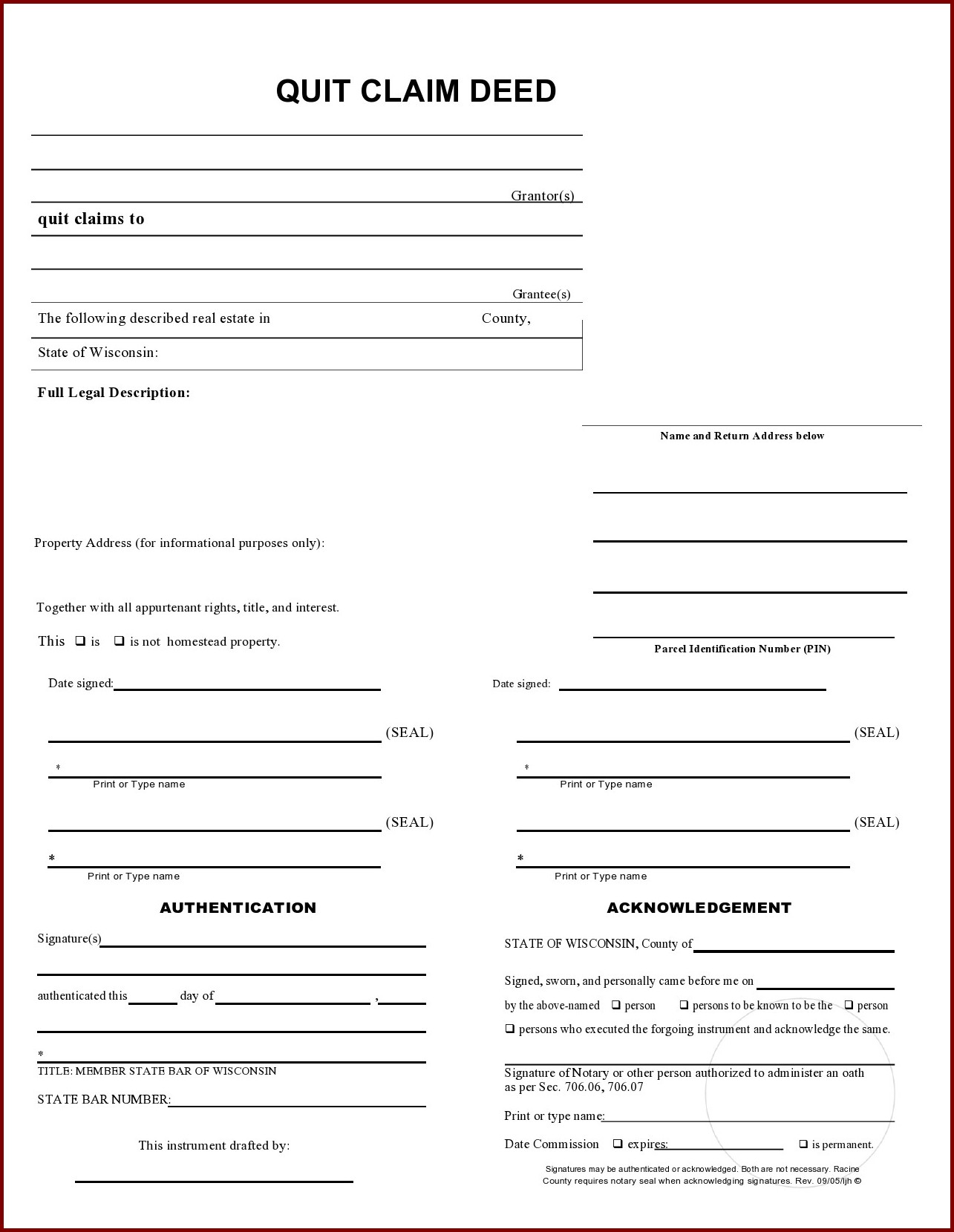
What is a Quit-Claim Deed Form?
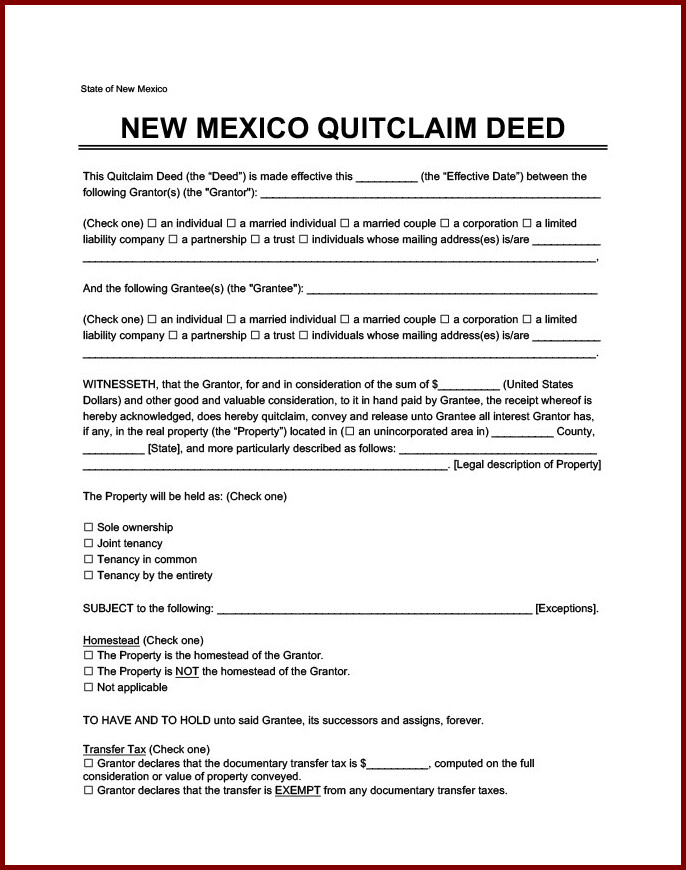
A quit-claim deed form is a legal document used to transfer ownership interest in a property from one party to another. Unlike a warranty deed, which guarantees the title is clear of any encumbrances, a quit-claim deed offers no such assurances. Instead, it simply transfers whatever interest the grantor (the person transferring the property) may have in the property to the grantee (the person receiving the property).
Why Use a Quit-Claim Deed Form?
There are several situations where a quit-claim deed form may be necessary:
- Transferring Property Between Family Members: If you are transferring property between family members, a quit-claim deed can simplify the process.
- Adding or Removing a Name from the Title: If there is a change in ownership structure, a quit-claim deed can update the property title accordingly.
- Resolving Ownership Disputes: In cases where there are conflicting claims to a property, a quit-claim deed can help clarify ownership.
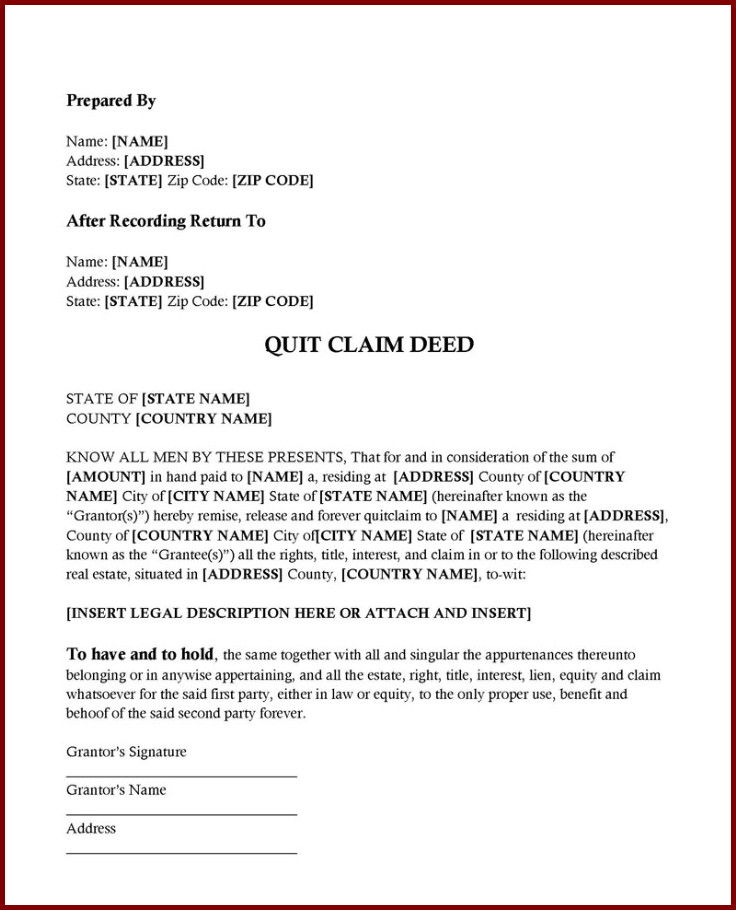
What to Include in a Quit-Claim Deed Form
When filling out a quit-claim deed form, several key elements must be included:
- Names of Grantor and Grantee: The full legal names of both parties involved in the transfer.
- Description of the Property: A detailed description of the property being transferred, including its address and legal description.
- Consideration: The amount of money, if any, being exchanged for the property.
- Notary Public Signature: The document must be signed in the presence of a notary public to be legally binding.
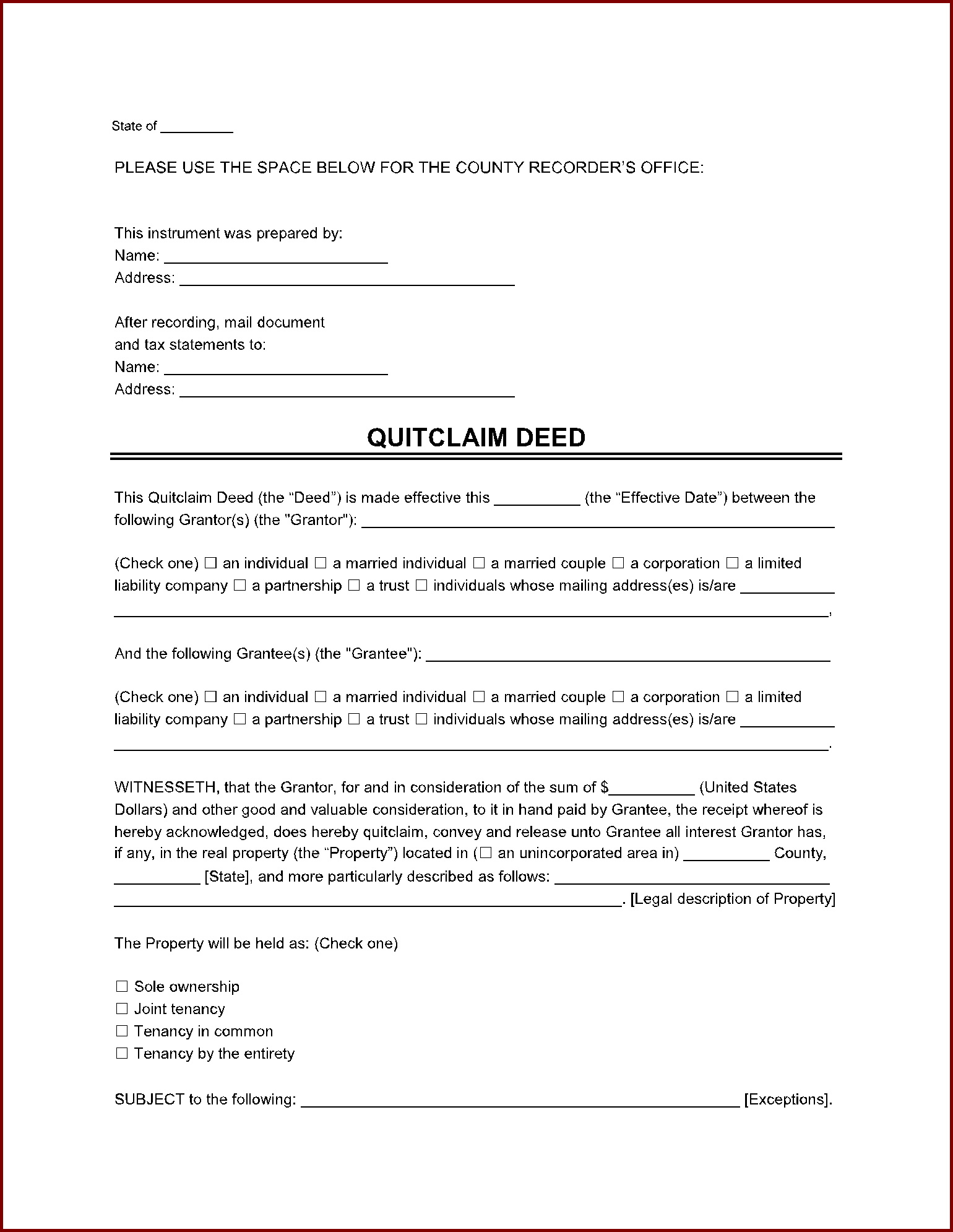
How to Fill Out a Quit-Claim Deed Form
When filling out a quit-claim deed form, follow these steps:
1. Obtain the Form:
Start by obtaining a quit-claim deed form from a legal stationery store or online resource.
2. Complete the Form:
Fill in the necessary information, including the names of the grantor and grantee, property description, consideration, and signatures.
3. Notarize the Document:
Sign the document in the presence of a notary public, who will verify the identities of the parties involved.
4. Record the Deed:
After the document is notarized, record it with the county recorder’s office to make the transfer official.
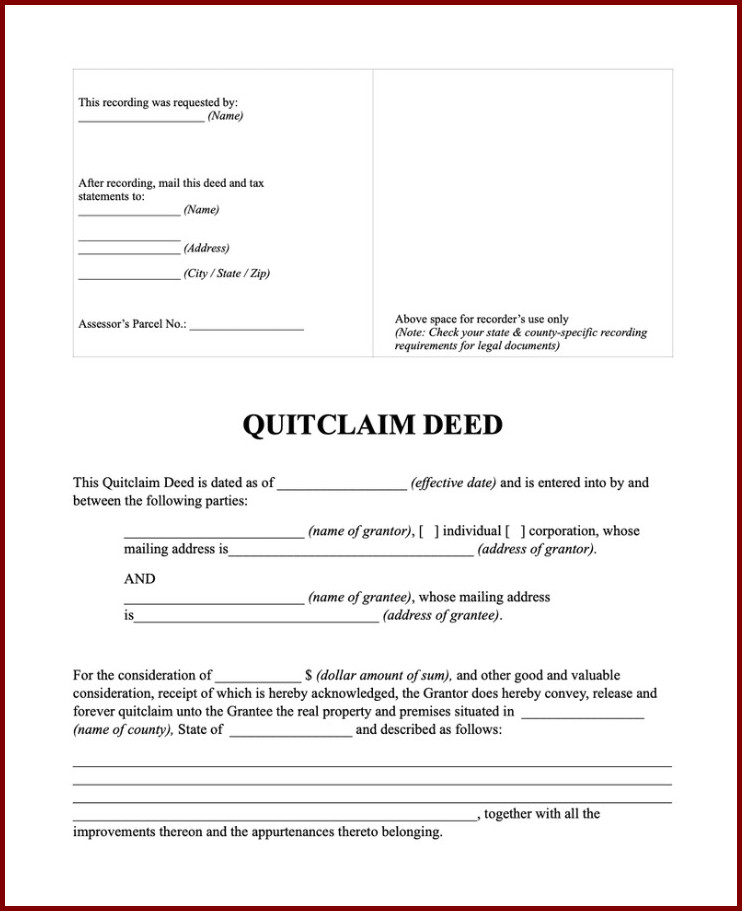
Tips for Using a Quit-Claim Deed Form
Here are some tips to keep in mind when using a quit-claim deed form:
- Consult with a Real Estate Attorney: If you are unsure about the legal implications of a quit-claim deed, seek advice from a real estate attorney.
- Ensure Accuracy: Double-check all information on the form to avoid any mistakes that could invalidate the document.
- Keep Copies: Make copies of the completed deed for your records and provide copies to all parties involved in the transfer.
Conclusion
In conclusion, a quit-claim deed form is a valuable tool for transferring property ownership in various circumstances. By understanding what a quit-claim deed is, why it is important, what to include in it, how to fill it out, and some useful tips for using it, you can navigate the process with confidence and ensure a smooth transfer of property ownership.
Quit-Claim Deed Form Template – Word

- Free Printable Affidavit Form Template - October 2, 2026
- Printable Adoption Certificate Template - October 2, 2026
- Free Printable Address Label Template - October 2, 2026
