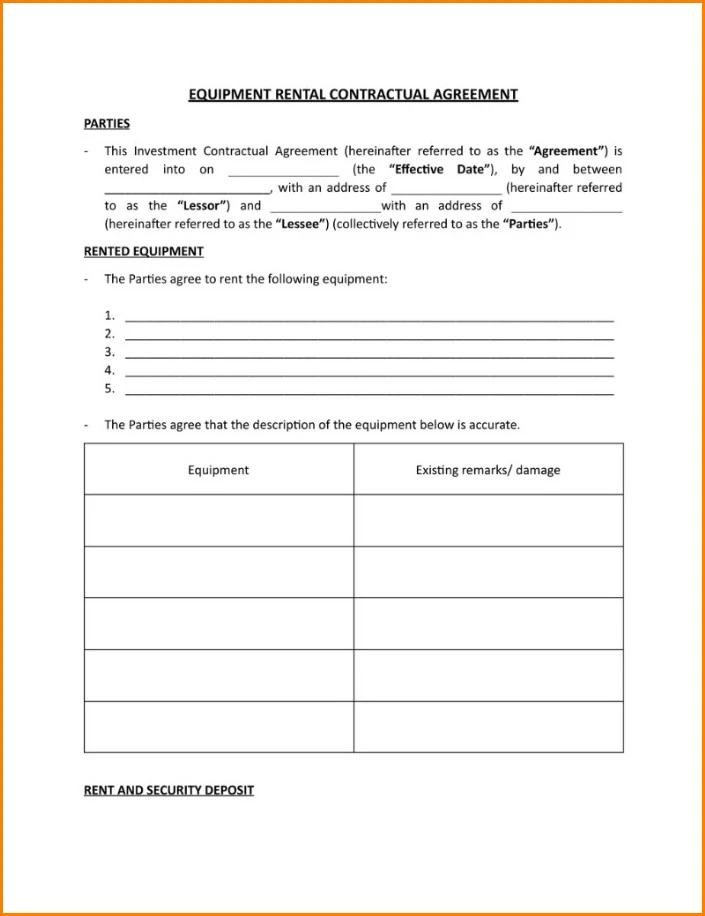
What is a Machine Lease Agreement?
A machine lease agreement is a legal contract that enables a company to utilize expensive equipment owned by another party for a specified period in exchange for regular payments. It provides businesses with access to machinery without the need for a substantial upfront investment, making it an attractive option for companies looking to conserve cash flow.
The agreement typically outlines the terms and conditions of the lease, including payment terms, maintenance responsibilities, and insurance requirements.
Why Choose a Machine Lease Agreement?
There are several compelling reasons why businesses opt for machine lease agreements over purchasing equipment outright:
Conserves Cash Flow
One of the primary reasons businesses choose to lease equipment is to conserve their cash flow. By spreading out the cost of the equipment over the lease term, companies can allocate their funds to other critical areas of the business, such as marketing, expansion, or employee development. This can help improve the overall financial health of the company and provide more flexibility in managing expenses.
Flexibility for Upgrades
Lease agreements offer businesses the flexibility to upgrade to newer equipment as technology advances or their needs change. This can be especially beneficial in industries where equipment quickly becomes obsolete or where companies need to stay competitive by using the latest machinery. Instead of being stuck with outdated equipment, businesses can easily transition to newer models without the financial burden of purchasing new machinery outright.
Reduced Risk of Disputes
By clearly outlining the responsibilities of both parties in the lease agreement, the risk of disputes or misunderstandings is significantly reduced. The agreement typically covers aspects such as payment terms, maintenance responsibilities, insurance requirements, and conditions for early termination. Having these details clearly defined can help prevent conflicts and ensure a smooth working relationship between the lessor and lessee throughout the lease term.
Short-term and Long-term Solutions
Machine lease agreements offer businesses both short-term and long-term solutions for acquiring equipment. Whether a company needs machinery for a specific project or ongoing operations, the lease term can be customized to meet their needs. This flexibility allows businesses to scale their equipment usage based on demand without being locked into a long-term commitment, providing greater adaptability in a constantly evolving business environment.
Try Equipment Before Purchasing
One of the key advantages of leasing equipment is the ability for businesses to try out the machinery before committing to a purchase. This trial period allows companies to assess whether the equipment meets their operational requirements, efficiency standards, and performance expectations. By testing the equipment during the lease term, businesses can make informed decisions about whether to invest in the machinery long-term or explore other options that better suit their needs.
What to Include in a Machine Lease Agreement?
When crafting a machine lease agreement, it’s essential to include specific details to protect the interests of both parties involved in the transaction:
Detailed Equipment Description
One of the critical components of a machine lease agreement is a detailed description of the equipment being leased. This should include specifics such as the make, model, year, serial number, and any unique features or accessories included with the machinery. A clear and comprehensive equipment description helps avoid confusion or disputes over the type of equipment being leased and ensures both parties are on the same page regarding the terms of the agreement.
Lease Term and Renewal Options
Clearly defining the lease term is essential in a machine lease agreement to establish the duration of the lease and when it begins and ends. Additionally, specifying any renewal options or conditions for extending the lease term can provide both parties with clarity on the potential continuation of the agreement beyond the initial term. Including these details upfront can help prevent misunderstandings and facilitate smooth negotiations when considering lease extensions.
Payment Schedule and Terms
The payment schedule and terms outlined in the lease agreement should clearly define the amount due, the frequency of payments, and the accepted payment methods. Additionally, detailing any penalties for late payments or defaulting on payment obligations can help incentivize timely payments and protect the lessor’s financial interests. Establishing a transparent payment structure ensures both parties are aware of their financial responsibilities and helps maintain a positive working relationship throughout the lease term.
Maintenance Responsibilities and Procedures
Clarifying maintenance responsibilities and procedures in the lease agreement is crucial to ensure the equipment remains in optimal condition throughout the lease term. Detailing who is responsible for routine maintenance, repairs, and servicing of the machinery can help prevent operational disruptions and prolong the lifespan of the equipment. Additionally, outlining the procedures for reporting maintenance issues and resolving equipment-related concerns can streamline communication between the lessor and lessee and promote efficient equipment management.
Insurance Coverage Requirements
Specifying the insurance coverage requirements for the leased equipment is essential to protect both parties from potential liabilities and risks. The lease agreement should outline the types of insurance coverage needed, such as general liability insurance, property damage insurance, or equipment breakdown insurance. Ensuring that adequate insurance policies are in place can safeguard the lessor and lessee in the event of accidents, damages, or other unforeseen circumstances that may arise during the lease term.
How to Negotiate a Machine Lease Agreement
Negotiating a machine lease agreement requires careful consideration and preparation to ensure that the terms are fair and favorable for both parties involved. Here are some tips to help navigate the negotiation process:
Understand Your Equipment Needs
Prior to entering into lease negotiations, it’s important to have a clear understanding of your business’s equipment needs. Consider factors such as the type of machinery required, the expected duration of use, and any specific features or capabilities that are essential for your operations. Having a comprehensive understanding of your equipment requirements can help you articulate your needs effectively during negotiations and ensure that the lease terms align with your business objectives.
Research Market Rates and Terms
Before negotiating a machine lease agreement, research market rates and terms for similar types of equipment leases in your industry. Understanding typical lease terms, payment structures, and maintenance responsibilities can provide valuable insights into what constitutes a fair and competitive agreement. By familiarizing yourself with industry standards and benchmarks, you can enter negotiations with a realistic understanding of what to expect and advocate for terms that are favorable for your business.
Clarify Roles and Responsibilities
During lease negotiations, it’s essential to clarify the roles and responsibilities of both parties to ensure that each party understands their obligations under the agreement. Discuss maintenance responsibilities, insurance requirements, payment terms, and any other key aspects of the lease to avoid misunderstandings or disputes later on. Clearly defining the scope of each party’s responsibilities can help establish a strong foundation for a successful and mutually beneficial lease arrangement.
Seek Professional Advice
If you’re unfamiliar with the intricacies of negotiating a machine lease agreement, consider seeking professional advice from legal experts or industry consultants. A legal professional can review the terms of the agreement, offer guidance on potential risks or liabilities, and ensure that your interests are protected throughout the negotiation process. Having expert advice can provide you with the confidence and assurance that the lease agreement is structured in a way that aligns with your business goals and safeguards your investment.
Negotiate Payment Terms
Payment terms are a critical aspect of any lease agreement, and negotiating favorable terms can help ensure that the agreement aligns with your financial capabilities and objectives. Discuss the payment schedule, amount, frequency, and any penalties for late payments to establish a payment structure that is feasible for your business. Consider proposing alternative payment arrangements, such as flexible payment options or incentives for early payments, to create a mutually beneficial agreement that meets the needs of both parties.
Consider Equipment Upgrades
When negotiating a machine lease agreement, it’s important to discuss options for equipment upgrades during the lease term. Technology evolves rapidly, and having the flexibility to upgrade to newer, more advanced equipment can help your business stay competitive and efficient. Explore whether the lease agreement includes provisions for upgrading equipment, the process for transitioning to newer models, and any associated costs or considerations. By planning for equipment upgrades upfront, you can ensure that your business has access to the latest technology without incurring additional expenses.
Review Termination Clauses
Reviewing termination clauses in the lease agreement is crucial to understanding the conditions under which the lease can be terminated early and any associated penalties or obligations. Consider scenarios in which you may need to terminate the lease prematurely, such as changes in business operations or unforeseen circumstances, and ensure that the agreement offers clear guidelines for such situations. Discuss the process for terminating the lease, any notice requirements, and potential costs or liabilities involved to protect your business interests and avoid disputes in the future.
Document All Agreements
Throughout the negotiation process, it’s essential to document all agreements, discussions, and revisions to the lease terms to ensure that both parties are on the same page. Keep detailed records of all communications, proposals, and changes to the agreement, and request written confirmation of any modifications or amendments. Having a comprehensive record of the negotiation process can help prevent misunderstandings, disputes, or disagreements later on and provide clarity on the terms of the lease agreement for both parties.
Tips for Successful Machine Lease Agreements
Successfully navigating a machine lease agreement requires careful planning, communication, and attention to detail. Here are some tips to help ensure a smooth and productive lease arrangement:
Read the Fine Print Carefully
Before signing a machine lease agreement, carefully review the terms and conditions outlined in the contract. Pay close attention to details such as payment terms, lease duration, maintenance responsibilities, insurance requirements, and termination clauses. Ensure that you fully understand all aspects of the agreement and seek clarification on any provisions that are unclear or ambiguous. Reading the fine print can help you avoid potential pitfalls and ensure that the lease terms align with your expectations and objectives.
Communicate Effectively with the Lessor
Maintaining open lines of communication with the lessor is key to a successful lease agreement. Clearly communicate your equipment needs, expectations, and concerns with the lessor to ensure that both parties are on the same page. Address any questions or issues promptly and proactively to prevent misunderstandings or conflicts from arising. Effective communication can foster a positive working relationship with the lessor and facilitate smooth cooperation throughout the lease term.
Keep Detailed Records of Equipment Usage
Keeping detailed records of equipment usage, maintenance, and repairs is essential for monitoring the condition of the leased machinery and documenting any issues that arise during the lease term. Maintain a log of equipment usage, service dates, maintenance activities, and any repairs or replacements performed on the machinery. This documentation can serve as valuable evidence in case of disputes, warranty claims, or insurance issues and help demonstrate that the equipment was properly cared for during the lease period.
Plan for Equipment Renewal or Return
Start planning for equipment renewal or return well in advance of the lease expiration date to ensure a seamless transition. Consider whether you want to renew the lease, upgrade to newer equipment, or return the machinery at the end of the lease term. Discuss renewal options with the lessor, evaluate the condition of the equipment, and assess your ongoing equipment needs to make an informed decision. Planning can help you avoid last-minute negotiations or disruptions to your business operations.
Seek Legal Advice When Needed
If you encounter complex legal terms or are unsure about any aspect of the lease agreement, don’t hesitate to seek legal advice from a qualified professional. A legal expert can review the terms of the agreement, explain your rights and obligations, and guide on potential risks or liabilities. Consulting with a lawyer can help you navigate the legal intricacies of the lease agreement, protect your interests, and ensure that the terms of the agreement are fair and equitable for your business.
By following these tips and strategies, you can effectively negotiate and manage a machine lease agreement that meets your business needs, protects your interests, and facilitates a productive working relationship with the lessor. A well-crafted lease agreement can provide your business with the equipment it needs to thrive, without the financial burden of purchasing machinery outright.
Machine Lease Agreement Template – DOWNLOAD

- Printable Bill of Lading Form Template - October 8, 2026
- Free Behavior Contract Template (Word) - October 8, 2026
- Free Printable Baseball Schedule Template - October 8, 2026
