In the world of finance and business transactions, payment receipts play a crucial role in documenting the exchange of money for goods or services. A payment receipt is a written acknowledgment that a payment has been made and received. It serves as proof of payment and helps in keeping track of financial transactions.
Whether you are a business owner collecting payments from customers or an individual paying for a purchase, understanding the importance of payment receipts is essential.
What is a Payment Receipt?
A payment receipt is a document that confirms the payment of a specific amount of money for a product or service. It typically includes details such as the amount paid, the date of payment, the payment method used, and the purpose of the payment. Payment receipts are commonly used in businesses to provide customers with a record of their transactions. They can be issued in physical form, such as a printed receipt, or in electronic form, such as an email or a digital receipt.
Payment receipts serve as proof of payment and are important for both the payer and the payee. For the payer, a payment receipt helps in keeping track of expenses and budgeting. For the payee, it serves as a record of income and helps in maintaining accurate financial records. Payment receipts are also crucial for resolving any disputes or discrepancies that may arise in the future.
Why are Payment Receipts Important?
Payment receipts play a vital role in ensuring transparency and accountability in financial transactions. They provide evidence that a payment has been made and received, which can be useful for both parties involved. Here are some reasons why payment receipts are important:
- Proof of Payment: Payment receipts serve as legal proof that a payment has been made, which can be used in case of disputes or discrepancies.
- Record-Keeping: Payment receipts help in maintaining accurate financial records and tracking expenses.
- Customer Satisfaction: Providing customers with payment receipts can enhance their trust and satisfaction with your business.
- Tax Purposes: Payment receipts are essential for filing taxes and claiming deductions on business expenses.
- Dispute Resolution: In case of any misunderstandings or disagreements, payment receipts can help in resolving issues amicably.
- Audit Trail: Payment receipts create a trail of financial transactions, which is useful for audits and compliance purposes.
What to Include in a Payment Receipt
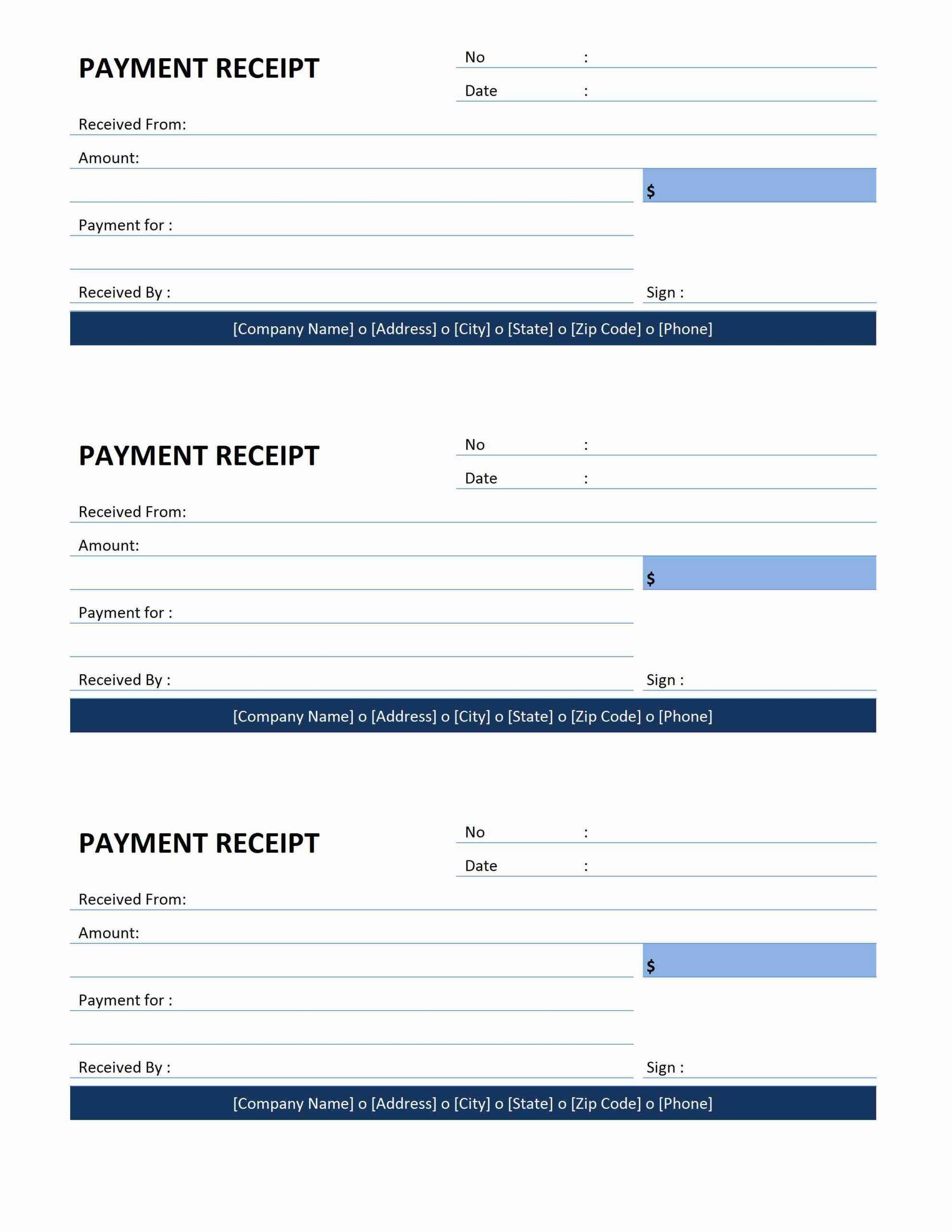
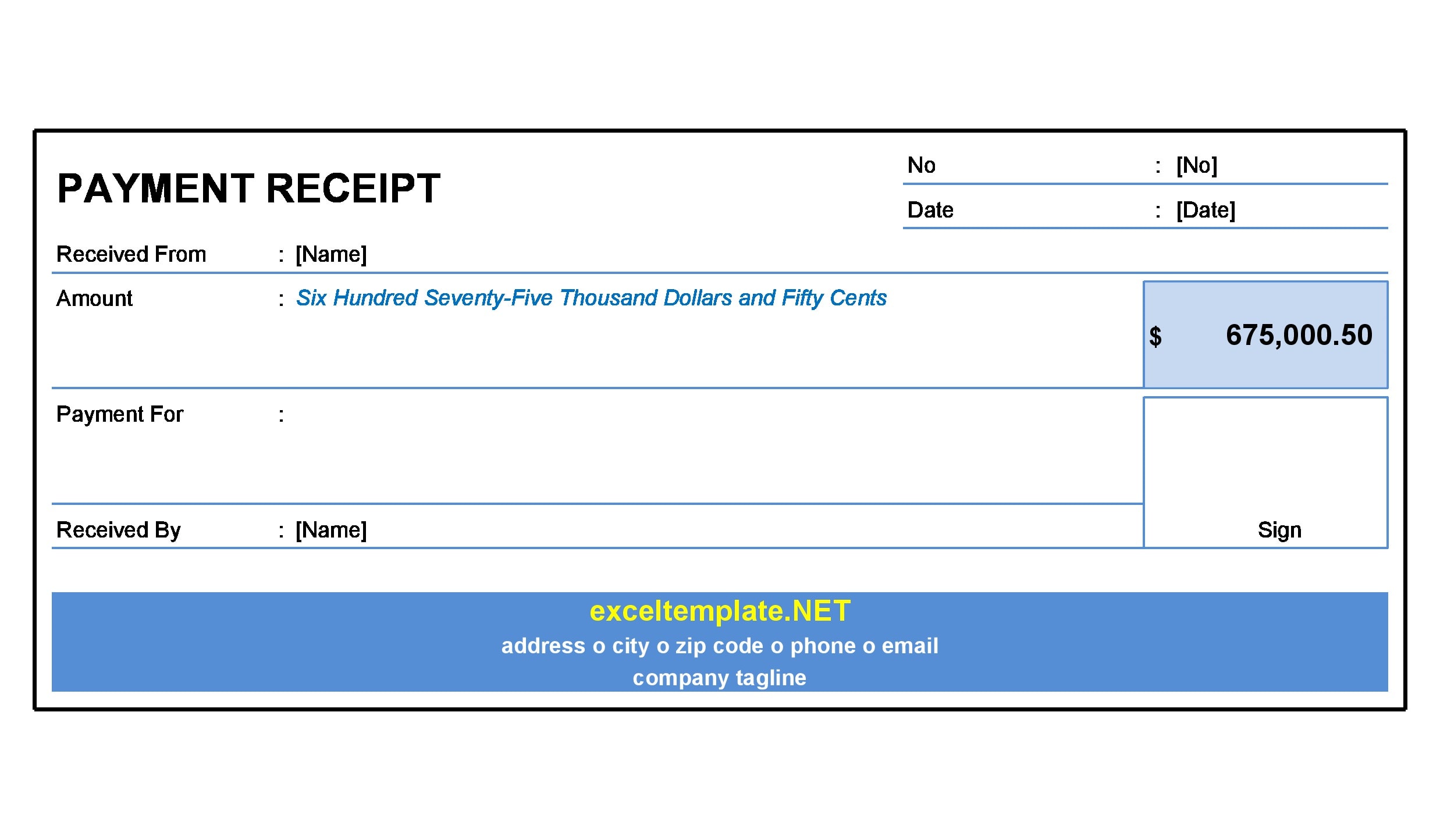
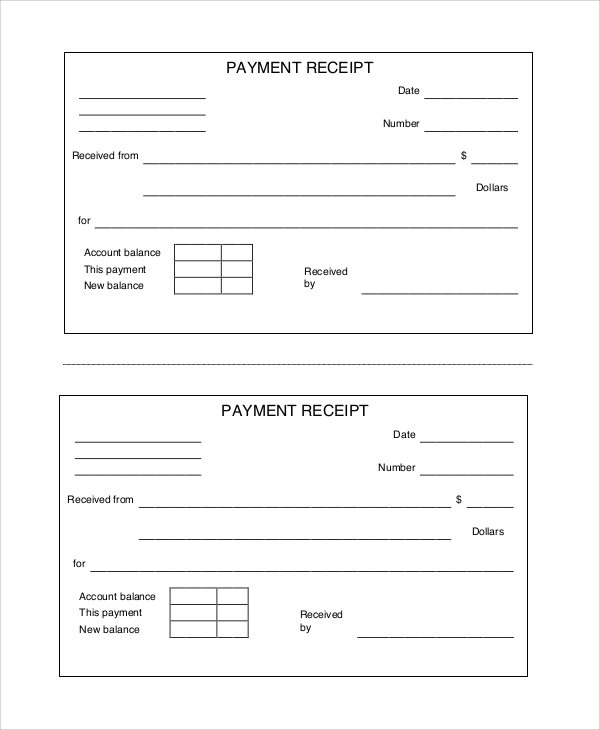
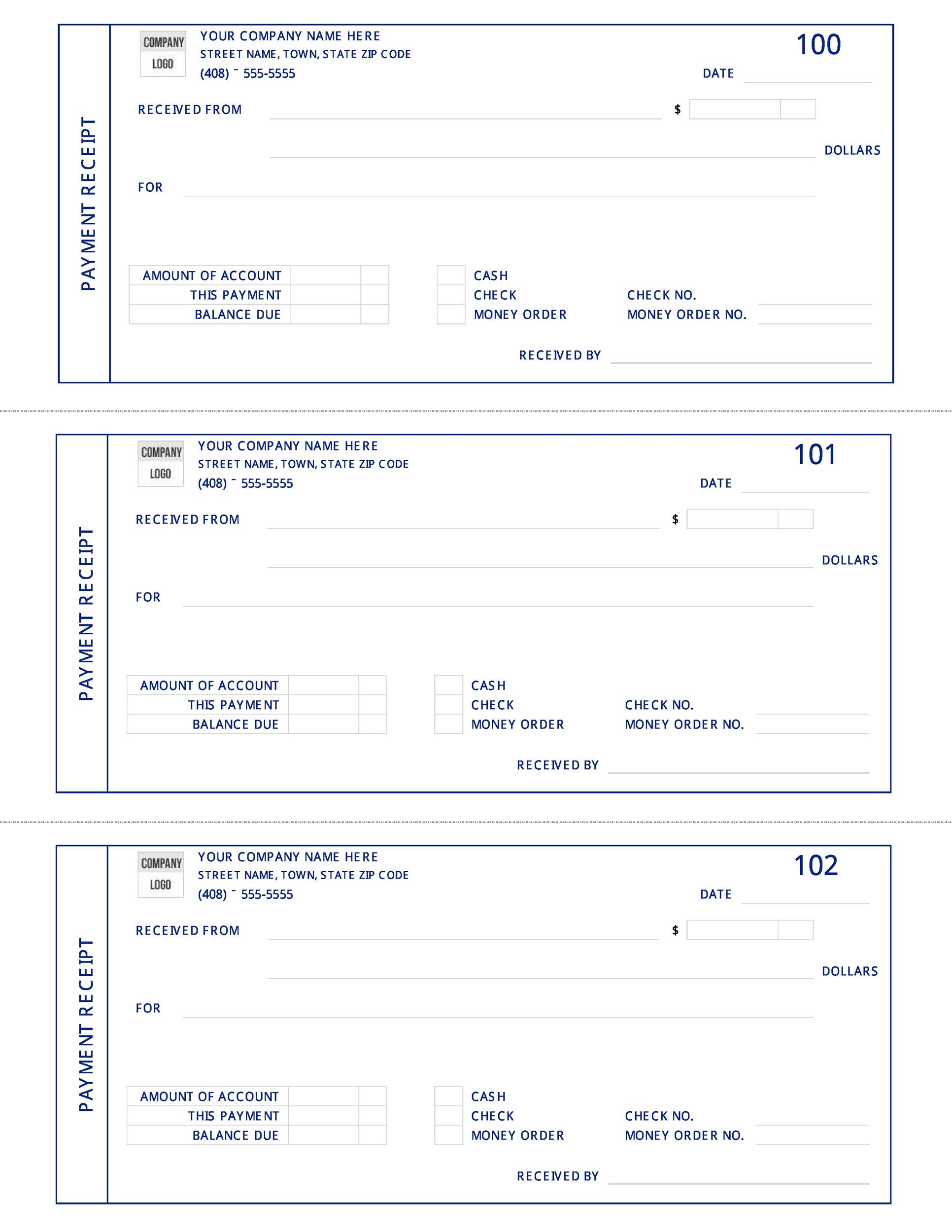
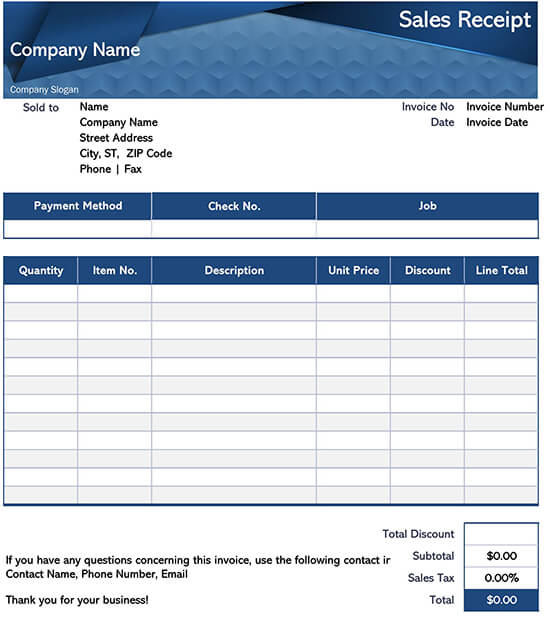
When creating a payment receipt, it is important to include all the necessary information to make it clear and comprehensive. Here are some key elements that should be included in a payment receipt:
- Date of Payment: The date when the payment was made.
- Amount Paid: The total amount of money paid by the customer.
- Payment Method: The mode of payment used, such as cash, credit card, or online transfer.
- Purpose of Payment: A brief description of what the payment is for, such as goods or services rendered.
- Receipt Number: A unique identifier for the receipt for tracking and reference purposes.
- Name of Payer: The name of the individual or business making the payment.
- Name of Payee: The name of the individual or business receiving the payment.
Examples
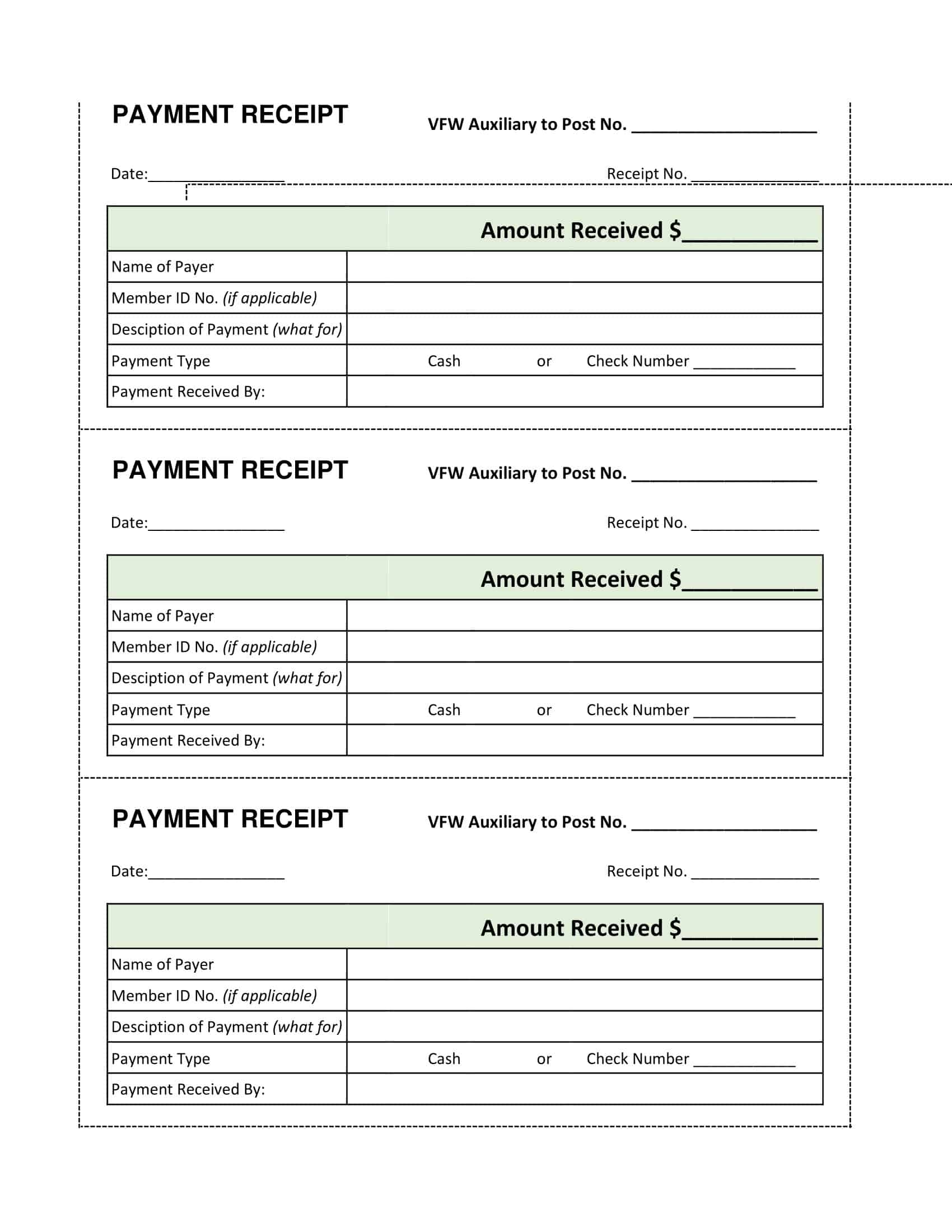
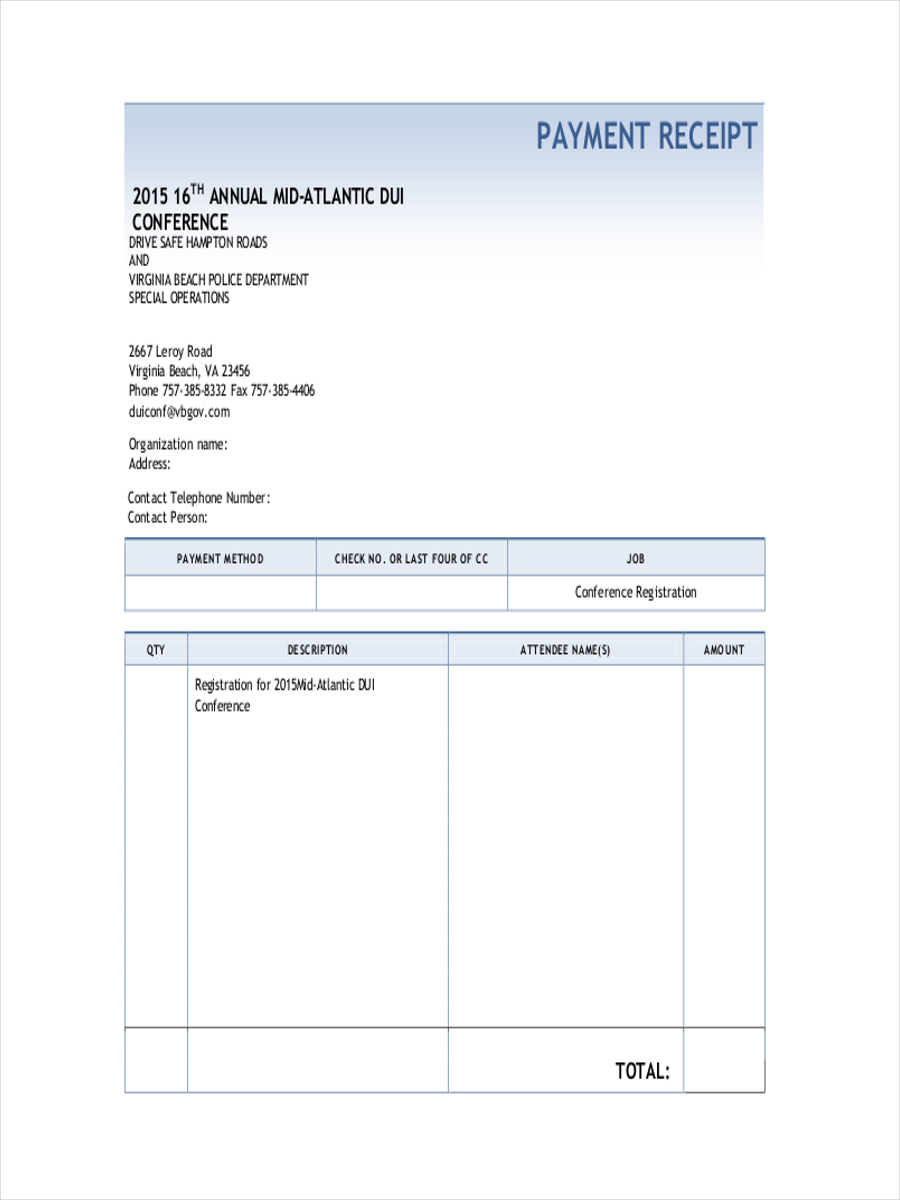
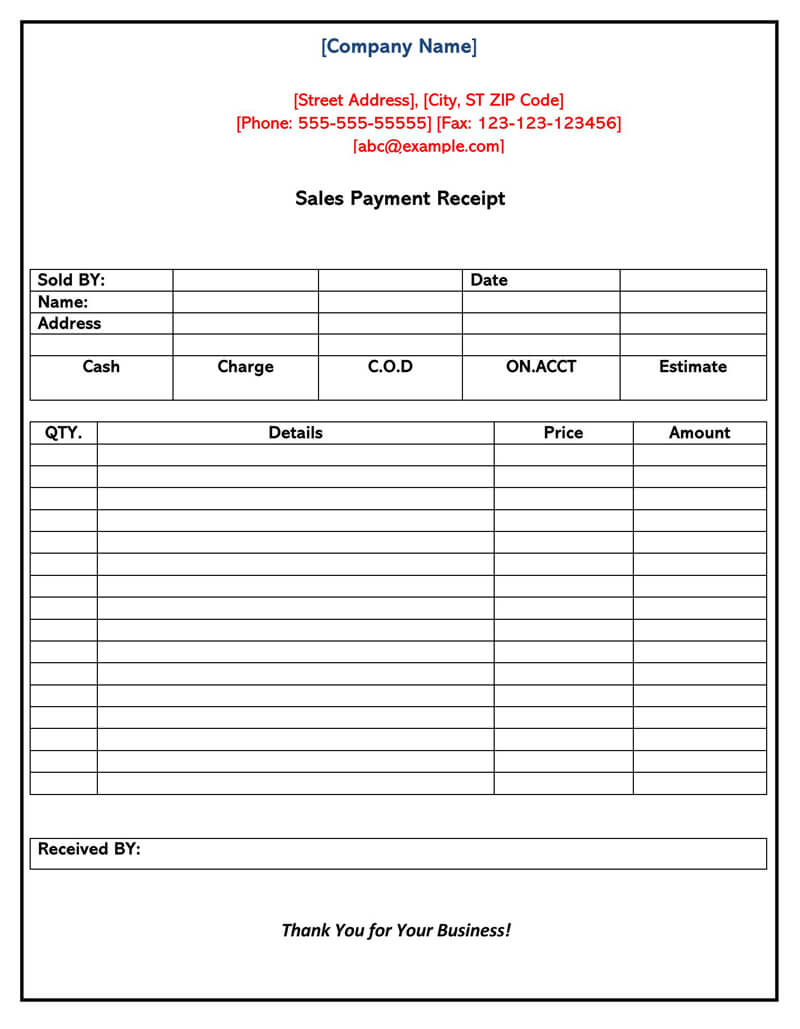
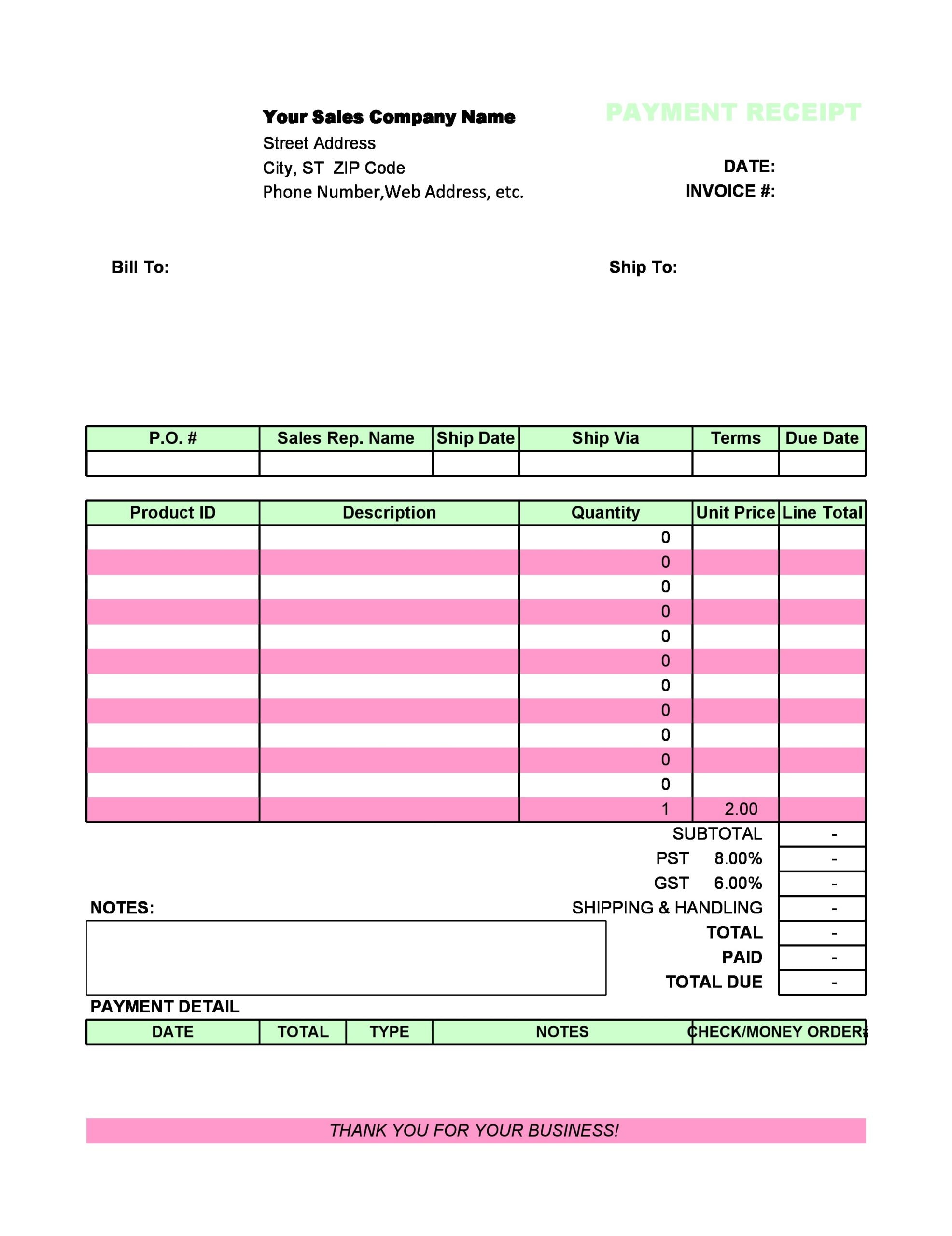
How to Create a Payment Receipt
Creating a payment receipt is a straightforward process that can be done manually or using software. Here are some steps to follow when creating a payment receipt:
1. Choose a Template: Select a payment receipt template that suits your needs and preferences.
2. Fill in the Details: Enter the necessary information, such as the date of payment, amount paid, payment method, and purpose of payment.
3. Add Company Logo: Include your company logo for branding purposes, if applicable.
4. Review and Edit: Double-check the information on the receipt for accuracy and make any necessary edits.
5. Save and Send: Save the receipt in a secure location and send it to the customer via email or print a physical copy.
Tips for Using Payment Receipts Effectively
To make the most out of payment receipts, here are some tips to keep in mind:
- Issue Receipts Promptly: Provide customers with payment receipts as soon as the transaction is completed.
- Keep Records Organized: Maintain a systematic approach to storing and organizing payment receipts for easy retrieval.
- Use Electronic Receipts: Consider using digital receipts to save paper and streamline the process.
- Customize Receipts: Tailor the receipt format to match your brand identity and include relevant contact information.
- Follow Up if Needed: In case of any payment issues, follow up with customers promptly and provide them with the necessary documentation.
- Train Staff: Ensure that your staff is trained on how to issue payment receipts correctly and efficiently.
Conclusion
In conclusion, payment receipts are an integral part of financial transactions that provide a clear record of payments made and received. By understanding the importance of payment receipts and following best practices in creating and using them, businesses and individuals can maintain transparency, accountability, and trust in their financial dealings. Whether you are a business owner or a consumer, payment receipts play a crucial role in ensuring smooth and efficient transactions. Remember to always keep track of your payment receipts and use them effectively to manage your finances.
Payment Receipt Template – Download

- Cash Flow Statement Template - October 15, 2026
- Cash Flow Forecast Template - October 15, 2026
- Free Printable Caregiver Schedule Template - October 15, 2026
