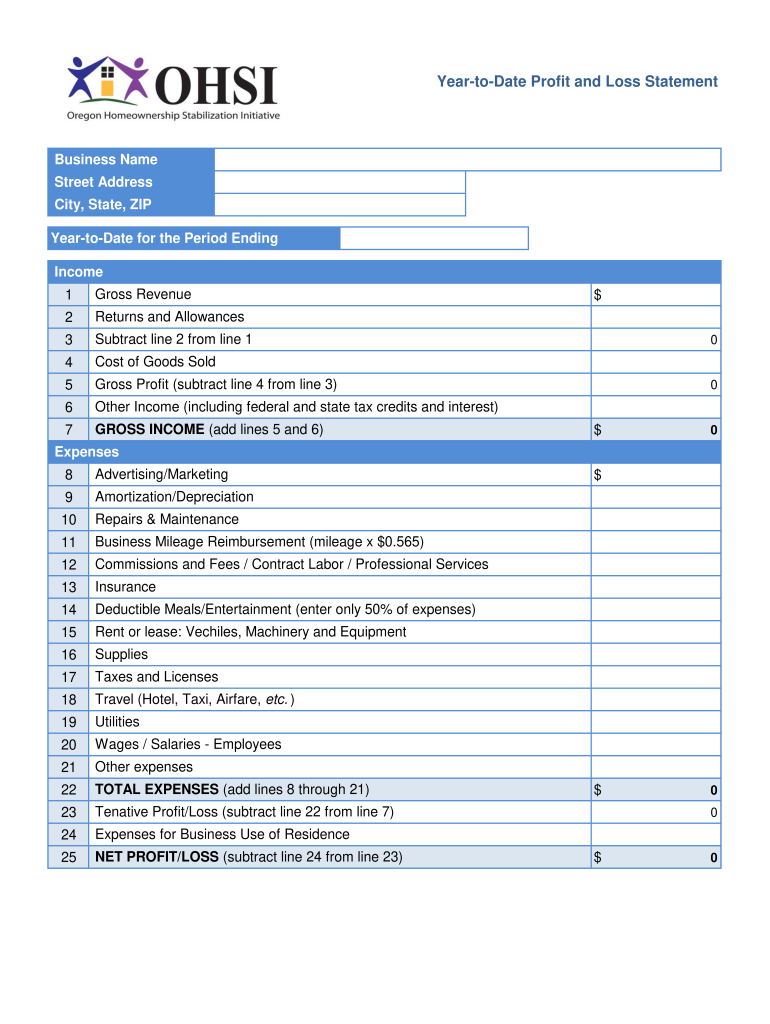
When it comes to analyzing the financial health of a business, one of the key tools used by accountants and financial analysts is the year-to-date profit and loss statement. This document provides a snapshot of a company’s financial performance over a specific period of time, typically from the beginning of the fiscal year to the present date. By examining the revenue and expenses incurred during this time frame, stakeholders can gain valuable insights into the profitability and overall financial stability of the business.
What is a Year-to-Date Profit and Loss Statement?
A year-to-date profit and loss statement, also known as a YTD P&L statement, is a financial document that summarizes a company’s revenues, expenses, and net income from the start of the fiscal year up to the current date. This statement provides a comprehensive overview of the financial performance of the business over a specific period of time, allowing stakeholders to track the company’s profitability and identify any potential areas of concern.
Why are Year-to-Date Profit and Loss Statements Important?
Year-to-date profit and loss statements are crucial for assessing the financial health of a business for several reasons:
- Financial Performance Evaluation: YTD P&L statements help stakeholders evaluate the company’s financial performance over a specific period of time, providing insights into revenue trends, expense management, and overall profitability.
- Decision-Making Tool: By analyzing YTD P&L statements, management can make informed decisions regarding budgeting, resource allocation, and strategic planning based on the company’s financial performance.
- Investor Confidence: Investors and creditors often rely on YTD P&L statements to assess the financial health and stability of a company before making investment or lending decisions.
- Performance Benchmarking: YTD P&L statements allow businesses to compare their current financial performance with previous periods or industry benchmarks to identify areas for improvement and growth opportunities.
Key Elements of a Year-to-Date Profit and Loss Statement
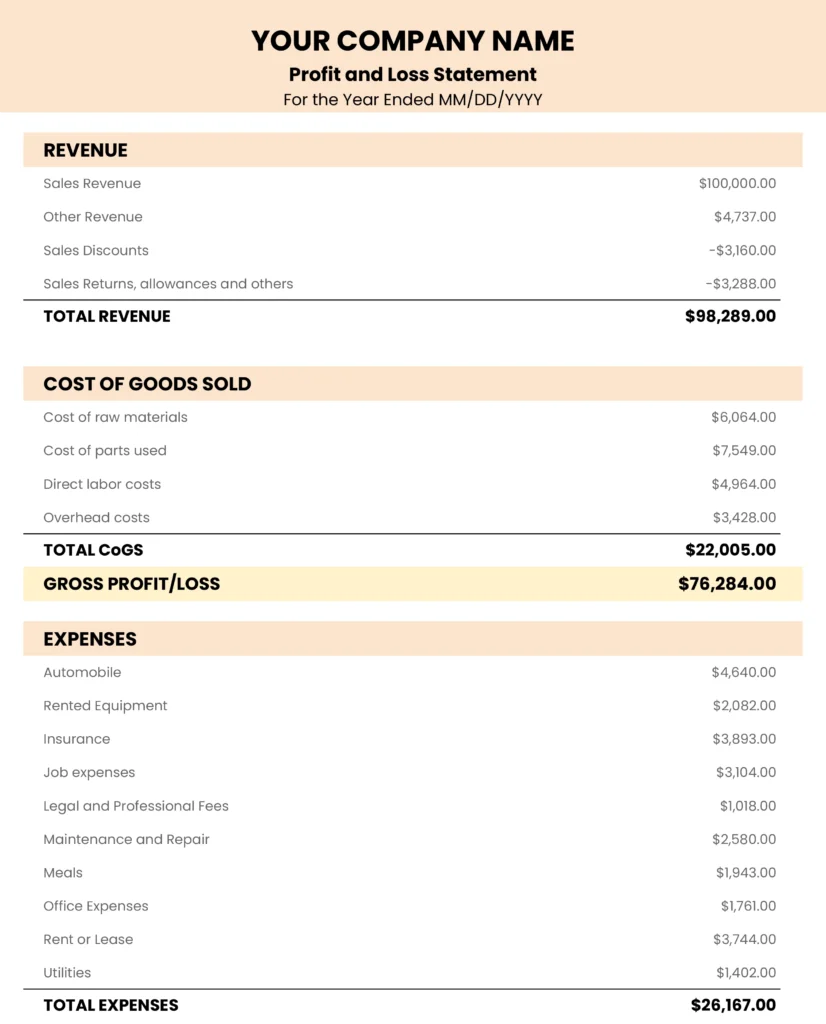
A typical year-to-date profit and loss statement includes the following key elements:
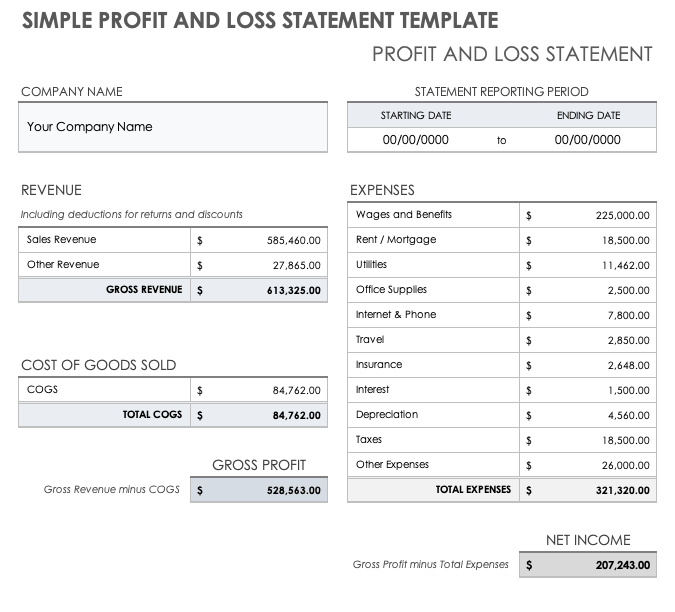
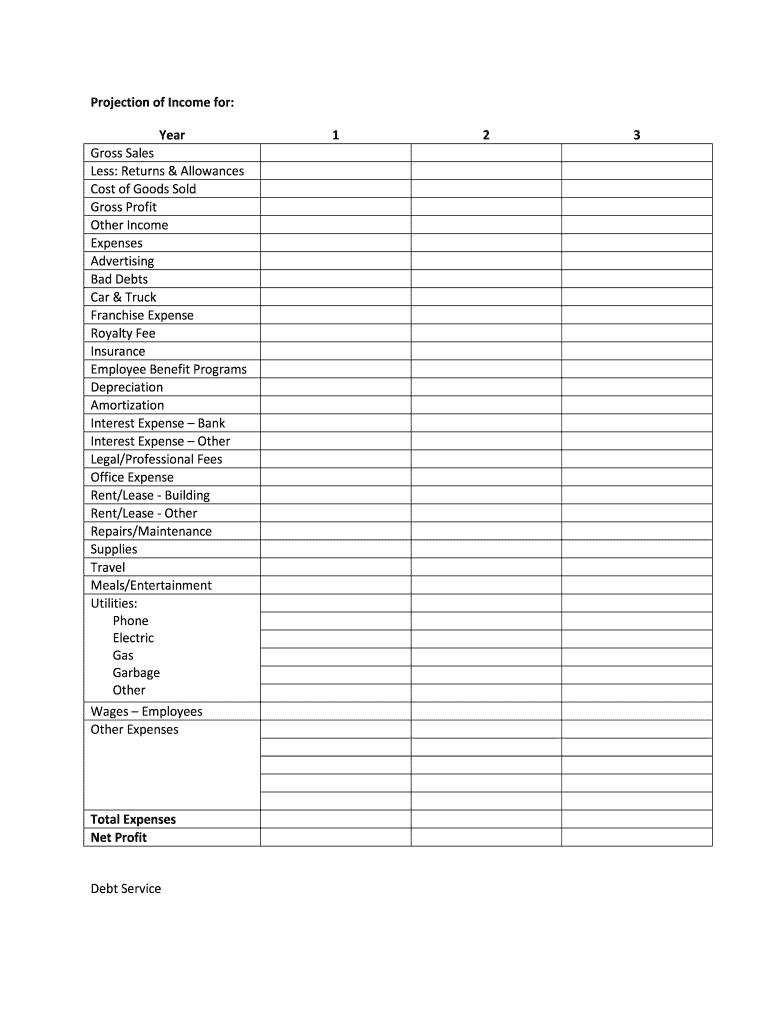
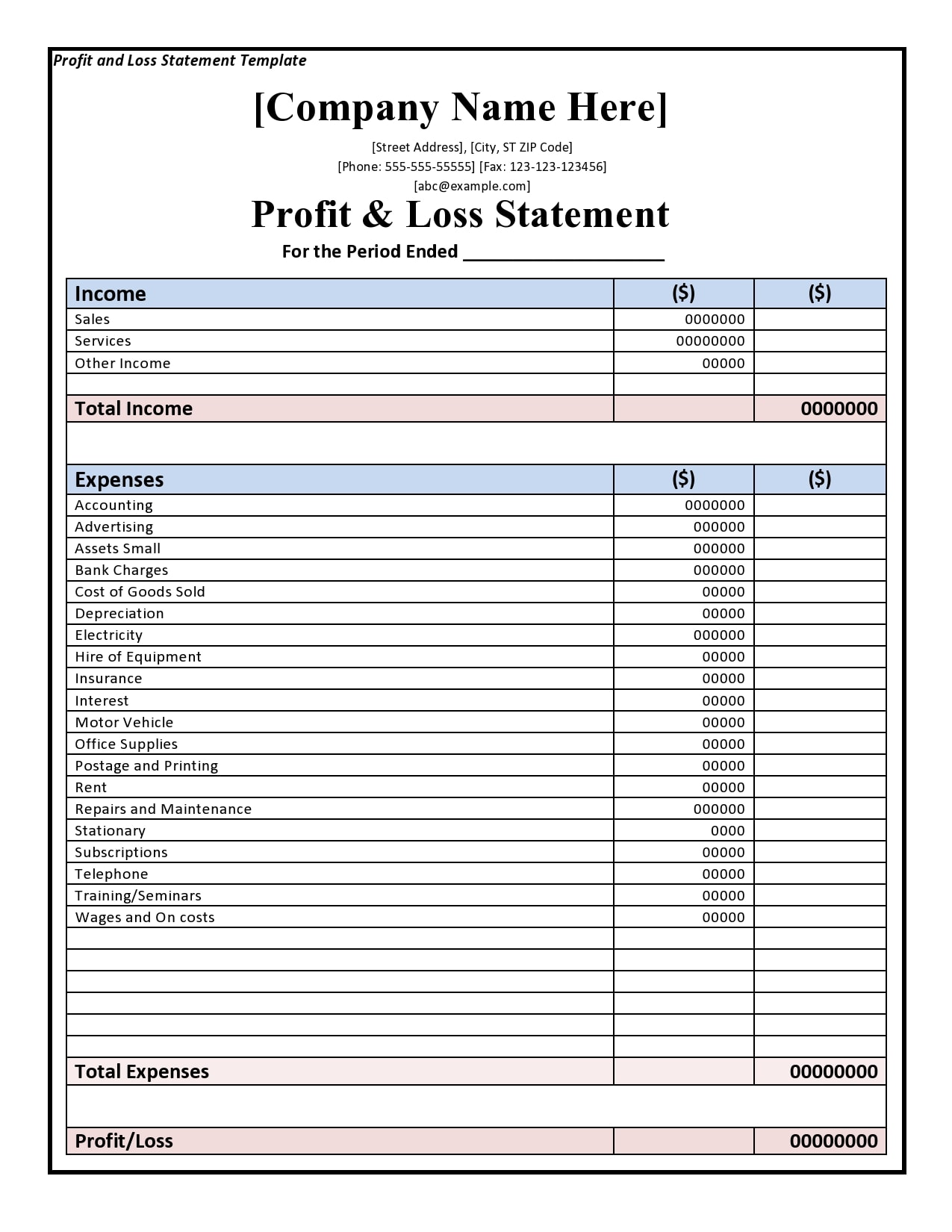
- Revenue: The total income generated by the business from sales of goods or services.
- Cost of Goods Sold (COGS): The direct costs associated with producing or acquiring the products or services sold by the business.
- Gross Profit: The difference between revenue and COGS, representing the profitability of the core business operations.
- Operating Expenses: The costs incurred by the business to support its day-to-day operations, such as rent, utilities, salaries, and marketing expenses.
- Net Income: The final result after subtracting all expenses from the gross profit, indicating the overall profitability of the business.
How to Interpret a Year-to-Date Profit and Loss Statement
Interpreting a year-to-date profit and loss statement involves analyzing the various components of the document to understand the financial performance of the business. Here are some key steps to help you interpret a YTD P&L statement effectively:
1. Compare Current Period with Previous Periods
One of the first steps in interpreting a YTD P&L statement is to compare the current period’s financial performance with previous periods to identify any trends or anomalies. Look for changes in revenue, expenses, and net income to assess the company’s financial progress.
2. Analyze Revenue Sources
Examine the sources of revenue reported in the YTD P&L statement to identify the most profitable products, services, or customer segments. This analysis can help businesses focus on revenue-generating activities and optimize their pricing strategies.
3. Review Cost Structure
Review the cost structure of the business, including COGS and operating expenses, to identify areas where costs can be reduced or optimized. Understanding the cost drivers can help improve profitability and efficiency.
4. Calculate Profit Margins
Calculate the gross profit margin and net profit margin to assess the company’s profitability and financial health. Profit margins indicate how efficiently the business is generating profits from its operations.
5. Identify Expense Trends
Identify any trends in operating expenses, such as increasing costs or unexpected expenses, that may impact the company’s profitability. Managing expenses effectively is essential for maintaining financial stability.
6. Consider Non-Financial Factors
Consider non-financial factors that may influence the company’s financial performance, such as market trends, industry competition, regulatory changes, and economic conditions. These external factors can impact the business’s profitability.
7. Seek Professional Advice
If you are unsure about interpreting a year-to-date profit and loss statement or need assistance in analyzing the financial data, consider seeking advice from a financial professional or accountant. They can provide valuable insights and recommendations based on their expertise.
8. Use YTD P&L Statements for Decision-Making
Utilize the information gathered from the YTD P&L statement to make informed decisions about budgeting, resource allocation, pricing strategies, and business growth opportunities. The insights derived from the financial data can guide strategic planning and operational improvements.
9. Monitor Financial Performance Regularly
Regularly monitor the company’s financial performance by reviewing YTD P&L statements on a monthly or quarterly basis. Tracking key financial metrics can help businesses stay on top of their financial goals and make timely adjustments as needed.
10. Communicate Results to Stakeholders
Communicate the results of the year-to-date profit and loss statement to stakeholders, including investors, creditors, management, and employees. Transparent communication about the company’s financial performance fosters trust and accountability within the organization.
Tips for Creating an Effective Year-to-Date Profit and Loss Statement
When preparing a year-to-date profit and loss statement for your business, consider the following tips to ensure accuracy and clarity:
- Use Accrual Accounting: Follow the accrual accounting method to record revenues and expenses when they are incurred, not when cash transactions occur, for a more accurate reflection of the company’s financial performance.
- Include Detailed Descriptions: Provide detailed descriptions of revenue sources and expense categories in the YTD P&L statement to enhance transparency and understanding for stakeholders.
- Review Regularly: Review and update the YTD P&L statement regularly to track financial progress, identify potential issues, and make informed decisions based on current data.
- Seek Professional Help: If you are unsure about preparing or interpreting a YTD P&L statement, consult with a financial professional or accountant to ensure accuracy and compliance with accounting standards.
- Utilize Accounting Software: Consider using accounting software or financial management tools to streamline the process of creating and analyzing YTD P&L statements, saving time and improving accuracy.
By understanding the importance of year-to-date profit and loss statements, interpreting the key elements, and following best practices for preparation, businesses can effectively assess their financial performance and make informed decisions to drive growth and profitability.
Year-to-date Profit And Loss Statement Template

- Free Roommate Agreement Template (Word) - September 28, 2026
- Free Printable Wedding Card Template - September 28, 2026
- Free Printable Wedding Schedule Template - September 28, 2026
