When it comes to running a business, managing payroll is one of the most critical tasks that employers need to handle. A payroll schedule plays a crucial role in ensuring that employees are paid accurately and on time.
In this comprehensive guide, we will delve into the what, why, what to include, how to, and tips for setting up an effective payroll schedule for your organization.
What is a Payroll Schedule?
A payroll schedule is a predetermined timetable that outlines when employees will be paid. It specifies the frequency of pay periods, such as weekly, bi-weekly, semi-monthly, or monthly, as well as the dates on which employees can expect to receive their paychecks. Having a clear and consistent payroll schedule is essential for maintaining employee satisfaction and compliance with labor laws.
Why is a Payroll Schedule Important?
Establishing a payroll schedule is crucial for several reasons. Firstly, it ensures that employees are compensated for their work on time, which helps boost morale and productivity. Additionally, a well-structured payroll schedule helps businesses stay organized and compliant with tax regulations and labor laws. By adhering to a set schedule, employers can avoid potential penalties and fines for late or inaccurate payments.
What to Include in a Payroll Schedule
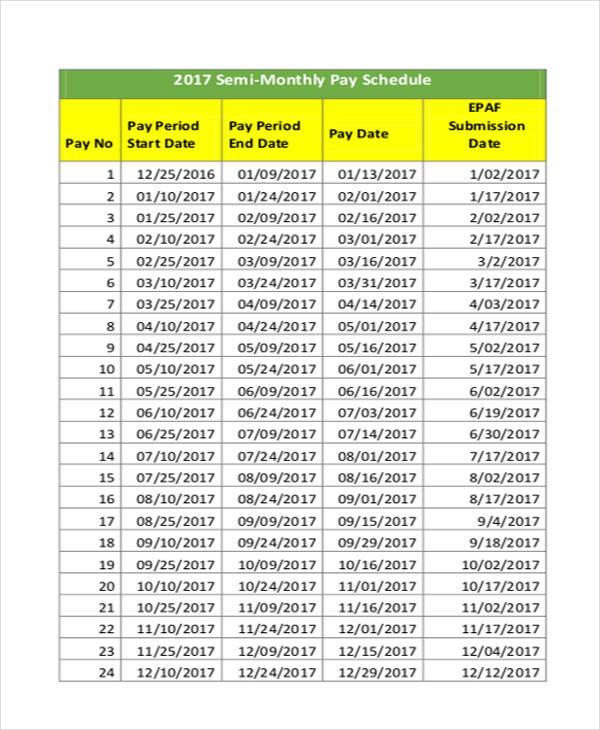
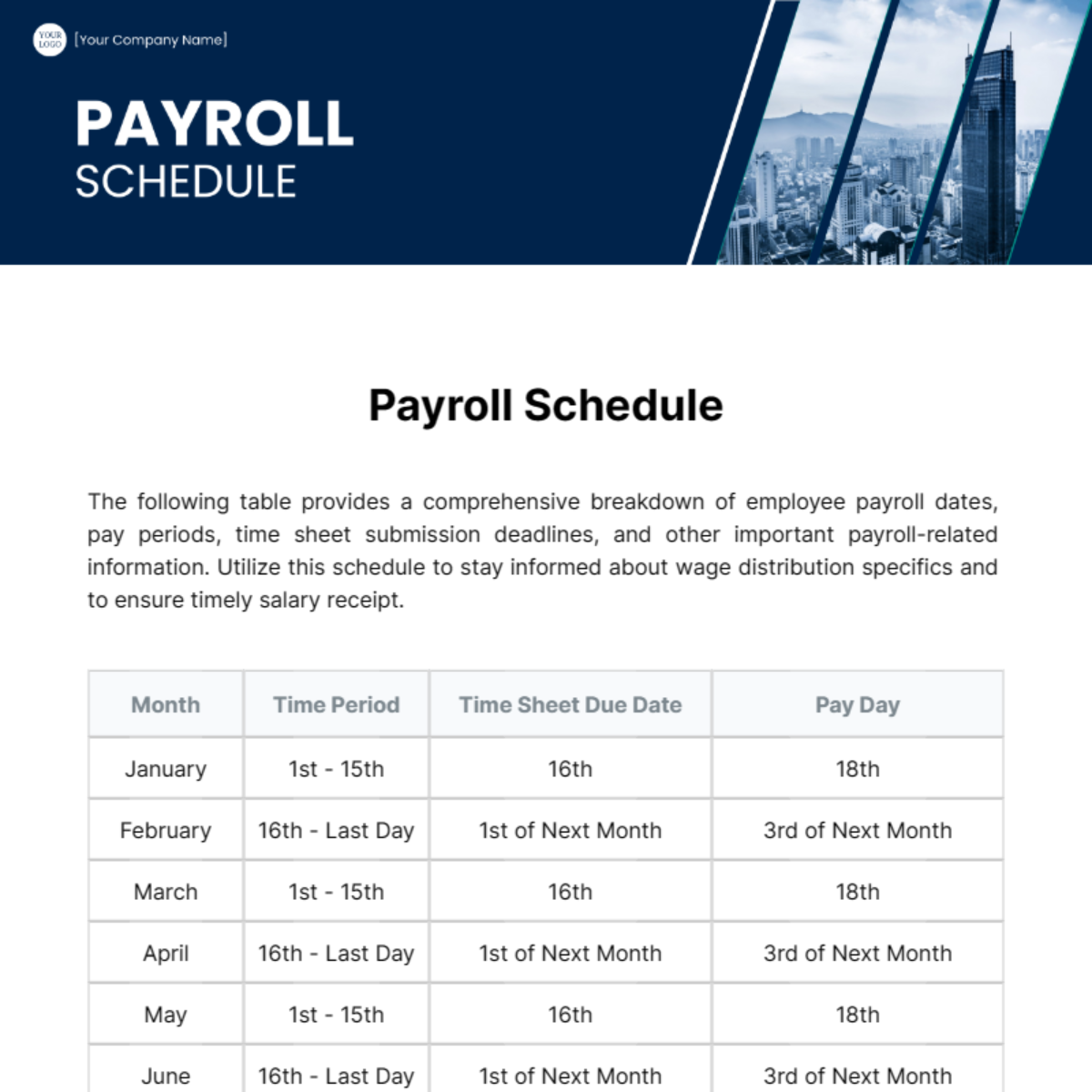
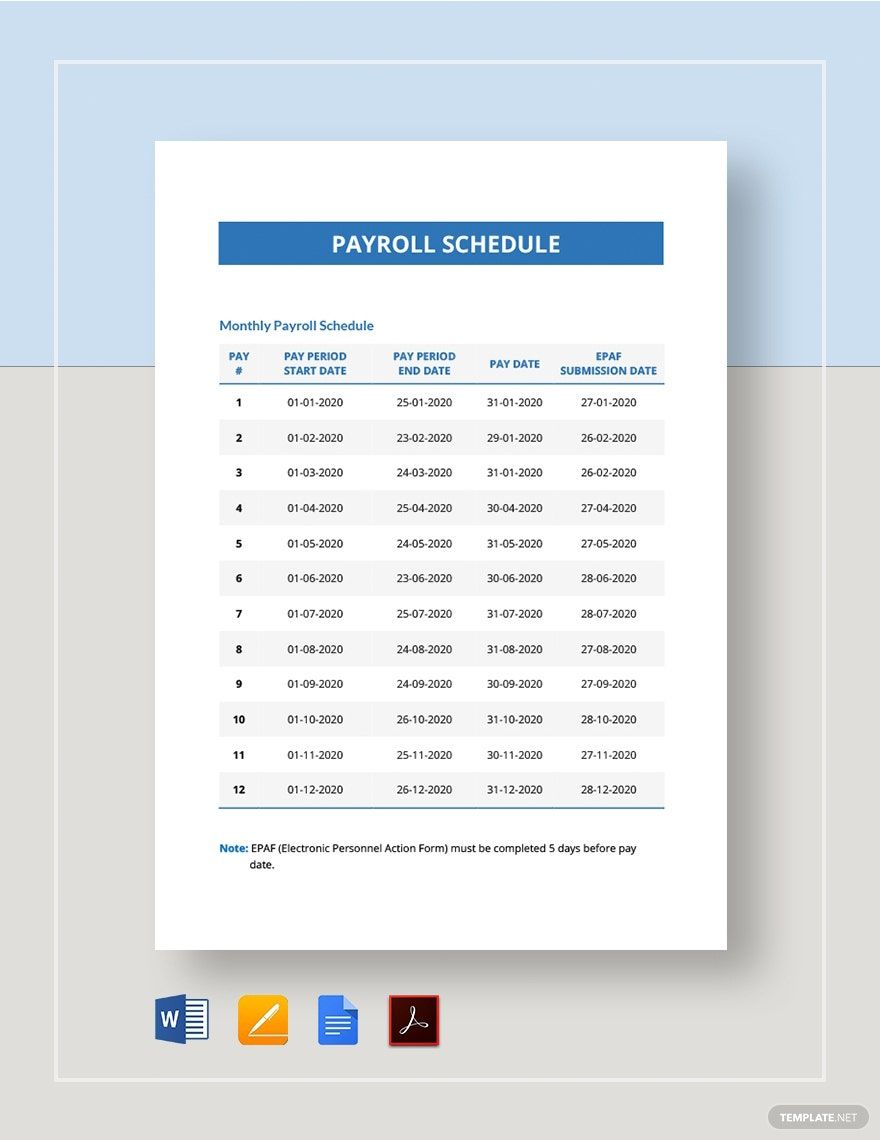
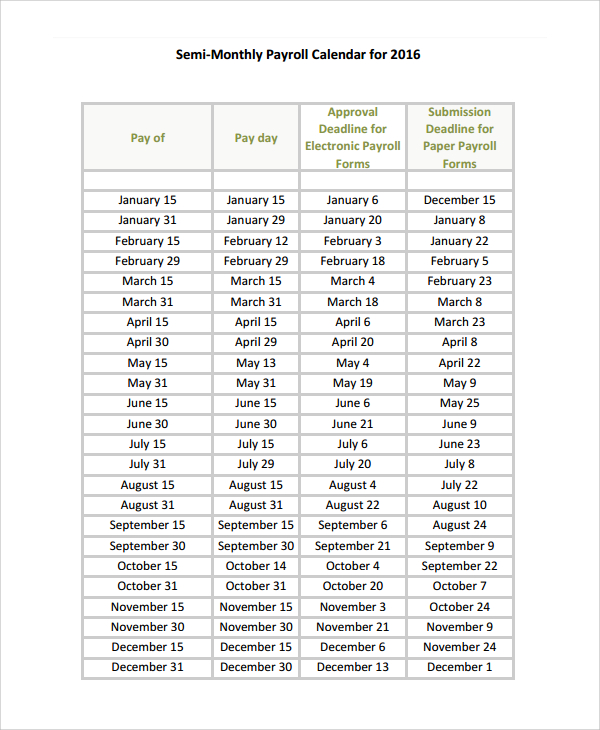
When creating a payroll schedule, there are several key components that you should include to ensure accuracy and efficiency. These may include:
- Pay Period: Clearly define the start and end dates for each pay period.
- Pay Date: Specify the date on which employees will receive their paychecks.
- Tax Withholdings: Outline any deductions for taxes, benefits, or other withholdings.
- Overtime Calculation: Detail how overtime hours will be calculated and compensated.
- Employee Information: Include employee names, IDs, and other relevant details for each pay period.
- Payroll Processing Timeline: Establish deadlines for submitting timesheets, processing payroll, and distributing paychecks.
Examples
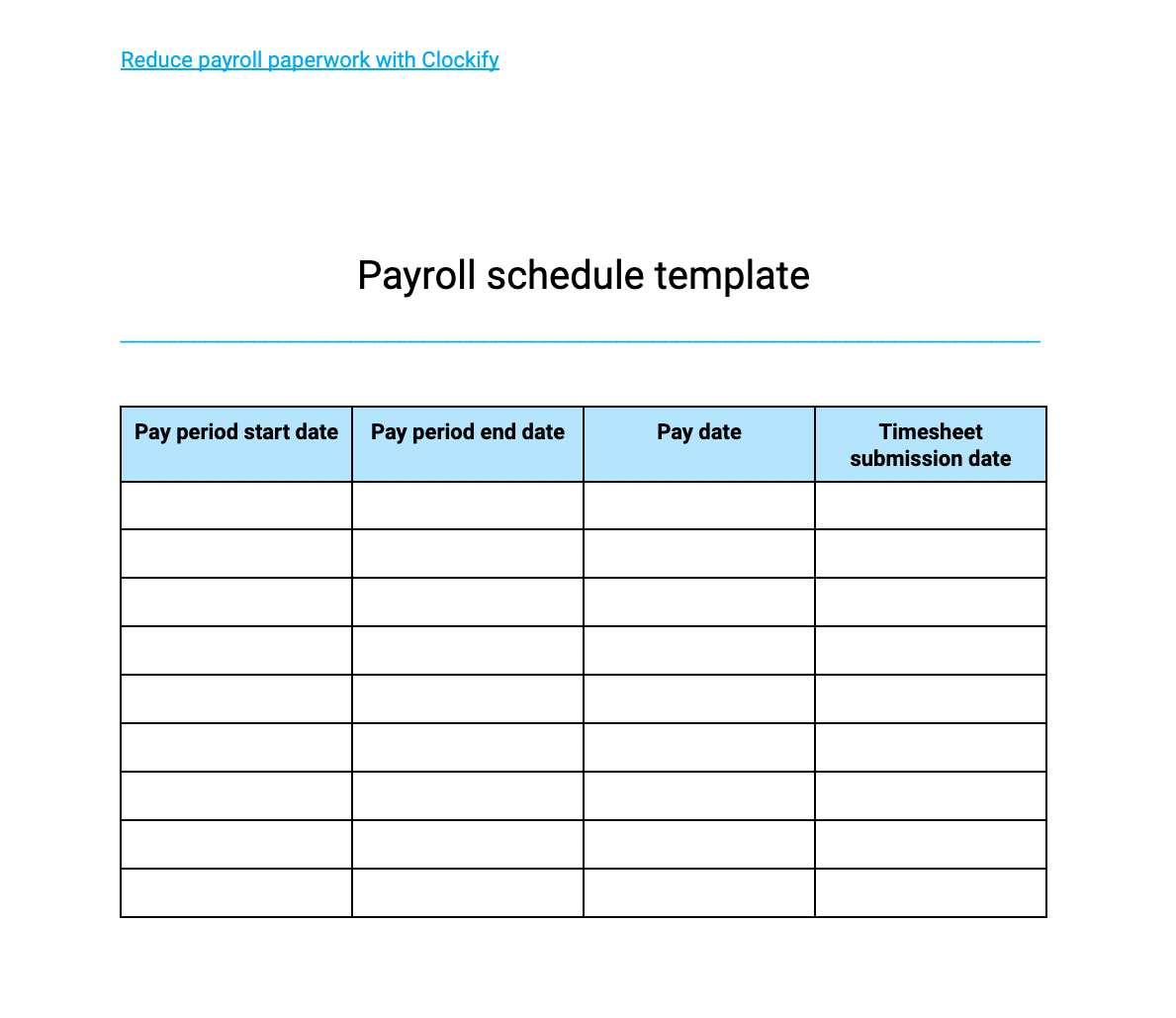
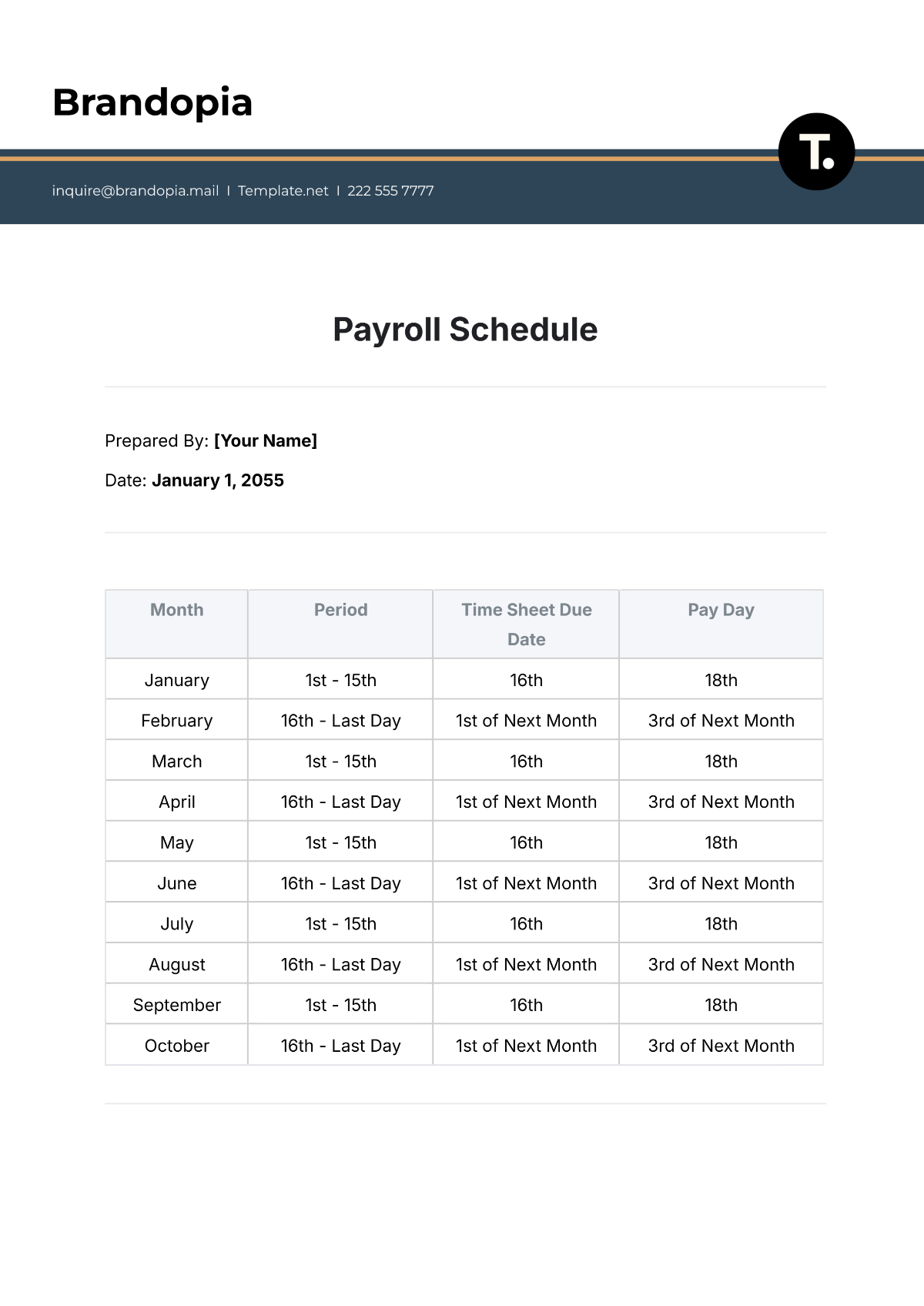
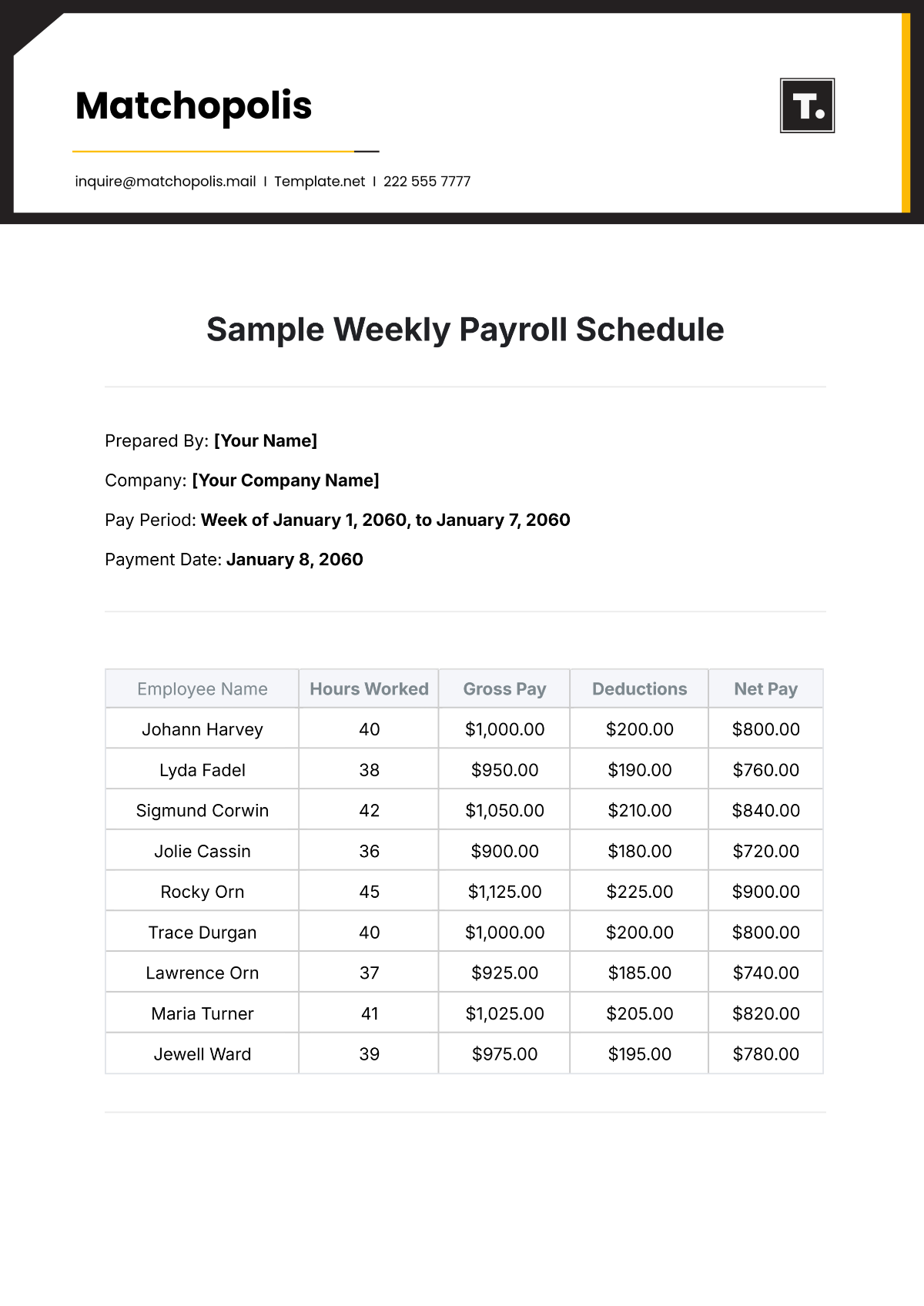
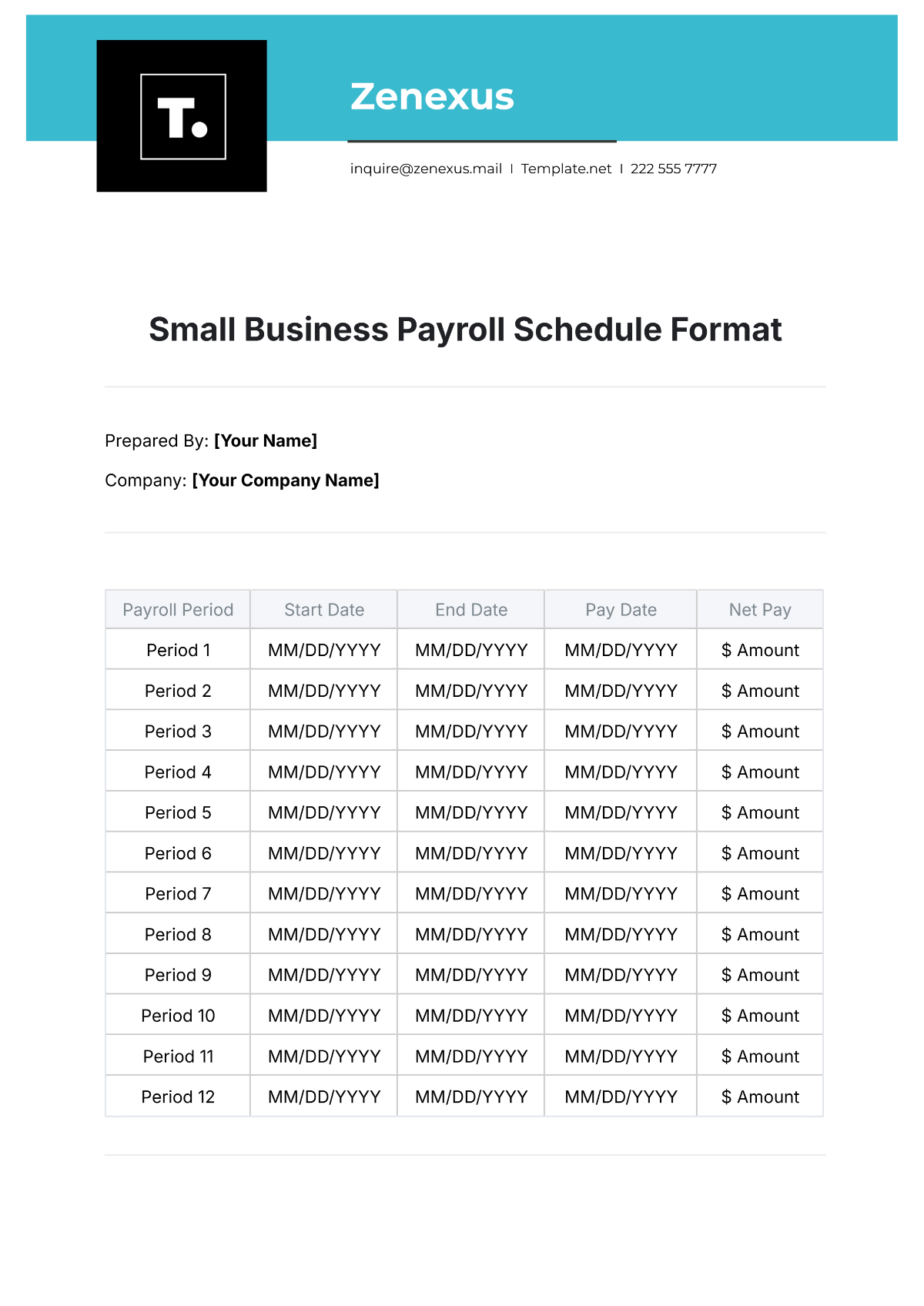
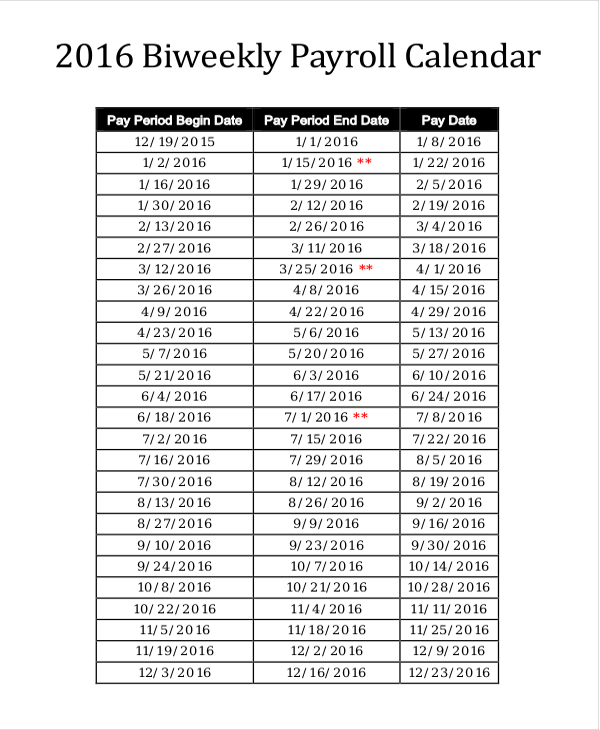
How to Set Up a Payroll Schedule
Setting up a payroll schedule requires careful planning and attention to detail. Here are some steps to help you create an effective payroll schedule for your organization:
1. Determine Pay Periods
Decide on the frequency of pay periods, whether weekly, bi-weekly, semi-monthly, or monthly, based on your business needs and budget.
2. Choose Pay Dates
Select specific dates for issuing paychecks, taking into account weekends, holidays, and banking processing times.
3. Calculate Employee Compensation
Calculate employee wages, salaries, and benefits, including any overtime or bonuses, and ensure accuracy in each pay period.
4. Factor in Taxes and Withholdings
Deduct federal, state, and local taxes, as well as other withholdings like health insurance premiums or retirement contributions, from employee paychecks.
5. Establish a Processing Timeline
Create a timeline for processing payroll, including deadlines for submitting timesheets, reviewing discrepancies, and distributing paychecks.
6. Communicate with Employees
Inform employees about the payroll schedule, pay periods, and payment methods to ensure transparency and avoid confusion.
7. Review and Adjust Regularly
Regularly review and adjust your payroll schedule to accommodate changes in staffing, business operations, or regulatory requirements for optimal efficiency.
Tips for Managing a Payroll Schedule
Managing a payroll schedule can be complex, but with the right strategies in place, you can streamline the process and avoid potential pitfalls. Here are some tips to help you effectively manage your payroll schedule:
- Automate Payroll Processes: Invest in payroll software or services to automate calculations, tax filings, and payments for increased accuracy and efficiency.
- Stay Compliant: Keep up-to-date with labor laws, tax regulations, and reporting requirements to avoid penalties and legal issues.
- Train Staff Effectively: Provide training to payroll administrators and employees to ensure proper understanding of the payroll process and policies.
- Double-Check Data: Review payroll data for accuracy and completeness before processing to prevent errors in employee compensation.
- Monitor Cash Flow: Manage cash flow effectively to ensure that funds are available for payroll obligations and other business expenses.
- Seek Professional Help: Consider outsourcing payroll tasks to experts if you lack the resources or expertise to manage payroll effectively in-house.
- Seek Feedback: Solicit feedback from employees on the payroll process to identify areas for improvement and enhance employee satisfaction.
In Conclusion
Creating and maintaining a well-structured payroll schedule is essential for businesses of all sizes to ensure accurate and timely payments to employees. By following the guidelines outlined in this guide, you can streamline your payroll process, stay compliant with regulations, and keep your workforce satisfied. Remember to regularly review and adjust your payroll schedule as needed to adapt to changing circumstances and maintain operational efficiency.
Payroll Schedule Template – Download

- Free Printable Call Sheet Template - October 12, 2026
- Free Printable Business Hours Template - October 12, 2026
- Business Expense Template - October 12, 2026
