Time cards are essential tools for tracking employee work hours, ensuring accurate payroll processing, and monitoring attendance. In today’s fast-paced business world, time cards have become indispensable for businesses of all sizes. Whether you are a small business owner or a large corporation, understanding the importance of time cards and how to effectively use them is crucial for managing your workforce efficiently. In this comprehensive guide, we will delve into the what, why, key elements, how to, and tips for using time cards effectively.
What are Time Cards?
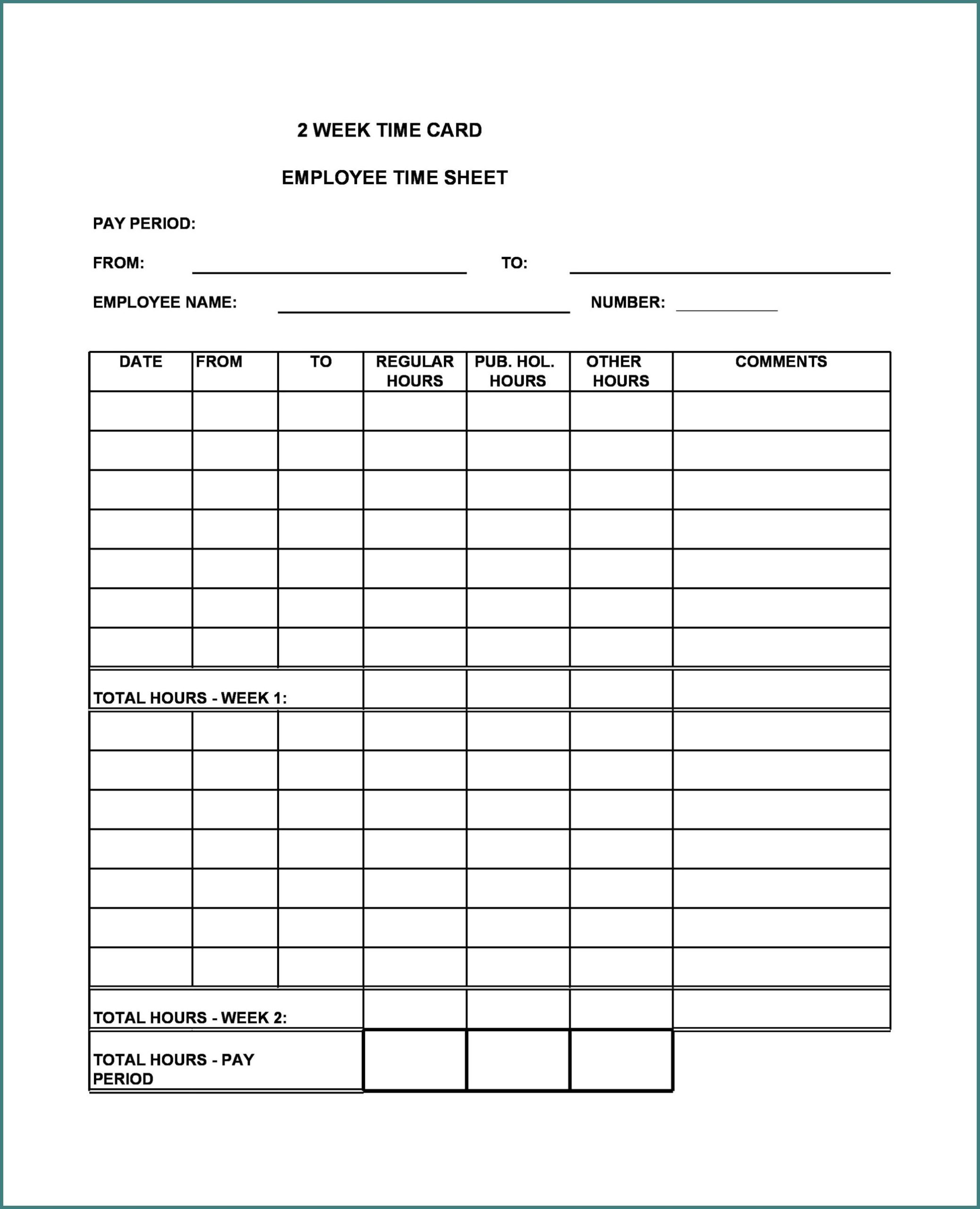
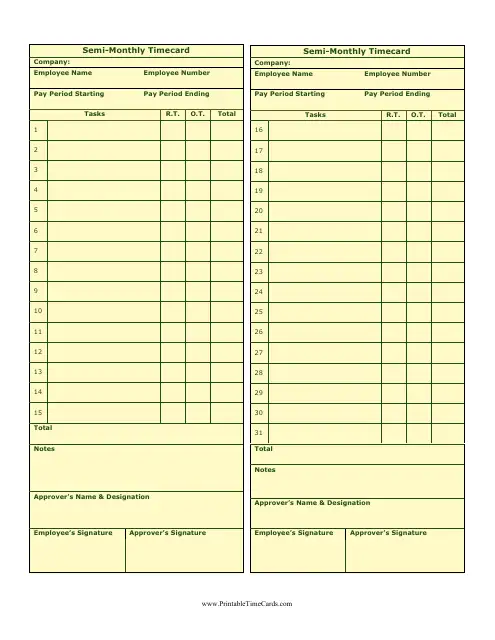
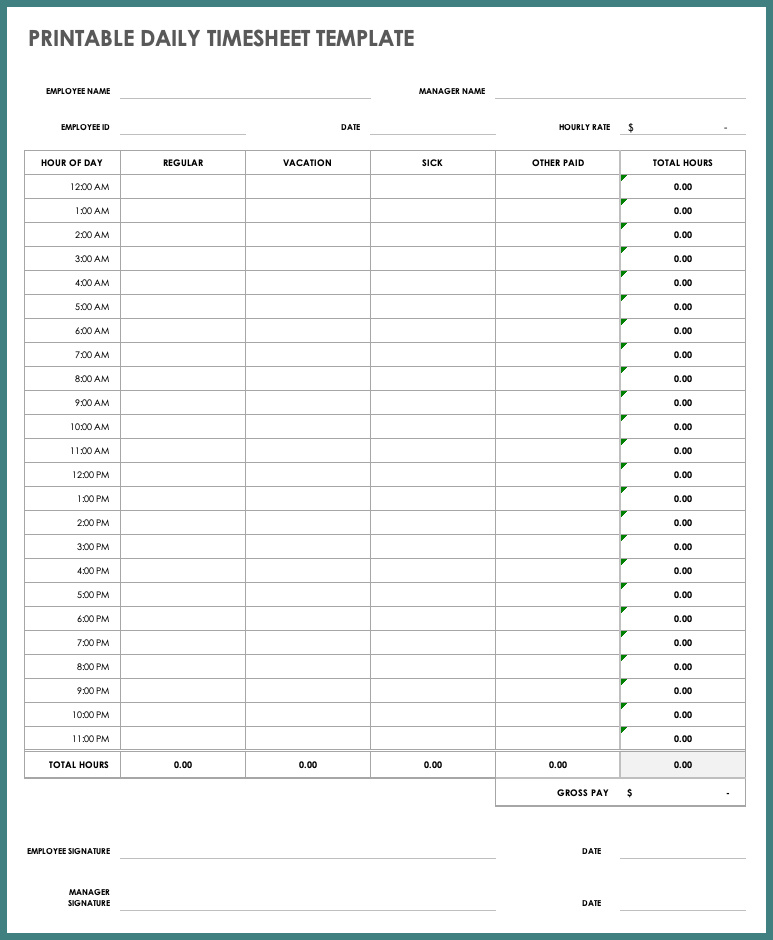
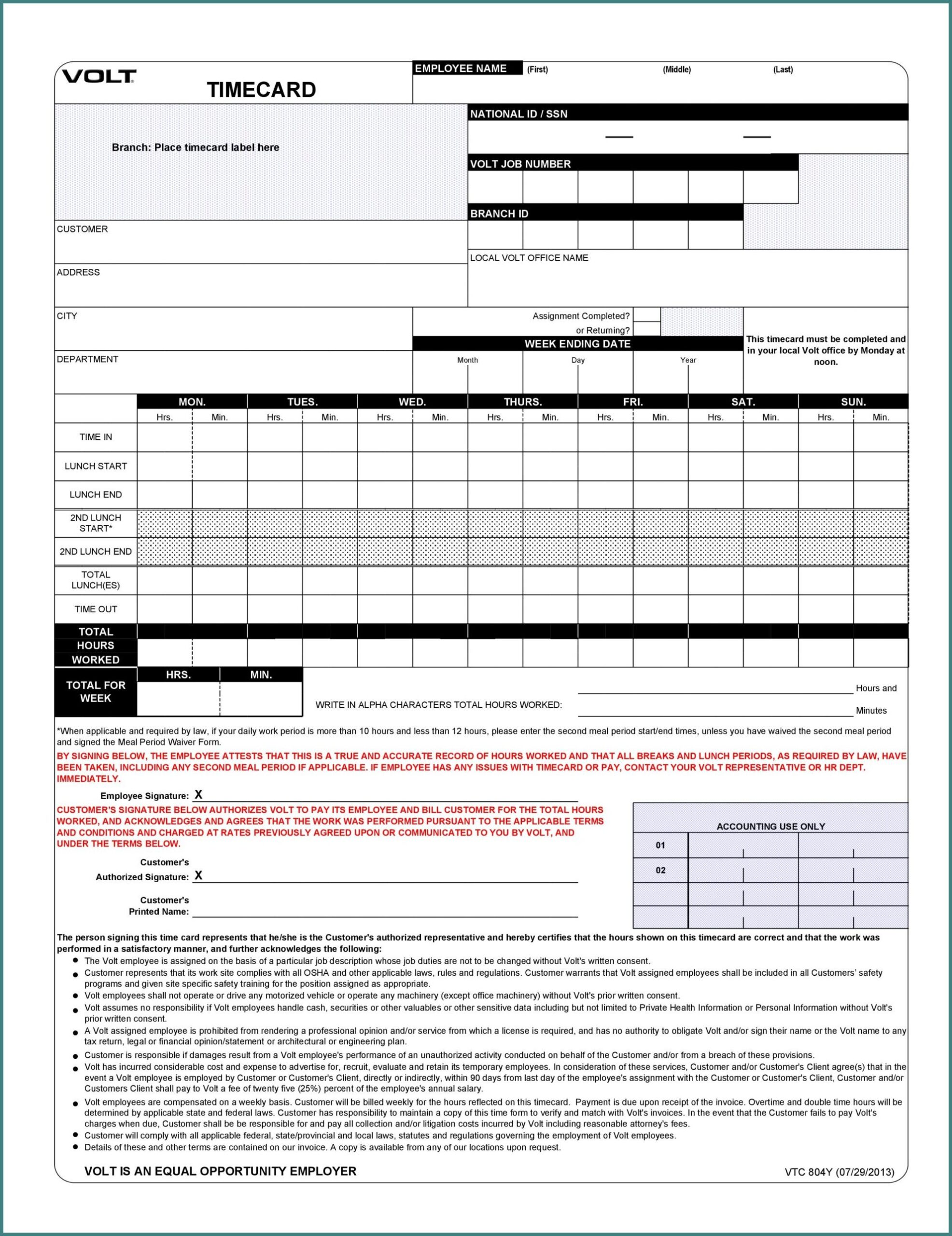
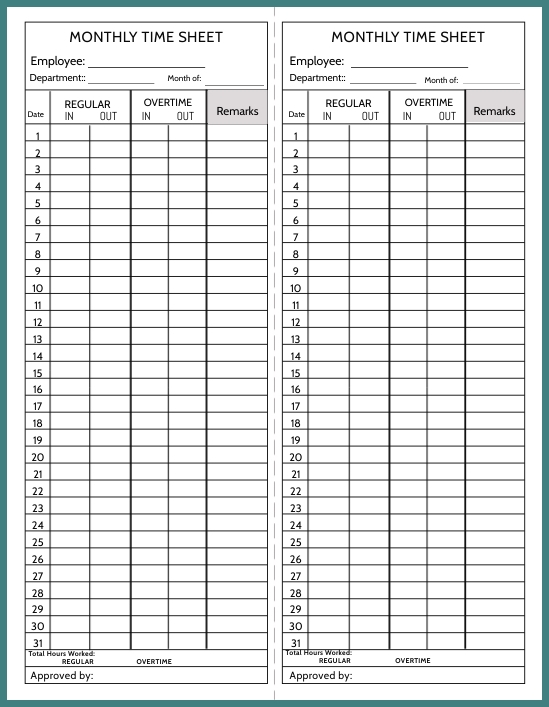
Time cards, also known as timesheets or punch cards, are physical or digital documents used to record the time worked by employees. They typically include fields for entering the employee’s name, date, start and end times, breaks taken, and total hours worked. Time cards serve as a record of attendance, work hours, and overtime for each employee.
Time cards can be paper-based, where employees manually fill in their work hours, or electronic, where employees clock in and out using time tracking software or biometric devices. Electronic time cards offer more accuracy and convenience, as they automatically calculate total hours worked and can integrate with payroll systems.
Why are Time Cards Important?
Time cards play a crucial role in workforce management and payroll processing for several reasons:
- Accurate Payroll: Time cards ensure that employees are paid accurately for the hours they have worked.
- Attendance Tracking: Time cards help monitor employee attendance and identify patterns of tardiness or absenteeism.
- Overtime Compliance: Time cards help track and calculate overtime hours, ensuring compliance with labor laws.
- Cost Control: Time cards provide insights into labor costs and help identify areas for cost optimization.
- Performance Evaluation: Time cards can be used to evaluate employee productivity and performance based on their work hours.
Key Elements of Time Cards
When creating or using time cards, it is important to include the following key elements:
- Employee Information: Name, employee ID, and department.
- Date and Time: Start and end times for each workday.
- Breaks: Record of breaks taken during the workday.
- Total Hours: Calculation of total hours worked each day and week.
- Overtime: Separate tracking of overtime hours, if applicable.
How to Use Time Cards
Using time cards effectively involves implementing the following steps:
1. Provide clear instructions to employees on how to fill out time cards accurately.
2. Set deadlines for submitting time cards to ensure timely payroll processing.
3. Review time cards regularly for accuracy and compliance with labor laws.
4. Use time tracking software or biometric devices for automated time tracking.
5. Train employees on the importance of accurate time tracking and the consequences of falsifying time records.
Tips for Effective Time Card Management
To streamline time card management and improve workforce efficiency, consider the following tips:
1. Implement an electronic time tracking system for accurate and automated time recording.
2. Regularly audit time cards to identify discrepancies and address any issues promptly.
3. Encourage open communication with employees regarding time tracking policies and procedures.
4. Provide training to supervisors and managers on how to review and approve time cards effectively.
5. Use time card data to analyze workforce trends, identify areas for improvement, and make informed decisions about scheduling and staffing.
In conclusion, time cards are valuable tools for managing employee work hours, ensuring accurate payroll processing, and monitoring attendance. By understanding the what, why, key elements, how to, and tips for using time cards effectively, businesses can optimize their workforce management processes and improve overall productivity. Remember, accurate time tracking is the key to success in managing your workforce efficiently.

- Printable Bill of Lading Form Template - October 8, 2026
- Free Behavior Contract Template (Word) - October 8, 2026
- Free Printable Baseball Schedule Template - October 8, 2026
