Parenting can be one of the most rewarding experiences in life, but it also comes with its fair share of challenges. For parents who are no longer together, co-parenting can add an extra layer of complexity to an already demanding role. This is where a parenting agreement can be incredibly helpful.
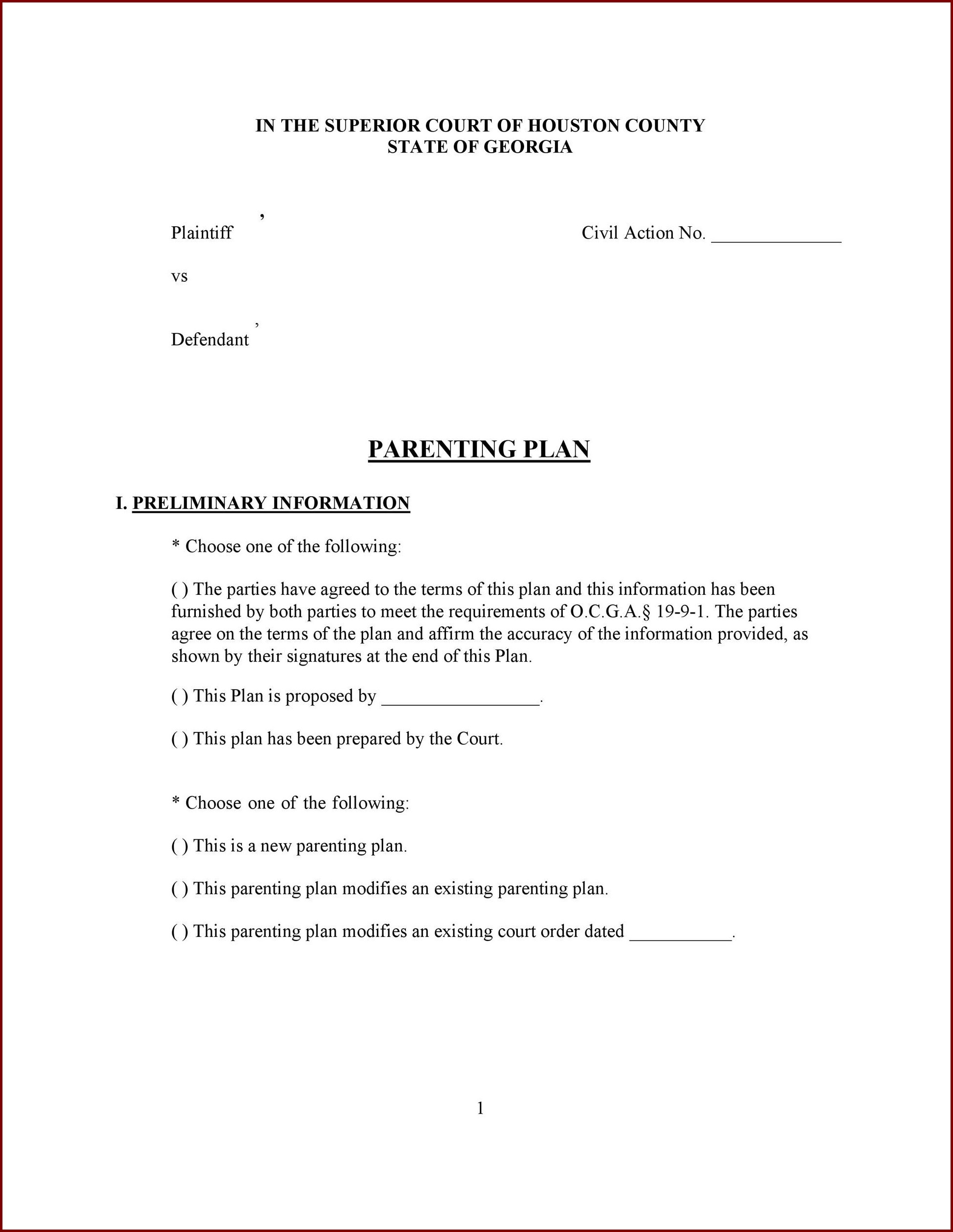
What is a Parenting Agreement?
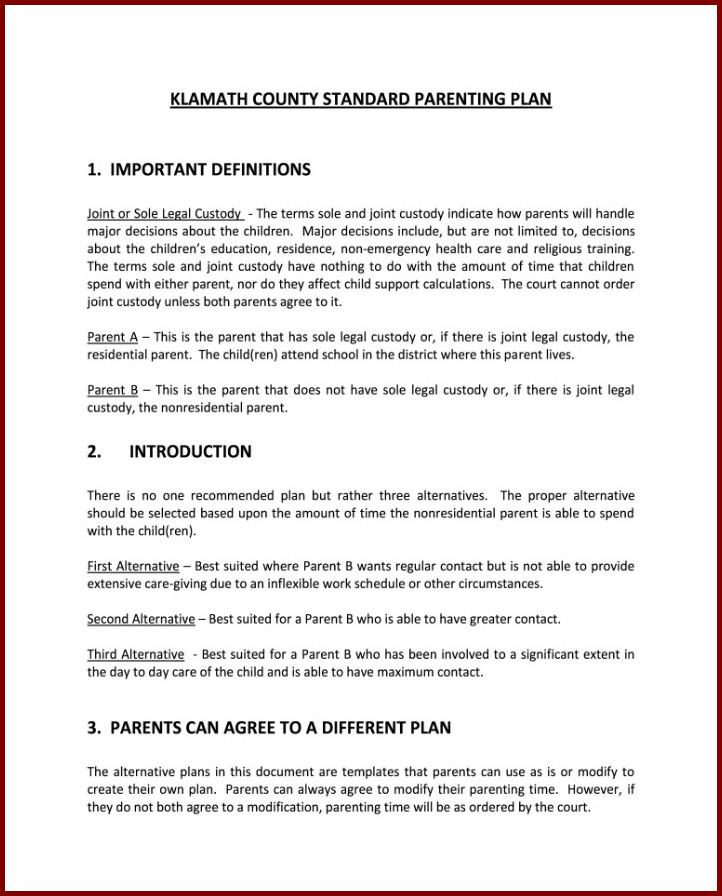
A parenting agreement, also known as a co-parenting agreement or a custody agreement, is a legal document that outlines how parents will share the responsibilities of raising their children after a separation or divorce. It covers important aspects such as custody arrangements, visitation schedules, decision-making authority, and communication protocols.
Creating a parenting agreement can help parents establish clear expectations and guidelines for co-parenting, which can ultimately benefit the children involved. By laying out the terms of their co-parenting arrangement in writing, parents can reduce conflict, promote consistency, and ensure that the needs of their children are being met.
Why is a Parenting Agreement Important?
A parenting agreement is important for several reasons. Firstly, it provides a clear roadmap for co-parenting, which can help parents navigate the challenges of raising children separately. By outlining the specific terms of their co-parenting arrangement, parents can avoid misunderstandings and conflicts that may arise down the line.
Additionally, a parenting agreement can help protect the best interests of the children involved. By clearly defining custody arrangements, visitation schedules, and decision-making authority, parents can ensure that their children’s needs are being prioritized and that they are receiving consistent care and support from both parents.
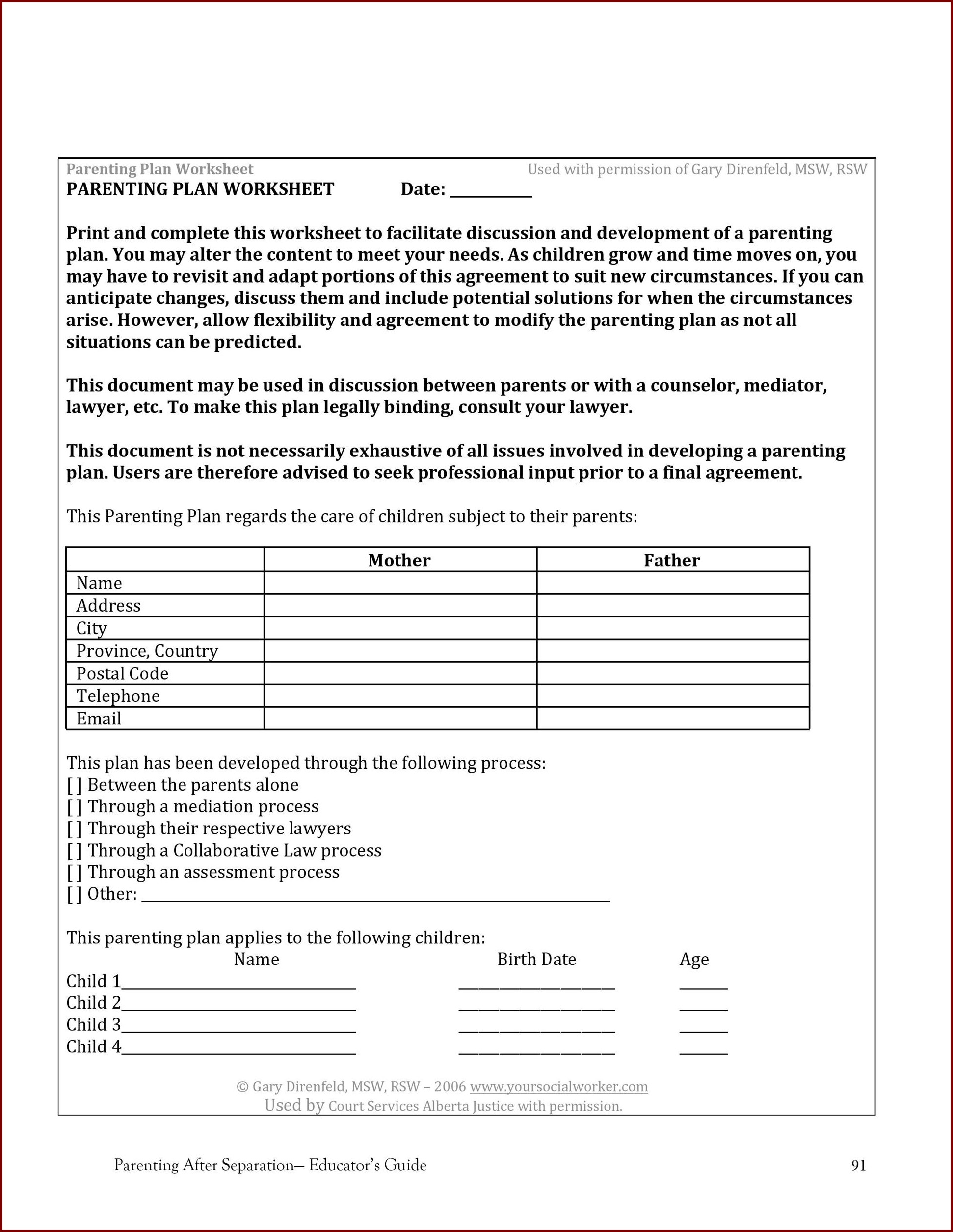
What to Include in a Parenting Agreement
When creating a parenting agreement, it’s important to include all the necessary details to ensure that the agreement is comprehensive and effective. Some key components to consider including in a parenting agreement are:
- Custody Arrangements: Outline the physical and legal custody arrangements for the children.
- Visitation Schedule: Establish a detailed visitation schedule that outlines when each parent will have parenting time with the children.
- Decision-Making Authority: Specify how important decisions regarding the children’s upbringing will be made.
- Communication Protocols: Define how parents will communicate with each other regarding the children.
- Holiday and Vacation Schedule: Address how holidays and vacations will be shared between parents.
- Financial Responsibilities: Detail how financial responsibilities for the children will be divided between parents.
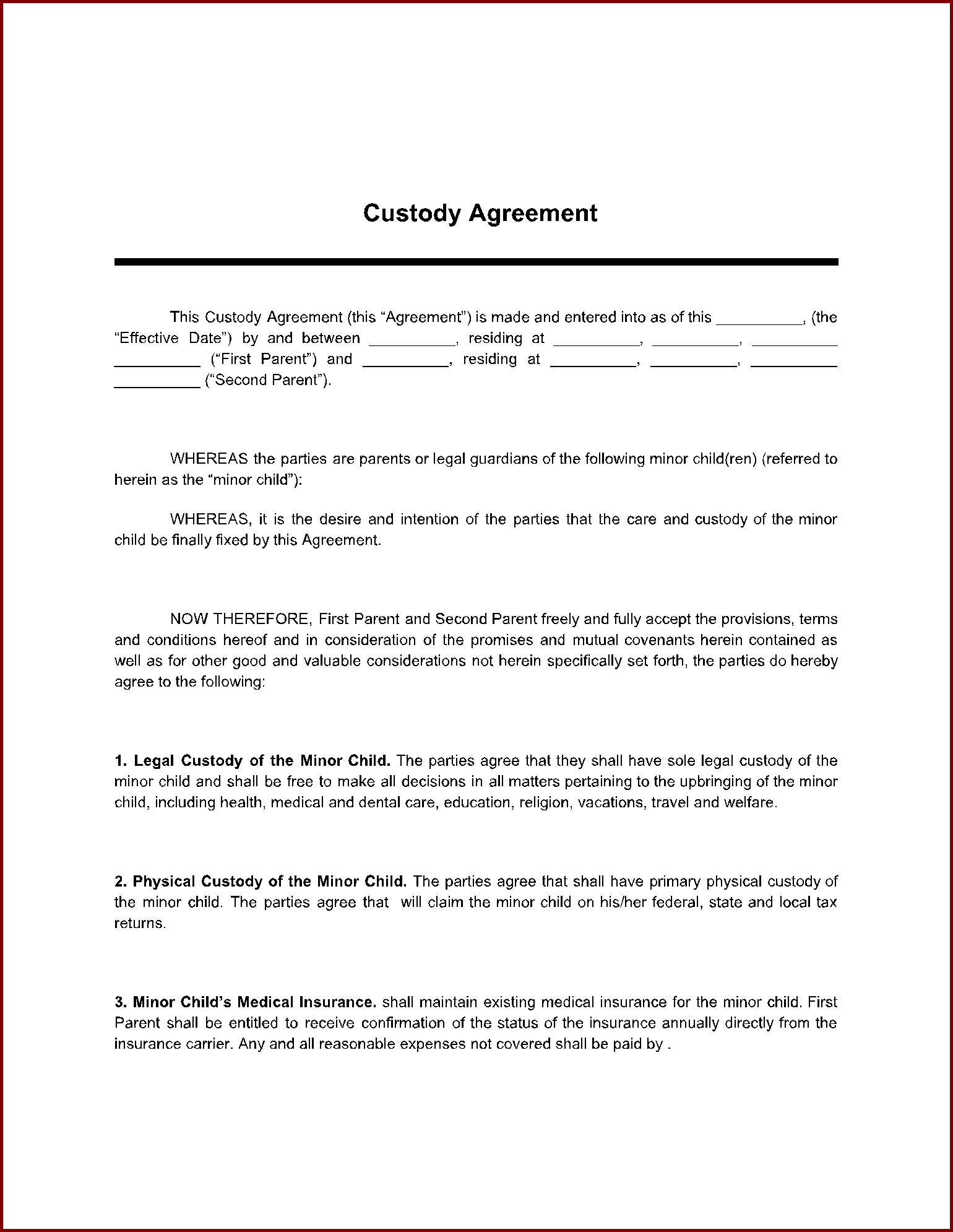
How to Create a Parenting Agreement
Creating a parenting agreement can be a collaborative process between parents or can be facilitated with the help of a mediator or lawyer. Here are some steps to follow when creating a parenting agreement:
1. Communicate: Open and honest communication between parents is essential when creating a parenting agreement.
2. Identify Priorities: Determine what is most important to both parents and prioritize those issues in the agreement.
3. Seek Professional Help: Consider working with a mediator or lawyer to help facilitate the process and ensure that the agreement is fair and legally sound.
4. Review and Revise: Regularly review and update the parenting agreement as needed to ensure that it continues to meet the needs of both parents and their children.
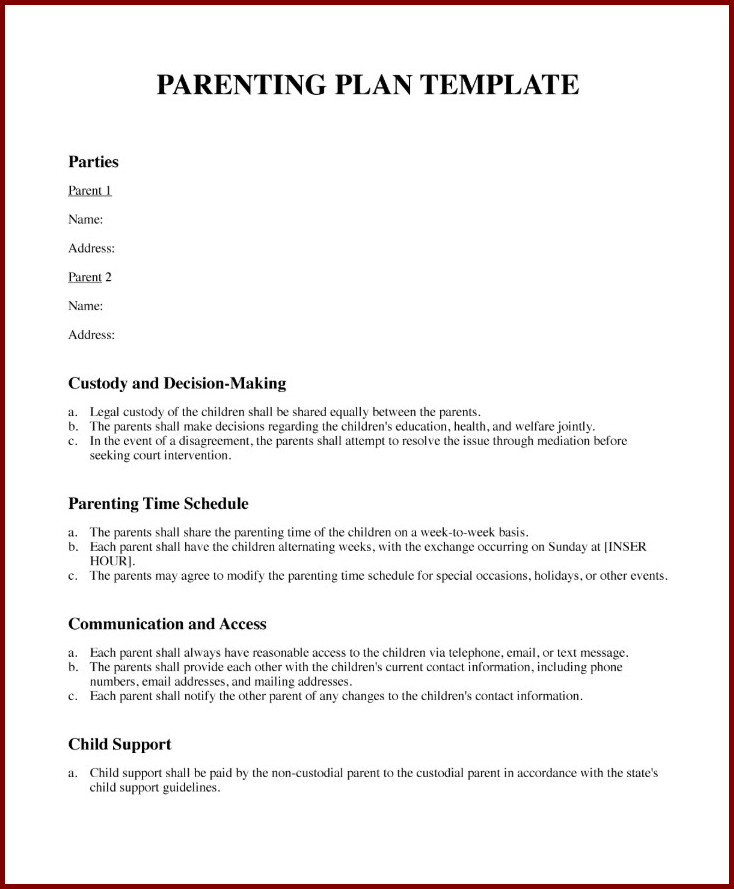
Tips for Successful Co-Parenting
Successful co-parenting requires effort, patience, and a commitment to putting the needs of the children first. Here are some tips for successful co-parenting:
1. Communicate Effectively: Keep lines of communication open and respectful with the other parent.
2. Be Flexible: Be willing to compromise and make adjustments to the parenting agreement as needed.
3. Put the Children First: Focus on what is best for the children and prioritize their well-being above all else.
4. Seek Support: Don’t be afraid to seek help from a therapist, mediator, or support group if needed.
5. Take Care of Yourself: Remember to take care of yourself both physically and emotionally so that you can be the best parent possible.
6. Stay Positive: Focus on the positive aspects of co-parenting and try to maintain a positive attitude, even in challenging situations.
7. Celebrate Successes: Celebrate the successes and milestones of co-parenting, no matter how small they may seem.
In Conclusion
In conclusion, a parenting agreement can be an invaluable tool for parents who are navigating the complexities of co-parenting. By creating a clear and comprehensive agreement, parents can establish a solid foundation for successful co-parenting and ensure that the needs of their children are being met. Remember to approach the process with an open mind, a willingness to compromise, and a commitment to putting the needs of the children first. With effort and cooperation, co-parenting can be a positive and rewarding experience for both parents and children alike.
Parenting Agreement Template – Word

- Free Printable Affidavit Form Template - October 2, 2026
- Printable Adoption Certificate Template - October 2, 2026
- Free Printable Address Label Template - October 2, 2026
