Contracts are an essential part of any business transaction. Whether you are buying goods or services, entering into a contract ensures that both parties understand their rights and responsibilities. A purchasing contract, in particular, is a legal agreement between a buyer and a seller that outlines the terms and conditions of a purchase. It is crucial to have a clear and detailed contract in place to avoid any misunderstandings or disputes down the line.
In this article, we will delve into the world of purchasing contracts, exploring what they are, why they are important, what to include in them, how to create one, and some tips for ensuring a successful contract.
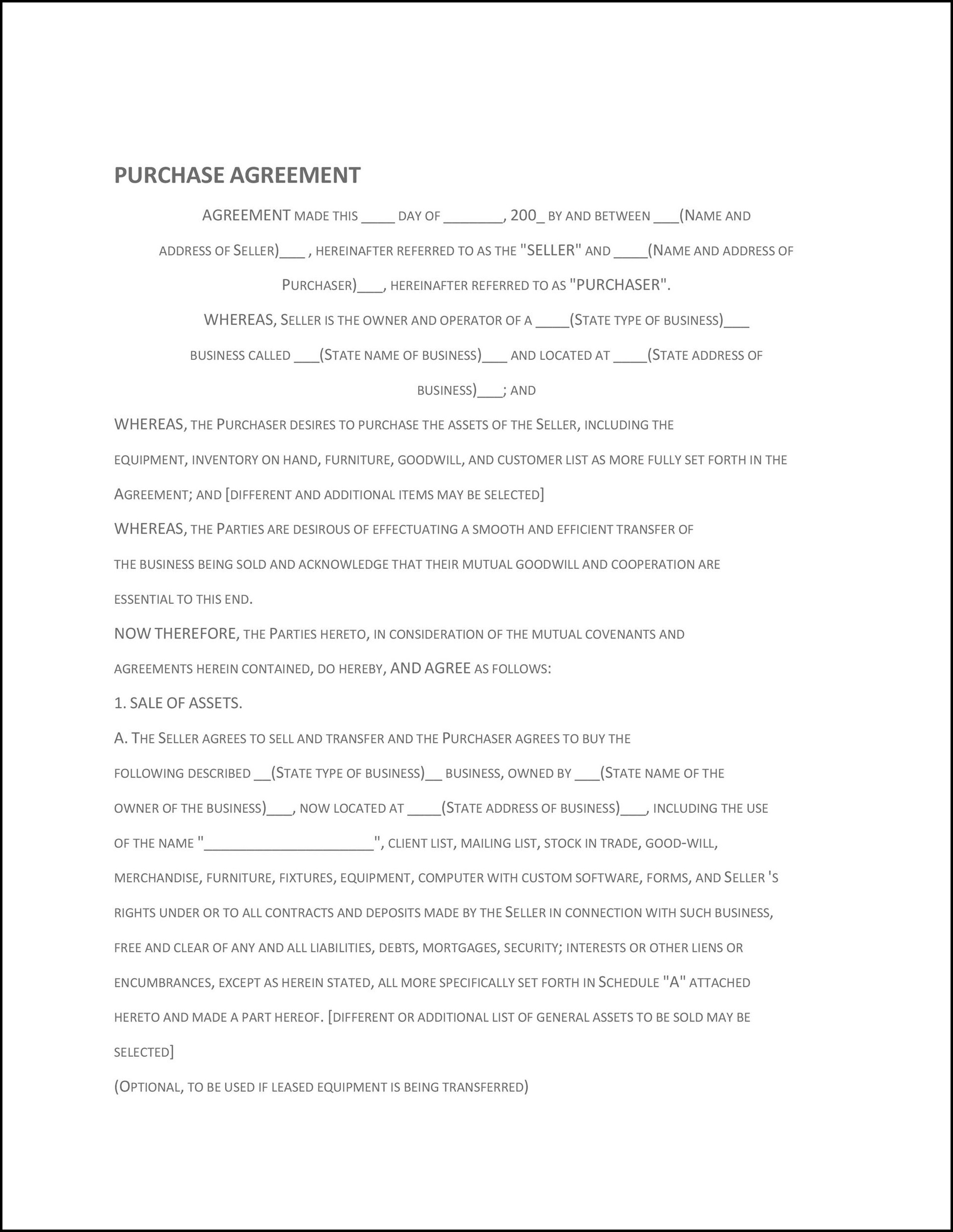
What is a Purchasing Contract?
A purchasing contract is a legal document that outlines the terms and conditions of a purchase agreement between a buyer and a seller. It specifies the details of the transaction, including the price, quantity, quality, delivery terms, payment terms, and any other relevant information. The purpose of a purchasing contract is to protect both parties by clearly defining their rights and obligations. By having a written contract in place, both the buyer and the seller can avoid misunderstandings and disputes in the future.
When it comes to purchasing contracts, there are two main types: one-off contracts and master agreements. A one-off contract is a single transaction between the buyer and the seller, outlining the specific details of that particular purchase. On the other hand, a master agreement is a long-term contract that establishes the terms and conditions for multiple transactions between the parties. It provides a framework for future purchases, making the process more efficient and streamlined.
Why are Purchasing Contracts Important?
Purchasing contracts are essential for several reasons. Firstly, they provide legal protection for both parties involved in the transaction. By clearly outlining the terms and conditions of the purchase, a contract helps to prevent misunderstandings and disputes. If a disagreement arises, the contract can be used as evidence to resolve the issue.
Secondly, purchasing contracts help to ensure that both parties fulfill their obligations. By laying out the responsibilities of each party, a contract helps to hold them accountable for their actions. If one party fails to meet its obligations, the other party can take legal action to enforce the contract.
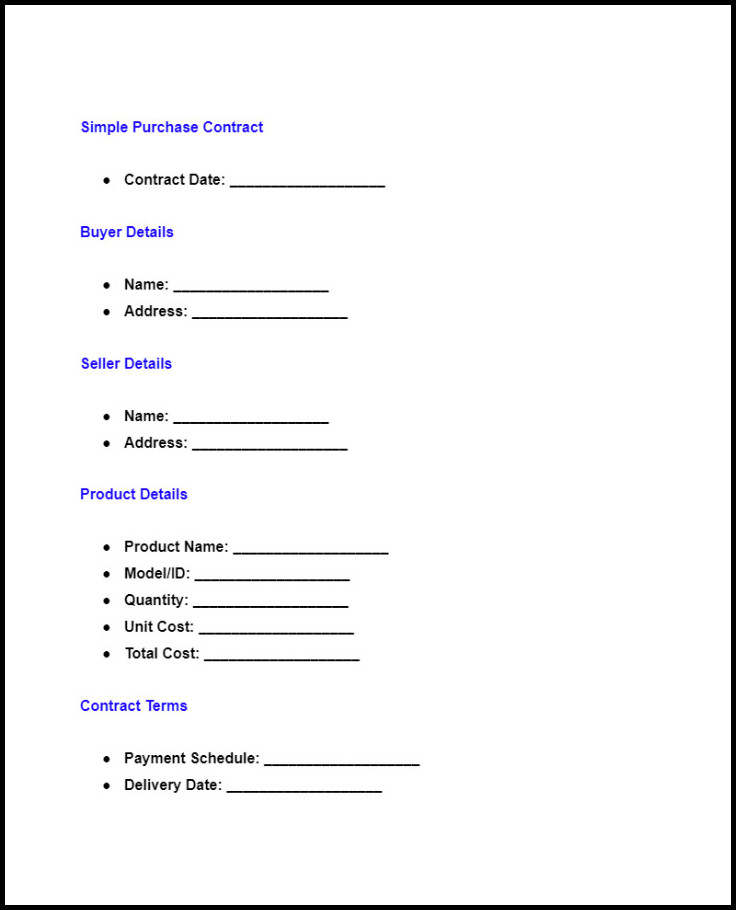
What to Include in a Purchasing Contract
When creating a purchasing contract, it is important to include certain key elements to ensure that all aspects of the transaction are covered. Here are some of the essential components that should be included in a purchasing contract:
- Parties involved: Clearly identify the buyer and the seller in the contract.
- Goods or services: Describe the goods or services being purchased, including quantity, quality, specifications, and any other relevant details.
- Price: Specify the price of the goods or services, including any taxes, fees, or additional charges.
- Delivery terms: Outline the delivery timeline, method of delivery, and any shipping costs.
- Payment terms: Detail the payment schedule, method of payment, and any late payment penalties.
- Warranties and guarantees: Include any warranties or guarantees provided by the seller for the goods or services.
- Termination clause: Define the conditions under which the contract can be terminated by either party.
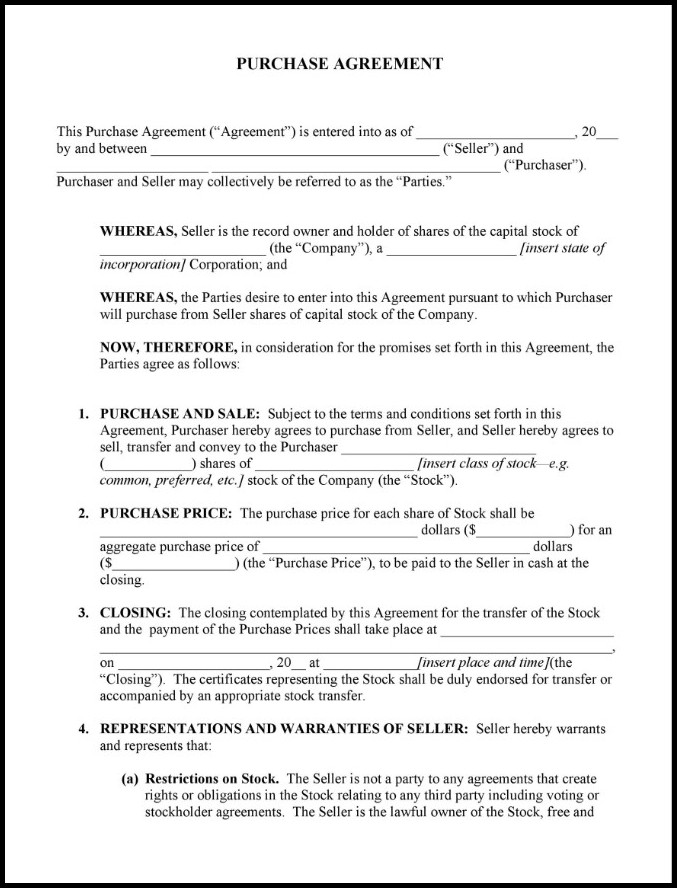
How to Create a Purchasing Contract
Creating a purchasing contract may seem like a daunting task, but with the right approach, it can be a straightforward process. Here are some steps to help you create a successful purchasing contract:
1. Identify the parties: Clearly identify the buyer and the seller in the contract, including their contact information and legal names.
2. Define the terms: Outline the details of the transaction, including the goods or services being purchased, price, delivery terms, and payment terms.
3. Include necessary clauses: Add clauses to address warranties, guarantees, termination, dispute resolution, and any other relevant issues.
4. Review and negotiate: Review the contract carefully to ensure that all terms are accurate and fair. Negotiate with the other party if necessary to reach a mutual agreement.
5. Sign the contract: Once both parties are satisfied with the terms, sign the contract to make it legally binding.
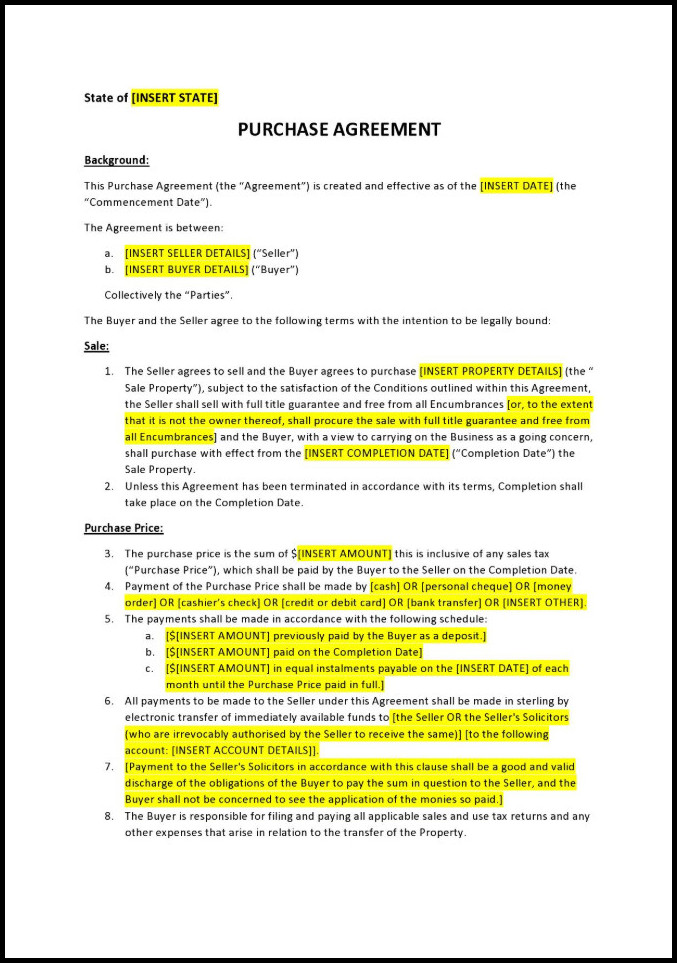
Tips for a Successful Purchasing Contract
Creating a successful purchasing contract requires attention to detail and thorough planning. Here are some tips to help you navigate the process:
1. Be specific: Include detailed descriptions of the goods or services being purchased to avoid any misunderstandings.
2. Seek legal advice: If you are unsure about any aspect of the contract, consult with a legal professional to ensure that it meets all legal requirements.
3. Communication is key: Keep the lines of communication open with the other party throughout the process to address any concerns or questions.
4. Document everything: Keep detailed records of all communications, changes to the contract, and any other relevant information.
5. Review regularly: Periodically review and update the contract to ensure that it remains relevant and meets the needs of both parties.
6. Follow through: Once the contract is in place, make sure to adhere to its terms and fulfill your obligations to maintain a positive business relationship.
7. Seek feedback: After the transaction is complete, ask for feedback from the other party to identify areas for improvement in future contracts.
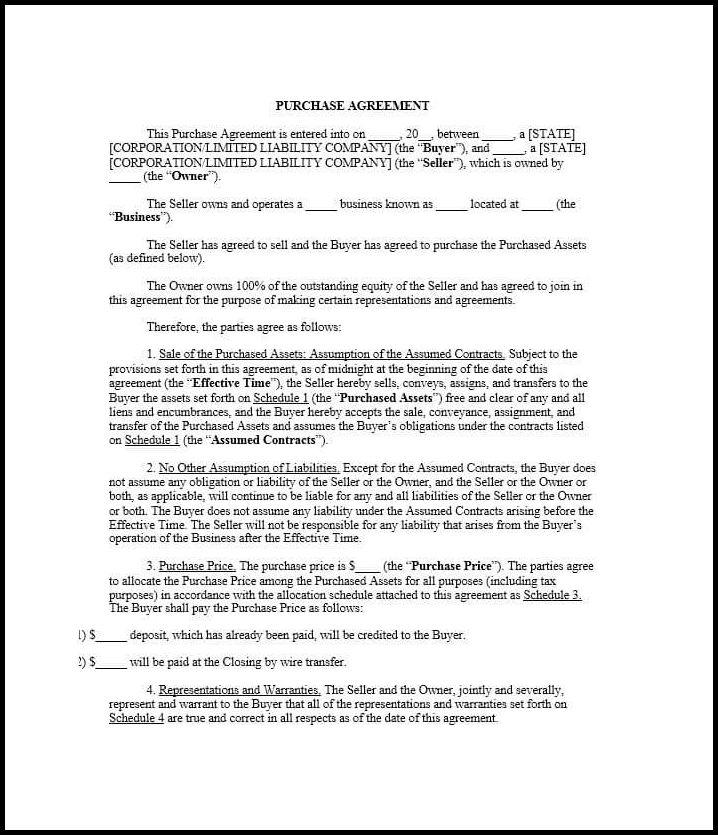
In conclusion, purchasing contracts play a crucial role in business transactions by providing legal protection and clarity for both buyers and sellers. By understanding what to include in a contract, how to create one, and following some key tips for success, you can ensure that your purchasing contract is effective and beneficial for all parties involved.
Purchasing Contract Template – Word

- Free Printable Affidavit Form Template - October 2, 2026
- Printable Adoption Certificate Template - October 2, 2026
- Free Printable Address Label Template - October 2, 2026
