Story plot charts are essential tools for writers to map out the structure of their stories. Whether you are a seasoned author or just starting out, understanding how to use a plot chart can help you create a compelling narrative that keeps readers engaged from beginning to end. In this guide, we will explore the what, why, key elements, how to, and tips for using story plot charts effectively.
What is a Story Plot Chart?
A story plot chart is a visual representation of the events that unfold in a story. It typically consists of a series of points that outline the key plot points, character development, and conflicts that drive the narrative forward. Plot charts can take many forms, including linear timelines, circular diagrams, or even simple lists of events. Regardless of the format, the purpose of a plot chart is to help writers organize their thoughts and ensure that the story flows logically and cohesively.
Why Use a Story Plot Chart?
There are several benefits to using a story plot chart when crafting a narrative. Firstly, plot charts can help writers identify any plot holes or inconsistencies in their story before they start writing. By laying out the key events in advance, writers can ensure that the story maintains a sense of coherence and structure. Additionally, plot charts can help writers stay focused on the main storyline and avoid getting sidetracked by unnecessary subplots or tangents.
Key Elements of a Story Plot Chart
When creating a story plot chart, there are several key elements that writers should include to ensure that their narrative is well-developed and engaging. These elements typically include:
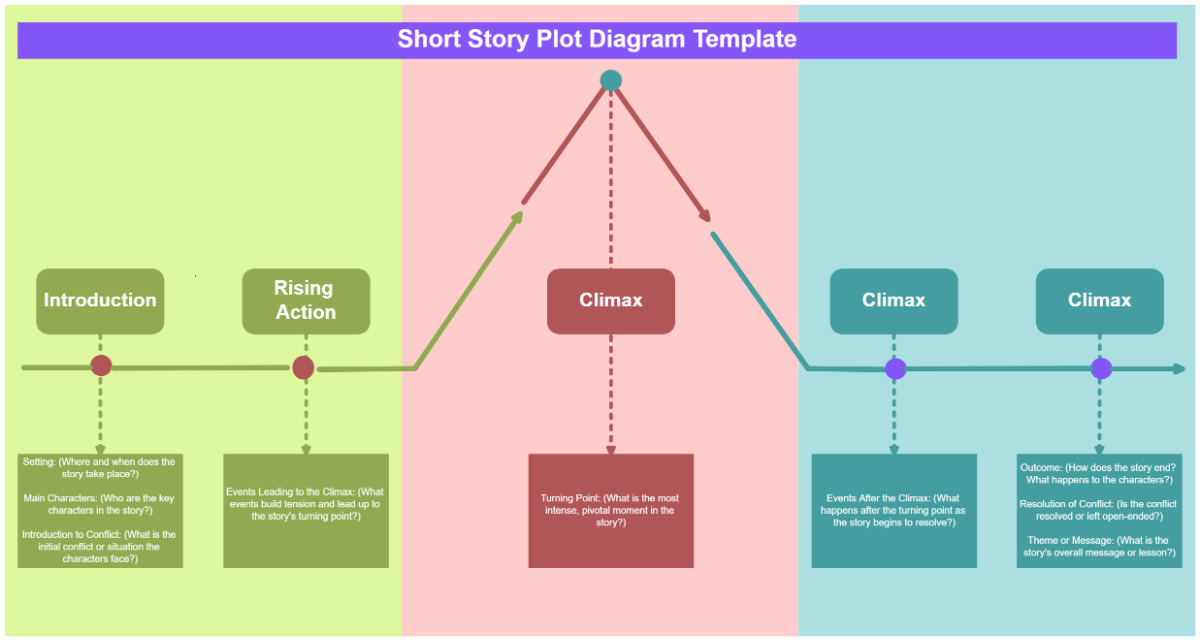
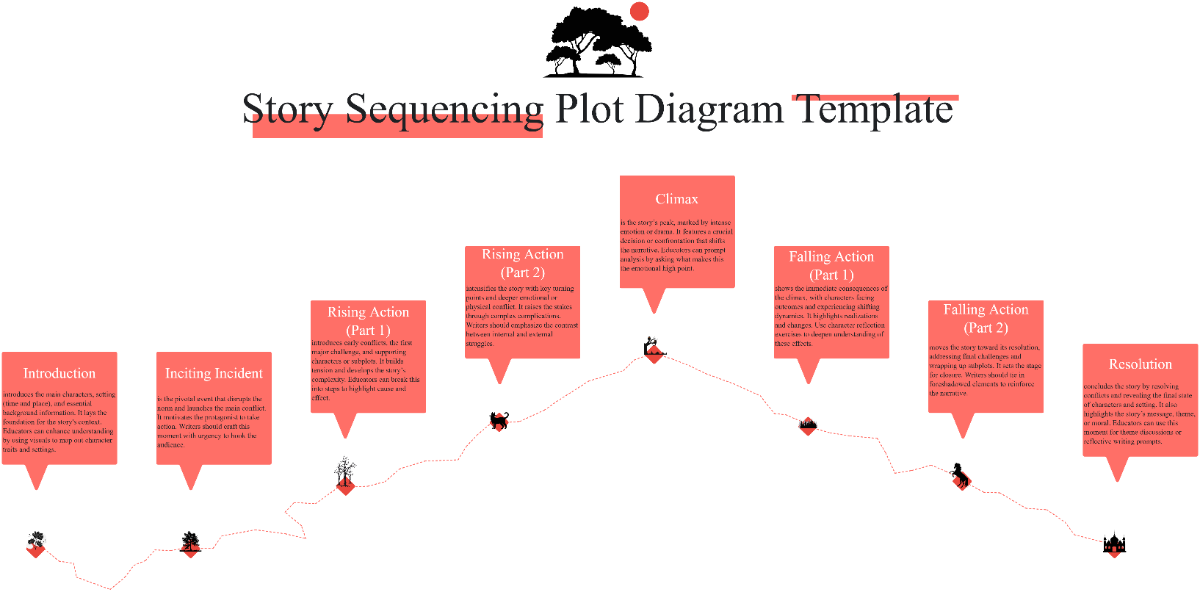
- Introduction: The beginning of the story where the main characters and setting are introduced.
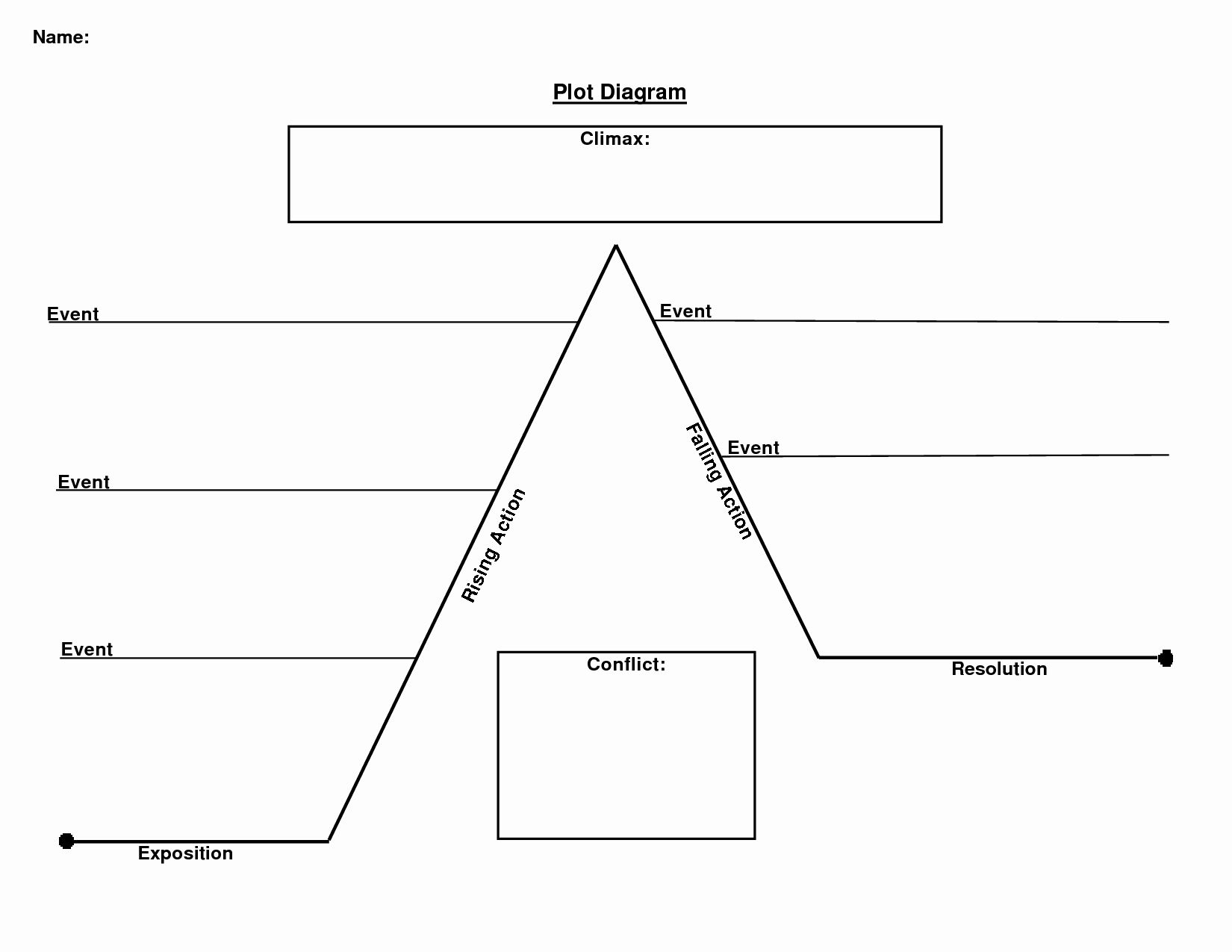
- Rising Action: The series of events that lead to the climax of the story.
- Climax: The turning point of the story where the main conflict is resolved.
- Falling Action: The events that occur after the climax, leading to the resolution of the story.
- Resolution: The conclusion of the story where loose ends are tied up and the main characters’ fates are revealed.
- Character Development: The growth and change that the main characters undergo throughout the story.
How to Create a Story Plot Chart
Creating a story plot chart is a relatively straightforward process that involves outlining the key events of the story in a logical sequence. Here are some steps to help you create your own plot chart:
1. Start by identifying the main characters and setting of your story.
2. Outline the key events that will drive the narrative forward, including the introduction, rising action, climax, falling action, and resolution.
3. Consider the character development and conflicts that will shape the story.
4. Organize the events in a visual format, such as a timeline, diagram, or list.
5. Review and revise your plot chart to ensure that it flows smoothly and logically.
Tips for Using Story Plot Charts
While story plot charts can be valuable tools for writers, it’s essential to approach them with a creative mindset and be open to making changes as needed. Here are some tips for using story plot charts effectively:
1. Don’t be afraid to experiment with different plot chart formats to find what works best for your story.
2. Keep your plot chart flexible and be willing to make adjustments as you write and revise your story.
3. Use your plot chart as a guide, but allow room for spontaneity and creativity in your writing process.
4. Consider using color-coding or symbols to differentiate between different plot elements on your chart.
5. Share your plot chart with beta readers or other writers for feedback and suggestions on how to improve your story.
By incorporating story plot charts into your writing process, you can create more cohesive and engaging narratives that resonate with readers. Whether you are a plotter or a pantser, utilizing a plot chart can help you stay organized and focused as you bring your story to life. Experiment with different techniques and find what works best for you, and remember that storytelling is as much an art as it is a science. Happy writing!

- Printable Weekly Food Chart Template - September 18, 2026
- Free Printable Weekly Cleaning Chart Template - September 18, 2026
- Free Separation Agreement Template (Word) - September 18, 2026
