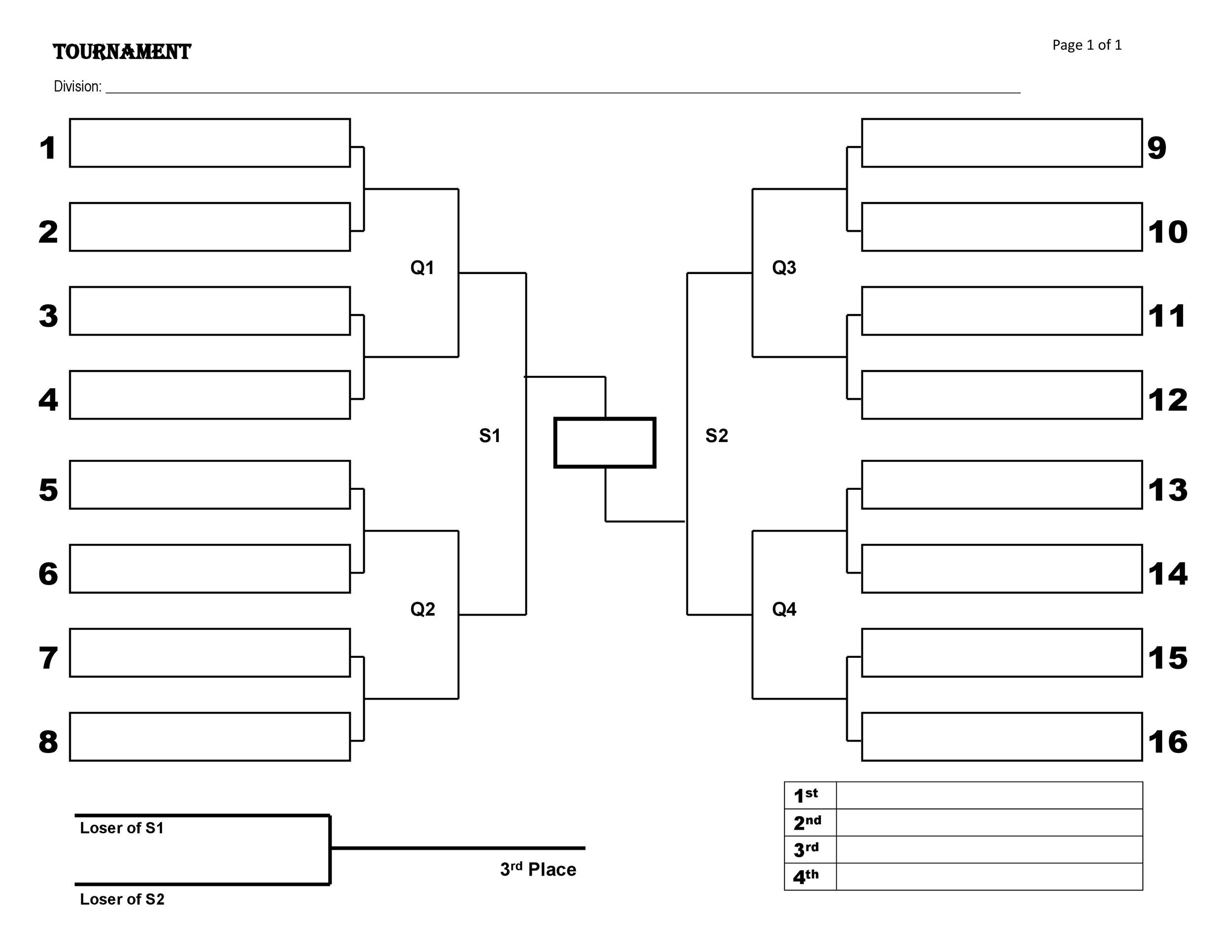
Tournament charts are a crucial tool in the world of sports, gaming, and other competitive activities. They provide a visual representation of the progression of a tournament, from the initial rounds to the ultimate champion. Whether you’re organizing a small local competition or following a major international event, understanding tournament charts is essential for keeping track of the action.
What is a Tournament Chart?
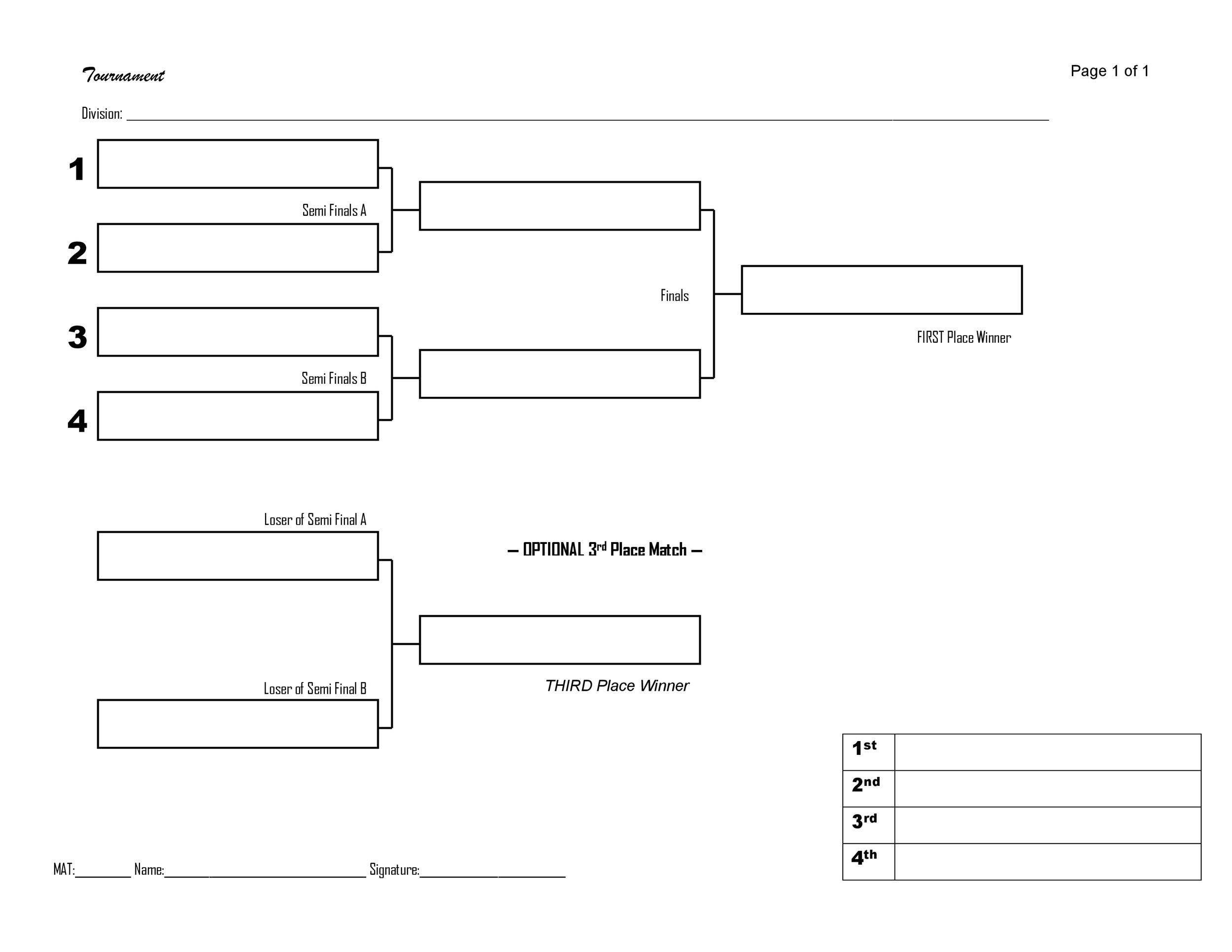
A tournament chart, also known as a bracket or draw, is a graphical representation of the matchups in a tournament. It shows how competitors are paired against each other in each round, with the winners moving on to face each other in subsequent rounds. The structure of the chart can vary depending on the format of the tournament, such as single-elimination, double-elimination, round-robin, or Swiss system.
Tournament charts are commonly used in sports like basketball, tennis, and soccer, as well as in eSports, board games, and other competitive activities. They provide a clear overview of the tournament schedule, helping participants and spectators track the progress of their favorite teams or players.
Why are Tournament Charts Important?
Tournament charts serve several important purposes in the world of competitive events. Here are some key reasons why tournament charts are essential:
1. Organization: Tournament charts help organizers plan and schedule matches, ensuring a smooth flow of the competition.
2. Transparency: By displaying the matchups and results, tournament charts promote fairness and transparency in the tournament.
3. Engagement: Fans and participants can follow the progress of the tournament more easily with a visual chart.
4. Strategy: Competitors can study the chart to anticipate their next opponents and plan their tactics accordingly.
Key Elements of a Tournament Chart
A typical tournament chart consists of several key elements that provide essential information about the competition. Here are the main components you’ll find in a tournament chart:
1. Seedings: The initial rankings or seedings of the competitors, which determine their placement in the chart.
2. Matchups: The pairings of competitors in each round of the tournament, showing who will face off against each other.
3. Results: The outcomes of each match, indicating which competitor advances to the next round.
4. Progression: The flow of the tournament, from the early rounds to the final match that determines the champion.
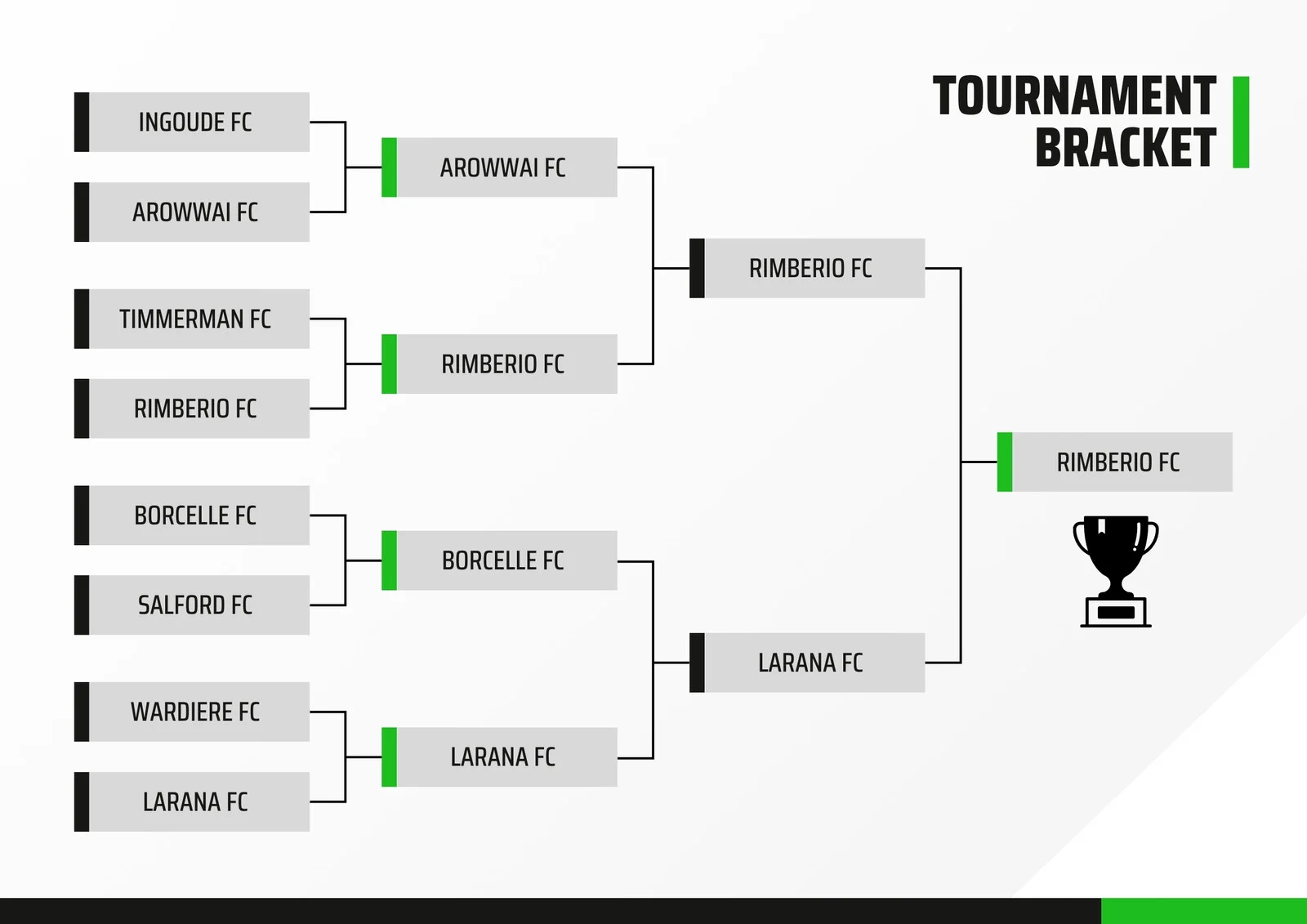
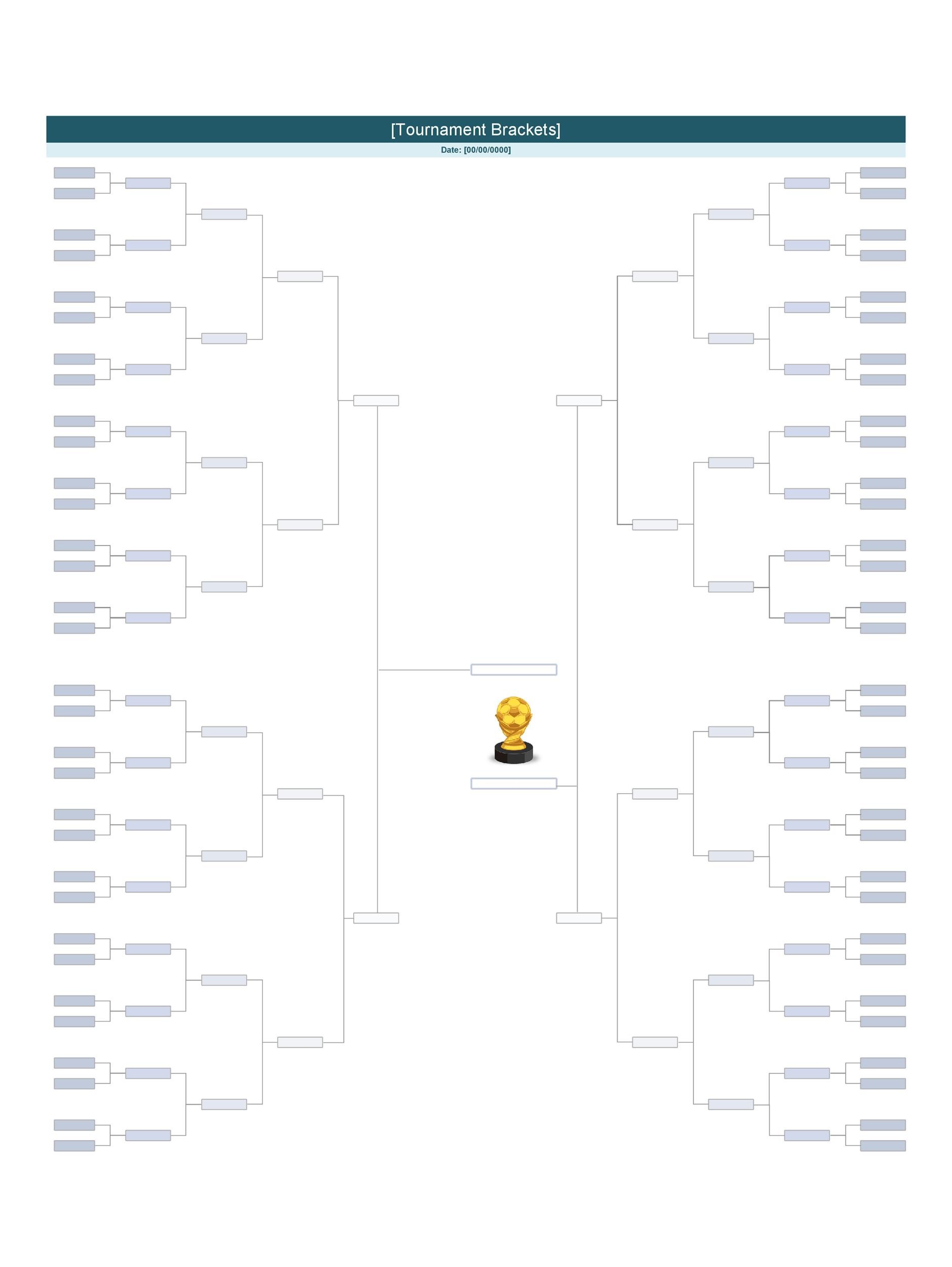
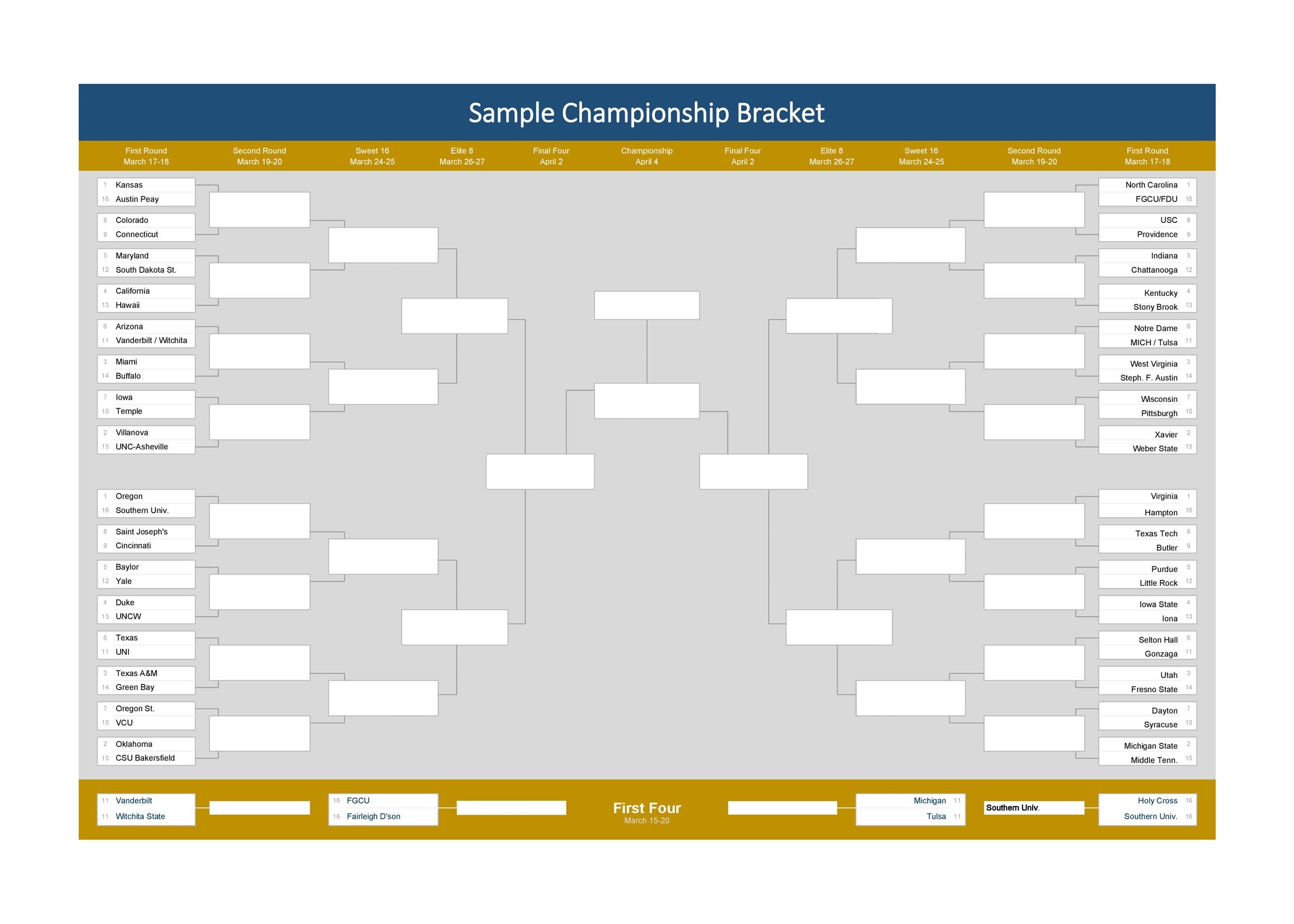
How to Create a Tournament Chart
Creating a tournament chart may seem daunting, but with the right tools and a clear understanding of the format, it can be a straightforward process. Here’s a step-by-step guide to creating your own tournament chart:
1. Choose the Format: Decide on the type of tournament format you want to use, such as single-elimination, double-elimination, or round-robin.
2. Determine the Number of Competitors: Calculate the total number of competitors to determine the size of the chart.
3. Seed the Competitors: Assign seedings or rankings to the competitors based on their performance or random selection.
4. Fill in the Matchups: Pair the competitors according to the tournament format, ensuring that each round has the appropriate number of matches.
5. Update the Results: As the tournament progresses, fill in the outcomes of each match and adjust the chart accordingly.
6. Track the Progression: Follow the flow of the tournament and update the chart to reflect the advancing competitors.
7. Finalize the Champion: Once the final match is played, determine the champion and mark them on the chart as the winner.
Tips for Using Tournament Charts
To make the most of tournament charts, consider the following tips for organizing and following competitive events:
– Stay Updated: Regularly update the tournament chart with the latest results to keep participants and spectators informed.
– Promote Interaction: Encourage engagement by sharing the tournament chart online or displaying it at the event venue.
– Plan Ahead: Anticipate any potential scheduling conflicts or tiebreakers when creating the tournament chart.
– Consider Alternatives: Explore different tournament formats and chart designs to find the best fit for your event.
– Celebrate the Winner: Highlight the champion on the tournament chart and celebrate their victory with recognition and rewards.
In conclusion, tournament charts are a valuable tool for organizing and tracking competitive events. By understanding the key elements of a tournament chart and following the steps to create one, you can enhance the experience for participants and spectators alike. Whether you’re a sports fan, a gamer, or an event organizer, tournament charts offer a visual representation of the excitement and drama of competitive tournaments. So next time you’re following a tournament, take a closer look at the chart and immerse yourself in the thrill of the competition.

- Free Student Resume Template (Word) - September 21, 2026
- Free Printable Travel Itinerary Template - September 21, 2026
- Free Printable Trip Schedule Template - September 21, 2026
