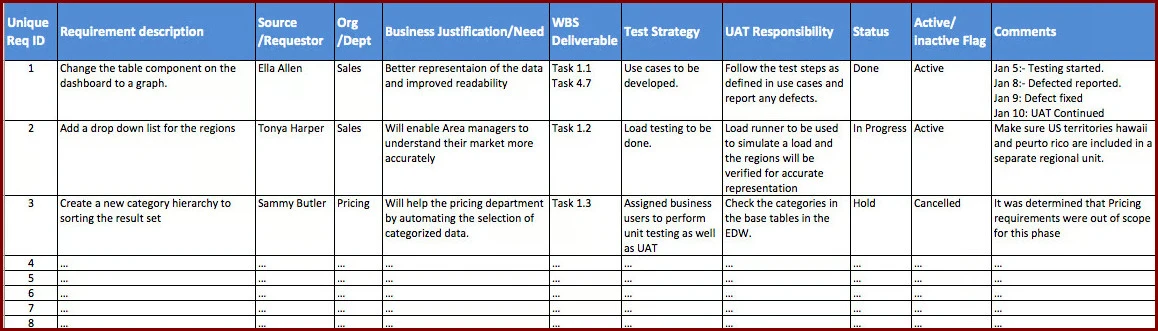
In the world of software development, managing requirements is a crucial aspect that can make or break a project. One of the key tools used to ensure that requirements are met throughout the development process is the Requirement Traceability Matrix (RTM). This document serves as a roadmap, linking requirements to design, implementation, testing, and ultimately, the final product.
Let’s delve deeper into what RTM is, why it is important, what to include in an RTM, how to create one, and some tips for maximizing its effectiveness.
What is a Requirement Traceability Matrix?
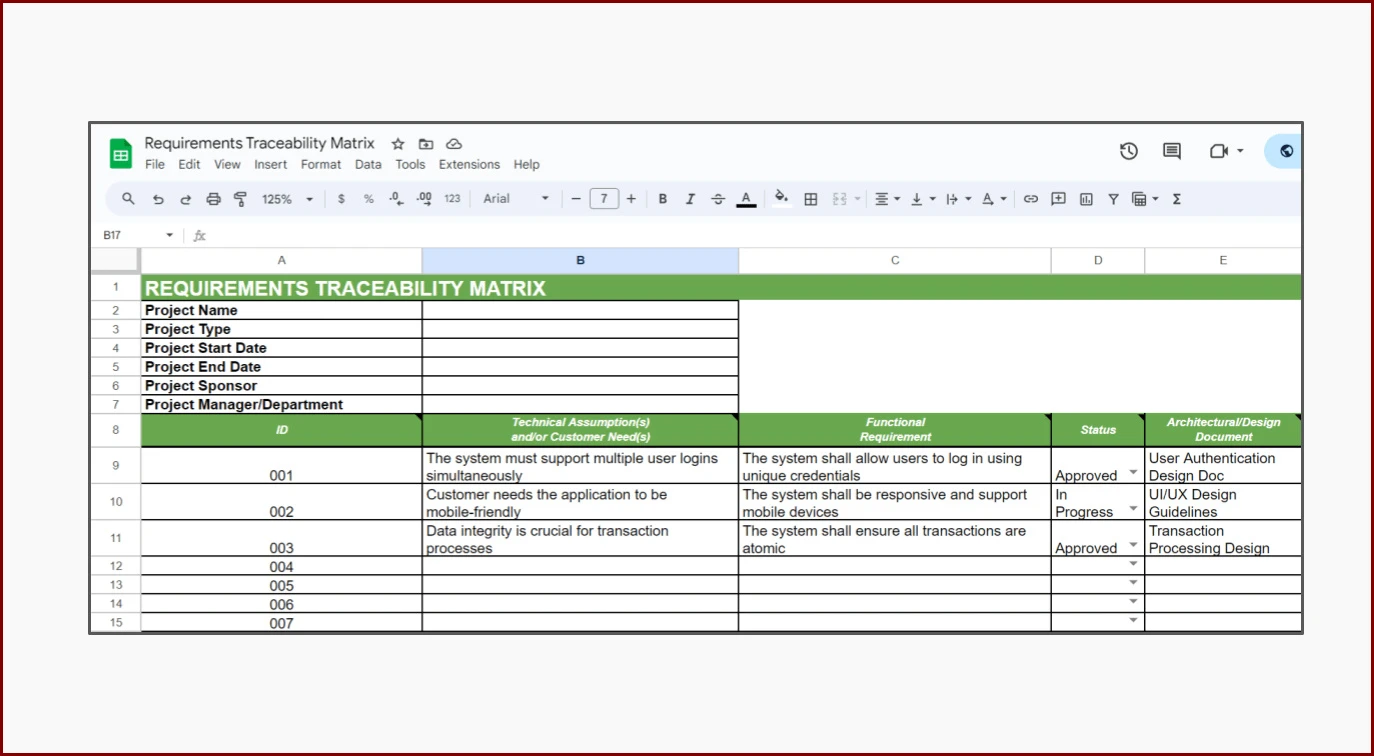
A Requirement Traceability Matrix (RTM) is a document that maps and traces user requirements throughout the software development lifecycle. It provides a way to ensure that each requirement is met and verified through each phase of the project. By linking requirements to design elements, test cases, and other project artifacts, an RTM helps to maintain consistency and alignment between the initial requirements and the final product.
An RTM is typically created in the early stages of a project and is continuously updated as requirements evolve or change. It serves as a tool for tracking the progress of requirements, identifying dependencies, and managing changes throughout the development process. By maintaining traceability, project teams can ensure that all requirements are addressed and validated, leading to a successful project delivery.
Why is the Requirement Traceability Matrix Important?
The Requirement Traceability Matrix plays a crucial role in software development for several reasons:
– Ensures Requirement Coverage: By mapping requirements to various project artifacts, an RTM ensures that all requirements are addressed, implemented, and tested.
– Facilitates Change Management: As requirements evolve or change, an RTM helps to manage these changes by tracing their impact on other project components.
– Improves Communication: RTM serves as a central document that helps project teams to communicate and collaborate effectively, ensuring everyone is on the same page regarding project requirements.
– Enhances Quality Assurance: By linking requirements to test cases, an RTM helps to ensure that all requirements are validated and the final product meets the user’s expectations.
– Supports Regulatory Compliance: For projects with strict regulatory requirements, an RTM provides a traceable record of how requirements are met, aiding in compliance audits.
In essence, an RTM is a vital tool that helps project teams to stay organized, keep track of requirements, and ensure successful project delivery.
What to Include in a Requirement Traceability Matrix
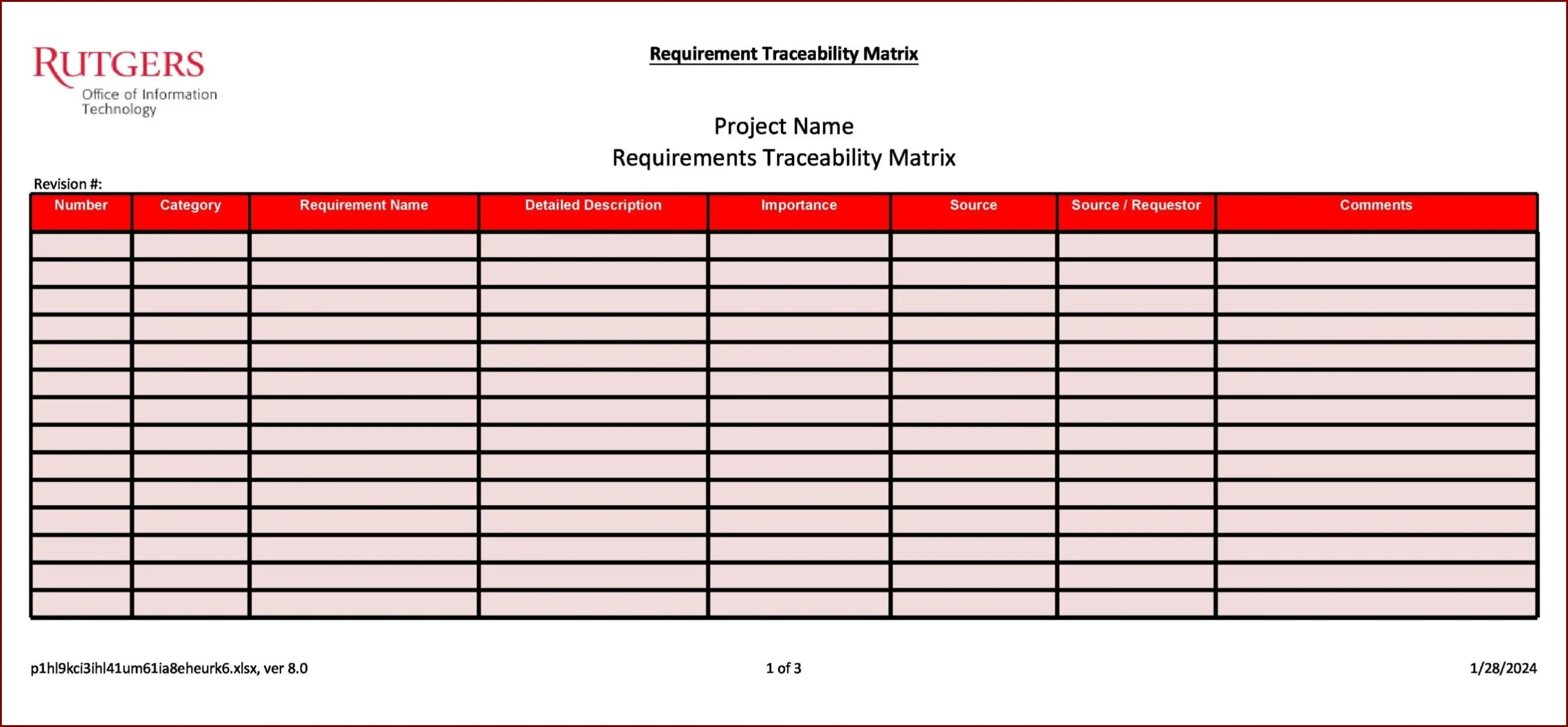
When creating an RTM, it is essential to include the following key elements:
– Requirement Identifier: Unique identifier for each requirement.
– Requirement Description: A clear and concise description of each requirement.
– Source: The origin of each requirement (e.g., stakeholder, business process).
– Status: The current status of each requirement (e.g., pending, implemented, verified).
– Design Element: The design component(s) that address each requirement.
– Test Case: The test case(s) that validate each requirement.
– Comments/Notes: Additional information or notes related to the requirement.
By including these elements in an RTM, project teams can effectively track and manage requirements throughout the software development lifecycle.
How to Create a Requirement Traceability Matrix
Creating an RTM involves the following steps:
1. Gather Requirements: Collect and document all project requirements from stakeholders and project documents.
2. Identify Relationships: Determine the relationships between requirements, design elements, and test cases.
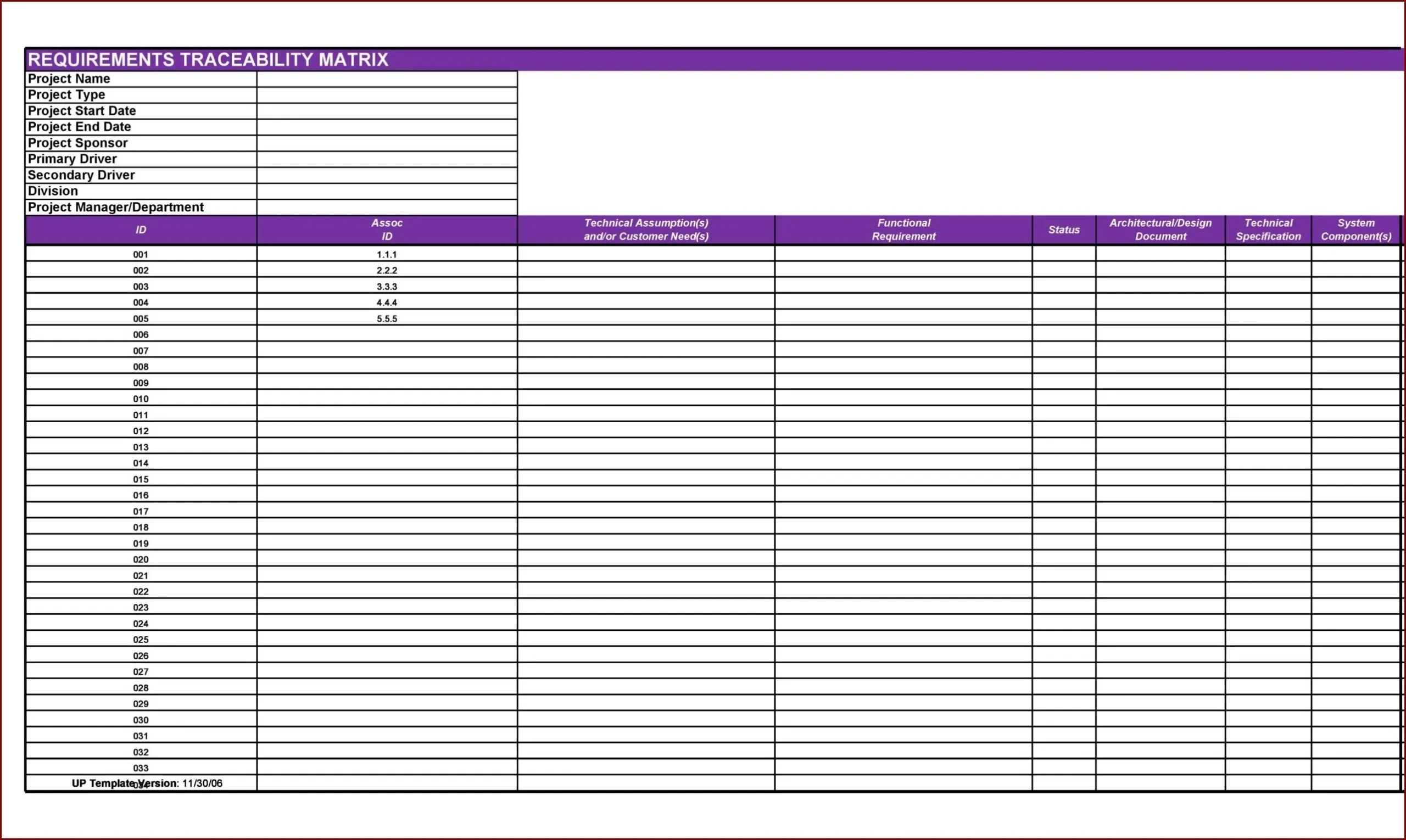
3. Create the Matrix: Organize the requirements, design elements, and test cases in a tabular format.
4. Establish Traceability: Link each requirement to the corresponding design element and test case.
5. Update Regularly: Continuously update the RTM as requirements evolve or change throughout the project.
By following these steps, project teams can create a comprehensive Requirement Traceability Matrix that serves as a valuable tool throughout the software development process.
Tips for Maximizing the Effectiveness of the Requirement Traceability Matrix
To make the most of an RTM, consider the following tips:
– Maintain Consistency: Ensure that all project artifacts are consistently linked and updated in the RTM.
– Use Tools: Consider using requirements management tools or software to automate the traceability process.
– Involve Stakeholders: Collaborate with stakeholders to validate requirements and ensure alignment between expectations and deliverables.
– Regular Reviews: Conduct regular reviews of the RTM with project teams to ensure accuracy and completeness.
– Training: Provide training to project teams on how to use and update the RTM effectively.
– Version Control: Implement version control to track changes and ensure traceability integrity.
– Document Changes: Document any changes or updates to requirements in the RTM for future reference.
By implementing these tips, project teams can optimize the use of the Requirement Traceability Matrix and enhance project success.
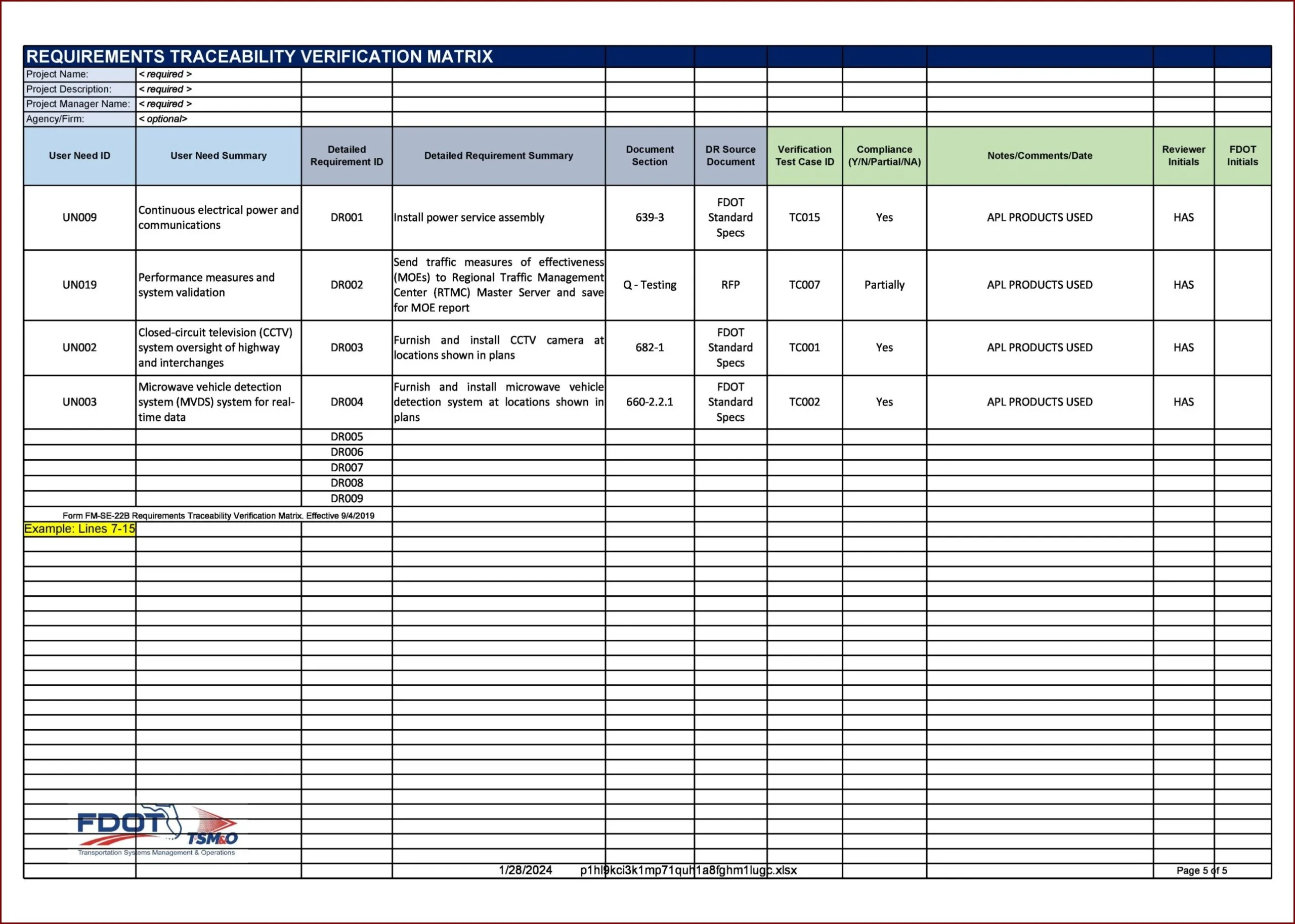
In conclusion, the Requirement Traceability Matrix is a vital tool in software development that helps project teams to manage requirements, ensure alignment, and deliver successful projects. By understanding what an RTM is, why it is important, what to include, how to create one, and some tips for maximizing its effectiveness, project teams can harness the power of RTM to drive project success.
Requirement Traceability Matrix Template – Excel

- Free Printable Attendance Sheet Template - October 5, 2026
- Asset Purchase Agreement Template (Word) - October 5, 2026
- Free Annual Budget Template (Excel) - October 5, 2026
