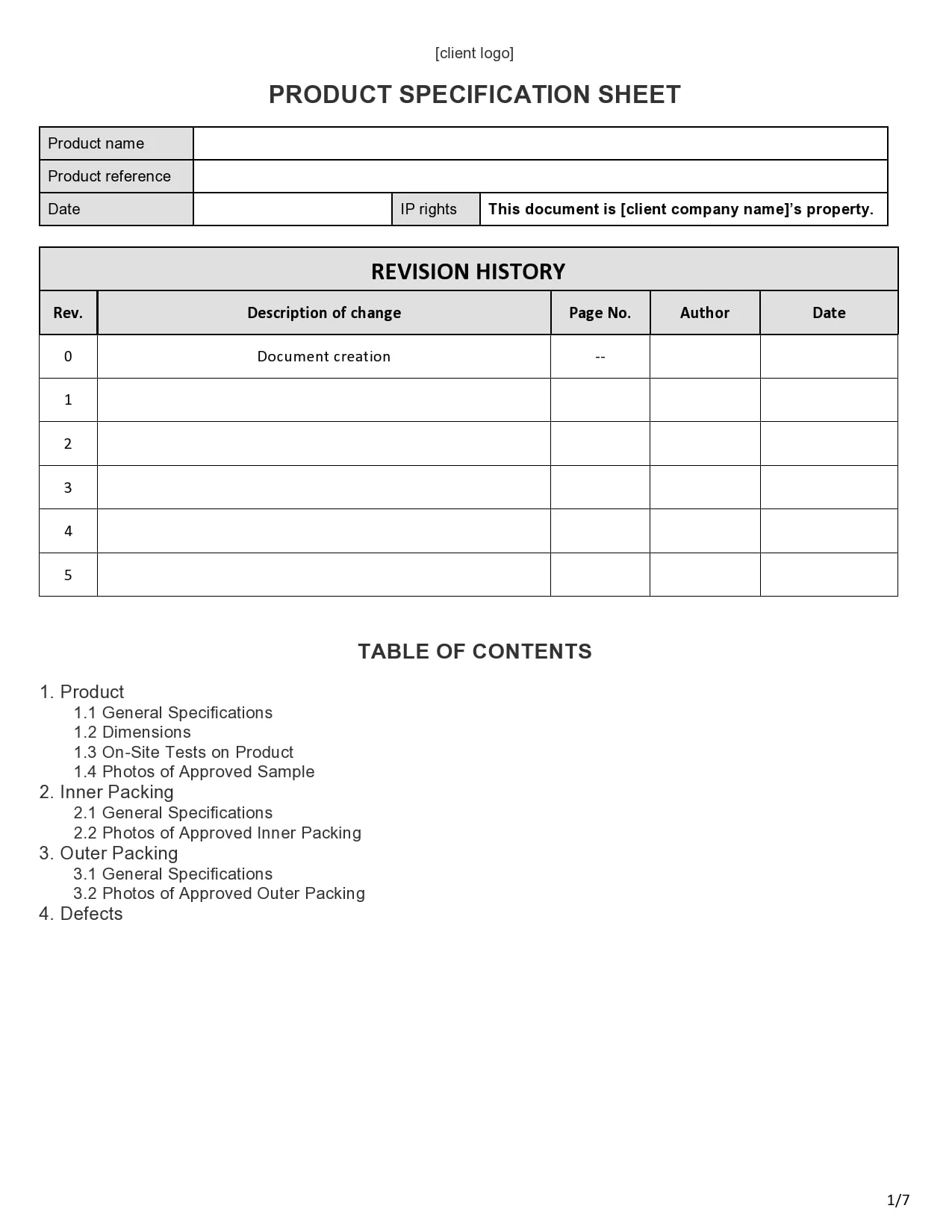
When it comes to developing a new product, one of the most critical steps is creating a product requirements document. This document serves as a roadmap for the entire product development process, outlining the key features, functionalities, and specifications that the product must meet.
In this comprehensive guide, we will delve into the what, why, and how of product requirements documents, as well as provide some valuable tips on creating an effective document.
What is a Product Requirements Document?
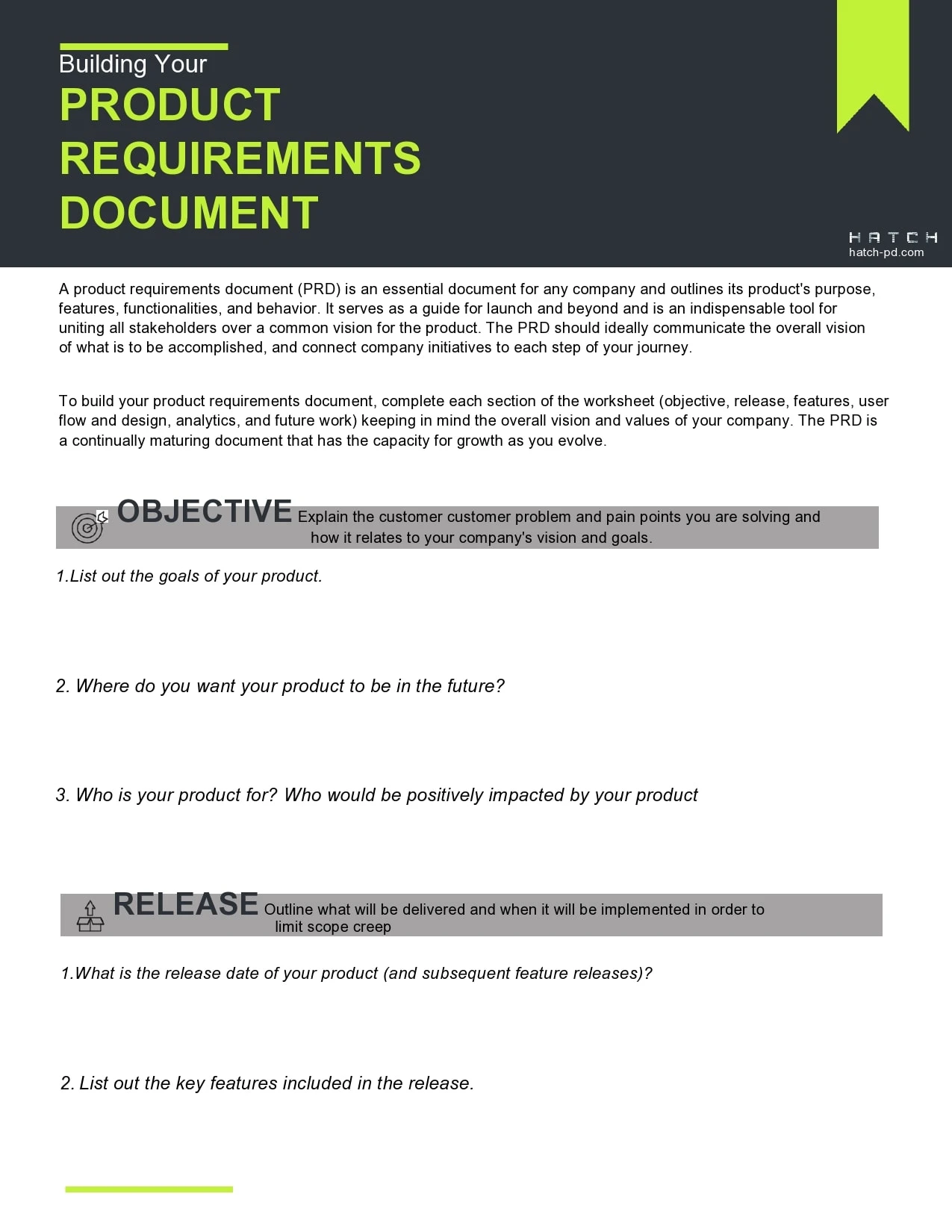
A product requirements document, also known as a PRD, is a document that outlines the specifications, features, and functionalities of a product that is being developed. It serves as a blueprint for the product development team, providing them with a clear understanding of what needs to be built and how it should function.
The PRD is typically created by product managers, in collaboration with stakeholders, and serves as a guiding document throughout the development process.
Why is a Product Requirements Document Important?
A product requirements document is crucial for several reasons. Firstly, it helps ensure that all stakeholders are aligned on the vision and requirements of the product. By clearly outlining the features and functionalities of the product, the PRD helps prevent misunderstandings and miscommunications that can lead to costly delays and rework.
Additionally, the PRD serves as a reference point for the product development team, helping them stay on track and focused on the key objectives of the project.
What to Include in a Product Requirements Document
Creating a comprehensive product requirements document is essential for the success of a product development project. Here are some key elements that should be included in a PRD:
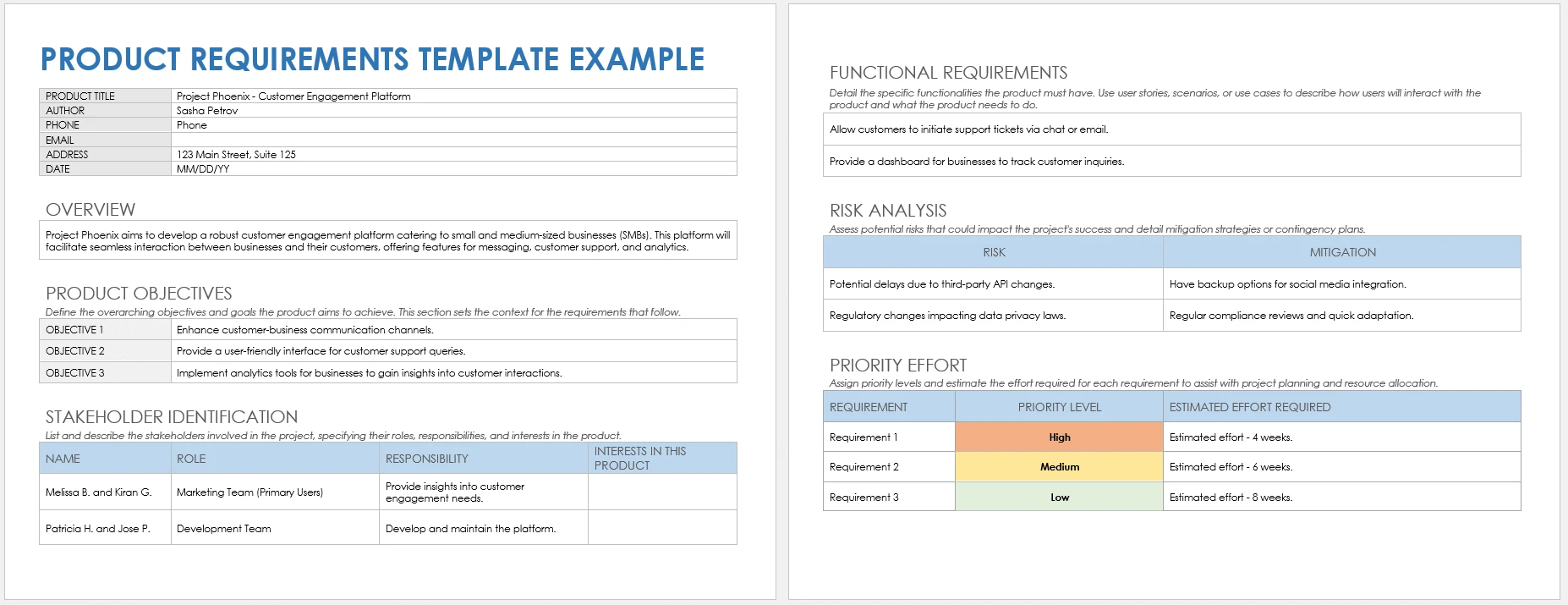
- Product Overview. Provide a high-level overview of the product, including its purpose and target audience.
- Functional Requirements. Outline the key features and functionalities that the product must have.
- Non-Functional Requirements. Include any additional requirements related to performance, security, or scalability.
- Use Cases. Describe the different scenarios in which the product will be used.
- Wireframes or Mockups. Include visual representations of the product to help clarify requirements.
- Acceptance Criteria. Define the criteria that will be used to determine if the product meets the requirements.
- Dependencies. Identify any external dependencies that may impact the development of the product.
How to Create a Product Requirements Document
Creating a product requirements document can be a complex process, but following a structured approach can help ensure that the document is comprehensive and effective. Here are some steps to follow:
- Define the Scope. Clearly define the scope of the project and what the product is intended to achieve.
- Gather Requirements. Work closely with stakeholders to gather requirements and prioritize features.
- Document Requirements. Write down the requirements in a clear and concise manner, using language that is easy to understand.
- Review and Iterate. Review the document with stakeholders and iterate on it based on feedback.
- Finalize and Sign-Off. Once the document is complete, ensure that all stakeholders sign off on it to indicate their agreement.
Tips for Creating an Effective Product Requirements Document
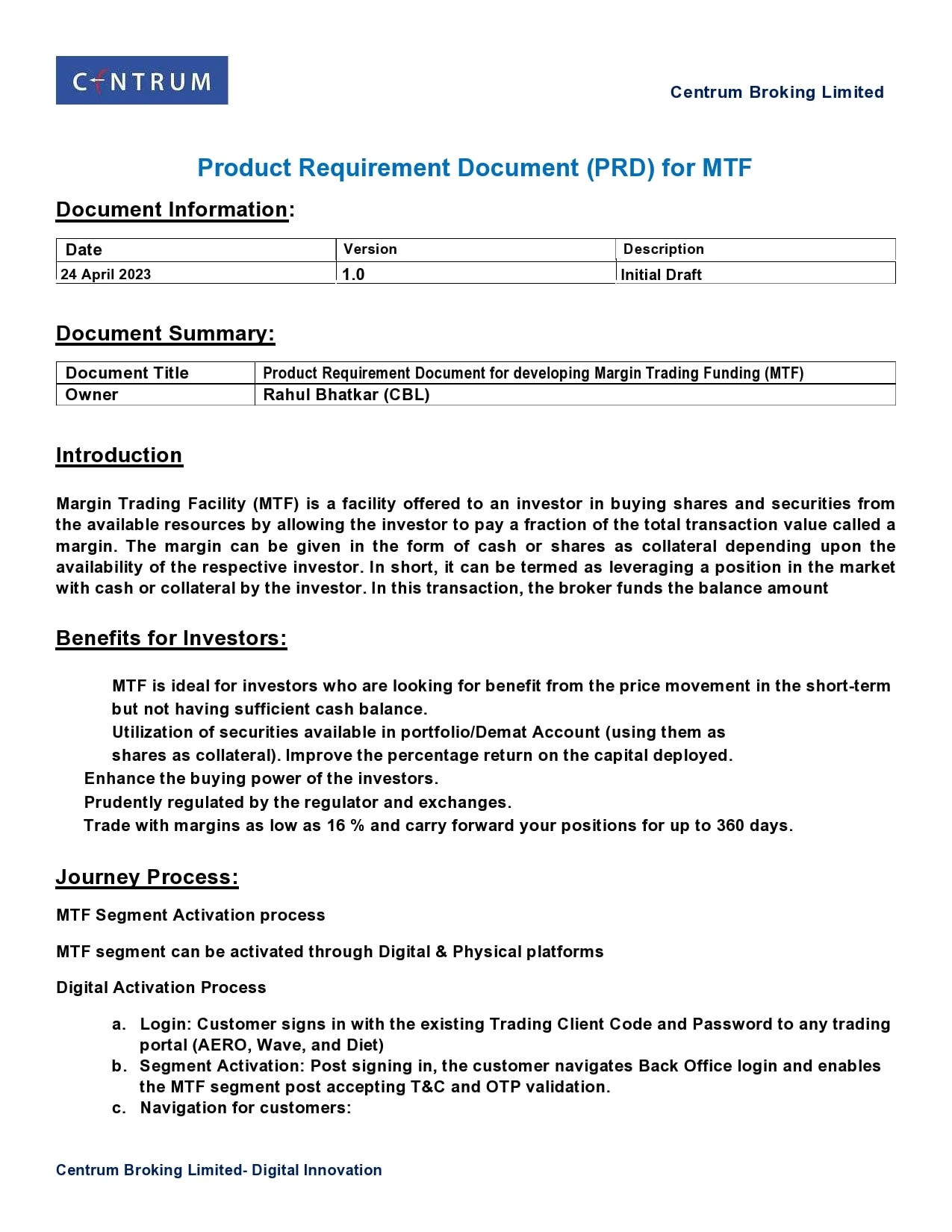
Creating a product requirements document that is both comprehensive and effective can be challenging. Here are some tips to help you create a PRD that meets the needs of your project:
- Involve Stakeholders Early. Engage with stakeholders early in the process to ensure their input is captured.
- Be Specific and Detailed. Provide clear and detailed requirements to avoid misunderstandings.
- Use Visual Aids. Incorporate wireframes or mockups to help clarify requirements.
- Review Regularly. Regularly review and update the PRD to ensure it remains accurate and up-to-date.
- Get Buy-In. Ensure that all stakeholders are aligned and in agreement with the requirements outlined in the document.
- Be Flexible. Be open to iterating on the document based on feedback and changing project requirements.
Product Requirements Document Template – Word

- Free Printable T-Chart Template - September 12, 2026
- Free Printable Wanted Poster Template - September 12, 2026
- Surprise Party Invitation Template - September 12, 2026
