Progress reports are a crucial aspect of any project or task, providing a snapshot of where things stand at a given moment. Whether you’re a student, employee, manager, or freelancer, the ability to effectively communicate progress is essential for success.
In this article, we will delve into the what, why, and how of progress reports, as well as provide valuable tips on how to create an effective report that will impress your audience.
What is a Progress Report?
A progress report is a document that outlines the status of a project or task, detailing what has been accomplished, what still needs to be done, and any challenges or roadblocks encountered along the way. It serves as a tool for tracking progress, communicating updates, and identifying areas for improvement. Progress reports can take various forms, such as written reports, presentations, or online dashboards, depending on the nature of the project and the preferences of the audience.
Why are Progress Reports Important?
Progress reports play a vital role in keeping stakeholders informed and engaged throughout the duration of a project. They help to maintain accountability, promote transparency, and ensure that everyone involved is on the same page. By regularly updating progress reports, you can identify potential issues early on, make necessary adjustments, and ultimately increase the chances of success. Additionally, progress reports provide a valuable opportunity to celebrate achievements, acknowledge hard work, and motivate team members to continue pushing forward.
What to Include in a Progress Report
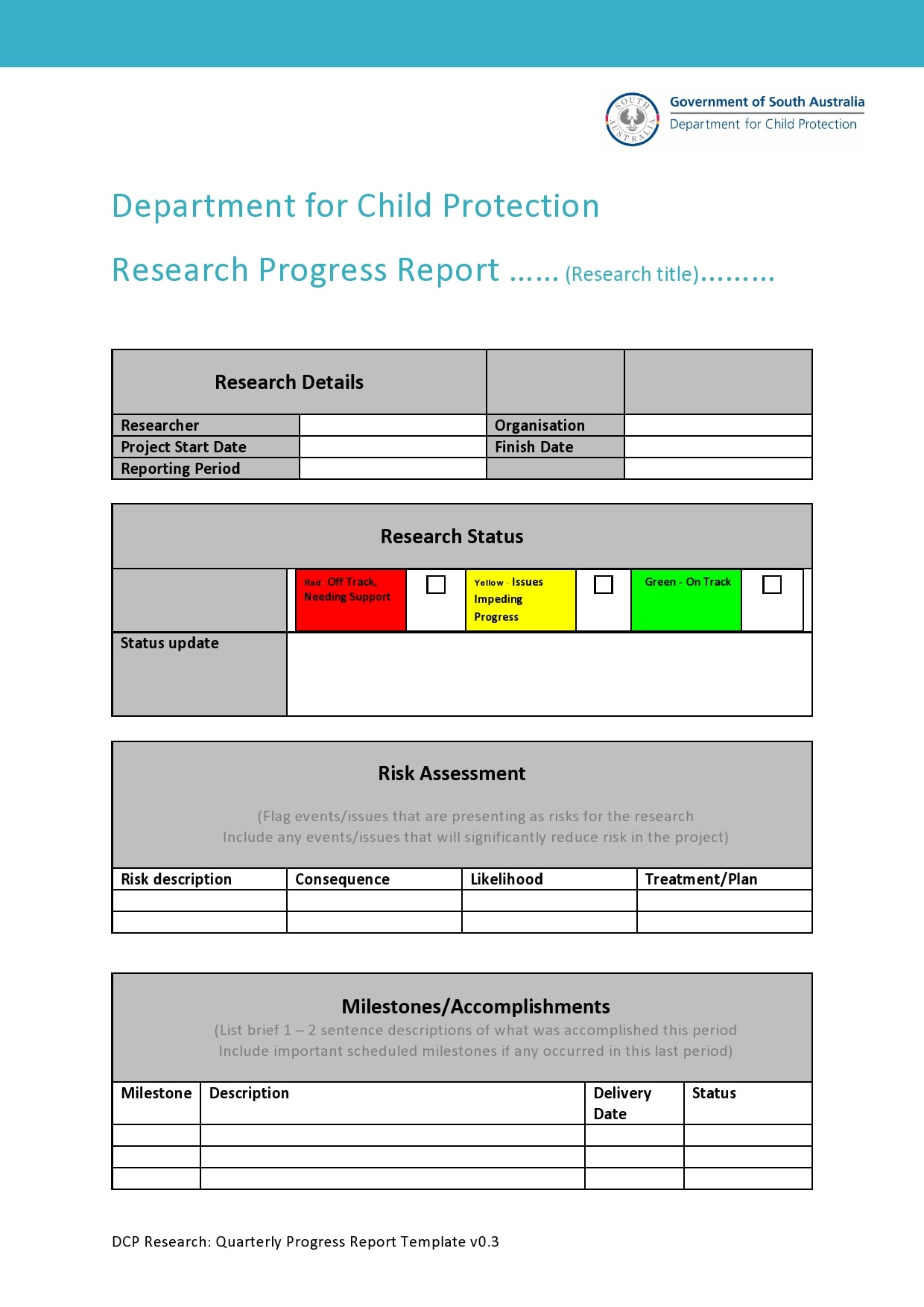
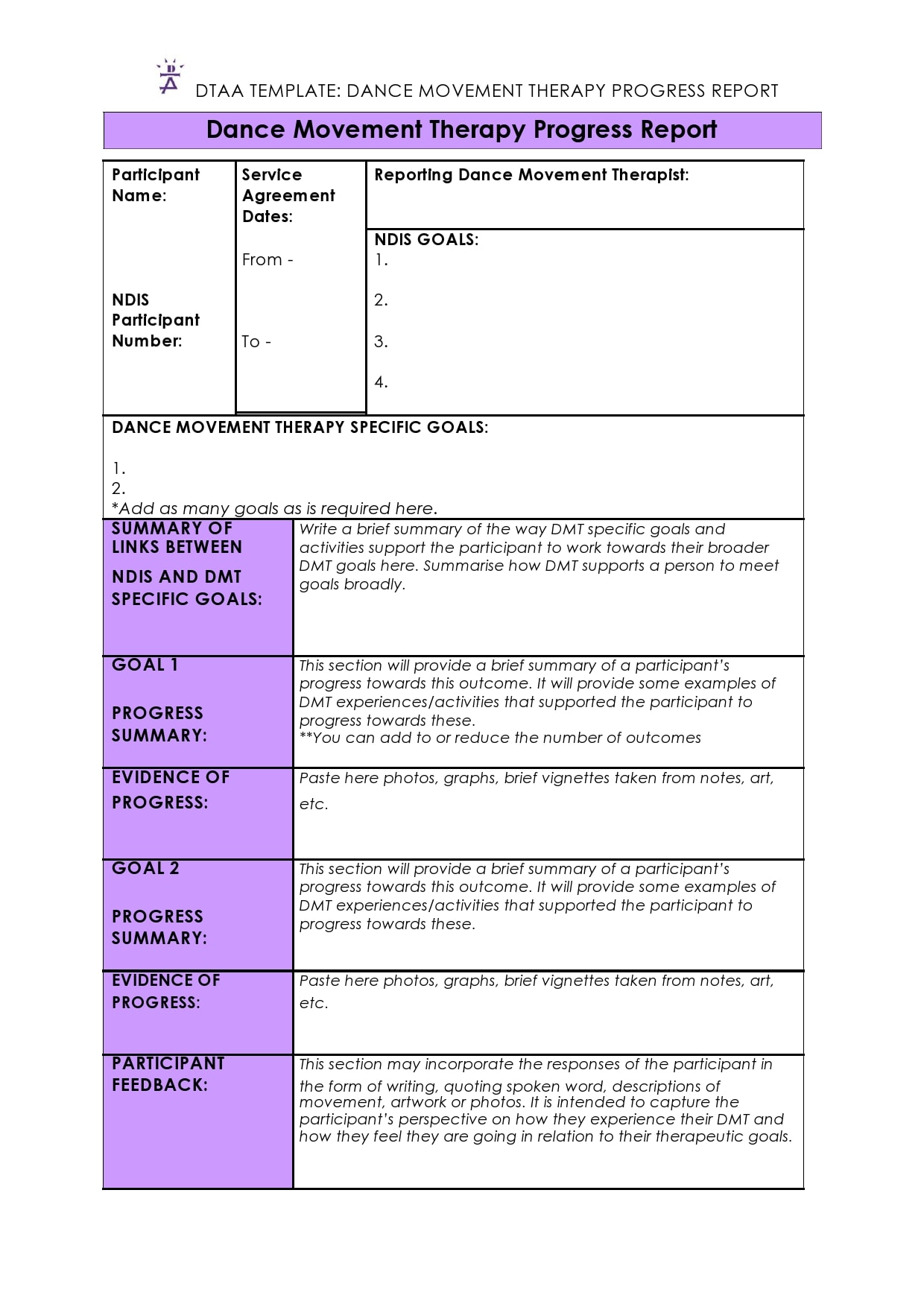
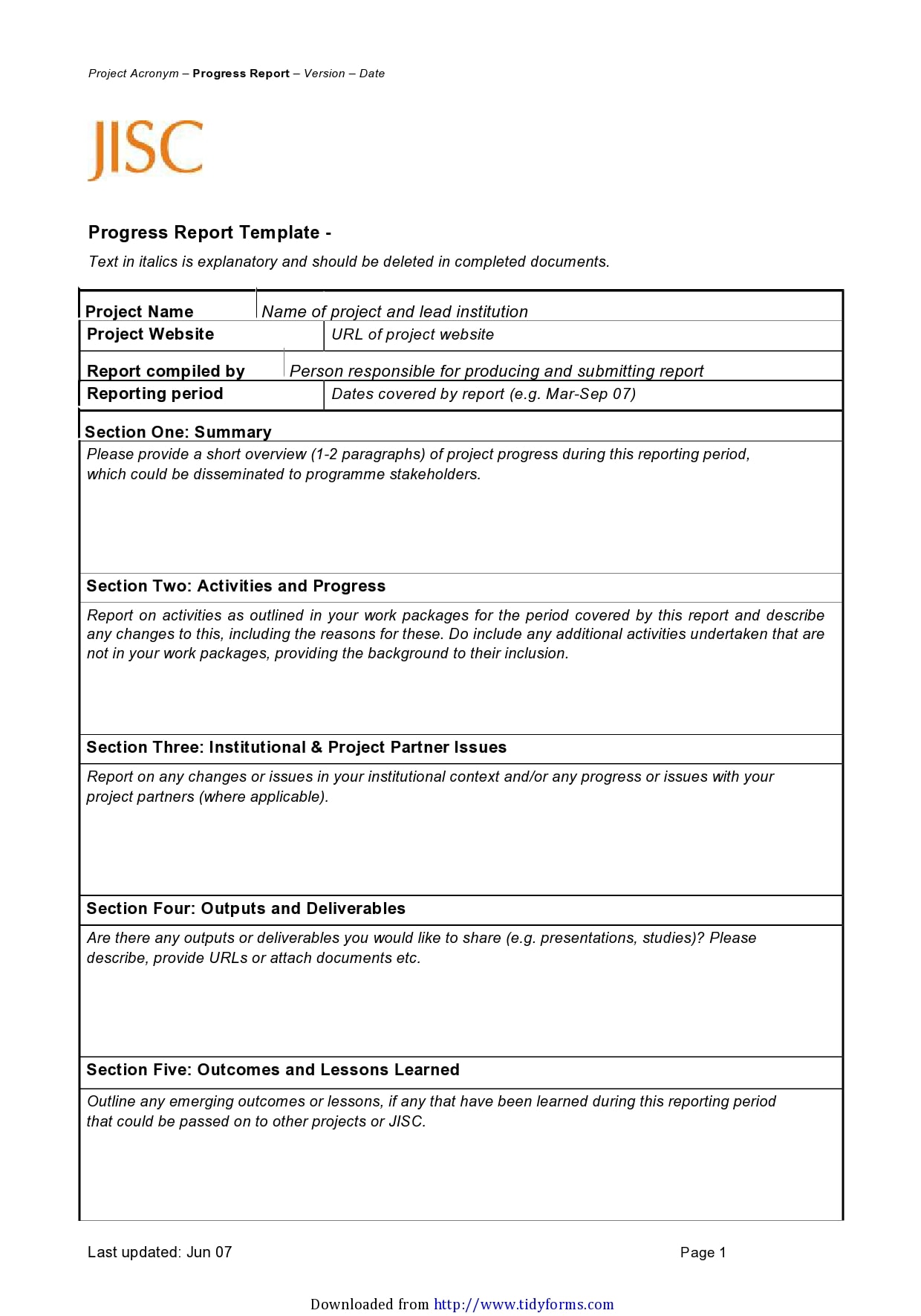
When creating a progress report, it’s essential to include key information that will give your audience a clear understanding of where things stand. Here are some elements to consider including:
- Project Overview: Provide a brief summary of the project, including its goals and objectives.
- Progress Update: Detail what has been accomplished since the last report, including milestones reached and tasks completed.
- Challenges Faced: Identify any obstacles or difficulties that have arisen and how they are being addressed.
- Next Steps: Outline the tasks that still need to be completed and the timeline for completion.
- Metrics and KPIs: Include relevant data points, metrics, or key performance indicators to measure progress.
- Summary and Conclusion: Provide a concise summary of the report and any additional comments or insights.
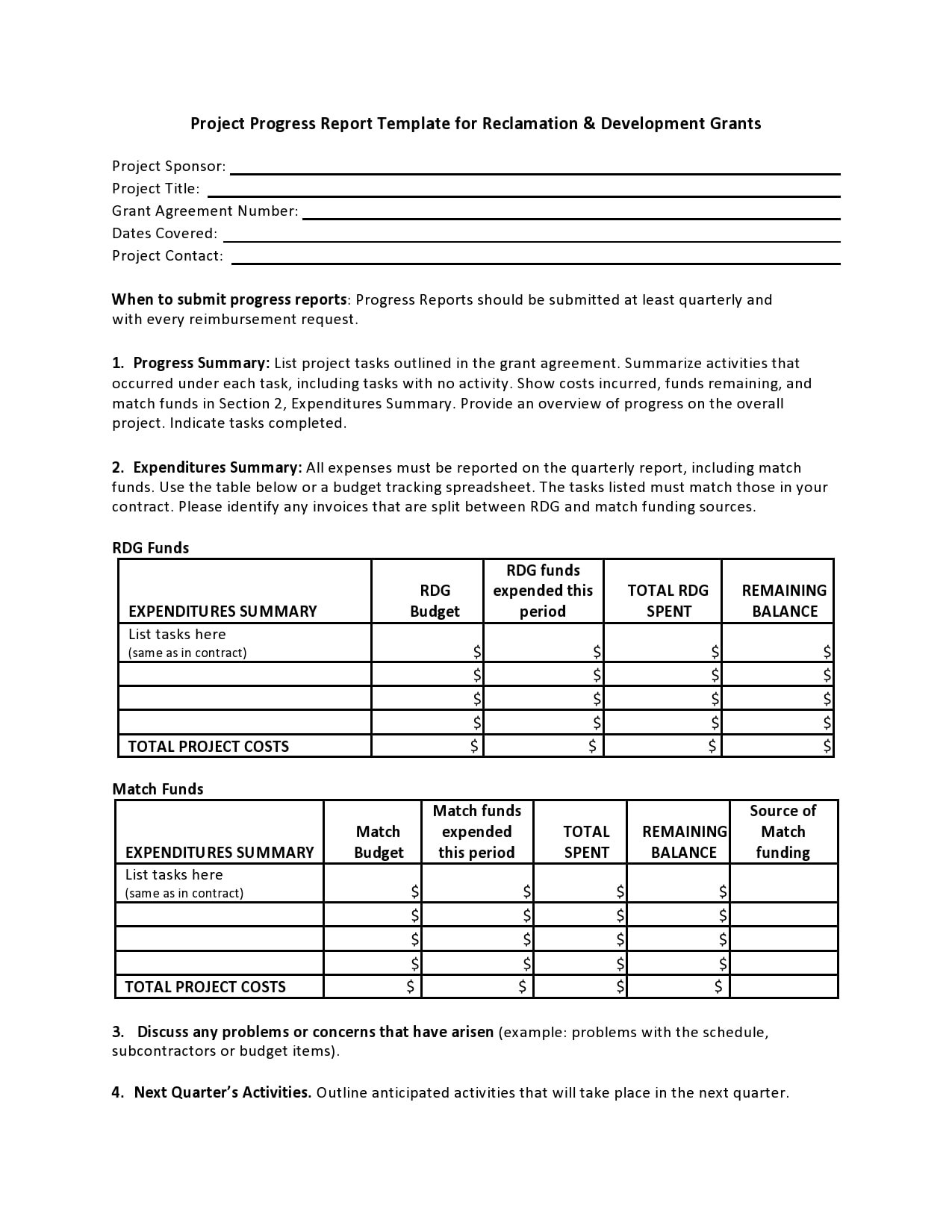
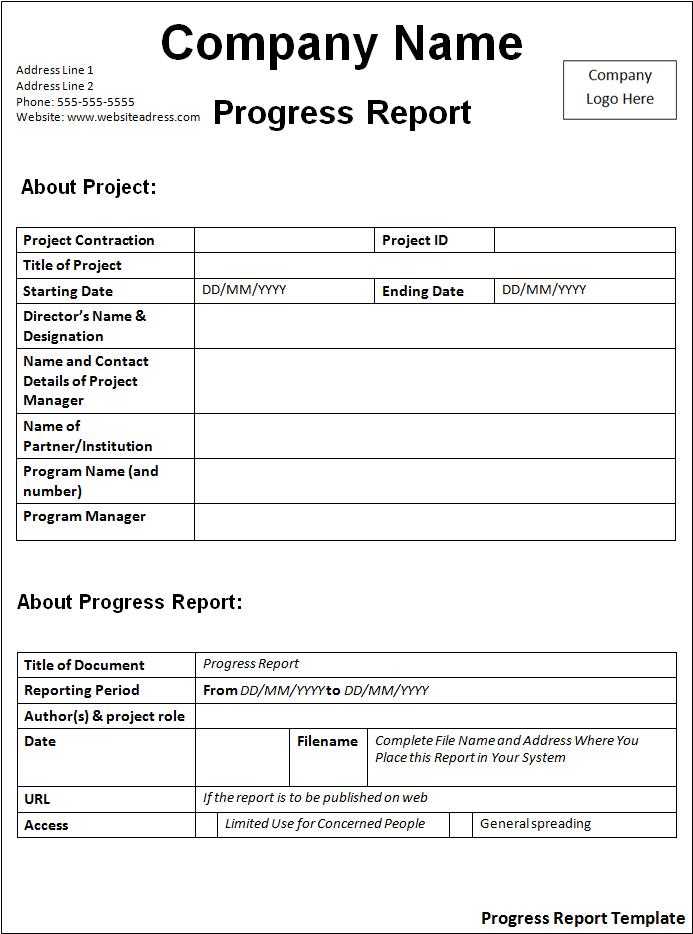
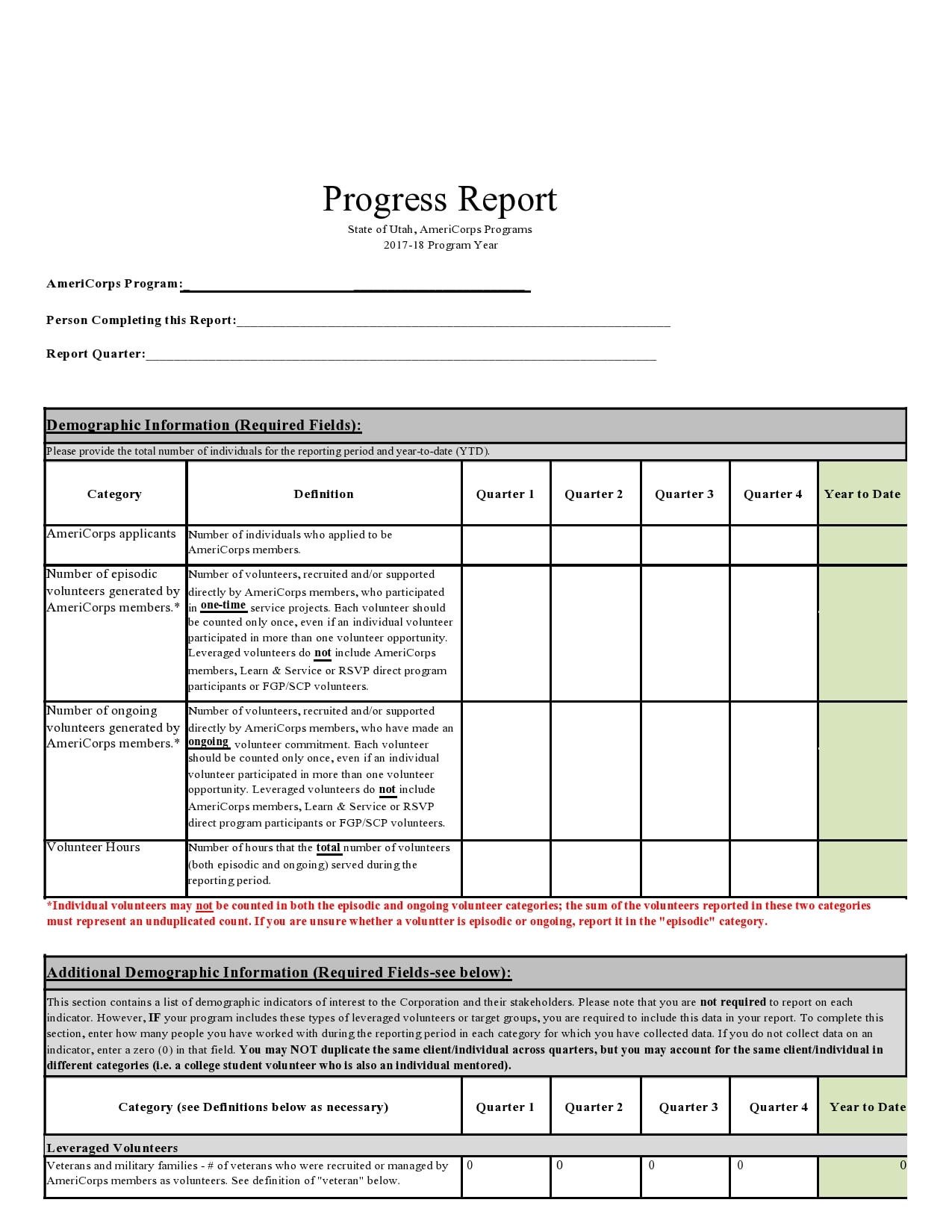
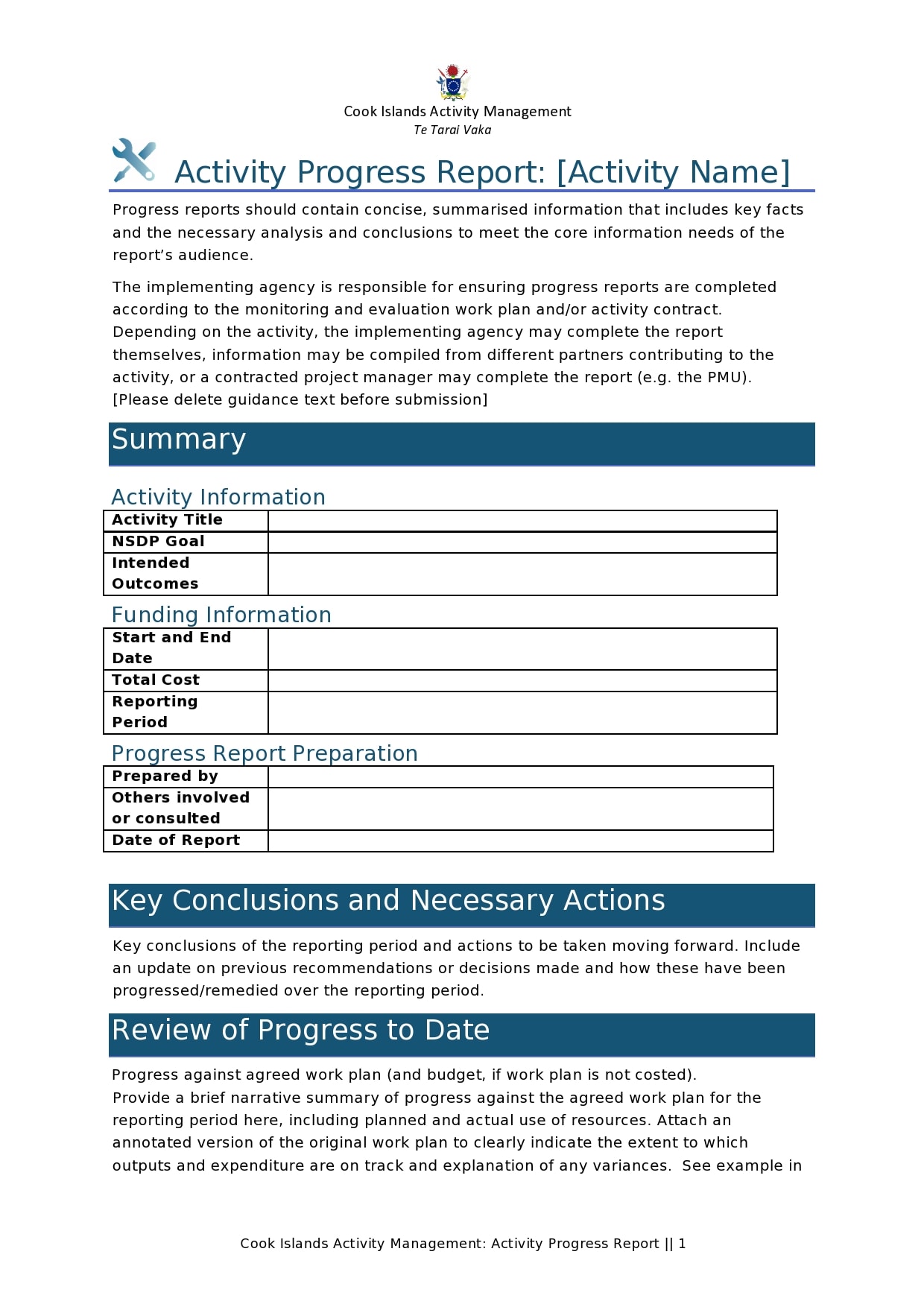
Examples
How to Write a Progress Report
Writing a progress report can seem daunting at first, but with the right approach, it can become a valuable tool for tracking progress and communicating effectively. Here are some tips on how to write a compelling progress report:
- Be Clear and Concise: Use simple language and avoid jargon to ensure that your report is easily understood by all readers.
- Focus on Key Information: Highlight the most important updates and achievements to keep your audience engaged.
- Use Visuals: Incorporate charts, graphs, or visuals to help illustrate progress and make the report more visually appealing.
- Provide Context: Give background information and context to help readers understand the significance of the progress being made.
- Solicit Feedback: Encourage readers to provide feedback or ask questions to foster two-way communication and engagement.
- Stay Organized: Structure your report in a logical sequence, starting with an introduction and ending with a conclusion to guide readers through the content.
Common Mistakes to Avoid in Progress Reports
While progress reports can be an invaluable tool for tracking progress and communicating updates, there are several common mistakes to avoid. Some of these include:
1. Lack of Detail
A progress report should provide enough detail to give readers a comprehensive understanding of the status of the project. Avoid being too vague or general in your updates.
2. Neglecting to Highlight Achievements
Don’t forget to celebrate successes and milestones in your progress report. Acknowledging achievements can help motivate team members and boost morale.
3. Ignoring Feedback
Be open to feedback and suggestions from readers of your progress report. Use this input to improve future reports and enhance communication.
4. Missing Deadlines
Make sure to submit progress reports on time and according to the agreed-upon schedule. Consistency and reliability are key to building trust with your audience.
5. Overloading with Data
While data and metrics are important, be mindful of overwhelming readers with too much information. Focus on the most relevant data points to keep the report concise and engaging.
6. Lack of Actionable Insights
Provide actionable insights and recommendations in your progress report to help guide decision-making and drive progress forward. Avoid simply listing updates without context or analysis.
7. Failure to Follow Up
After submitting a progress report, follow up with stakeholders to address any questions or concerns that may arise. This demonstrates your commitment to transparency and accountability.
Conclusion
Progress reports are a valuable tool for tracking progress, communicating updates, and maintaining accountability throughout the duration of a project. By following the tips outlined in this article and avoiding common mistakes, you can create effective progress reports that will impress your audience and drive success. Remember to be clear, concise, and engaging in your writing to ensure that your progress reports are both informative and impactful.
Progress Report Template – Download

- Printable Weekly Food Chart Template - September 18, 2026
- Free Printable Weekly Cleaning Chart Template - September 18, 2026
- Free Separation Agreement Template (Word) - September 18, 2026
