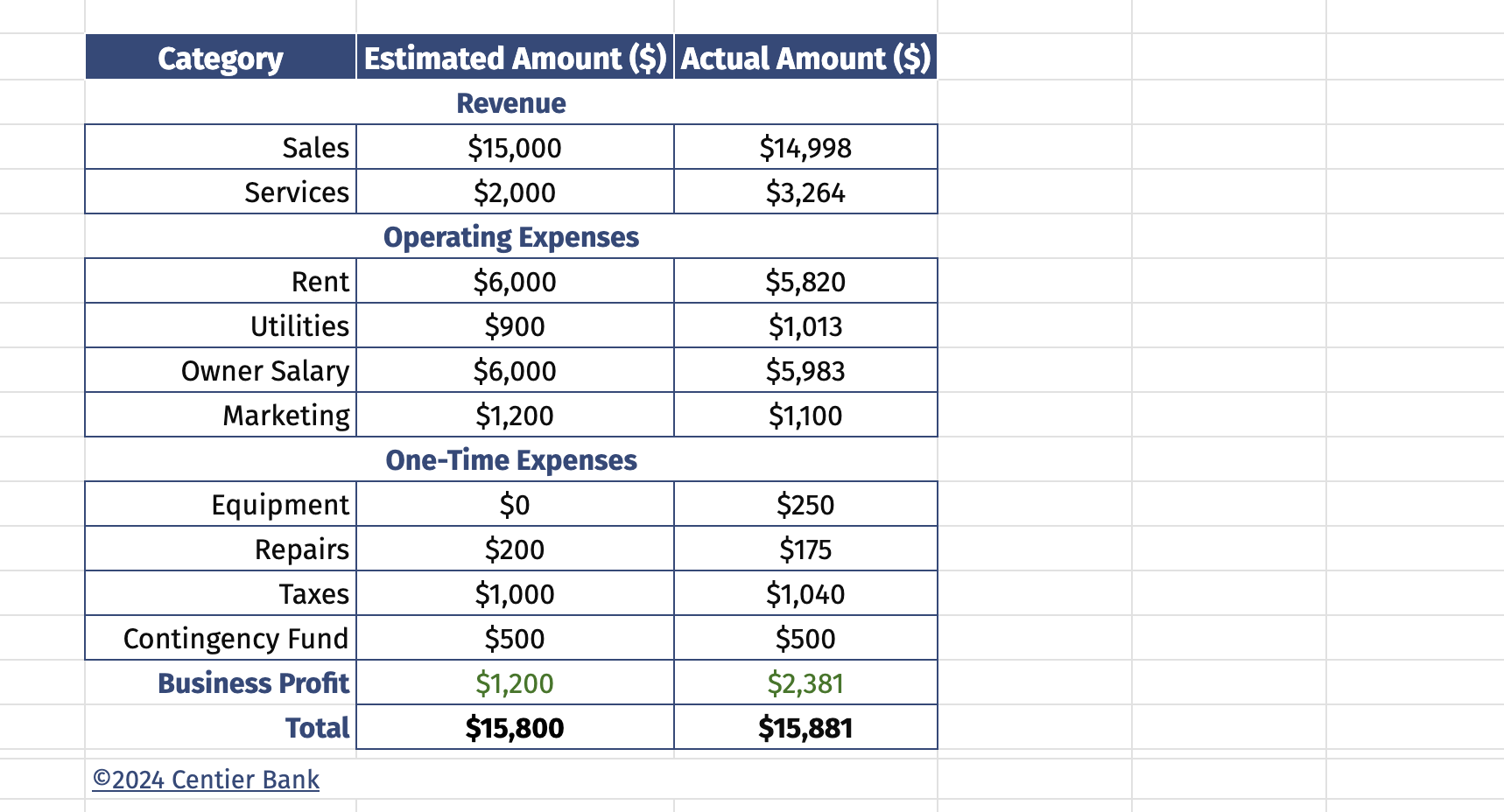
Running a small business can be both exciting and challenging, especially when it comes to managing your budget effectively. Without a clear financial plan in place, it’s easy to overspend or miss out on opportunities for growth. In this guide, we will explore the key elements of creating and maintaining a small business budget, as well as provide valuable tips on how to make the most of your financial resources.
What is a Small Business Budget?
A small business budget is a detailed financial plan that outlines the expected income and expenses of your business over a specific period, typically a month, quarter, or year. It serves as a roadmap for your financial decisions and helps you track your progress towards your business goals. By setting clear budgetary targets, you can better allocate your resources and make informed financial decisions.
Why is a Small Business Budget Important?
Creating and sticking to a small business budget is crucial for several reasons:
- Financial Control. A budget gives you control over your finances and helps you avoid unnecessary expenses.
- Goal Setting. By setting financial goals and tracking your progress, you can stay focused on achieving your business objectives.
- Resource Allocation. A budget helps you allocate your resources effectively, ensuring that you have enough funds for all aspects of your business.
- Risk Management. By forecasting potential financial risks and planning for them in advance, you can mitigate the impact of unforeseen events on your business.
Key Elements of a Small Business Budget
When creating a small business budget, there are several key elements to consider:
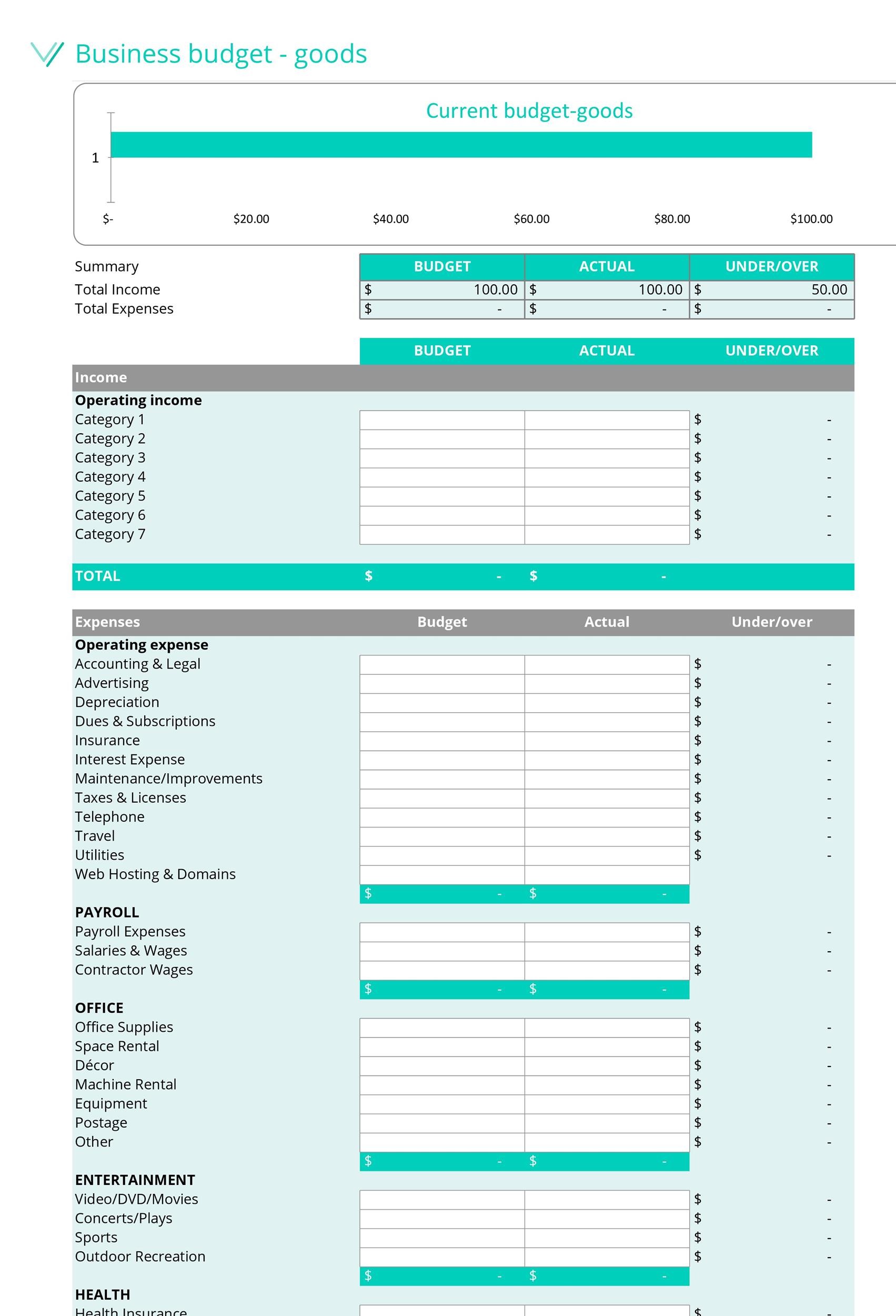
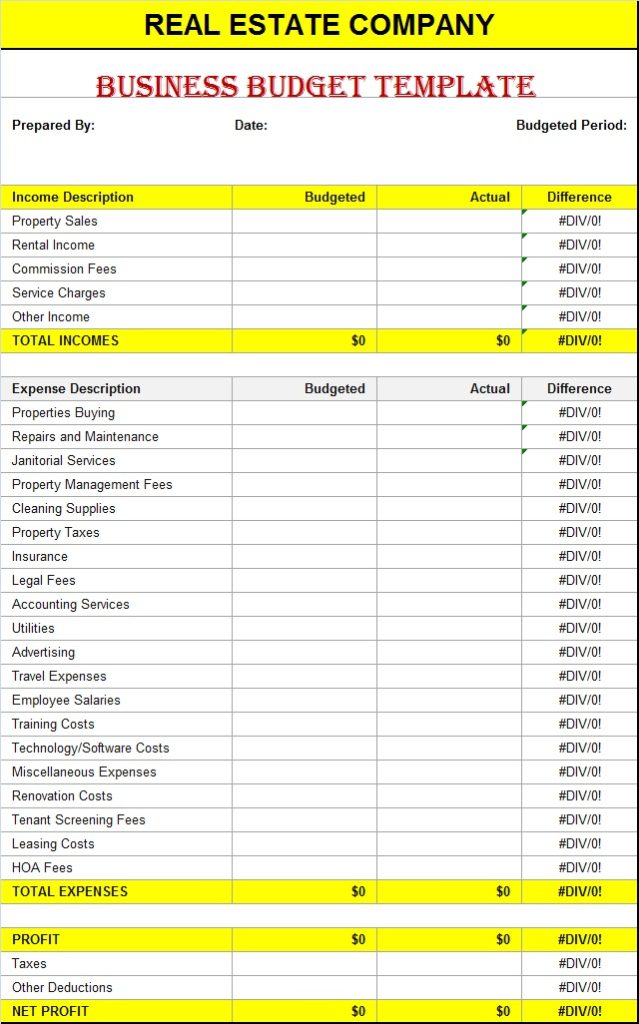
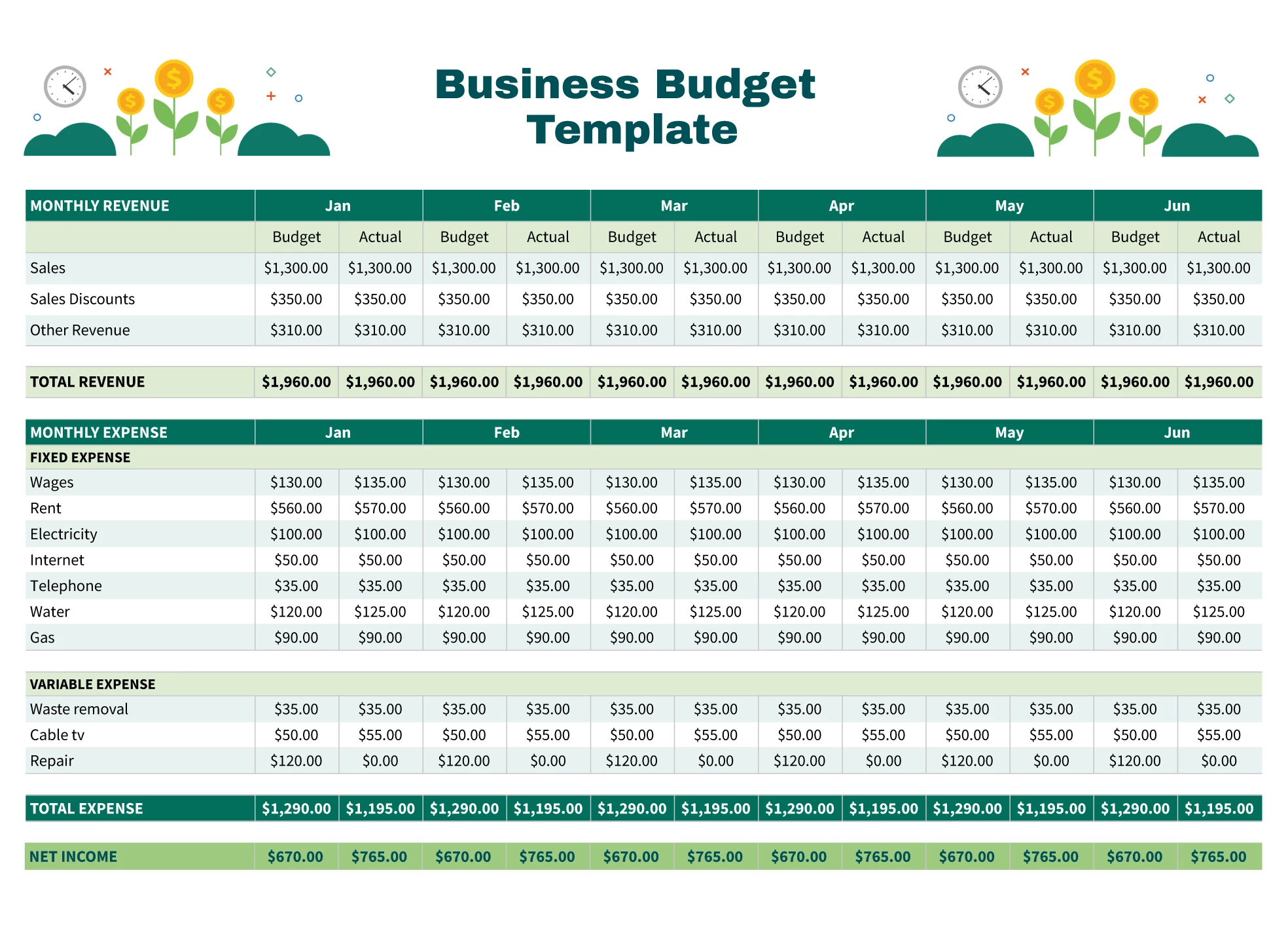
- Revenue Forecast. Estimate your expected income from sales, services, and other sources.
- Expense Projection. Identify and categorize your fixed and variable expenses, such as rent, utilities, salaries, and marketing costs.
- Cash Flow Analysis. Monitor your cash flow to ensure that you have enough liquidity to cover your expenses.
- Profit Margin Calculation. Calculate your profit margin to assess the profitability of your business operations.
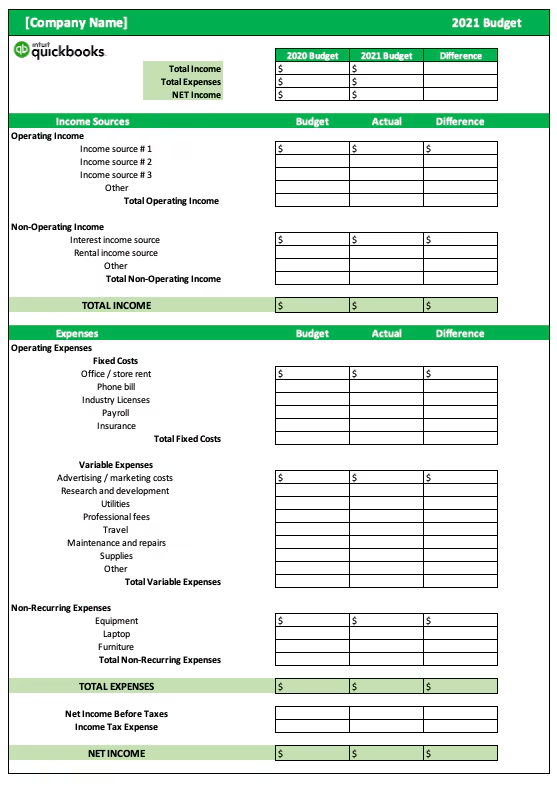
How to Create a Small Business Budget
Follow these steps to create a comprehensive small business budget:
1. Determine Your Financial Goals
Identify your short-term and long-term financial objectives, such as increasing revenue, reducing expenses, or expanding your business.
2. Estimate Your Revenue
Forecast your expected income based on past sales data, market trends, and growth projections.
3. Identify Your Expenses
List all your fixed and variable expenses, including operational costs, overheads, and one-time expenses.
4. Allocate Your Resources
Distribute your budgeted funds to different expense categories based on their priority and importance to your business.
5. Monitor and Adjust
Regularly review your budget, track your actual income and expenses, and make adjustments as needed to stay on track.
Tips for Managing Your Small Business Budget
Here are some practical tips to help you manage your small business budget effectively:
- Track Your Expenses. Keep detailed records of all your business expenses to identify areas where you can cut costs.
- Use Budgeting Software. Consider using budgeting software or apps to streamline the budgeting process and track your financial performance.
- Set Realistic Goals. Be realistic when setting your budget targets to avoid frustration and disappointment.
- Seek Professional Advice. Consult with a financial advisor or accountant to get expert guidance on creating and managing your small business budget.
- Review Regularly. Schedule regular budget reviews to assess your progress, identify any deviations, and make necessary adjustments.
- Plan for Contingencies. Set aside a contingency fund to cover unexpected expenses or emergencies that may arise.
- Stay Disciplined. Stick to your budgeting plan and avoid impulse purchases or overspending to maintain financial discipline.
- Celebrate Milestones. Acknowledge and celebrate your financial achievements and milestones to stay motivated and focused on your goals.
In Conclusion
Mastering the art of small business budgeting is essential for the success and sustainability of your business. By creating a clear budget, setting realistic goals, and following best practices for budget management, you can make informed financial decisions and steer your business towards growth and profitability. Remember, a well-planned budget is not just a financial tool—it’s a roadmap to achieving your entrepreneurial dreams.
Small Business Budget Template

- Printable Acknowledgement Receipt Template - October 1, 2026
- Free Acknowledgement Letter Template (Word) - October 1, 2026
- Free Printable Accounting Ledger Template - October 1, 2026
