When it comes to managing a project, one of the most crucial elements that can make or break its success is the budget. A project budget is essentially a detailed estimate of all the costs associated with completing a project, from start to finish. It includes everything from labor costs to materials, equipment, overhead expenses, and more. Understanding how to create and manage a project budget is essential for keeping your project on track and ensuring its ultimate success.
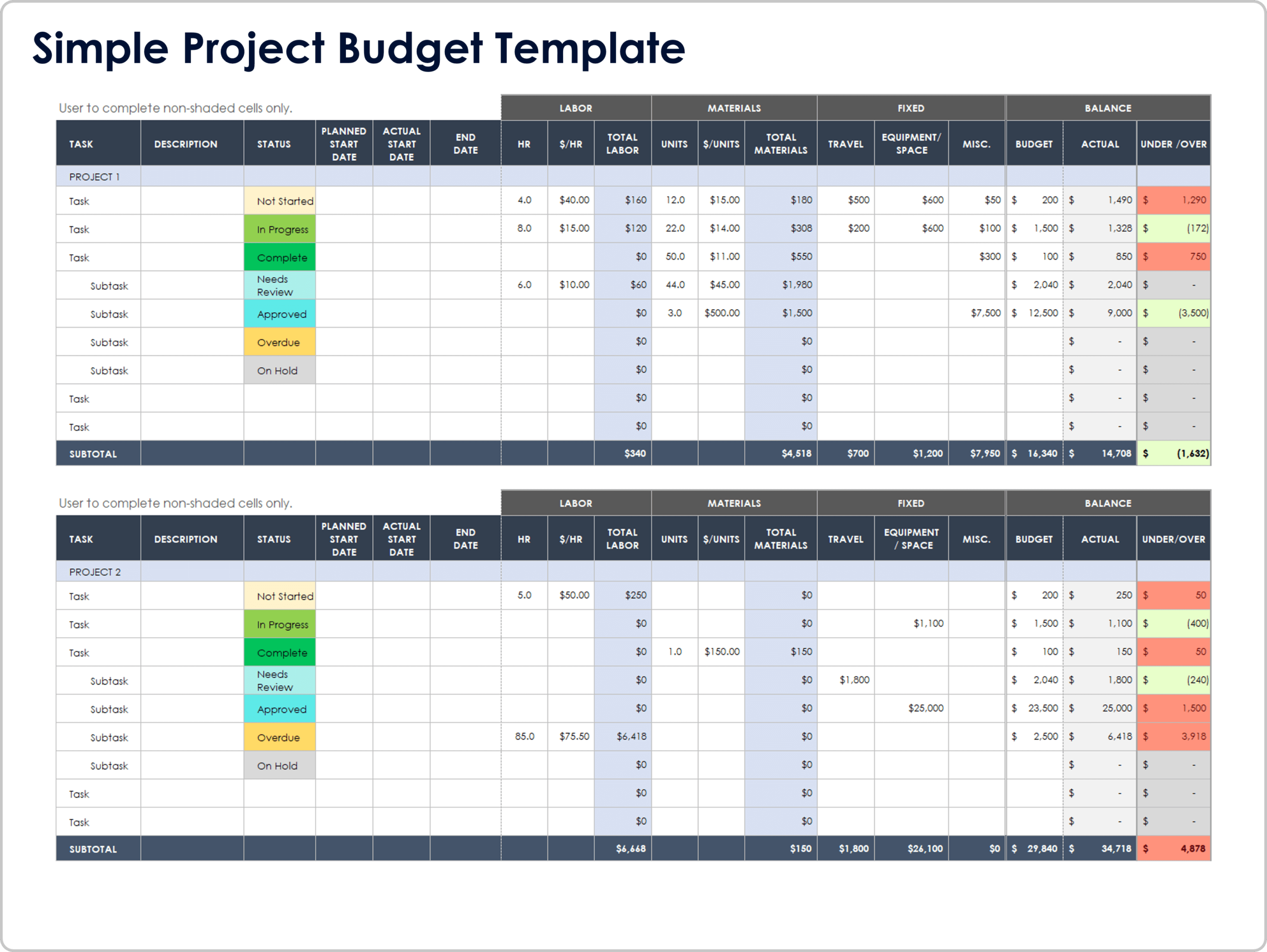
What is a Project Budget?
A project budget is a financial roadmap that outlines all the expenses that will be incurred during the course of a project. It serves as a crucial tool for project managers to estimate the total cost of a project, allocate resources effectively, and track expenses throughout the project lifecycle. A well-defined project budget helps to prevent cost overruns, ensures that funds are used efficiently, and allows for better decision-making when it comes to resource allocation.
Why is a Project Budget Important?
Having a clear and comprehensive project budget is essential for several reasons:
- Resource Allocation: A project budget helps to allocate resources effectively by outlining the costs associated with each aspect of the project.
- Cost Control: By tracking expenses against the budget, project managers can identify potential cost overruns and take corrective actions to keep the project on track.
- Decision Making: A detailed project budget provides valuable insights that can inform decision-making throughout the project lifecycle, helping to prioritize tasks and allocate resources appropriately.
- Stakeholder Communication: A project budget is an important tool for communicating with stakeholders about the financial aspects of the project and ensuring transparency and accountability.
What to Include in a Project Budget
Creating a project budget involves identifying and estimating all the costs associated with the project. Here are some key components that should be included in a project budget:
- Labor Costs: This includes the cost of labor for all team members involved in the project, including salaries, benefits, and any overtime pay.
- Material Costs: This encompasses the cost of any materials or supplies needed for the project, such as raw materials, equipment, or software licenses.
- Overhead Expenses: These are the indirect costs associated with the project, such as utilities, rent, insurance, and administrative expenses.
- Contingency Fund: It’s essential to include a contingency fund in the project budget to account for unexpected expenses or changes in scope.
How to Create a Project Budget
Creating a project budget involves several key steps:
1. Define the Scope of the Project
Clearly define the objectives, deliverables, and timeline of the project to determine the scope of work and the resources required.
2. Estimate Costs
Estimate the costs associated with each aspect of the project, including labor, materials, overhead expenses, and any potential risks.
3. Allocate Resources
Allocate resources based on the estimated costs and prioritize tasks to ensure that the project stays within budget.
4. Monitor Expenses
Track expenses throughout the project lifecycle and compare them against the budget to identify any discrepancies or potential cost overruns.
5. Adjust as Needed
Make adjustments to the project budget as needed to accommodate changes in scope, unexpected expenses, or other factors that may impact the project cost.
6. Communicate with Stakeholders
Regularly communicate with stakeholders about the financial aspects of the project, including updates on budget status, variances, and any necessary adjustments.
7. Review and Analyze
At the end of the project, review the project budget to analyze actual vs. estimated costs, identify areas for improvement, and gather insights for future projects.
Tips for Managing a Project Budget
Here are some tips to help you effectively manage a project budget:
- Plan Ahead: Take the time to create a detailed project budget before starting the project to avoid cost overruns.
- Track Expenses: Monitor expenses regularly and compare them against the budget to identify any potential issues early on.
- Communicate Effectively: Keep stakeholders informed about the budget status and any changes that may impact project costs.
- Stay Flexible: Be prepared to make adjustments to the budget as needed to accommodate unforeseen expenses or changes in scope.
- Learn from Experience: Use insights from previous projects to improve your budgeting process and make more accurate cost estimates in the future.
By following these tips and best practices, you can effectively create and manage a project budget that sets your project up for success. Remember, a well-planned and well-executed project budget is the key to delivering projects on time, within budget, and to the satisfaction of all stakeholders involved.

- Free Printable T-Chart Template - September 12, 2026
- Free Printable Wanted Poster Template - September 12, 2026
- Surprise Party Invitation Template - September 12, 2026
