In any organization, roles and responsibilities play a crucial role in ensuring smooth operations and effective teamwork. Each employee has a specific role to play, and understanding the responsibilities that come with it is essential for the overall success of the team.
In this article, we will discuss what roles and responsibilities entail, why they are important in the workplace, what to include in defining roles, how to effectively assign responsibilities, and some tips for managing roles and responsibilities efficiently.
What are Roles and Responsibilities?
Roles and responsibilities are the functions, tasks, and duties that individuals or teams are expected to perform within an organization. A role is the position someone holds in a company, while responsibilities are the specific tasks or duties associated with that role. Clear roles and responsibilities help employees understand their job expectations, improve communication, and ensure accountability within the organization.
Defining roles and responsibilities is crucial for establishing a clear organizational structure and fostering a productive work environment. When employees know what is expected of them, they are more likely to perform their jobs effectively and contribute to the overall success of the team.
Why are Roles and Responsibilities Important?
Roles and responsibilities are important in the workplace for several reasons:
– Clarity: Clearly defined roles and responsibilities help prevent confusion and overlap in job duties.
– Accountability: Assigning specific responsibilities ensures that employees are accountable for their actions and performance.
– Efficiency: When everyone knows their role, tasks are completed more efficiently, leading to increased productivity.
– Collaboration: Understanding each other’s roles fosters teamwork and collaboration within the organization.
– Growth: Clearly defined roles and responsibilities provide employees with the opportunity to develop new skills and grow within their roles.
What to Include in Defining Roles
When defining roles within an organization, it is important to consider the following aspects:
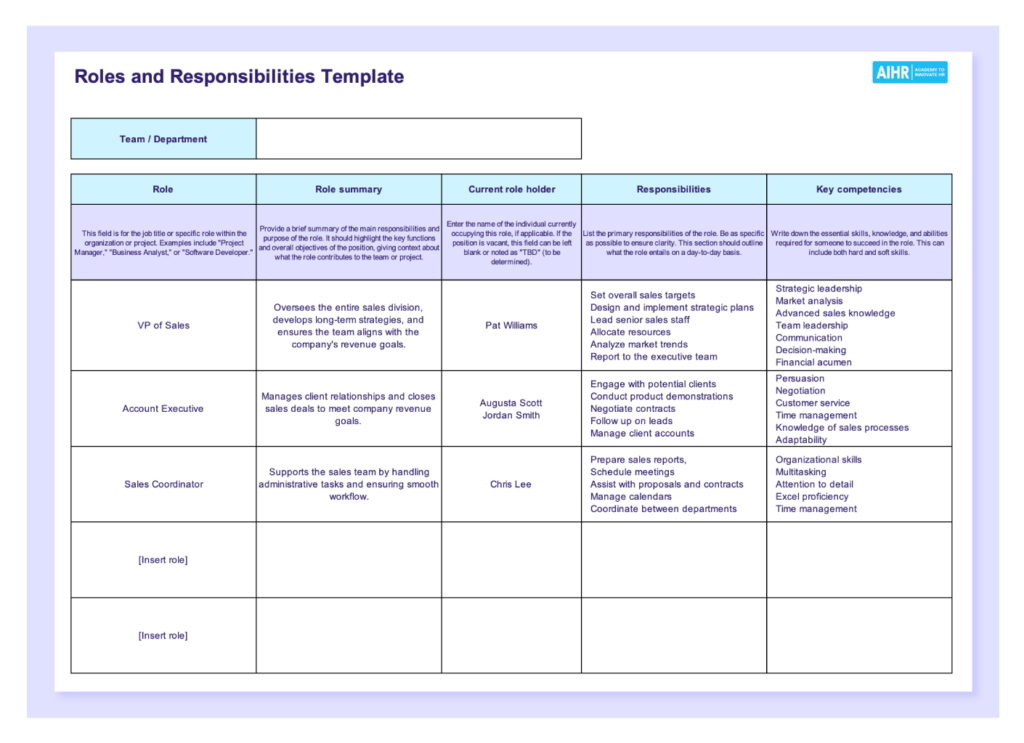
– Job title and description: Clearly outline the title of the position and provide a detailed description of the responsibilities associated with it.
– Reporting structure: Define who the position reports to and who reports to the position.
– Key objectives: Outline the key objectives and goals that the role is expected to achieve.
– Required skills and qualifications: Specify the skills, experience, and qualifications necessary to perform the role effectively.
– Performance expectations: Clearly communicate the performance expectations and standards for the role.
Defining roles and responsibilities should be a collaborative effort between managers and employees to ensure alignment with organizational goals and individual capabilities.
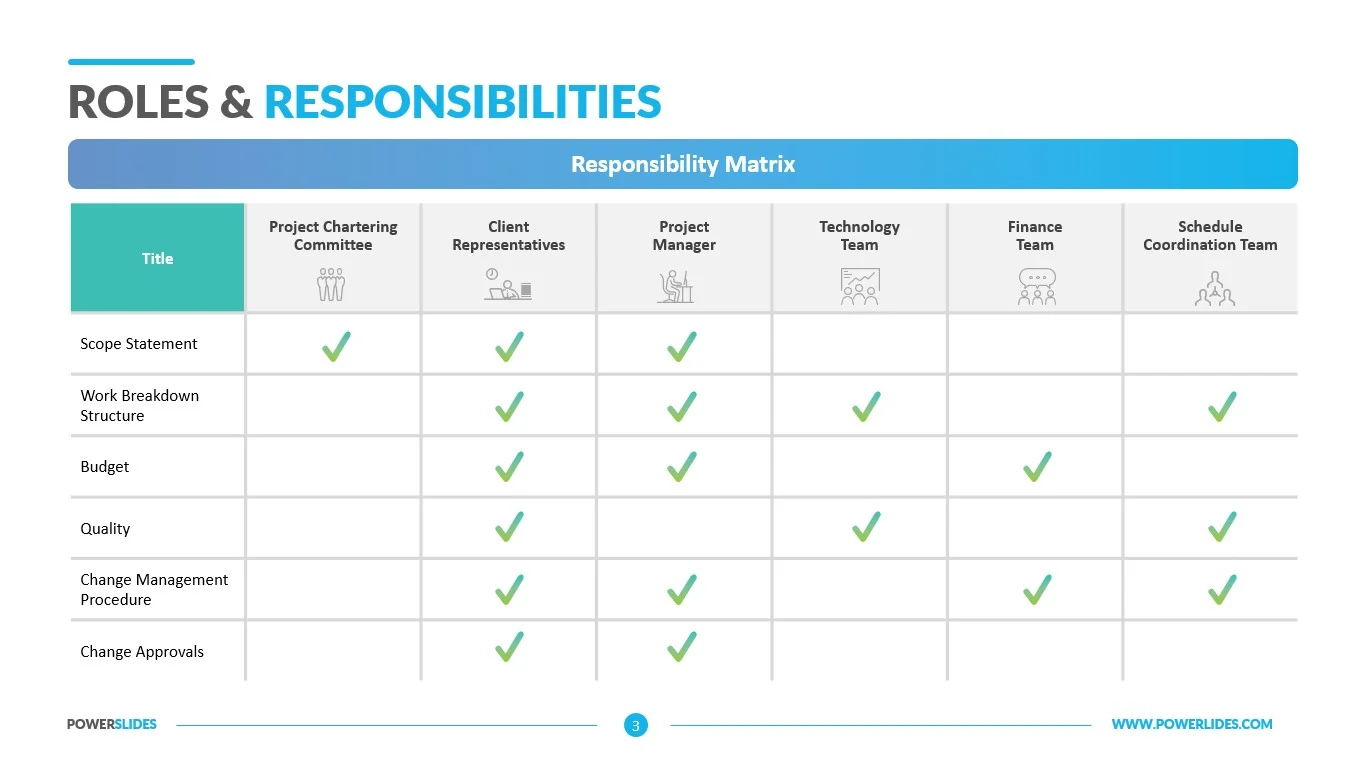
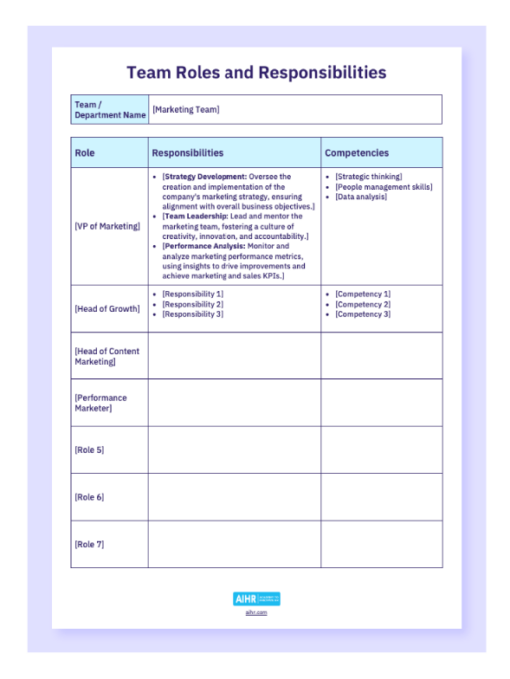
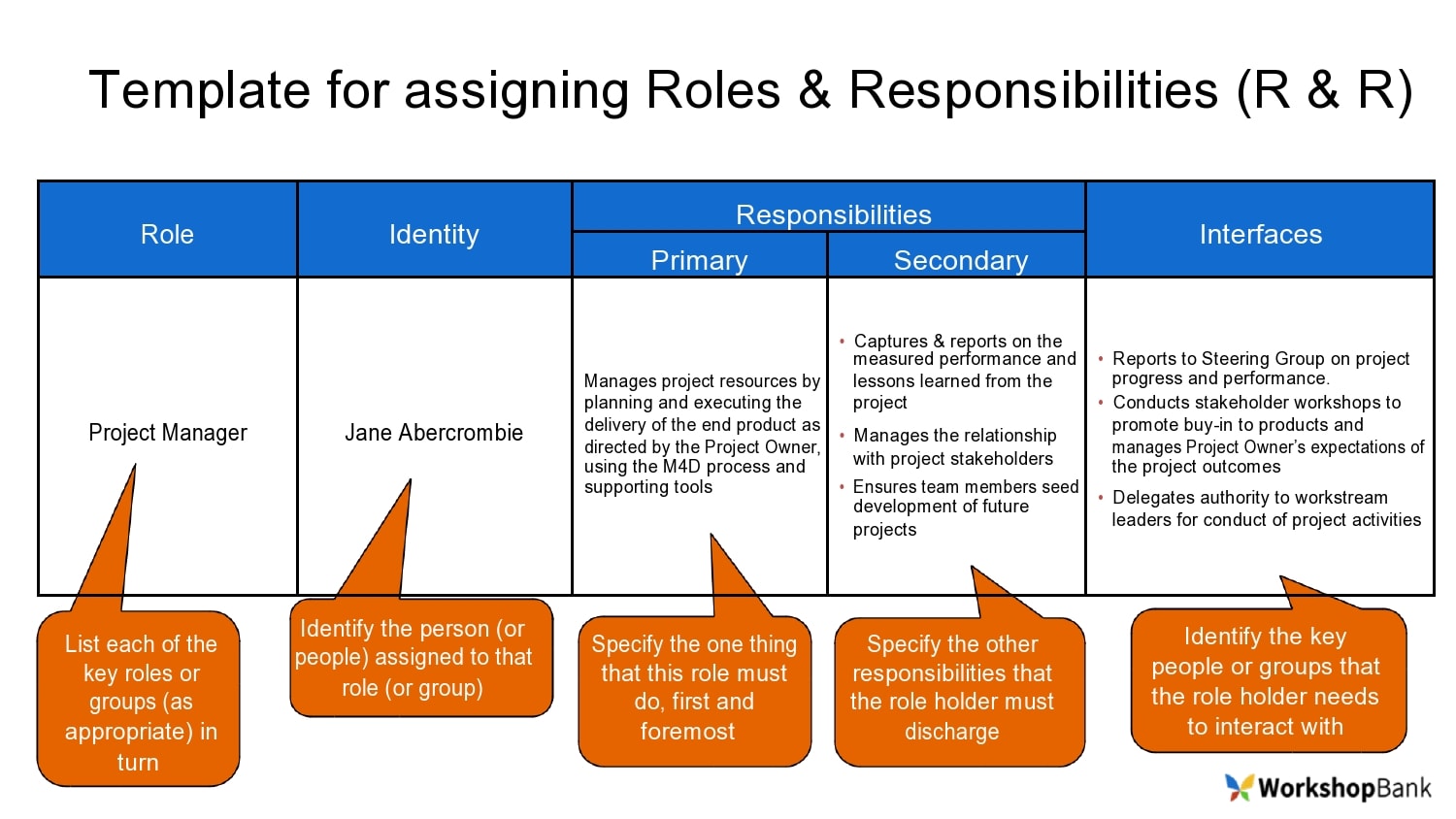
Examples
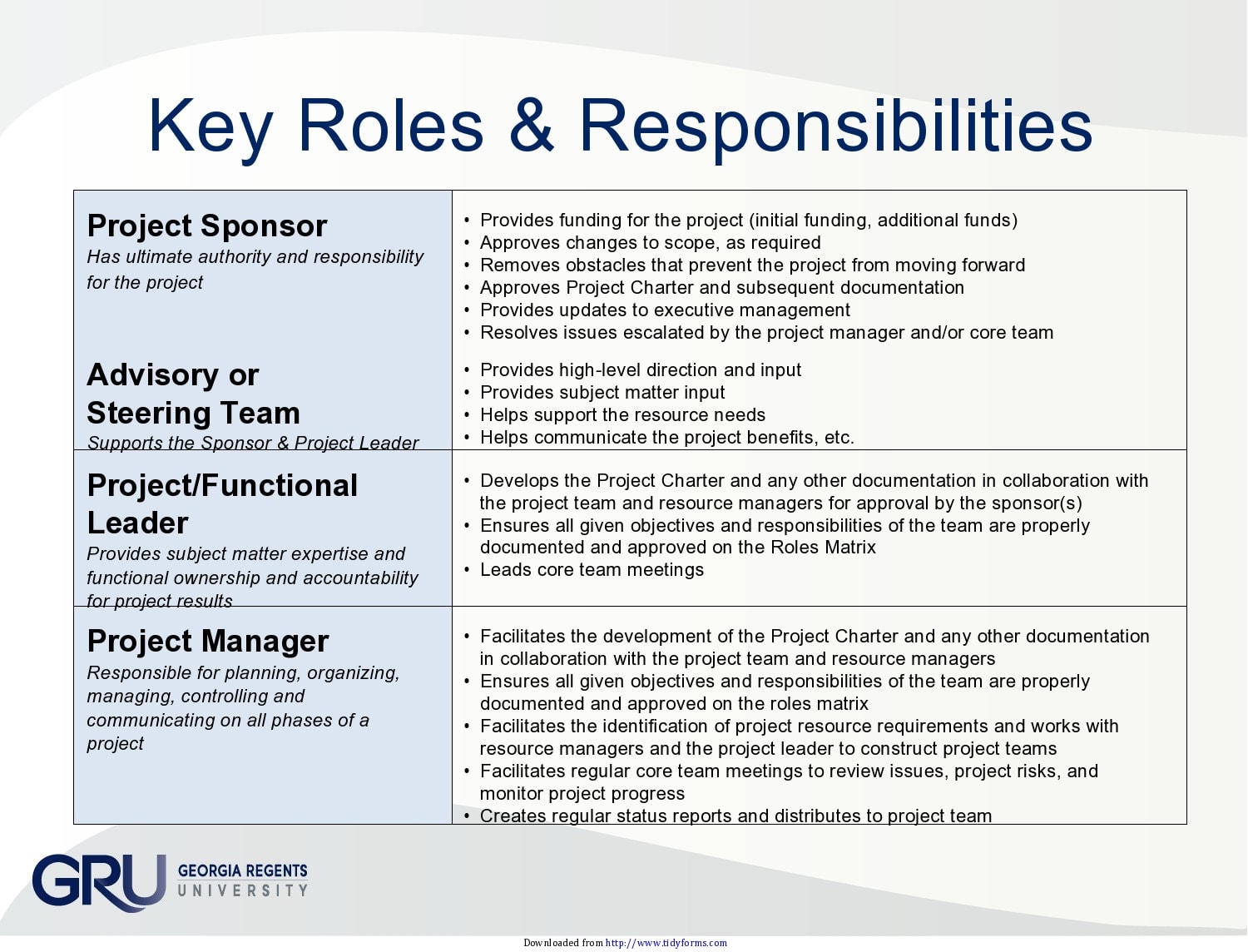
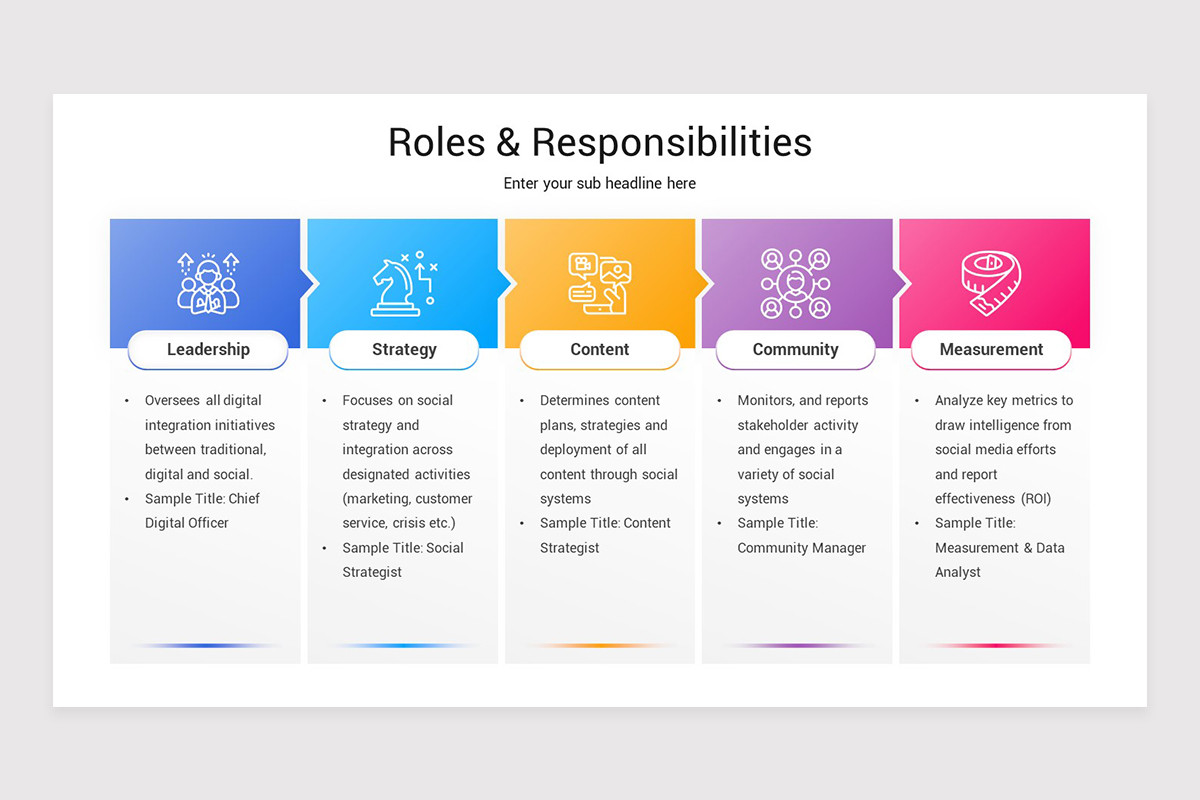
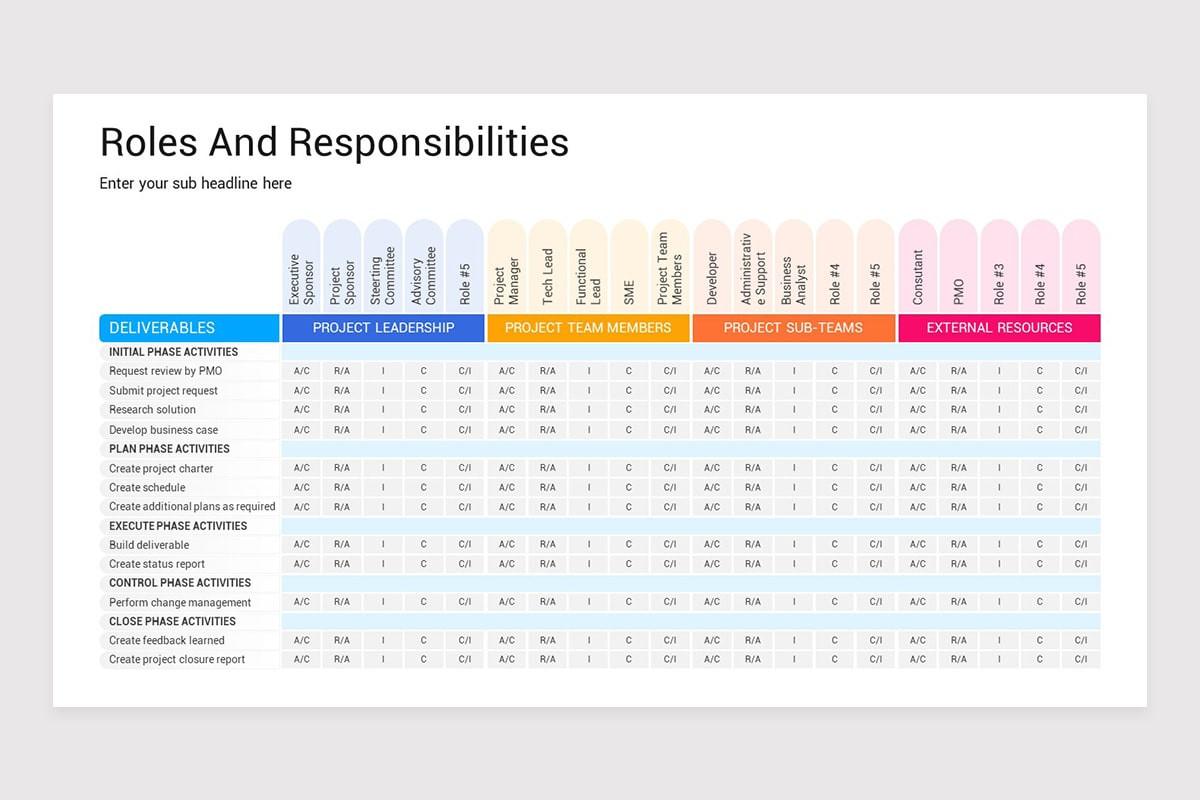
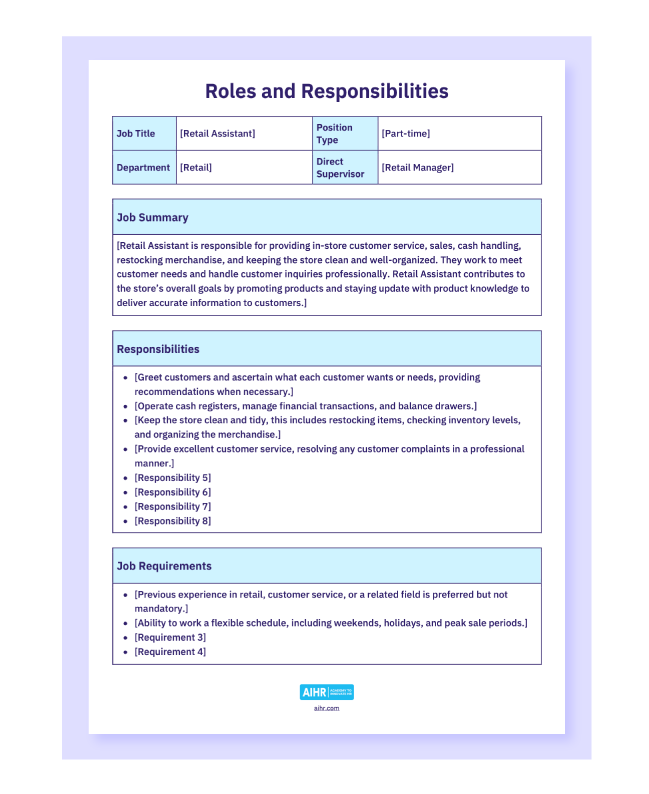
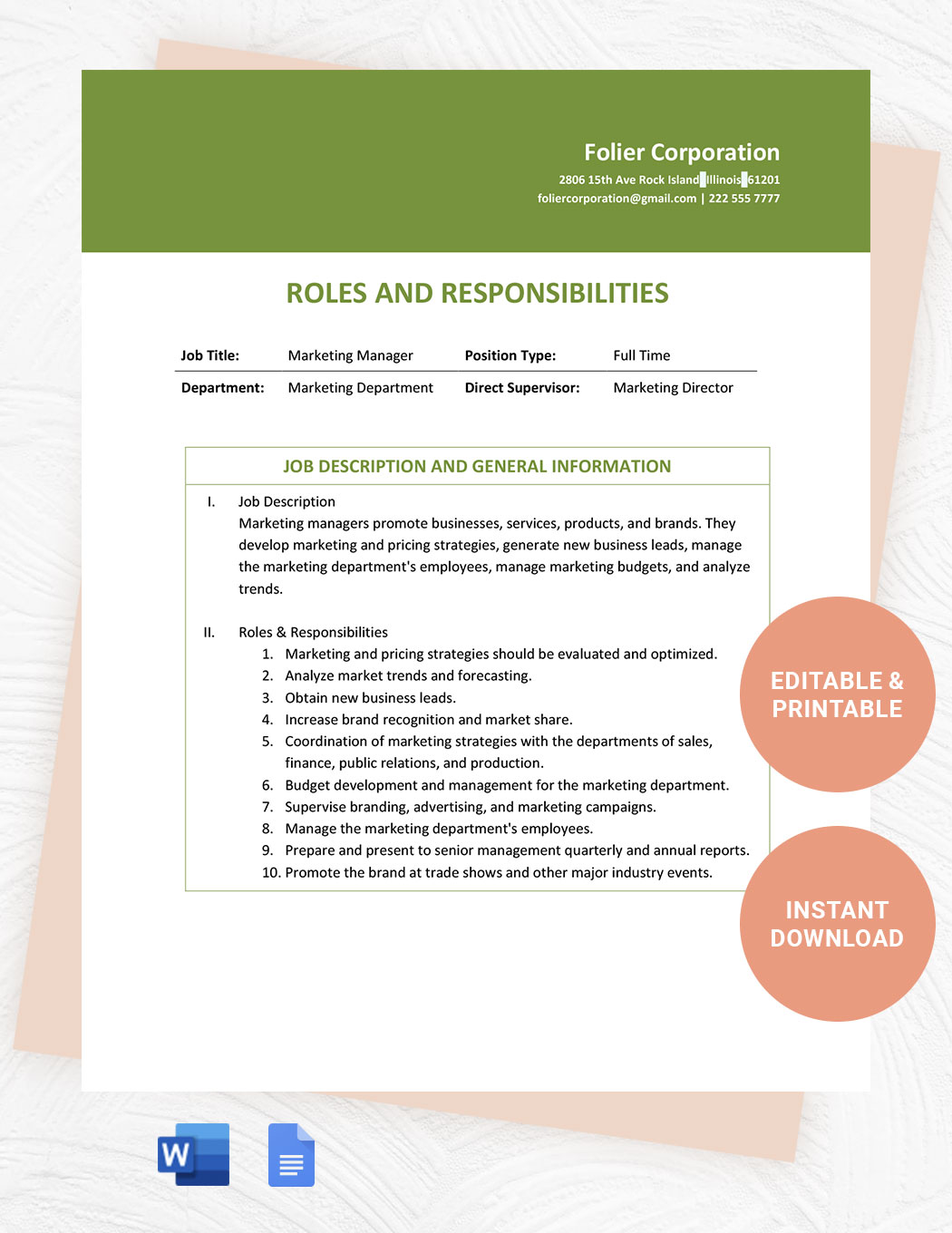
How to Effectively Assign Responsibilities
Assigning responsibilities effectively involves the following steps:
1. Assess individual strengths and skills: Match tasks to employees based on their skills, experience, and strengths.
2. Communicate clearly: Clearly communicate the expectations, deadlines, and desired outcomes of each task or project.
3. Provide support: Offer guidance, resources, and training to help employees successfully fulfill their responsibilities.
4. Monitor progress: Regularly check in with employees to track progress, address any issues, and provide feedback.
5. Recognize achievements: Acknowledge and reward employees for their contributions and achievements.
6. Adjust as needed: Be flexible and willing to adjust responsibilities as needed to accommodate changes in priorities or workload.
By following these steps, managers can effectively assign responsibilities and empower employees to succeed in their roles.
Tips for Managing Roles and Responsibilities Efficiently
To effectively manage roles and responsibilities within an organization, consider the following tips:
– Regularly review and update roles: As the organization evolves, roles may need to be adjusted to reflect changing priorities and responsibilities.
– Encourage collaboration: Foster a culture of teamwork and collaboration to ensure that roles complement each other and contribute to overall success.
– Provide training and development opportunities: Invest in training and development programs to help employees enhance their skills and capabilities.
– Establish clear communication channels: Ensure open lines of communication to facilitate the sharing of information and feedback among team members.
– Empower employees: Trust employees to fulfill their responsibilities and provide them with the autonomy and support they need to succeed.
– Celebrate achievements: Recognize and celebrate the accomplishments of individuals and teams to boost morale and motivation.
By implementing these tips, organizations can effectively manage roles and responsibilities, promote a positive work environment, and drive success.
In conclusion, roles and responsibilities are essential components of any organization’s structure and are key to fostering a productive and efficient work environment. By defining roles, assigning responsibilities effectively, and managing them efficiently, organizations can enhance teamwork, accountability, and overall performance. Clear communication, collaboration, and support are crucial for ensuring that employees understand their roles and contribute to the success of the team.
Roles and Responsibilities Template – Download

- Cash Flow Statement Template - October 15, 2026
- Cash Flow Forecast Template - October 15, 2026
- Free Printable Caregiver Schedule Template - October 15, 2026
