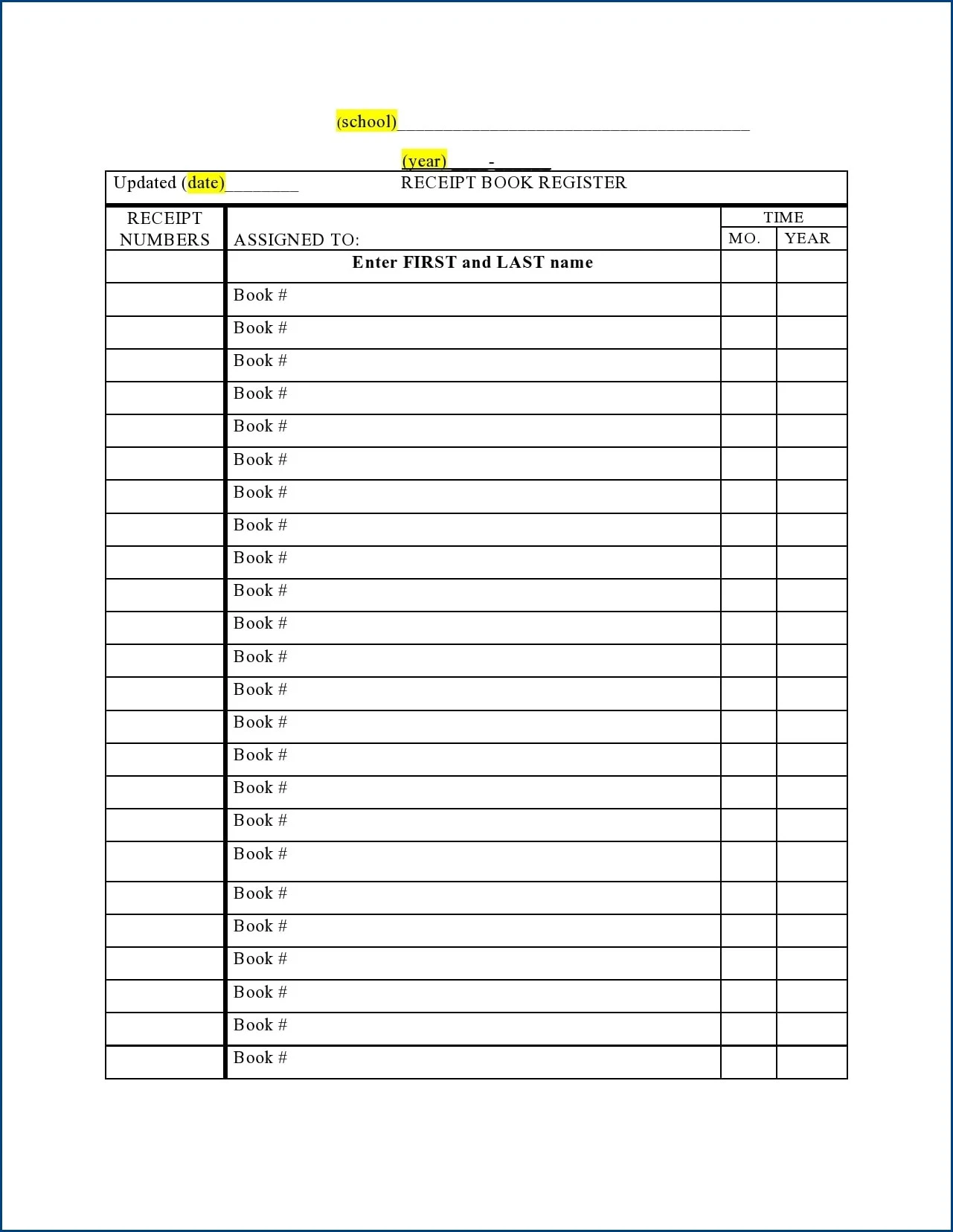
Receipt books play a crucial role in recording and tracking payment transactions for both businesses and customers. They serve as a vital tool for financial management, accurate record-keeping, and proof of purchase. By providing written confirmation of payment, receipt books help businesses maintain organized records for accounting, tax purposes, and potential disputes.
What is a Receipt Book?
A receipt book is a document used to record cash transactions between a seller and a buyer. It includes details such as the amount paid, the date of the transaction, the items or services purchased, and any additional notes. Receipt books are typically carbon copies, allowing both the business and the customer to retain a copy for their records.
Why Use a Receipt Book?
There are several reasons why businesses and customers should use receipt books:
- Financial Management: Receipt books help businesses track their income and expenses, enabling them to manage their finances more effectively.
- Record-Keeping: Keeping detailed records of transactions is essential for accurate accounting and tax compliance.
- Proof of Purchase: Receipt books provide customers with proof of their payment, which can be useful for returns or warranty claims.
- Dispute Resolution: In case of any discrepancies or disputes, a receipt book serves as evidence of the transaction.
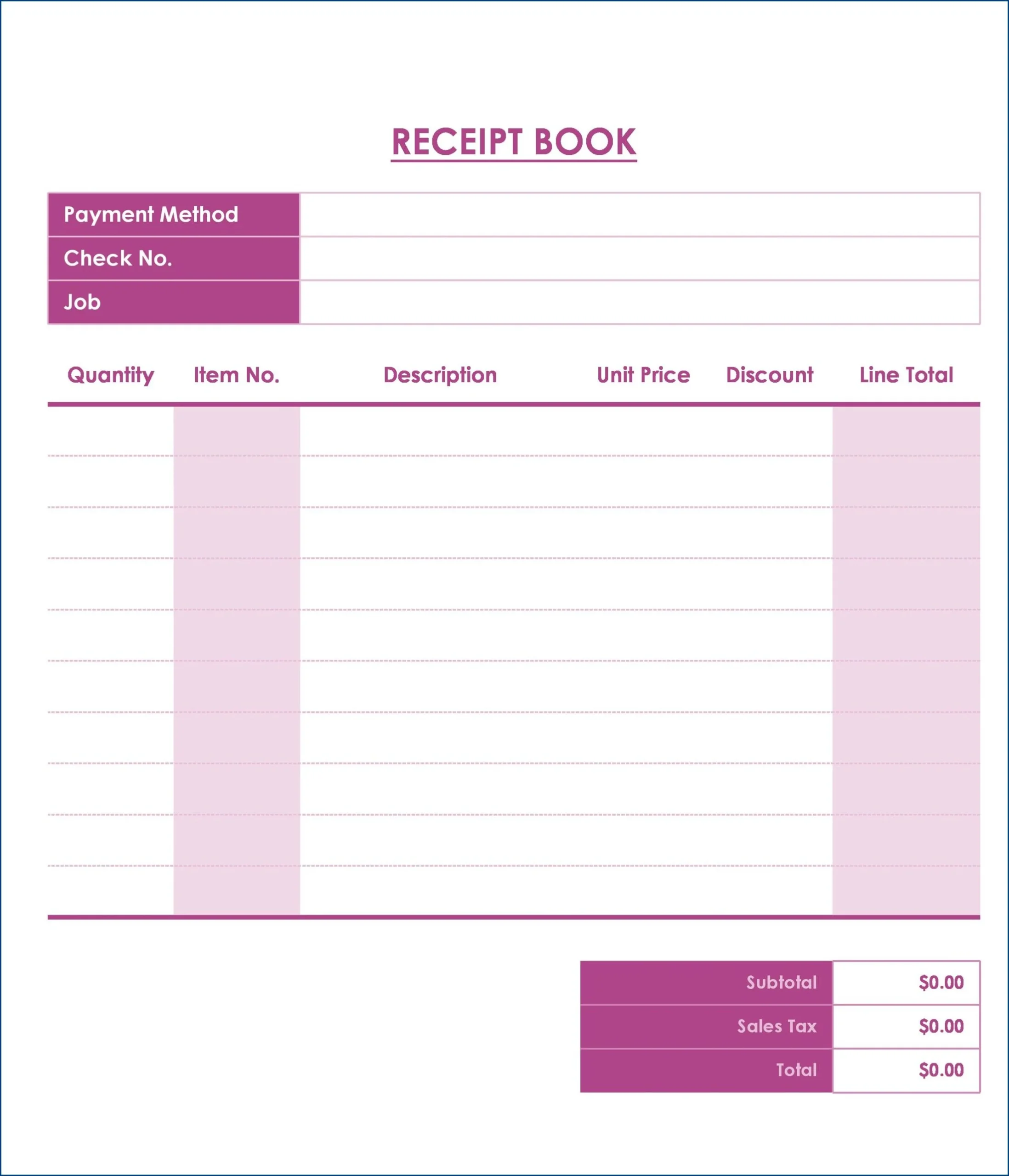
Key Elements of a Receipt Book
A well-designed receipt book should include the following key elements:
- Date: The date of the transaction is important for record-keeping and reference.
- Transaction Details: Include a description of the items or services purchased, along with their prices.
- Payment Method: Indicate how the payment was made, whether in cash, credit card, or other means.
- Customer Information: Collect the customer’s name, address, and contact details for future communication.
- Signature: Both the seller and the customer should sign the receipt for authentication.
How to Use a Receipt Book
Using a receipt book is simple. Follow these steps to effectively utilize a receipt book:
- Fill in the Details: Write down the date, transaction details, payment method, and customer information.
- Give a Copy to the Customer: Tear off the duplicate copy and hand it to the customer as their proof of purchase.
- Keep a Copy for Your Records: Retain the original copy in your receipt book for accounting and record-keeping purposes.
- File and Organize: Store your receipt book in a safe and organized manner for easy access when needed.
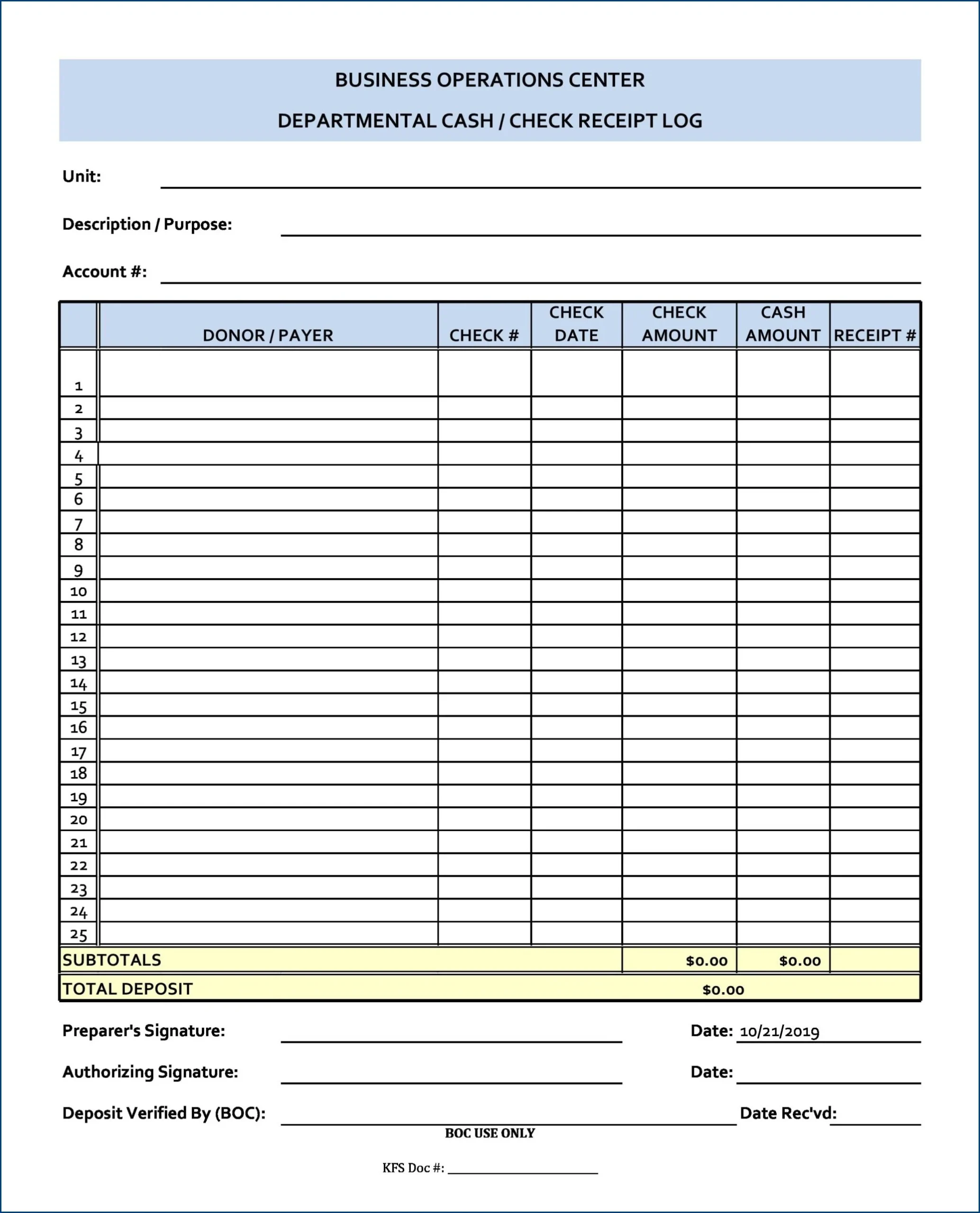
Tips for Using Receipt Books
Here are some tips to make the most out of your receipt book:
- Use Sequentially Numbered Receipts: Numbering your receipts helps in tracking and referencing transactions.
- Keep Copies Secure: Store duplicate copies of receipts securely to protect customer information.
- Regularly Reconcile Transactions: Periodically review and reconcile your receipts to ensure accuracy in your financial records.
- Customize Your Receipt Book: Consider customizing your receipt book with your business logo and contact information for a professional touch.
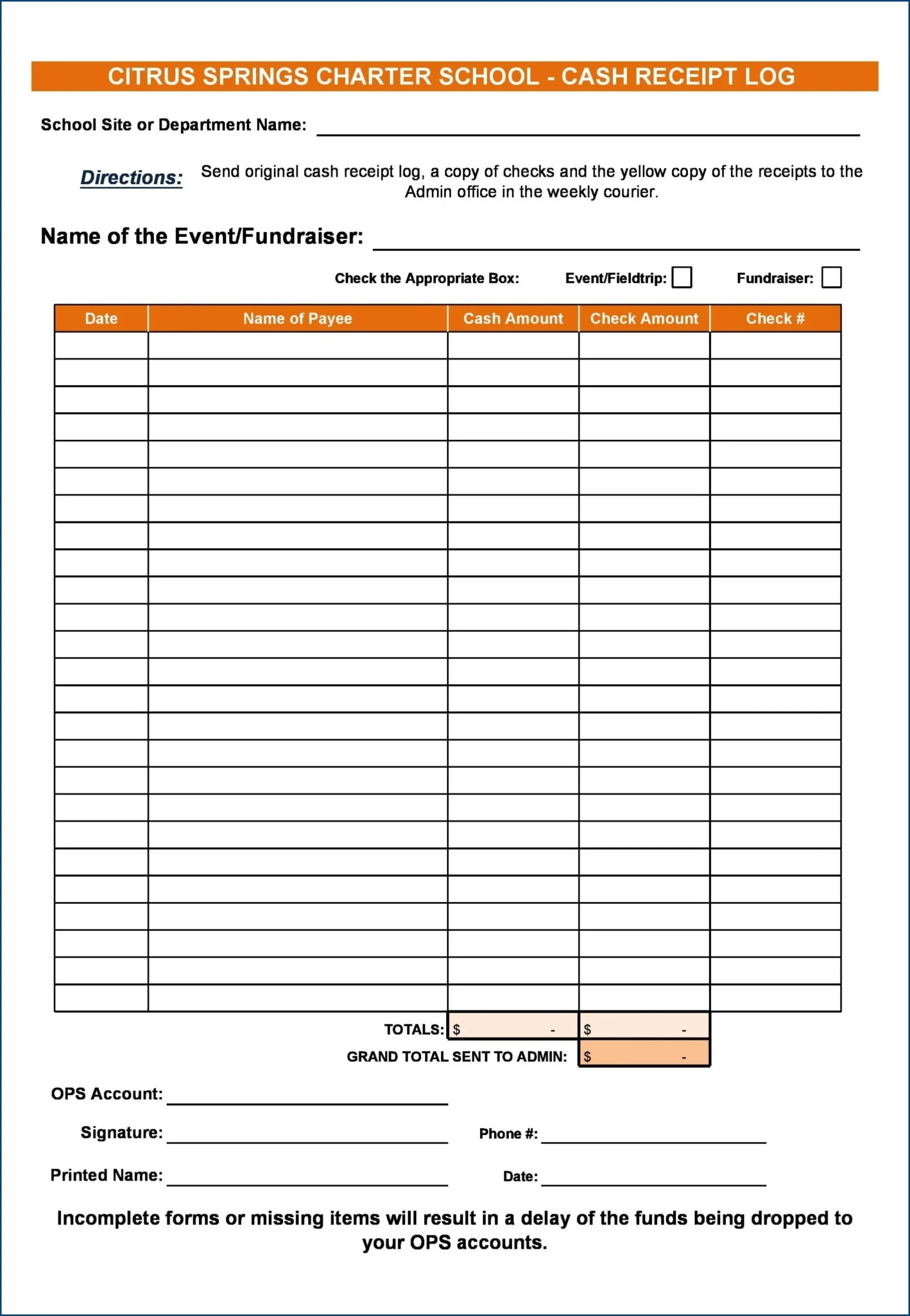
In Conclusion
Receipt books are an essential tool for businesses and customers alike. They not only provide written confirmation of payment but also help in maintaining organized records for financial management and compliance purposes. By using receipt books effectively, businesses can streamline their accounting processes and build trust with their customers through transparent transactions.
Receipt Book Template – Excel

- Free Printable T-Chart Template - September 12, 2026
- Free Printable Wanted Poster Template - September 12, 2026
- Surprise Party Invitation Template - September 12, 2026
