Are you a self-employed individual looking to streamline your invoicing process? Invoicing is a crucial aspect of running a successful business, and as a self-employed professional, it’s important to have a clear understanding of how to create and manage invoices. In this comprehensive guide, we will walk you through everything you need to know about self-employed invoices, from what they are to how to create them effectively.
What is a Self-Employed Invoice?
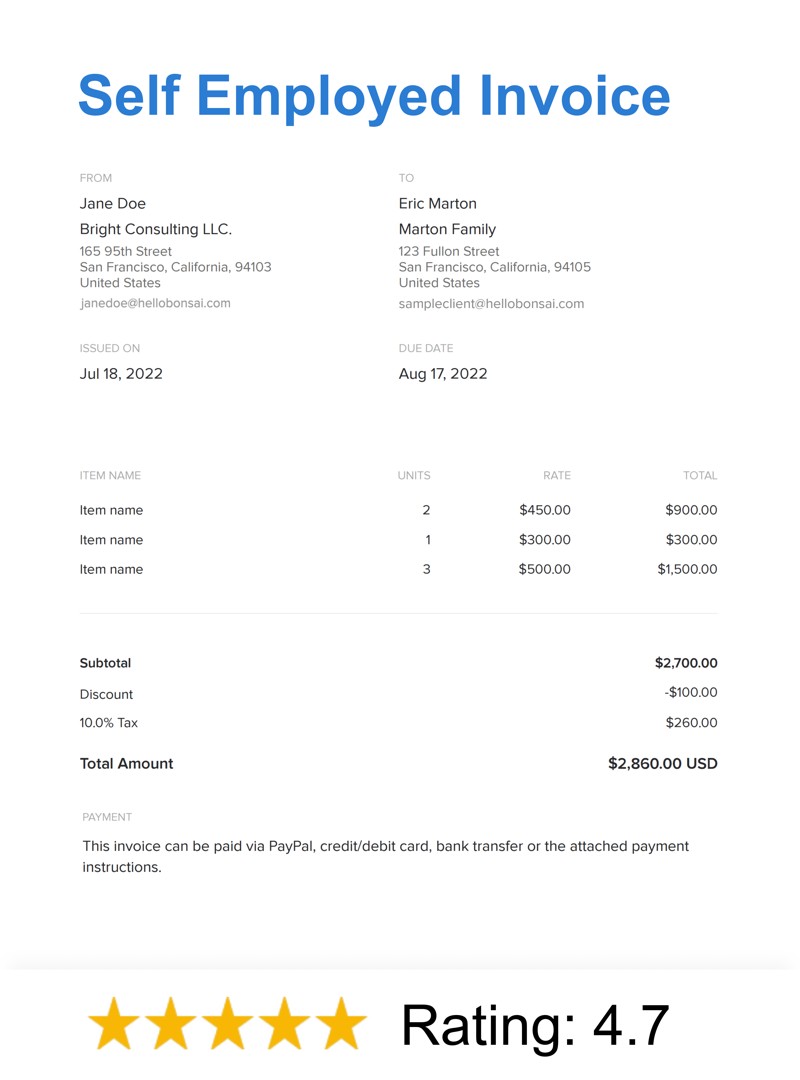
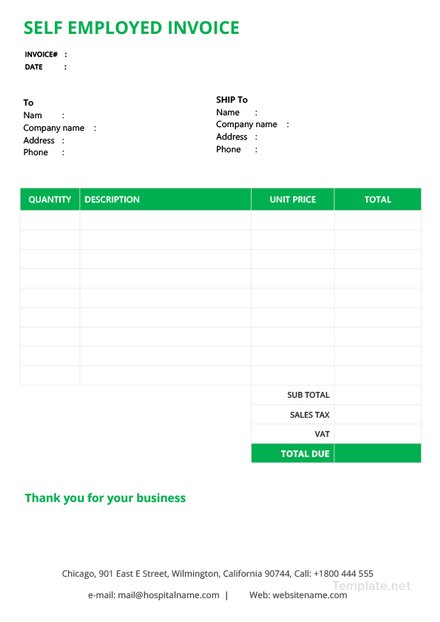
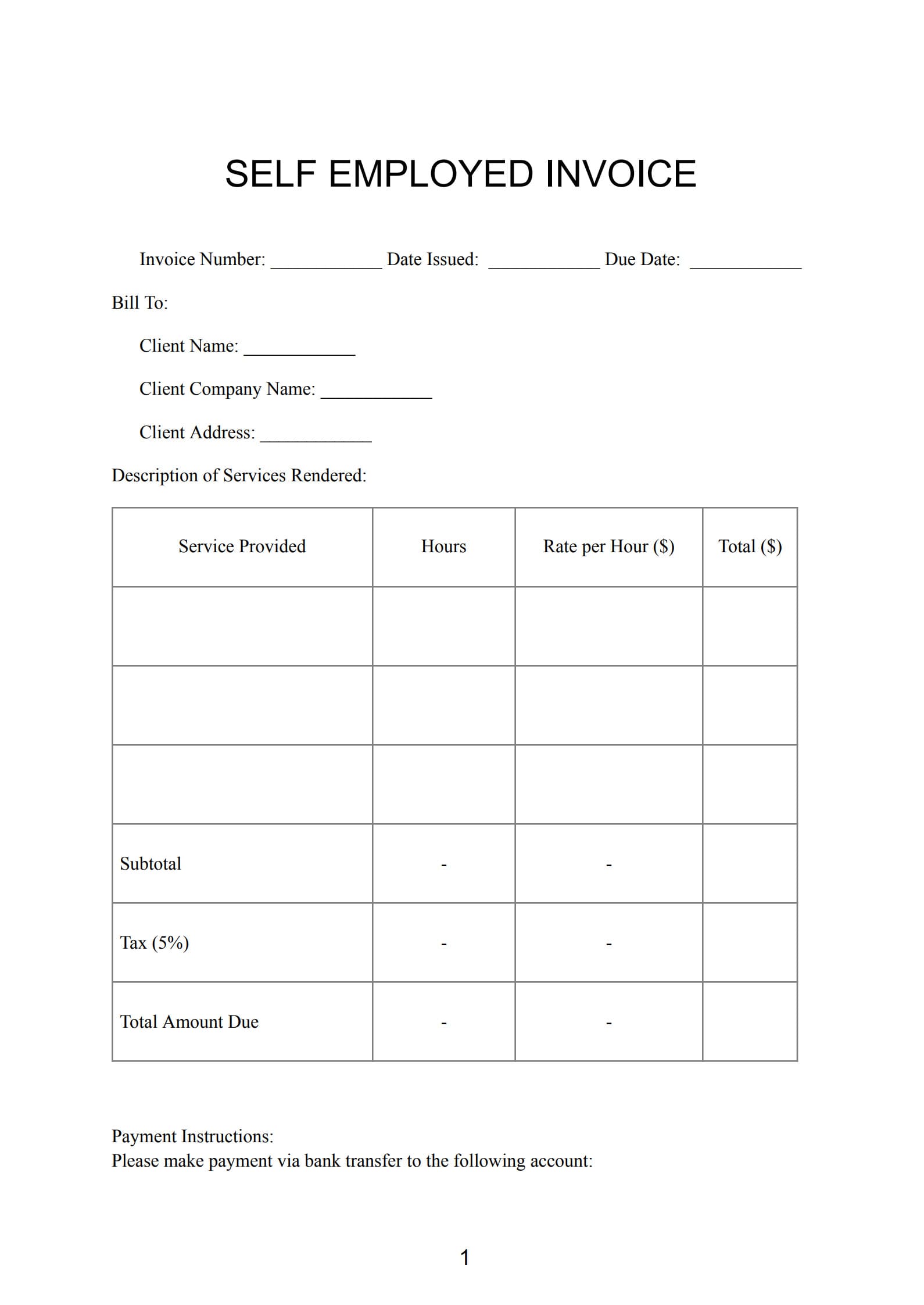
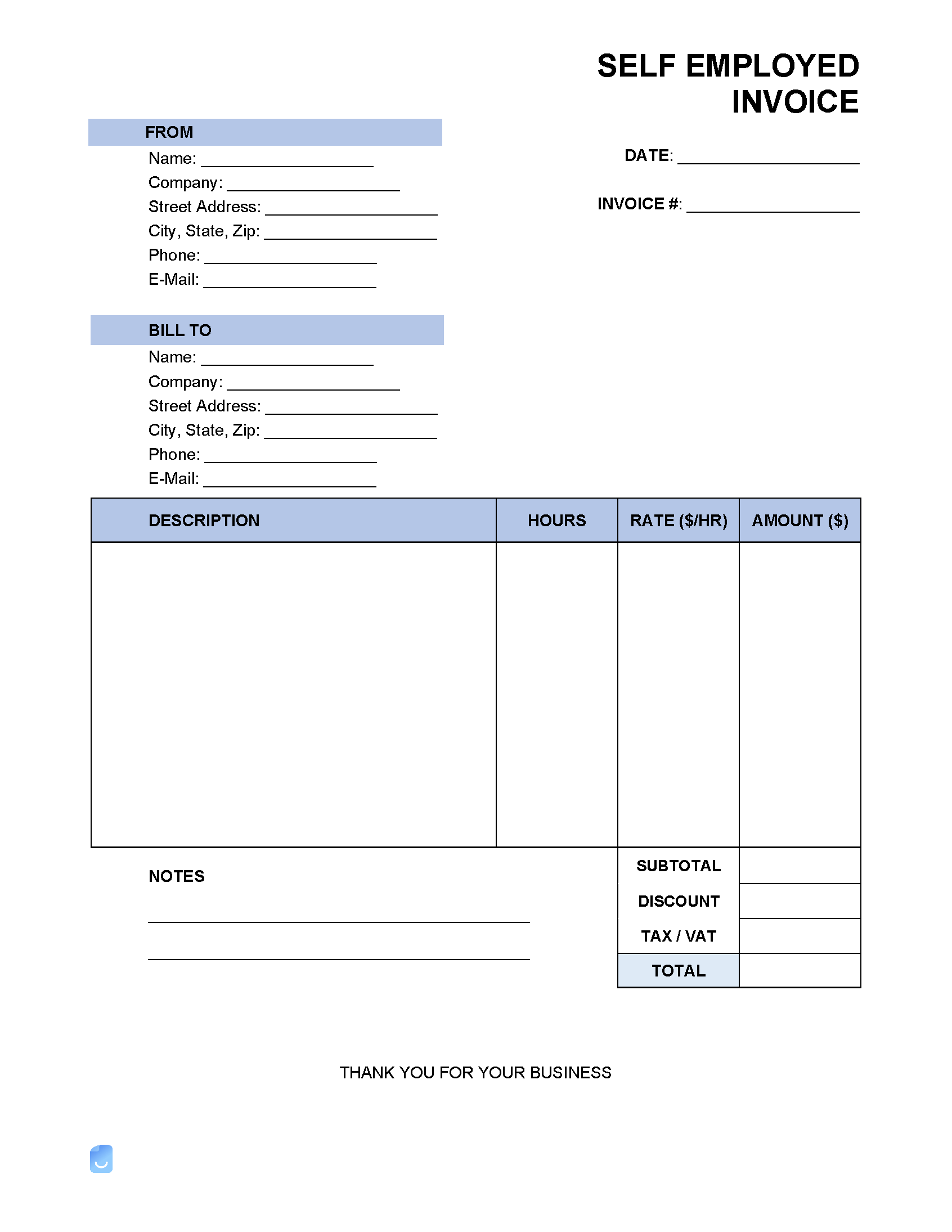
A self-employed invoice is a document that outlines the details of a transaction between a self-employed individual and their client. It serves as a formal request for payment for the goods or services provided by the self-employed individual. Invoices typically include the invoice number, invoice date, payment due date, a description of the goods or services provided, the cost of the goods or services, and the payment terms.
Creating and sending invoices is an essential part of managing your finances as a self-employed professional. Not only does it ensure that you get paid for your work, but it also helps you keep track of your income and expenses for tax purposes.
Why are Self-Employed Invoices Important?
Self-employed invoices are important for several reasons:
1. Professionalism: Sending a detailed invoice shows that you are a professional and take your business seriously.
2. Payment Tracking: Invoices help you keep track of the payments you are owed and have received.
3. Legal Protection: Invoices serve as a legal document in case of a payment dispute.
4. Tax Compliance: Invoices are essential for keeping accurate records of your income and expenses for tax purposes.
What to Include in a Self-Employed Invoice
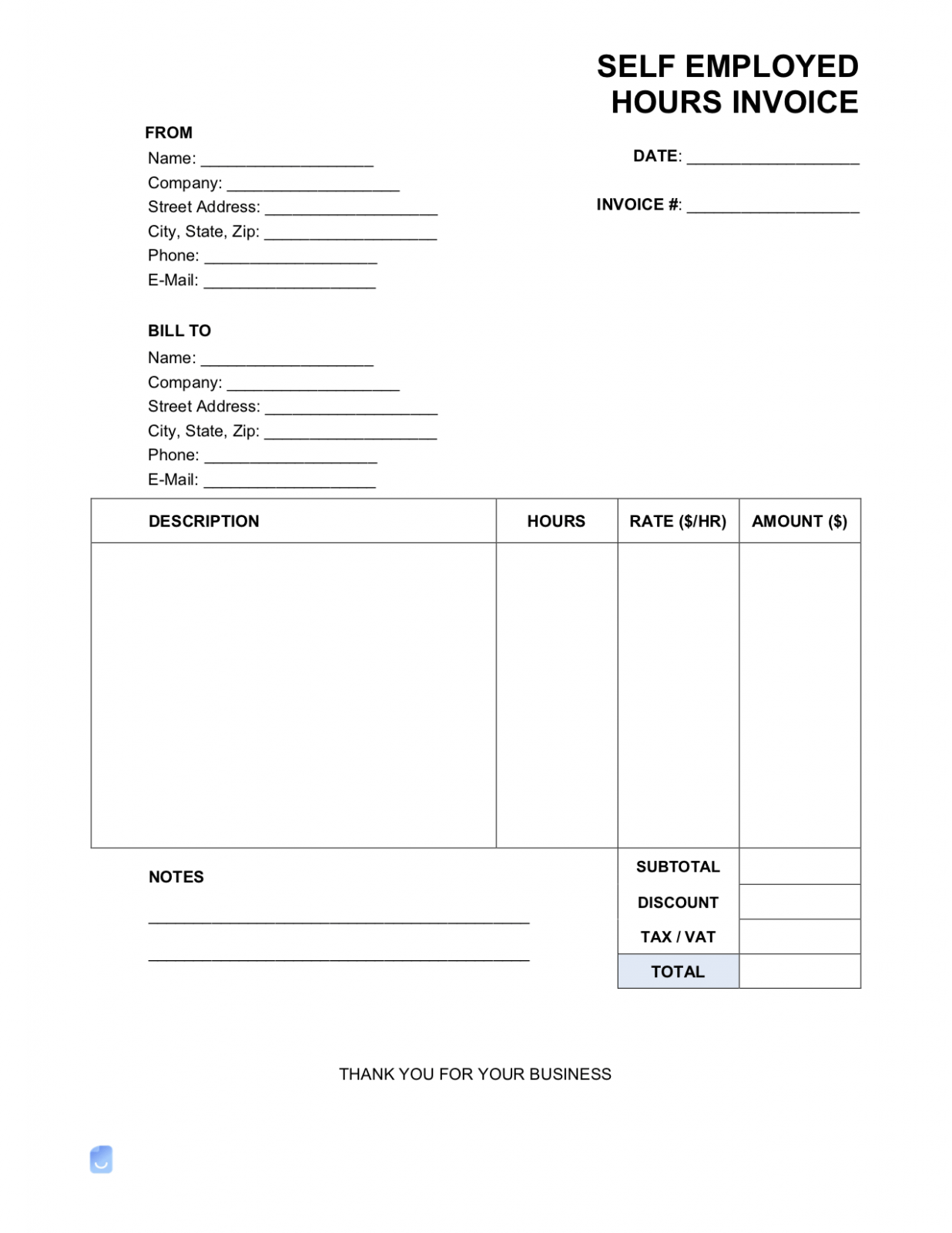
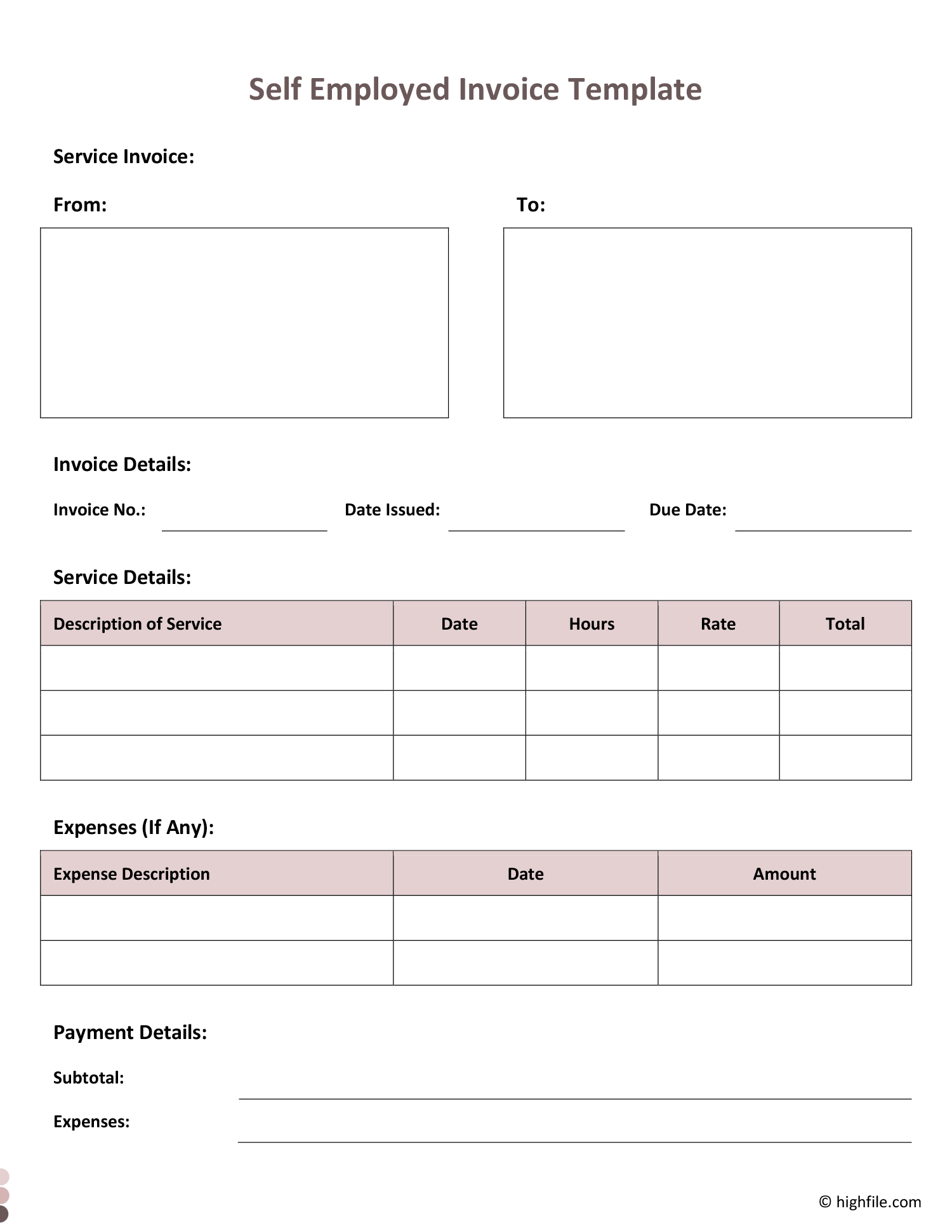
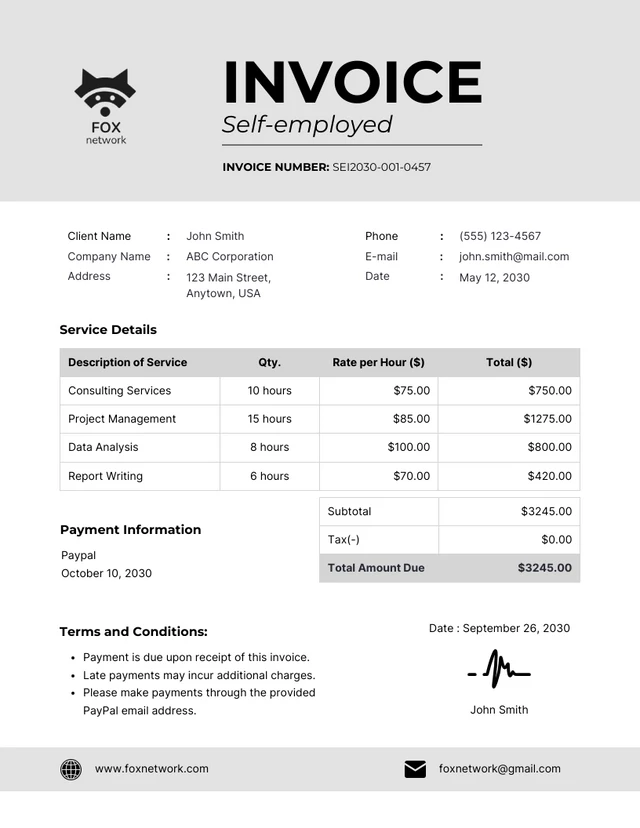
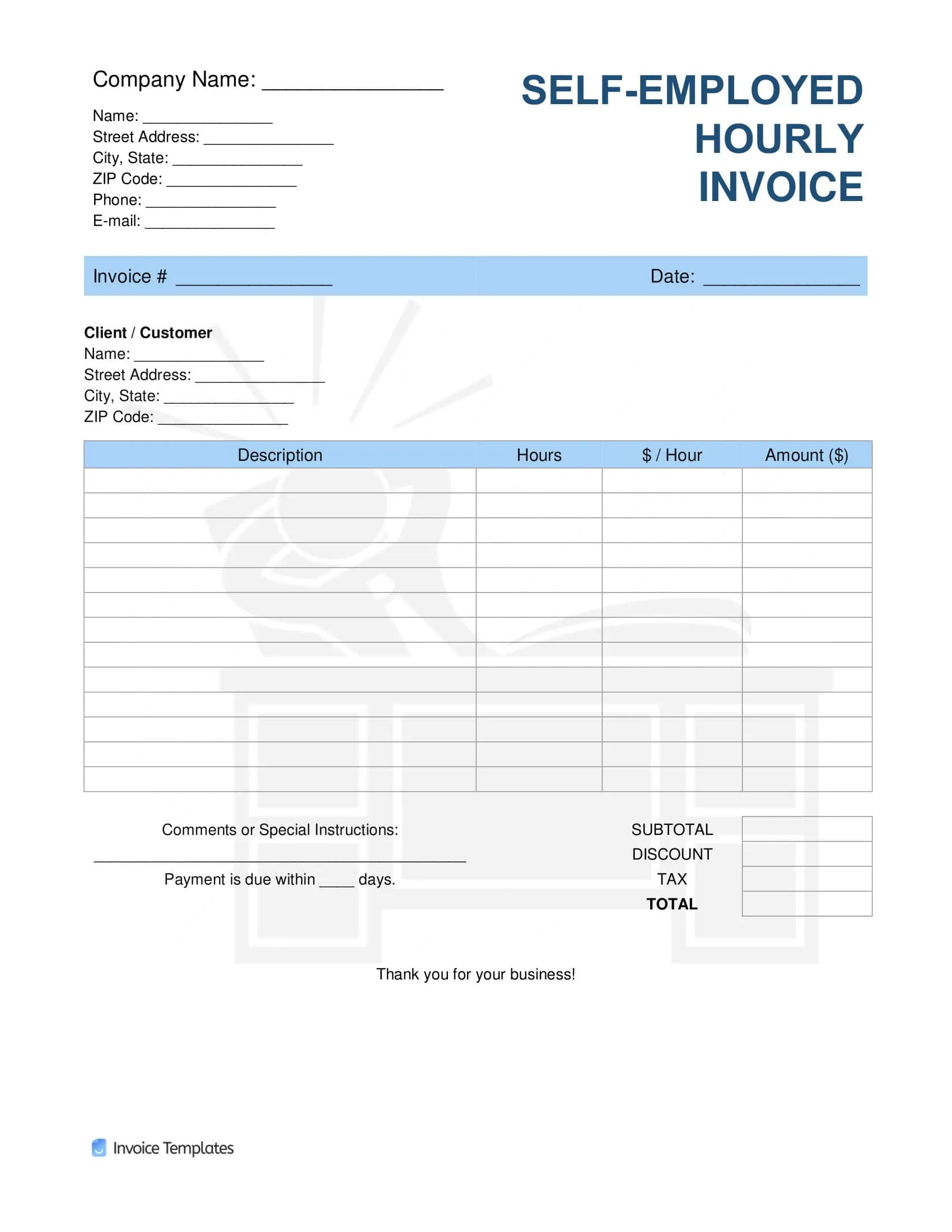
When creating a self-employed invoice, make sure to include the following key details:
– Your contact information: Include your name, business name (if applicable), address, phone number, and email address.
– Client’s contact information: Include the client’s name, business name (if applicable), address, phone number, and email address.
– Invoice number: Assign a unique invoice number to each invoice for easy reference.
– Date: Include the date the invoice was issued.
– Due date: Specify the date by which the payment is due.
– Description of goods or services: Provide a detailed description of the goods or services provided.
– Cost: Clearly outline the cost of each item or service.
– Payment terms: Specify the payment method and any late payment fees or discounts.
– Terms and conditions: Include any additional terms and conditions that apply to the transaction.
Examples
How to Create a Self-Employed Invoice
Creating a self-employed invoice is a straightforward process. Here are some steps to follow:
1. Choose an invoicing software: Consider using online invoicing software to streamline the invoicing process and keep track of your invoices.
2. Gather necessary information: Collect all the information you need to include in the invoice, such as your contact information, client’s contact information, description of goods or services, and cost.
3. Create the invoice: Use a template or invoicing software to create a professional-looking invoice. Please include all required details.
4. Review and send: Double-check the invoice for accuracy and then send it to your client via email or mail.
Tips for Effective Self-Employed Invoicing
– Be clear and concise: Make sure your invoices are easy to understand and include all the necessary information.
– Set payment terms: Clearly outline your payment terms, including the due date and any late payment fees.
– Send invoices promptly: Send out invoices as soon as the work is completed to expedite the payment process.
– Follow up on late payments: If a client is late in paying, send a friendly reminder to prompt payment.
– Keep detailed records: Maintain a record of all your invoices for tax purposes and financial planning.
– Consider using online invoicing software: Online invoicing software can simplify the invoicing process and help you stay organized.
In conclusion, self-employed invoices are an essential tool for managing your finances and ensuring you get paid for your work. By following the tips outlined in this guide and creating professional invoices, you can streamline your invoicing process and maintain a healthy cash flow for your business.
Self-employed Invoice Template – Download

- Free Printable T-Chart Template - September 12, 2026
- Free Printable Wanted Poster Template - September 12, 2026
- Surprise Party Invitation Template - September 12, 2026
