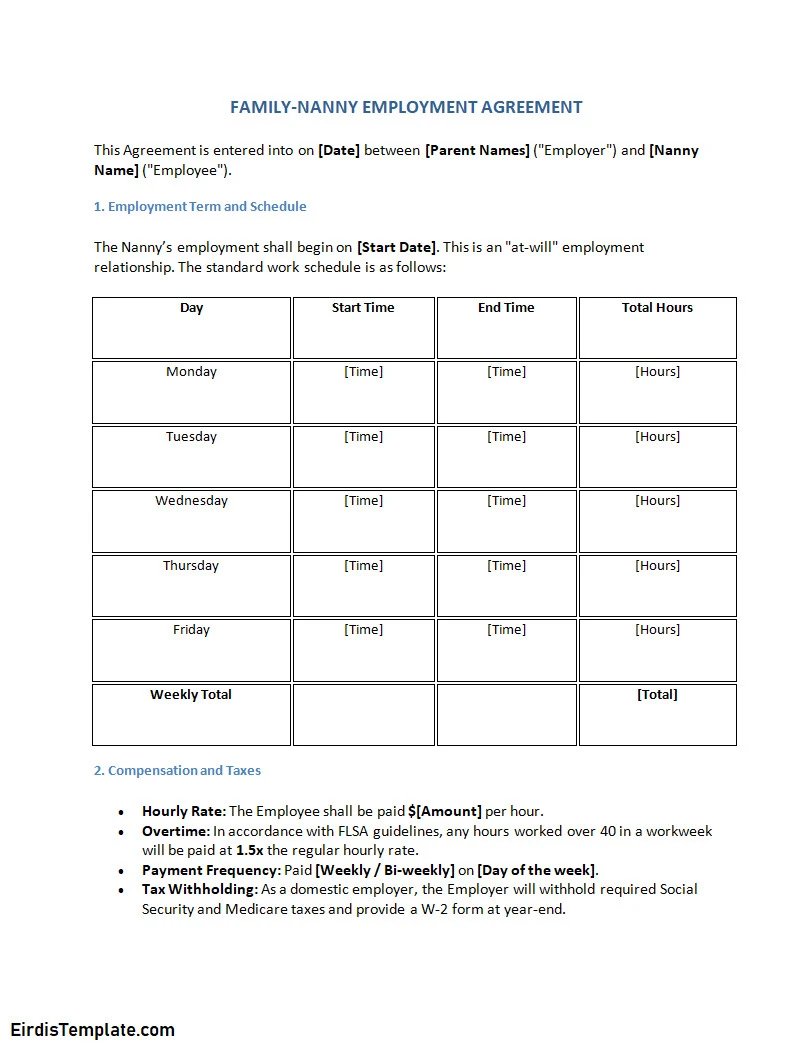
If you are considering hiring a nanny to help care for your children, it is essential to have a clear and detailed nanny agreement in place. A nanny agreement is a legal document that outlines the terms and conditions of employment between you and your nanny. It is crucial to have this agreement in writing to avoid any misunderstandings or disputes down the road.
In this comprehensive guide, we will discuss everything you need to know about nanny agreements, including what they are, why they are important, what to include in them, how to create one, and tips for ensuring a successful nanny arrangement.
What is a Nanny Agreement?
A nanny agreement is a written contract between you and your nanny that outlines the expectations and responsibilities of both parties. This document serves as a guide for the nanny’s duties, work hours, compensation, benefits, and any other relevant terms of employment.
By having a clear and detailed nanny agreement in place, both you and your nanny will have a mutual understanding of what is expected in terms of childcare and household responsibilities.
A nanny agreement typically includes the following details:
- Job description. This should outline the specific duties and responsibilities of the nanny, including childcare tasks, meal preparation, transportation, and any additional household chores.
- Work schedule. Clearly define the nanny’s work hours, including start and end times, as well as any expectations for flexibility or overtime.
- Compensation. Specify the nanny’s hourly rate or salary, payment schedule, and any additional benefits such as paid time off, health insurance, or other perks.
- Privacy and confidentiality. Discuss expectations for privacy and confidentiality, including how personal information about your family should be handled.
- Termination clause. Outline the process for terminating the nanny agreement, including notice periods and any severance pay or benefits.
- House rules. Clearly communicate any household rules or guidelines that the nanny should follow, such as screen time limits, discipline techniques, or communication preferences.
Why are Nanny Agreements Important?
Nanny agreements are essential for several reasons. First and foremost, they help to establish clear expectations and boundaries for both you and your nanny. By outlining the terms of employment in writing, you can avoid misunderstandings or conflicts that may arise in the absence of a formal agreement. Additionally, a nanny agreement can protect both parties in the event of a dispute or disagreement, providing a legal framework for resolving any issues that may arise during the course of employment.
Some key reasons why nanny agreements are important include:
- Clarity. A nanny agreement provides clarity on the nanny’s duties, schedule, compensation, and other important details, reducing the likelihood of misunderstandings.
- Legal protection. Having a written contract in place can protect both you and your nanny in the event of a dispute or disagreement, ensuring that both parties are aware of their rights and responsibilities.
- Professionalism. A nanny agreement demonstrates professionalism and commitment to a successful working relationship, setting a positive tone for the nanny’s employment.
What to Include in a Nanny Agreement
When creating a nanny agreement, it is essential to include specific details that are relevant to your unique situation. While every nanny agreement will vary depending on the needs and preferences of the family and the nanny, some key elements should be included in every agreement.
Some important items to include in a nanny agreement are:
- Job description. Clearly outline the nanny’s duties, responsibilities, and any specific requirements for the role.
- Work schedule. Define the nanny’s work hours, including regular hours, overtime expectations, and any flexibility needed.
- Compensation. Specify the nanny’s pay rate, payment schedule, benefits, and any additional perks or incentives.
- House rules. Communicate any household rules or guidelines that the nanny should follow, including expectations for discipline, communication, and screen time.
- Termination clause. Detail the process for ending the nanny agreement, including notice periods, severance pay, and any other relevant terms.
- Emergency procedures. Provide information on emergency contacts, medical information, and any other important details for handling unexpected situations.
How to Create a Nanny Agreement
Creating a nanny agreement can seem like a daunting task, but it doesn’t have to be complicated. By following a few simple steps, you can create a comprehensive and effective nanny agreement that meets the needs of both you and your nanny.
Here are some tips for creating a nanny agreement:
- Research. Take the time to research sample nanny agreements online or consult with a legal professional to ensure that your agreement includes all necessary details.
- Customize. Tailor the agreement to your specific needs and preferences, incorporating details that are relevant to your family’s situation and the nanny’s responsibilities.
- Communicate. Discuss the terms of the agreement with your nanny before finalizing it, ensuring that both parties are in agreement and comfortable with the terms.
- Sign and date. Once the agreement is finalized, have both you and your nanny sign and date the document to make it legally binding.
- Review regularly. Periodically review and update the nanny agreement as needed to reflect any changes in the nanny’s duties, schedule, or compensation.
Tips for Successful Nanny Agreements
To ensure a successful and harmonious working relationship with your nanny, it is essential to have a well-crafted nanny agreement in place. By following some best practices and tips, you can create a positive and productive environment for both you and your nanny.
Some tips for successful nanny agreements include:
- Open communication. Maintain open and honest communication with your nanny, discussing any issues or concerns as soon as they arise.
- Respect boundaries. Respect your nanny’s time off and personal space, allowing them to have a healthy work-life balance.
- Provide feedback. Offer regular feedback and appreciation for your nanny’s hard work, recognizing their contributions to your family.
- Regular check-ins. Schedule regular check-ins with your nanny to discuss any changes or updates to their duties or schedule.
- Seek professional help. If you encounter any challenges or conflicts with your nanny, consider seeking professional mediation or legal advice to resolve the issue.
In conclusion, a well-written nanny agreement is essential for establishing clear expectations and boundaries in a nanny-family relationship. By outlining the terms of employment in writing, both you and your nanny can ensure a successful and harmonious working relationship.
Remember to include specific details that are relevant to your unique situation, communicate openly with your nanny, and seek professional help if needed to address any challenges that may arise. With a thoughtful and detailed nanny agreement in place, you can create a positive and rewarding experience for both you and your nanny.
Nanny Agreement Template – DOWNLOAD

- Free Printable Monthly Schedule Template - April 3, 2026
- Free Printable Monthly Meal Planner Template - April 1, 2026
- Printable Monthly Work Schedule Template - March 30, 2026
