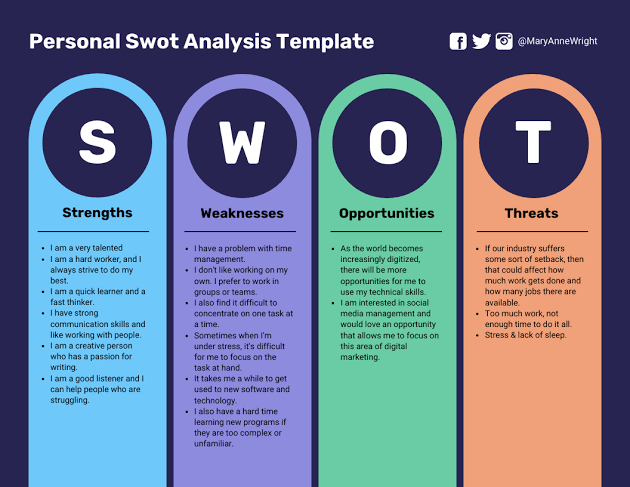
SWOT analysis is a strategic planning tool used by businesses and organizations to identify their internal strengths and weaknesses, as well as external opportunities and threats. By conducting a SWOT analysis, companies can gain valuable insights that can help them make informed decisions and improve their overall performance. In this comprehensive guide, we will explore the key elements of SWOT analysis, why it is important, how to conduct one, and some tips for maximizing its effectiveness.
What is SWOT Analysis?
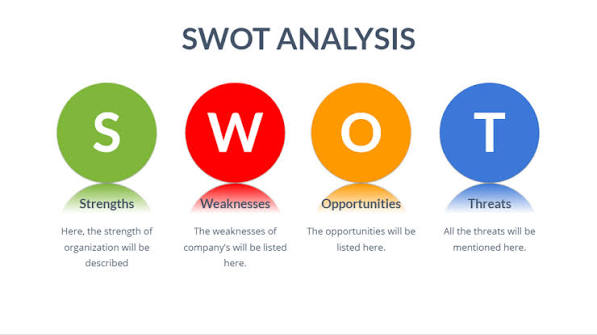
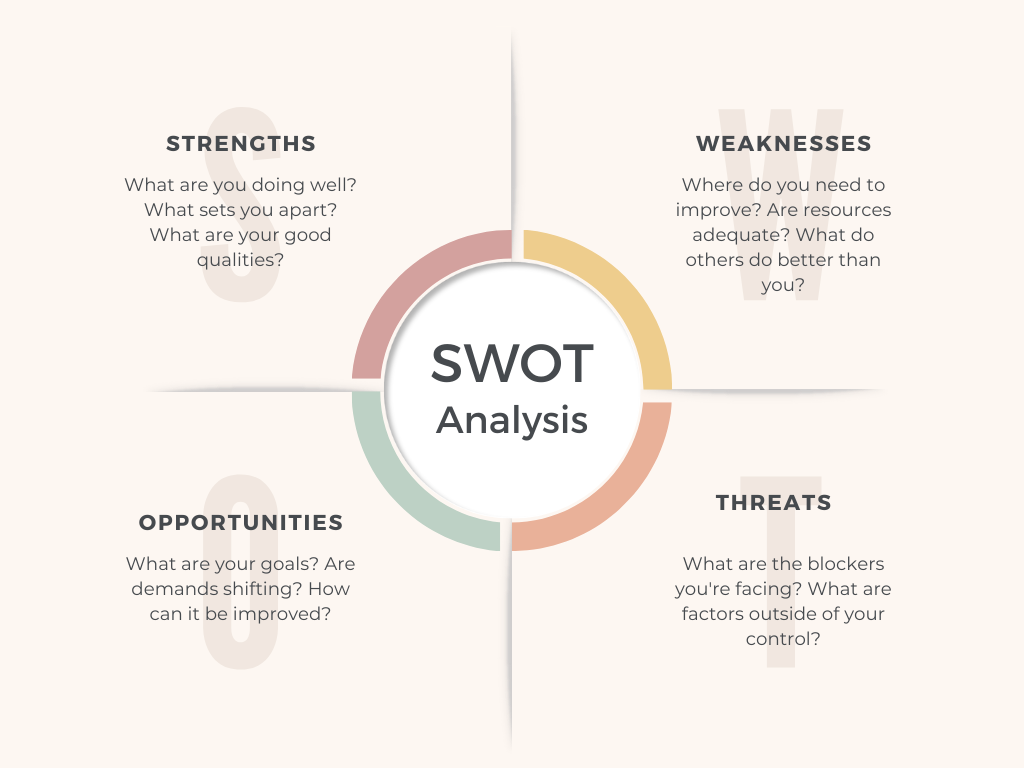
SWOT analysis stands for Strengths, Weaknesses, Opportunities, and Threats. It is a framework that helps organizations evaluate their current position in the market and identify areas for improvement. By analyzing these four key aspects, businesses can develop strategies to capitalize on their strengths, address their weaknesses, take advantage of opportunities, and mitigate threats.
Why is SWOT Analysis Important?
SWOT analysis is an essential tool for strategic planning and decision-making. By conducting a SWOT analysis, businesses can:
- Gain a comprehensive understanding of their business: By analyzing their internal strengths and weaknesses, as well as external opportunities and threats, companies can develop a clear picture of where they stand in the market.
- Identify competitive advantages: SWOT analysis helps businesses identify their unique strengths and advantages over competitors, enabling them to differentiate themselves in the market.
- Spot potential risks and challenges: By identifying potential threats and weaknesses, organizations can proactively address risks and challenges before they become major issues.
- Inform strategic decision-making: SWOT analysis provides valuable insights that can inform strategic decision-making, helping businesses set clear objectives and goals.
Key Elements of SWOT Analysis
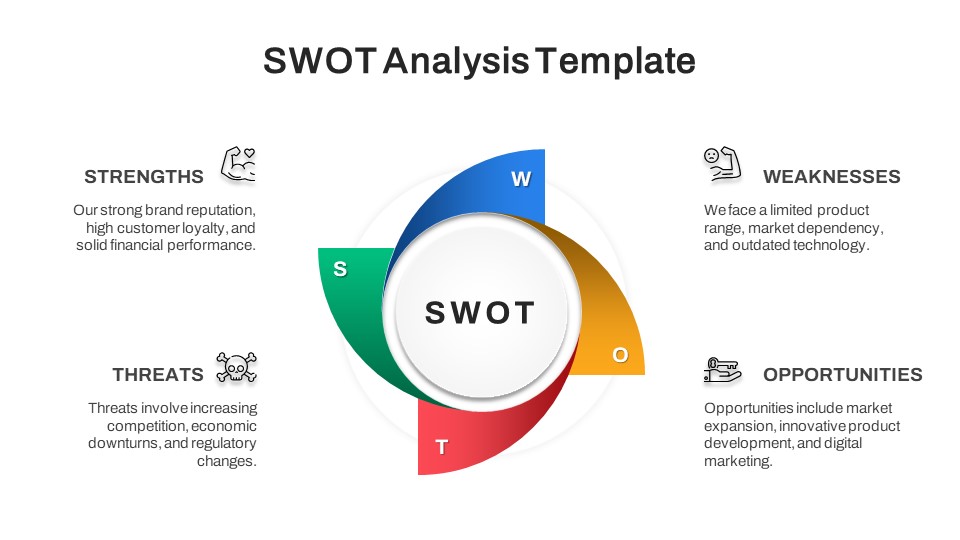
The key elements of SWOT analysis include:
- Strengths: Internal factors that give an organization a competitive advantage, such as a strong brand reputation or skilled workforce.
- Weaknesses: Internal factors that hinder an organization’s performance, such as outdated technology or poor management.
- Opportunities: External factors that could benefit an organization, such as a growing market or new partnership opportunities.
- Threats: External factors that could pose a risk to an organization, such as changing regulations or increased competition.
How to Conduct a SWOT Analysis
Follow these steps to conduct a SWOT analysis for your business:
1. Identify Strengths and Weaknesses
Start by evaluating your company’s internal strengths and weaknesses. Consider factors such as your brand reputation, financial resources, and employee skills.
2. Identify Opportunities and Threats
Next, analyze external opportunities and threats that could impact your business. Look at market trends, competitor actions, and regulatory changes.
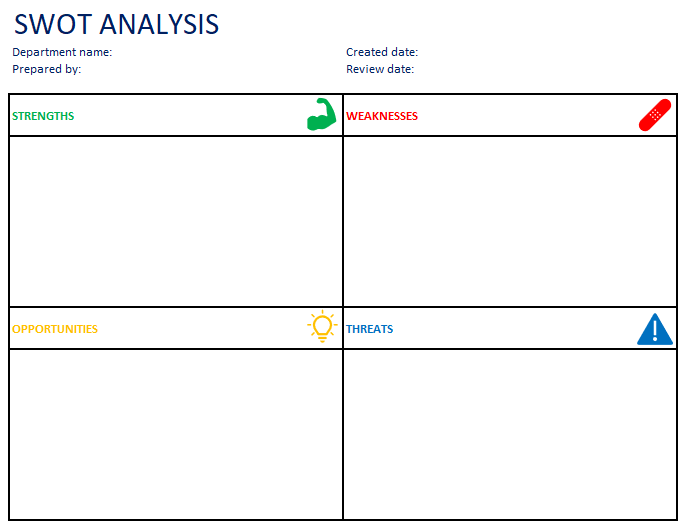
3. Create a SWOT Matrix
Create a four-quadrant matrix and list your strengths, weaknesses, opportunities, and threats in each quadrant. This visual representation can help you identify key insights and trends.
4. Analyze and Prioritize
Analyze the relationships between the different elements of your SWOT analysis and prioritize the most critical factors that require attention.
5. Develop Strategies
Based on your SWOT analysis, develop strategies to capitalize on your strengths, address your weaknesses, take advantage of opportunities, and mitigate threats.
Tips for Maximizing the Effectiveness of SWOT Analysis
Here are some tips to help you maximize the effectiveness of your SWOT analysis:
- Involve key stakeholders: Get input from key stakeholders in your organization to ensure a comprehensive analysis.
- Focus on actionable insights: Use the findings from your SWOT analysis to develop actionable strategies and initiatives.
- Regularly review and update: SWOT analysis is not a one-time exercise. Regularly review and update your analysis to stay ahead of changes in the market.
- Consider external perspectives: Seek input from external experts or consultants to gain additional insights into your SWOT analysis.
- Use SWOT in combination with other tools: Combine SWOT analysis with other strategic planning tools to gain a more comprehensive understanding of your business.
By following these guidelines and best practices, you can leverage the power of SWOT analysis to drive strategic decision-making and achieve your business goals.

- Free Printable Affidavit Form Template - October 2, 2026
- Printable Adoption Certificate Template - October 2, 2026
- Free Printable Address Label Template - October 2, 2026
