When it comes to finding a place to live, the traditional options are renting or buying a home. But what if there was a third option that combined the best of both worlds? Enter the rent-to-own agreement, a unique arrangement that allows tenants to eventually own the property they are renting. This article will delve into the details of what a rent-to-own agreement entails, why it might be a good option for some individuals, what to include in the agreement, how to navigate the process, and some tips for success.
What is a Rent-to-Own Agreement?
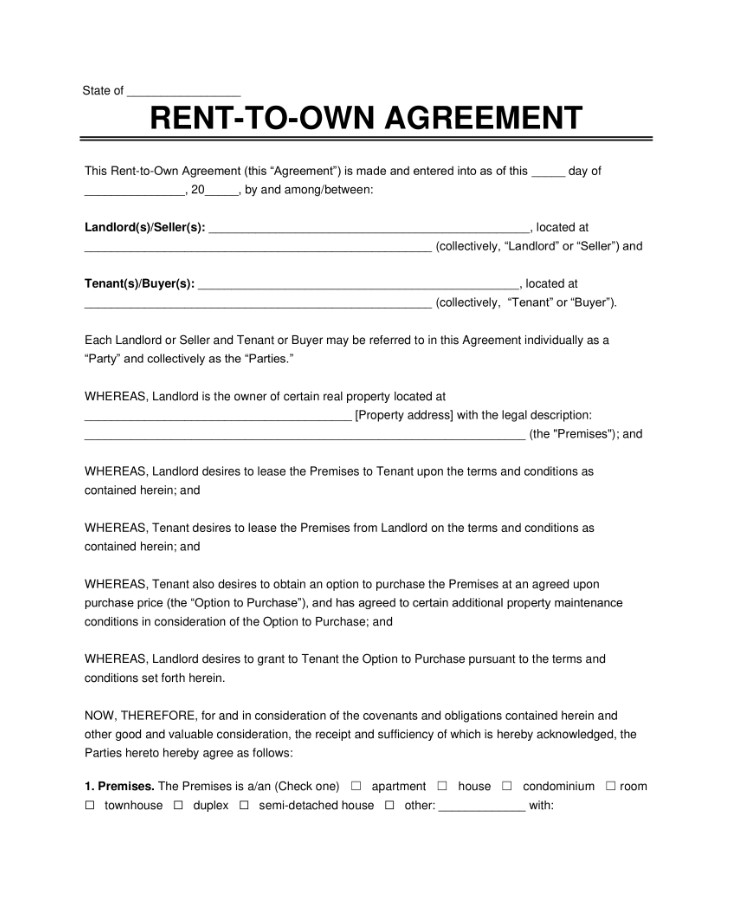
A rent-to-own agreement, also known as a lease option or lease-to-own agreement, is a contract between a landlord and tenant that gives the tenant the option to purchase the property at a later date. This agreement typically involves two separate contracts: a standard lease agreement outlining the terms of the rental period and an option agreement that lays out the terms of the potential purchase. The tenant pays a premium, known as option money, for the right to purchase the property within a specified timeframe.
Why Consider a Rent-to-Own Agreement?
Rent-to-own agreements can be beneficial for individuals who may not currently qualify for a traditional mortgage but aspire to become homeowners in the future. This option allows tenants to lock in a purchase price for the property, giving them time to work on improving their credit score, saving for a down payment, or addressing any other obstacles that may be preventing them from securing a mortgage. Additionally, rent-to-own agreements provide tenants with the opportunity to test out the property and neighborhood before committing to a purchase.
What to Include in a Rent-to-Own Agreement
When drafting a rent-to-own agreement, it is essential to include specific details to protect both parties involved. Some key elements to include in the agreement are:
- Option Money: The amount paid upfront for the right to purchase the property.
- Purchase Price: The agreed-upon price at which the tenant can buy the property.
- Lease Terms: The duration of the rental period, monthly rent amount, and any additional terms.
- Property Maintenance: Responsibilities for maintenance and repairs during the rental period.
- Option to Purchase: The timeframe in which the tenant can exercise their option to buy the property.
- Default Terms: Consequences for defaulting on the agreement by either party.
- Legal Assistance: Consider consulting with a real estate attorney to ensure the agreement is legally sound.
How to Navigate a Rent-to-Own Agreement
Entering into a rent-to-own agreement can be a complex process, so it’s essential to approach it with caution and thorough research. Here are some steps to navigate the process:
1. Understand the Terms:
Before signing any agreements, make sure you fully understand the terms and obligations outlined in the contract. Seek clarification on any points that are unclear.
2. Conduct Due Diligence:
Research the property, neighborhood, and market conditions to ensure you are making an informed decision. Consider getting a home inspection to uncover any potential issues.
3. Secure Financing:
Start working on improving your credit score and saving for a down payment to increase your chances of qualifying for a mortgage when the time comes to purchase the property.
4. Seek Legal Advice:
Consider consulting with a real estate attorney to review the agreement and ensure your rights are protected throughout the process.
5. Communicate Effectively:
Maintain open communication with the landlord to address any concerns or issues that may arise during the rental period.
6. Plan for the Future:
Develop a plan for homeownership, including setting aside funds for closing costs, property taxes, and other expenses associated with purchasing a home.
7. Be Prepared for Changes:
Stay flexible and be prepared for unexpected changes in your financial situation or housing needs that may impact your ability to follow through with the purchase.
Tips for Success in a Rent-to-Own Agreement
Here are some tips to help you navigate a rent-to-own agreement successfully:
- Stay Committed: Make sure you are committed to the process and have a clear plan for homeownership.
- Build Your Credit: Work on improving your credit score to increase your chances of securing financing in the future.
- Save for a Down Payment: Start saving for a down payment to make the purchase more feasible when the time comes.
- Stay Informed: Stay up to date on market trends and changes in the real estate industry that may impact your decision-making.
- Seek Professional Advice: Consider seeking guidance from real estate professionals, attorneys, or financial advisors to ensure you are making informed decisions.
- Communicate Openly: Maintain open communication with all parties involved in the agreement to address any concerns or issues promptly.
- Plan for the Future: Develop a long-term plan for homeownership and address any potential obstacles proactively.
Rent-To-Own Agreement Template

- Free Printable T-Chart Template - September 12, 2026
- Free Printable Wanted Poster Template - September 12, 2026
- Surprise Party Invitation Template - September 12, 2026
