Managing your personal finances can be a daunting task, but with the right tools and knowledge, you can take control of your financial future. One of the key elements of financial stability is creating and sticking to a personal budget. A personal budget is a detailed plan that outlines your income and expenses, helping you track where your money is going and make informed financial decisions.
In this guide, we will break down everything you need to know about creating and maintaining a personal budget.
What is a Personal Budget?
A personal budget is a financial plan that helps you manage your income and expenses. It allows you to track your spending, identify areas where you can save money, and set financial goals. By creating a personal budget, you can take control of your finances and work towards achieving your financial objectives.
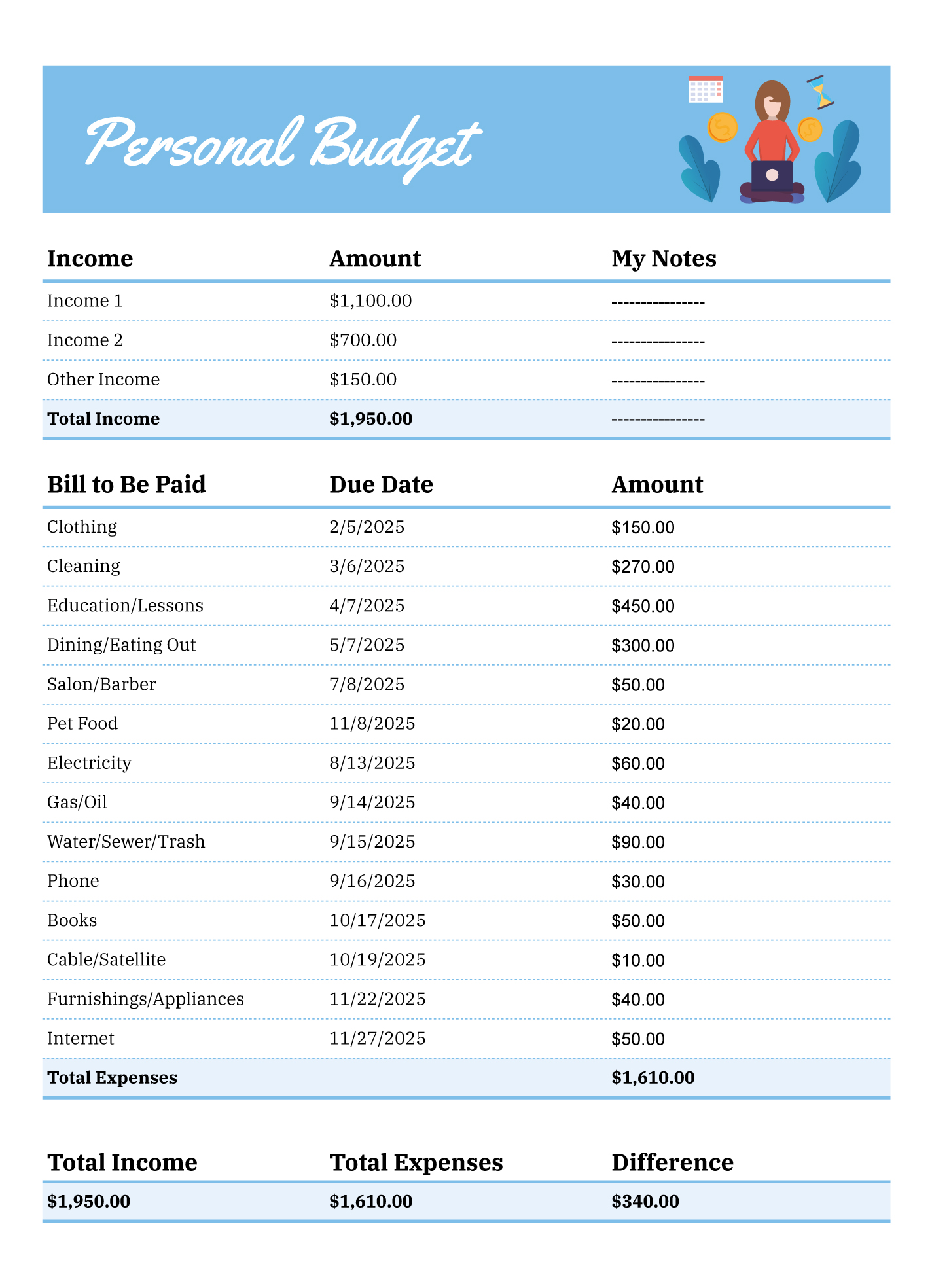
Why is a Personal Budget Important?
A personal budget is essential for several reasons. Firstly, it helps you understand your financial situation by providing a clear overview of your income and expenses. This knowledge allows you to make informed decisions about your spending habits and identify areas where you can cut back. Additionally, a personal budget can help you save money, pay off debts, and work towards achieving your financial goals, such as buying a house or saving for retirement.
What to Include in Your Personal Budget
When creating a personal budget, there are several key components to consider. These include:
- Income: List all sources of income, including salaries, bonuses, side hustles, and any other money you receive.
- Expenses: Record all your expenses, such as rent or mortgage payments, utilities, groceries, transportation, and entertainment.
- Savings: Allocate a portion of your income to savings, emergency funds, and retirement accounts.
- Debts: Include any outstanding debts, such as credit card balances, student loans, or car payments.
How to Create a Personal Budget
Creating a personal budget is a straightforward process that involves the following steps:
- Calculate your monthly income: Add up all sources of income to determine your total monthly earnings.
- List your expenses: Record all your monthly expenses to get a clear picture of where your money is going.
- Set financial goals: Determine what you want to achieve with your budget, whether it’s saving for a vacation, paying off debt, or building an emergency fund.
- Create a budget: Allocate your income to different expense categories based on your priorities and financial goals.
- Track your spending: Monitor your expenses regularly to ensure you are staying within your budget and making progress towards your financial objectives.
Tips for Maintaining a Personal Budget
Here are some tips to help you stay on track with your personal budget:
- Review your budget regularly: Make adjustments as needed to accommodate changes in your income or expenses.
- Avoid impulse purchases: Stick to your budget and avoid unnecessary spending on items you don’t need.
- Use budgeting tools: Consider using apps or software to help you track your spending and stay organized.
- Stay motivated: Keep your financial goals in mind and remind yourself of the benefits of sticking to your budget.
- Celebrate your successes: Reward yourself when you reach financial milestones or achieve your goals to stay motivated and on track.
Conclusion
Creating and maintaining a personal budget is an essential step towards achieving financial stability and reaching your financial goals. By taking control of your finances, tracking your spending, and making informed decisions, you can set yourself up for a secure financial future. Remember to review your budget regularly, stay motivated, and celebrate your successes along the way. With dedication and discipline, you can master your personal budget and take charge of your financial well-being.

- Free Printable T-Chart Template - September 12, 2026
- Free Printable Wanted Poster Template - September 12, 2026
- Surprise Party Invitation Template - September 12, 2026
