When it comes to landing your dream job, having a stellar resume is key. But what about references? Are they still important in today’s digital age? The short answer is yes. While resumes have evolved over the years, references continue to play a crucial role in the hiring process.
In this guide, we will delve into everything you need to know about resume references, including why they matter, what to include, how to choose the right references, and some tips for making the most out of this important section of your resume.
What Are Resume References?
Resume references are individuals who can vouch for your skills, work ethic, and character to potential employers. These references are typically contacted by hiring managers or recruiters to gather additional insights about you as a candidate. While some companies may not require references up front, having a solid list of references ready can set you apart from other applicants.
Why Are Resume References Important?
References serve as a way for employers to verify the information provided on your resume and get a sense of how you have performed in the past. By speaking with your references, employers can gain a deeper understanding of your work history, accomplishments, and strengths. Additionally, positive references can help reinforce your candidacy and give hiring managers confidence in your abilities.
What to Include in Your Resume References
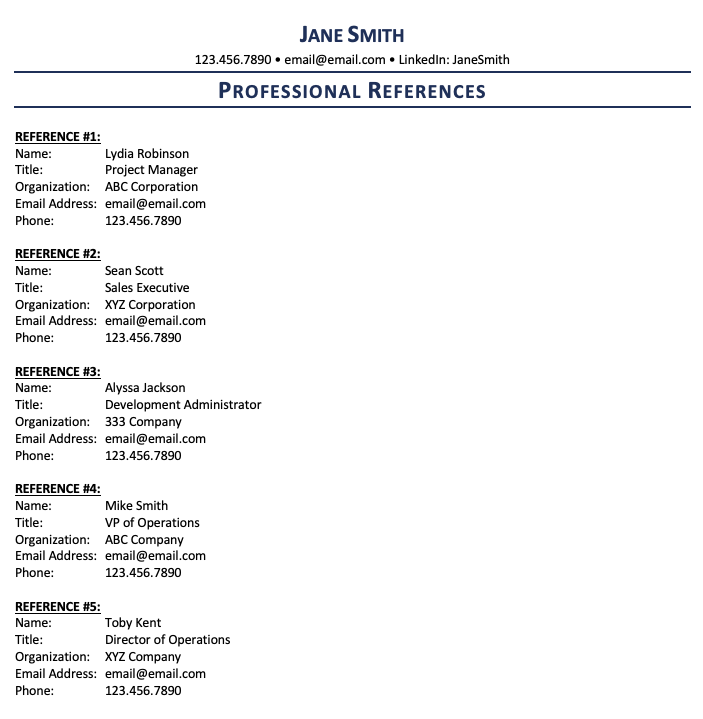
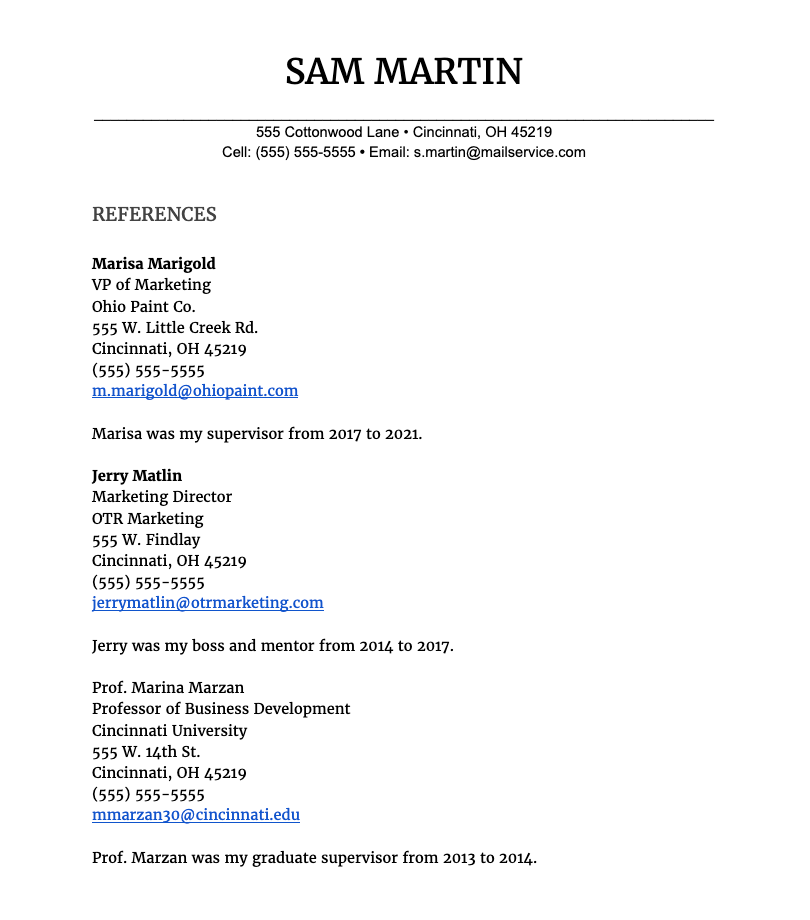
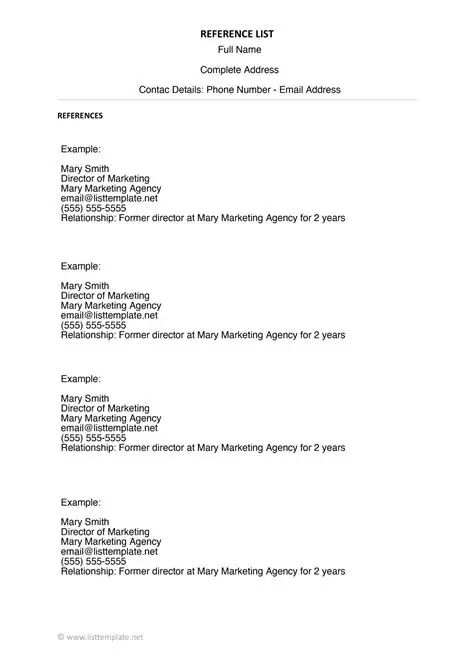
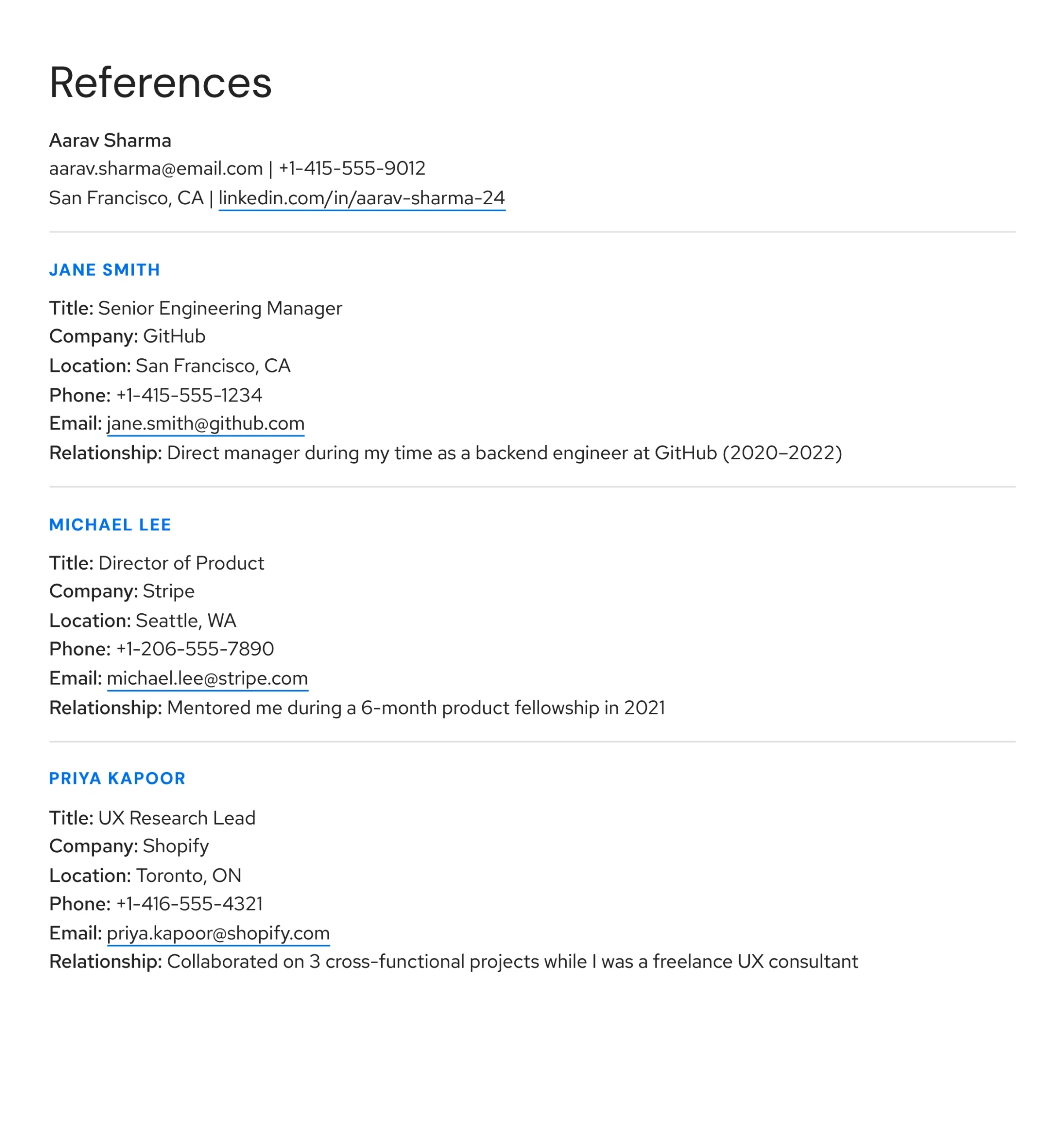
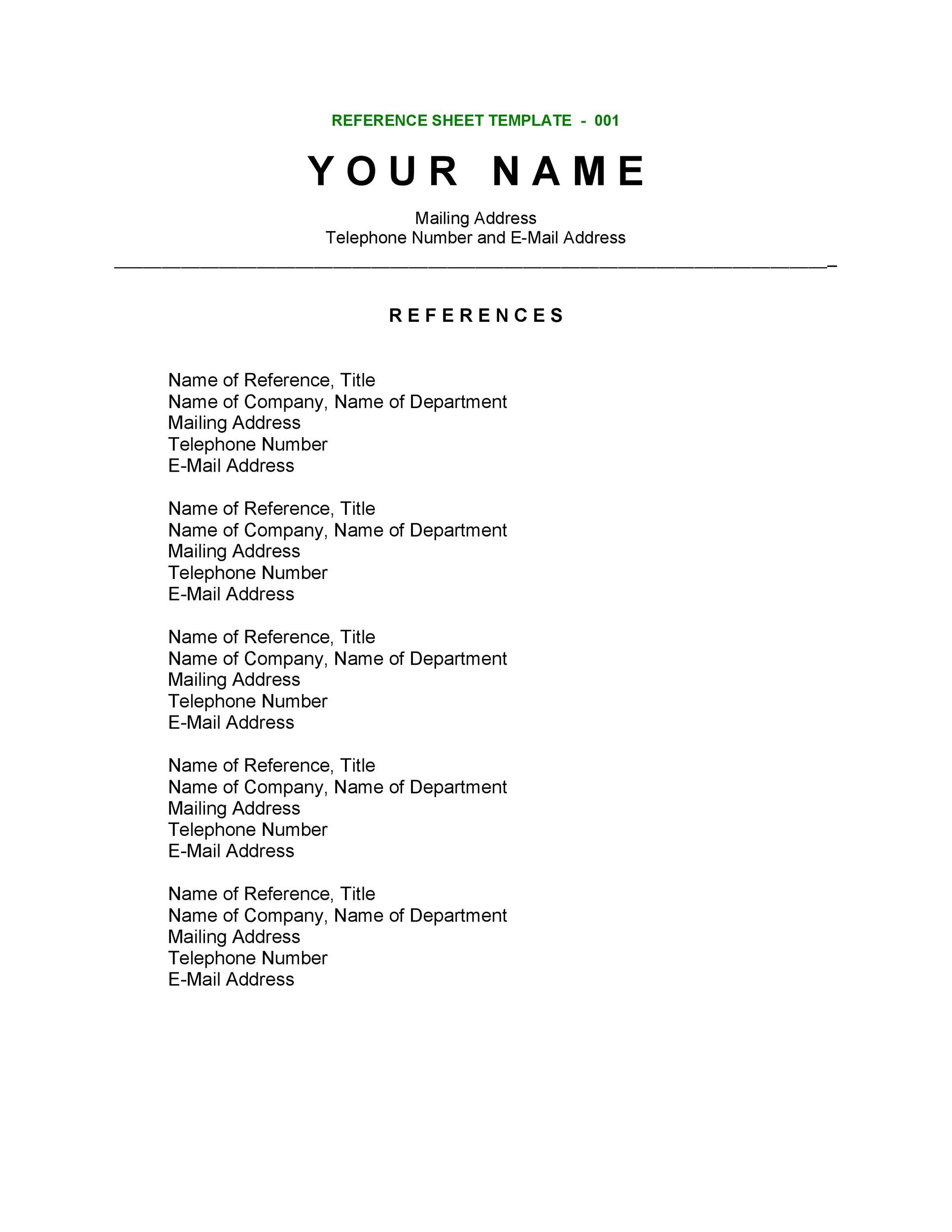
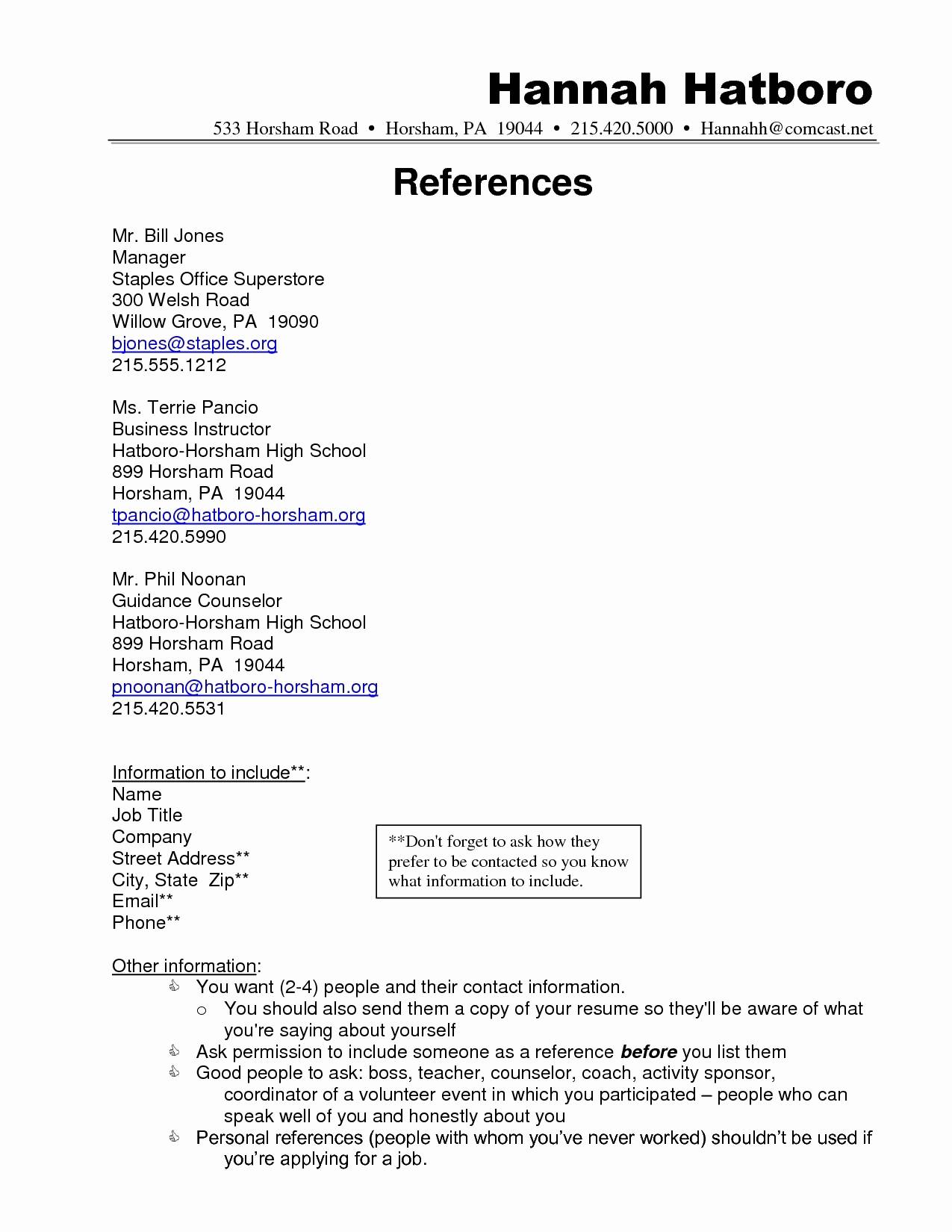
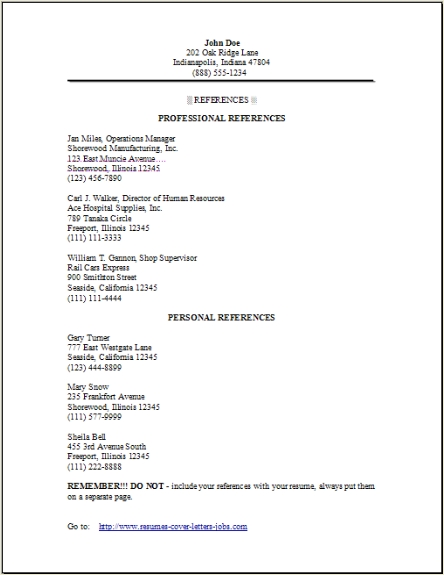
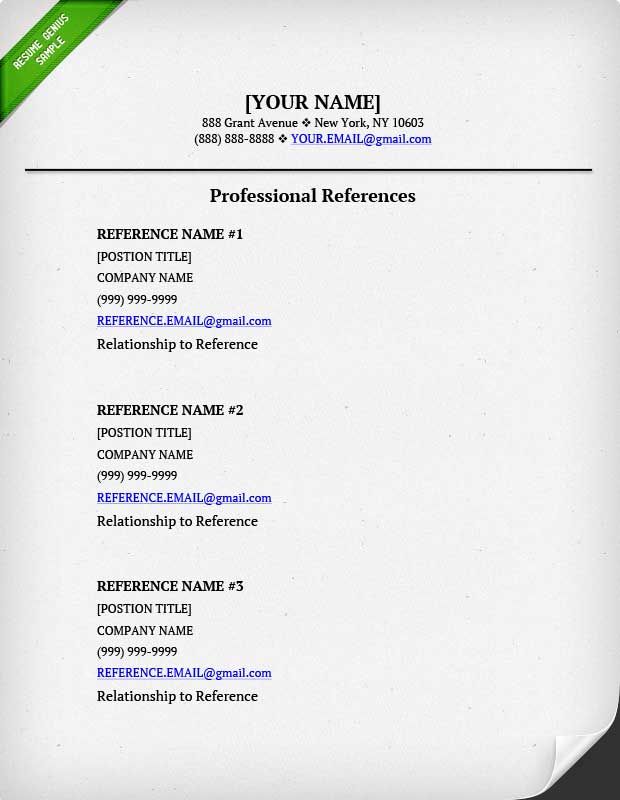
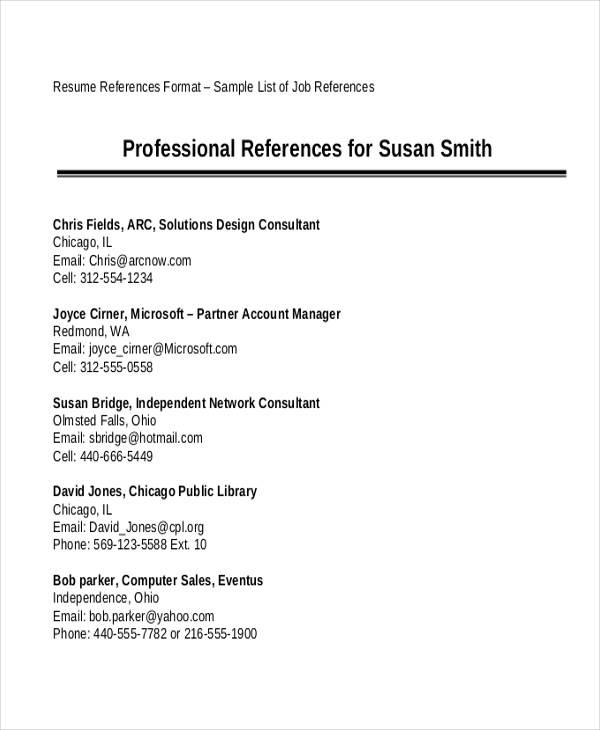
When it comes to listing references on your resume, there are a few key details to include:
- Name: Provide the full name of each reference.
- Title: Include the job title or position of each reference.
- Company: List the company or organization where each reference works.
- Contact Information: Include phone numbers and email addresses for each reference.
- Relationship: Briefly describe how you know each reference (e.g., former supervisor, colleague, mentor).
Examples
How to Choose the Right References
When selecting references for your resume, consider the following:
- Relevance: Choose references who can speak to your qualifications for the specific job you are applying for.
- Professionalism: Select references who can provide professional insight into your work performance.
- Trustworthiness: Ensure that your references are reliable and will speak positively about you.
Tips for Maximizing Your Resume References
Here are some tips for making the most out of your resume references:
- Notify Your References: Always ask for permission before listing someone as a reference and inform them when you are actively job searching.
- Keep Your References Informed: Provide your references with a copy of your resume and the job description to help them prepare for potential inquiries.
- Follow Up: After interviews, thank your references for their support and let them know how things went.
Conclusion
While resume references may not be the first thing employers look at, they can make a significant impact on your job search. By carefully selecting and preparing your references, you can boost your chances of landing that coveted position. Remember to choose references who can speak to your strengths and accomplishments, and always keep them informed throughout the hiring process. With the right references by your side, you’ll be one step closer to securing your next career opportunity.
Resume References Template – Download

- Free Roommate Agreement Template (Word) - September 28, 2026
- Free Printable Wedding Card Template - September 28, 2026
- Free Printable Wedding Schedule Template - September 28, 2026
