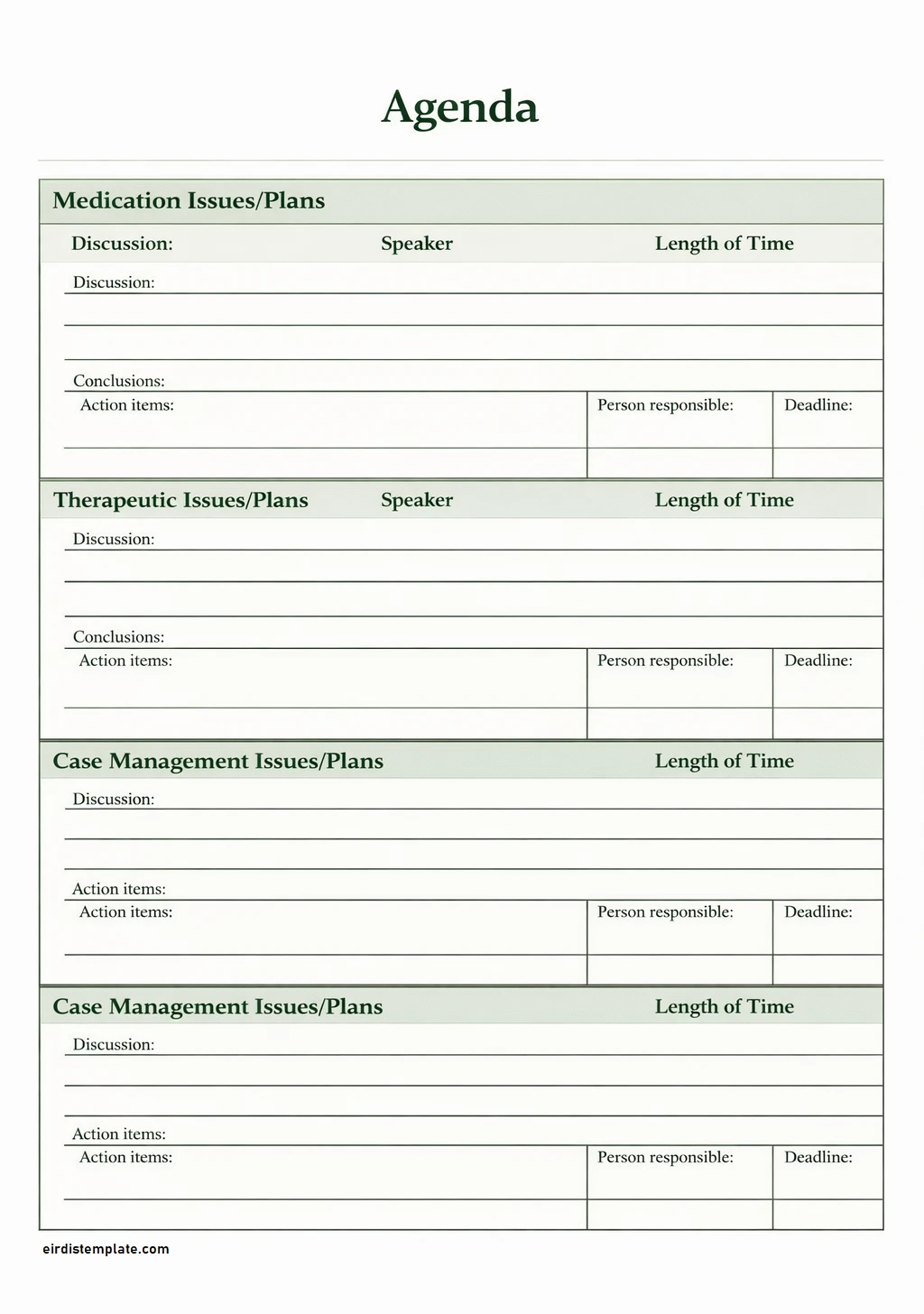
Meetings are an essential part of any organization’s communication and decision-making process. However, without a clear agenda, meetings can quickly become unproductive and inefficient. A meeting agenda serves as a roadmap for the discussion, ensuring that all key topics are covered and that participants stay on track.
In this comprehensive guide, we will delve into the what, why, and how of meeting agendas, as well as provide tips for successful meeting management.
What is a Meeting Agenda?
A meeting agenda is a document that outlines the topics to be discussed during a meeting. It serves as a guide for both the meeting facilitator and participants, ensuring that everyone is on the same page and that the meeting stays focused and productive.
A well-crafted meeting agenda includes the meeting date, time, location, list of topics or agenda items, and the names of participants or presenters.
Why Use a Meeting Agenda?
There are several benefits to using a meeting agenda:
- Efficiency: A clear agenda helps keep the meeting on track and ensures that all key topics are covered on time.
- Focus: An agenda helps participants stay focused on the main objectives of the meeting and prevents off-topic discussions.
- Preparation: By providing an agenda ahead of time, participants can come prepared with any necessary information or materials.
- Accountability: An agenda sets expectations for what will be discussed and helps hold participants accountable for their contributions.
What to Include in a Meeting Agenda
A well-structured meeting agenda typically includes the following components:
- Meeting Details: Date, time, location, and duration of the meeting.
- Agenda Items: List of topics to be discussed, in chronological order.
- Presenters: Names of individuals responsible for leading each agenda item.
- Time Allocations: Estimated time for each agenda item to ensure the meeting stays on schedule.
- Goals/Objectives: Clear objectives for each agenda item to guide the discussion.
How to Create a Meeting Agenda
Creating a meeting agenda is a straightforward process that involves the following steps:
- Identify Objectives: Determine the purpose of the meeting and the key topics to be discussed.
- Sequence Topics: Arrange agenda items in a logical order to ensure a smooth flow of discussion.
- Assign Time Limits: Allocate time for each agenda item based on its importance and complexity.
- Distribute Agenda: Share the agenda with participants well in advance to allow for preparation.
- Review and Revise: Continuously evaluate and update the agenda to reflect changing priorities or new information.
Tips for Successful Meeting Agendas
Here are some tips to help you create and execute effective meeting agendas:
- Set Clear Objectives: Clearly define the purpose of the meeting and what you hope to achieve.
- Limit the Agenda: Keep the agenda concise and focused to avoid overwhelming participants.
- Include Breaks: Schedule short breaks in longer meetings to allow participants to recharge.
- Encourage Participation: Create opportunities for all participants to contribute and share their perspectives.
- Follow Up: After the meeting, send out meeting minutes or action items to ensure follow-through on decisions made.
Conclusion
A well-crafted meeting agenda is a critical tool for ensuring that meetings are productive, efficient, and focused. By following the guidelines and tips outlined in this guide, you can create and execute successful meeting agendas that drive meaningful discussions and decision-making.
Remember, a little planning goes a long way in making your meetings more effective and valuable for all participants.
Meeting Agenda Template – Free Download

- Free Printable Meeting Agenda Template - April 13, 2026
- Free Editable Meeting Minutes Template - April 9, 2026
- Free Printable Mileage Log Template - April 8, 2026
