What is a Literature Review?
A literature review is a critical analysis and synthesis of existing research on a particular topic. It involves evaluating, summarizing, and organizing the relevant literature to provide a comprehensive overview of the field.
A well-executed literature review demonstrates the researcher’s understanding of the subject matter and identifies gaps or areas for further investigation.
The Purpose of a Literature Review
The primary purpose of a literature review is to provide a critical overview of the current state of knowledge on a particular topic. By synthesizing existing research, a literature review helps researchers identify key themes, trends, and debates in the field. It also helps establish the theoretical framework for a study and provides a foundation for further research.
Establishing the Context
One of the key functions of a literature review is to establish the context for the research study. By reviewing existing literature, researchers can identify the key concepts, theories, and methodologies that have shaped the field. This contextualization helps researchers position their study within the broader academic discourse and demonstrate the relevance of their research question.
Furthermore, by providing a historical overview of the development of the field, a literature review can help researchers trace the evolution of ideas and identify key contributors to the body of knowledge. This historical context can inform the theoretical framework of the study and highlight areas where further research is needed to address gaps in the literature.
Identifying Gaps in the Literature
Another important purpose of a literature review is to identify gaps in the existing literature. By critically evaluating previous studies, researchers can pinpoint areas where further research is needed to address unanswered questions or unresolved issues. This gap analysis can help researchers refine their research question and focus their study on areas that have not been adequately explored.
Identifying gaps in the literature also allows researchers to position their study within a broader academic conversation and demonstrate the novelty and significance of their research. By highlighting areas where existing research is lacking, researchers can make a compelling case for the importance of their study and the potential contributions it can make to the field.
Building a Theoretical Framework
A literature review also plays a crucial role in building the theoretical framework for a research study. By synthesizing existing theories, concepts, and findings, researchers can develop a solid foundation for their study and establish the theoretical underpinnings of their research question. This theoretical framework helps guide the research design, data analysis, and interpretation of findings.
Furthermore, by integrating multiple perspectives and theories from the literature, researchers can develop a more nuanced and comprehensive understanding of the research topic. This multidimensional approach can lead to richer insights and more robust conclusions, enhancing the overall quality and impact of the study.
How To Structure Your Literature Review For Success
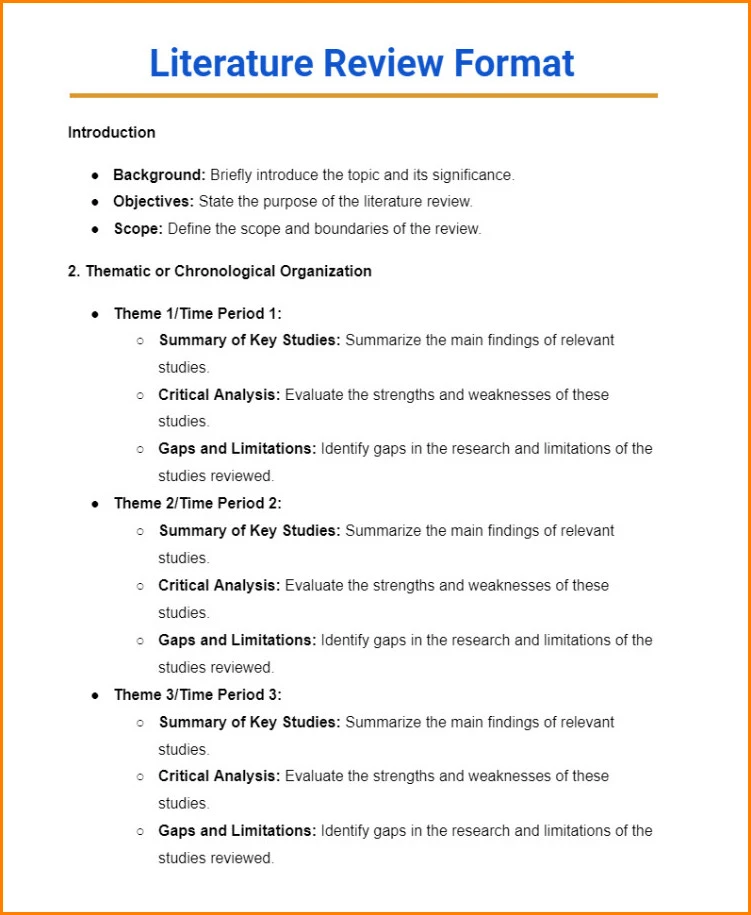
When structuring a literature review, it is important to follow a clear and logical framework. A well-organized literature review will help readers understand the key concepts and arguments in the field. Here are some tips for structuring your literature review:
Introduction
The introduction of a literature review should provide an overview of the topic and explain the significance of the research. It should clearly define the research question or objective of the literature review and outline the scope of the study. The introduction sets the stage for the rest of the literature review and helps orient readers to the key themes and arguments that will be discussed.
Additionally, the introduction should include a brief overview of the structure of the literature review, outlining the main sections and themes that will be covered. This roadmap helps readers navigate the review and understand how different parts of the literature are connected.
Body
The body of a literature review should be organized into coherent sections based on themes, concepts, or methodologies. Each section should focus on a specific aspect of the research topic and present a critical analysis of the relevant literature. By grouping sources based on common themes or key ideas, researchers can create a cohesive narrative that highlights the key debates and trends in the field.
Within each section, researchers should provide a summary of the main findings from the literature and critically evaluate the strengths and weaknesses of each source. By comparing and contrasting different perspectives and methodologies, researchers can identify patterns, contradictions, and gaps in the existing literature. This analysis helps build a coherent argument and demonstrates the researcher’s understanding of the complexities of the field.
Conclusion
The conclusion of a literature review should summarize the key findings from the review and identify areas for further research. It should reiterate the main arguments and themes discussed in the body of the review and reflect on the significance of the research question. The conclusion should also highlight any limitations of the literature review and suggest avenues for future exploration.
Additionally, the conclusion should offer a synthesis of the literature, drawing connections between different sources and identifying overarching trends in the field. By synthesizing the key findings from the review, researchers can provide a comprehensive overview of the current state of knowledge and set the stage for future research directions.
Keep This Checklist Handy Before Writing Your Literature Review
Before you start writing your literature review, it’s important to consider some key factors. Here are some things to keep in mind:
Define Your Research Question
Clearly defining your research question is essential for conducting a focused and effective literature review. Your research question should be specific, concise, and relevant to your field of study. It should guide your search for relevant sources and help you stay on track as you analyze the existing literature.
When defining your research question, consider the aims and objectives of your study and how your research fits within the broader academic discourse. Think about the key concepts and themes you want to explore and how they relate to your research question. By clearly articulating your research question, you can ensure that your literature review remains focused and coherent.
Select Relevant Sources
Choosing the right sources is crucial for conducting a comprehensive literature review. Select sources that are authoritative, up-to-date, and directly relevant to your research topic. Consider using academic databases, libraries, and other resources to gather a diverse range of sources that offer different perspectives on the topic.
When selecting sources, pay attention to the credibility and reliability of the information. Look for peer-reviewed articles, books by reputable authors, and other scholarly publications that contribute to the academic conversation. By choosing high-quality sources, you can ensure the validity and rigor of your literature review.
Critically Evaluate the Literature
Once you have gathered a range of sources, it’s important to critically evaluate each one to assess its strengths and weaknesses. Consider the methodology, data collection techniques, and findings of each study to determine its relevance to your research question. Analyze the theoretical frameworks and perspectives of the sources to identify common themes and divergent viewpoints.
When evaluating the literature, think about how each source contributes to your understanding of the research topic and how it aligns with your research question. Consider the implications of the findings, any limitations of the study, and areas where further research is needed to address gaps in the literature. By critically evaluating the strengths and weaknesses of each source, you can build a solid foundation for your literature review and ensure that your analysis is comprehensive and nuanced.
Organize Your Review
Organizing your literature review is crucial for presenting your analysis clearly and logically. Structure your review into coherent sections based on themes, concepts, or methodologies to help readers follow your argument. By grouping sources with similar ideas or findings together, you can create a cohesive narrative that highlights key trends and debates in the field.
Within each section, provide a brief introduction that outlines the main themes or concepts you will be discussing. Then, summarize the key findings from each source, critically evaluate the strengths and weaknesses of the research, and draw connections between different studies. By structuring your review in this way, you can present a well-rounded analysis that demonstrates your understanding of the subject matter.
Engage With the Literature
Engaging with the existing research is essential for demonstrating your critical thinking and analytical skills. Offer your own insights, interpretations, and evaluations of the sources to show how they contribute to your understanding of the research topic. Analyze the implications of the findings, identify areas for further research, and reflect on the limitations of the existing literature.
When engaging with the literature, consider how the different sources relate to each other and where they diverge in their findings or interpretations. By offering your own perspective on the research, you can add depth and complexity to your literature review and demonstrate your ability to think critically about the field.
Use a Consistent Writing Style
Maintaining a consistent writing style throughout your literature review is important for enhancing readability and comprehension. Use clear, concise language to convey your ideas and avoid jargon or overly complex terminology that may confuse readers. Ensure that your writing flows logically from one point to the next and that your arguments are well-supported by evidence from the literature.
Additionally, pay attention to the structure and organization of your review, using headings, subheadings, and transitions to guide readers through your analysis. By presenting your ideas in a coherent and organized manner, you can make it easier for readers to follow your argument and understand the key points you are making.
Conclusion
In conclusion, a literature review is a critical component of any research project that helps establish the context for original research and identify gaps in the existing literature. By synthesizing and critically evaluating previous studies, researchers can develop a comprehensive understanding of the current state of knowledge on a particular topic and contribute new insights to the field.
When conducting a literature review, it is important to define your research question, select relevant sources, critically evaluate the literature, organize your review effectively, and engage with the existing research. By following these steps and keeping the checklist in mind, you can write a successful literature review that showcases your understanding of the field and establishes the foundation for your research.
Remember, a literature review is not just a summary of existing research but a critical analysis that demonstrates your intellectual engagement with the subject matter. By approaching your literature review with curiosity, rigor, and attention to detail, you can produce a compelling piece of research that contributes to the scholarly conversation on your chosen topic.
Literature Review Template – DOWNLOAD

- Free Editable Nursing Resume Template (Word) - February 23, 2026
- Motor Vehicle Bill of Sale Template - February 20, 2026
- Mutual Confidentiality Agreement Template - February 19, 2026
