In the world of business and academia, the letter of transmittal plays a crucial role in introducing and contextualizing the delivery of a larger document or object. It serves as a cover letter that provides the recipient with a clear understanding of the accompanying material’s purpose, relevance, and how it should be used.
Essentially, it acts as a bridge between the sender and the recipient, ensuring that the intent behind the attached document is communicated effectively.
Let’s delve deeper into the world of the letter of transmittal and uncover its significance.
What Is a Letter of Transmittal?
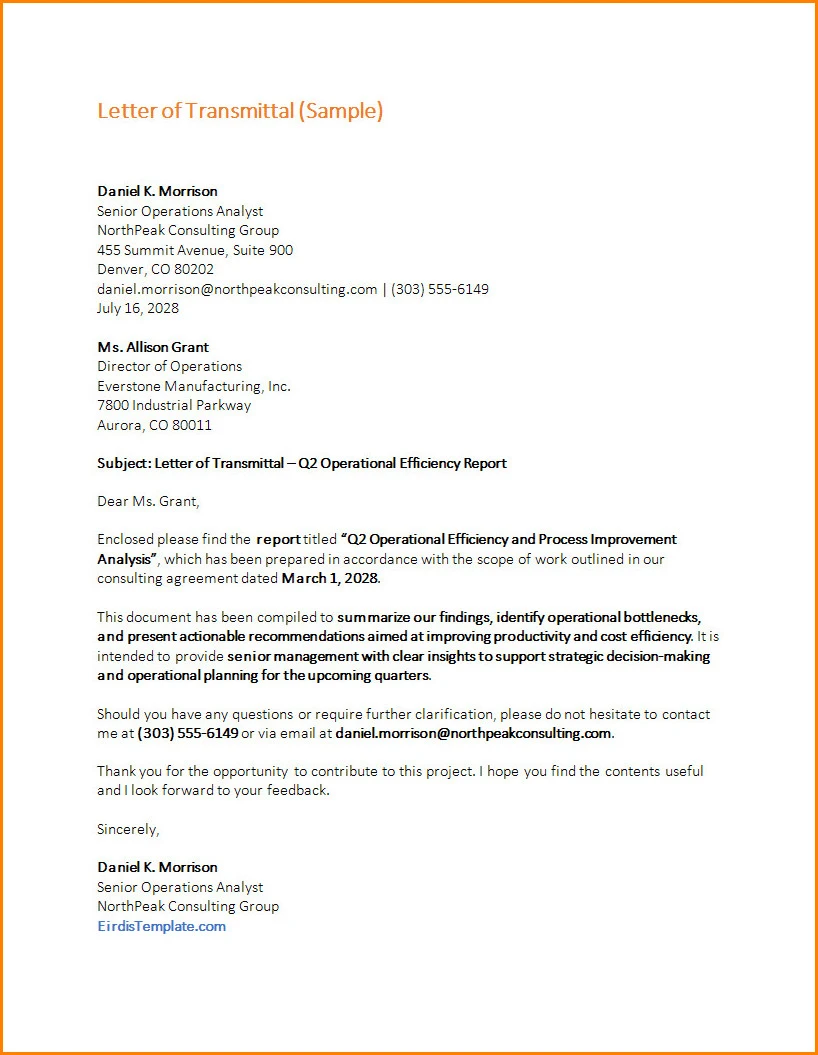
A letter of transmittal is a formal document that accompanies a larger document or object being sent from one party to another. It provides essential information about the enclosed material, such as the purpose of the document, any specific instructions for its use, and the context in which it should be understood.
This letter is typically concise and to the point, serving as a guide for the recipient to navigate through the attached material.
What is the Purpose of a Letter of Transmittal?
The primary purpose of a letter of transmittal is to introduce the recipient to the enclosed material and provide them with a clear understanding of its purpose and relevance.
By including key information such as the sender’s intent, the context of the attached document, and any specific instructions for use, the letter of transmittal ensures that the recipient can make the most of the enclosed material. It acts as a formal way to communicate the sender’s intentions and set the tone for the document or object being delivered.
How is a Letter of Transmittal Used?
A letter of transmittal is commonly used in various industries and fields, including business, academia, and government.
Business Applications
In the business world, a letter of transmittal is frequently used to accompany important documents such as business proposals, contracts, and financial reports. These letters provide the recipient with a summary of the enclosed material, key points to focus on, and any specific actions that need to be taken. By including a letter of transmittal, businesses can ensure that their messages are communicated clearly and that recipients have all the information they need to make informed decisions.
Academic Use
In academia, a letter of transmittal is often used to introduce research papers, thesis proposals, and other scholarly works. These letters provide a brief overview of the research conducted, the methodology used, and the significance of the findings. By including a letter of transmittal, researchers can contextualize their work and help reviewers understand the purpose and scope of the study. This can lead to more effective feedback and a better understanding of the research presented.
Government and Legal Documents
In government and legal settings, a letter of transmittal is essential for introducing official documents, legislation, and policy proposals. These letters provide context for the enclosed material, explain the rationale behind the proposed actions, and outline any implications for stakeholders. By including a letter of transmittal, government agencies and legal entities can ensure that their messages are conveyed clearly and that recipients understand the significance of the documents being shared.
Personal and Informal Use
A letter of transmittal is not limited to formal settings and can also be used in personal and informal contexts. For example, individuals may include a letter of transmittal when sharing creative works, personal projects, or gift items with friends or family members. These letters can provide a personal touch to the exchange and help recipients understand the sentiment behind the shared material. By including a letter of transmittal, individuals can communicate their intentions and create a more meaningful connection with the recipient.
Benefits of Using a Letter of Transmittal
- Clarity: A letter of transmittal helps to clarify the purpose and context of the enclosed material, ensuring that the recipient understands its significance.
- Professionalism: By including a formal cover letter, the sender demonstrates professionalism and attention to detail in their communication.
- Guidance: The letter of transmittal provides guidance to the recipient on how to use the enclosed material, making it easier for them to navigate through the document.
- Documentation: The letter of transmittal serves as a written record of the sender’s intent and the context of the attached document, providing a reference point for future communication.
- Enhanced Communication: By including a letter of transmittal, the sender can ensure that their message is conveyed clearly and effectively to the recipient, leading to better understanding and collaboration.
When to Use a Letter of Transmittal?
A letter of transmittal should be used whenever a larger document or object is being sent from one party to another and requires additional context or guidance for the recipient. It is particularly useful in situations where the enclosed material may be complex or unfamiliar to the recipient, or when specific instructions need to be provided for its use.
By including a letter of transmittal, the sender can ensure that the recipient has all the information they need to make sense of the attached document and use it effectively.
How to Write a Letter of Transmittal
Writing a letter of transmittal requires careful attention to detail and clarity to ensure that the recipient understands the purpose and context of the enclosed material. Here are some key steps to follow when writing a letter of transmittal:
Start with a Clear Introduction
Begin the letter with a clear and concise introduction that states the purpose of the letter and identifies the enclosed material. This introduction sets the tone for the rest of the letter and should grab the recipient’s attention from the start. Clearly state why the document or object is being sent and what the sender hopes to achieve by sharing it.
Provide Relevant Background Information
Include relevant background information on the sender, the recipient, and the context in which the enclosed material is being sent. This information can help the recipient better understand the significance of the material and the relationship between the parties involved. Provide any necessary context that will help the recipient interpret the enclosed material correctly.
Explain the Significance of the Enclosed Material
Clearly explain the significance of the enclosed material and why it is being sent to the recipient. Highlight key points, important findings, or critical information that the recipient should pay attention to. By explaining the value of the material, you can ensure that the recipient understands its importance and relevance to them.
Include Specific Instructions or Guidelines
If there are specific instructions or guidelines for using the attached document or object, be sure to include them in the letter of transmittal. This can help the recipient navigate through the material more effectively and ensure that they are able to make the most of the information presented. Provide clear, actionable guidance that the recipient can follow.
Express Gratitude to the Recipient
Show appreciation to the recipient for taking the time to review the enclosed material. Express gratitude for their attention and offer assistance if needed. By showing appreciation for the recipient’s time and attention, you can build a positive relationship and create a more engaging exchange of information.
End with a Professional Closing
End the letter with a professional closing that summarizes the main points and reinforces the sender’s intent. Sign off with a formal closing, such as “Sincerely” or “Best regards,” followed by your name and contact information. This closing provides a sense of closure to the letter and leaves a lasting impression on the recipient.
Common Mistakes to Avoid
Avoiding Vagueness and Ambiguity
One common mistake to avoid when writing a letter of transmittal is being vague or ambiguous in your communication. It’s important to clearly communicate the purpose and context of the enclosed material to ensure that the recipient understands the message. Avoid using vague language or leaving out important details that could cause confusion or misinterpretation.
Ensuring Inclusion of Relevant Information
Another mistake to avoid is failing to include all relevant details in the letter of transmittal. Make sure that you provide the recipient with all necessary information, such as your contact information, any specific instructions, and background information on the enclosed material. Leaving out important details could lead to misunderstandings and hinder effective communication.
Attention to Formatting and Layout
Pay attention to the formatting and layout of your letter of transmittal to ensure that it is professional and easy to read. Use clear headings, bullet points, and spacing to organize your content logically. A well-formatted letter not only looks more professional but also makes it easier for the recipient to navigate through the information presented.
Simplicity in Language
Keep your language simple when writing a letter of transmittal. Avoid using overly complex or technical language that could confuse the recipient. Use clear and concise language to convey your message effectively and ensure that the recipient can easily understand the content of the letter.
Personalizing the Message
Make an effort to personalize the content of your letter of transmittal to suit the recipient’s needs and expectations. Address the recipient by name and tailor the content of the letter to reflect your relationship with them. Personalizing the message can create a more engaging and meaningful exchange of information between the sender and recipient.
Free Letter of Transmittal Template
A Letter of Transmittal helps you professionally accompany documents, reports, or materials being sent to a recipient. It provides a clear structure for explaining the purpose of the delivery, summarizing enclosed items, and offering any necessary instructions or context. With a well-designed template, you can ensure clear communication and maintain a polished, professional impression.
Download our Letter of Transmittal Template today to send documents clearly and professionally with confidence.
Letter of Transmittal Template – DOWNLOAD

- Free Printable Monthly Schedule Template - April 3, 2026
- Free Printable Monthly Meal Planner Template - April 1, 2026
- Printable Monthly Work Schedule Template - March 30, 2026
