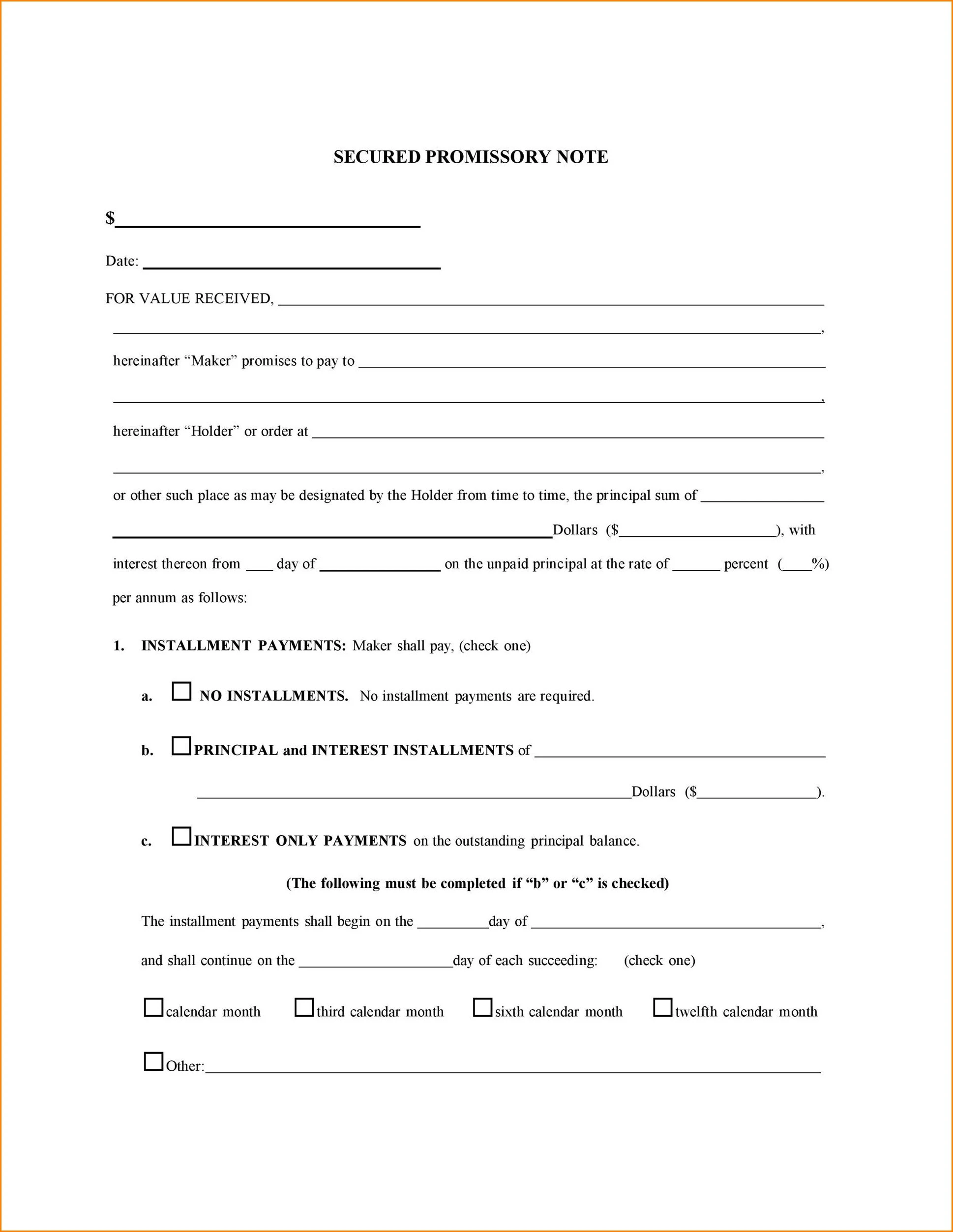
Promissory agreements are commonly used in various legal and financial transactions. But what exactly is a promissory agreement? Why do people use them? And what should you include in one?
In this article, we will delve into the nitty-gritty details of promissory agreements and provide you with a comprehensive guide on how to create one effectively.
What is a Promissory Agreement?
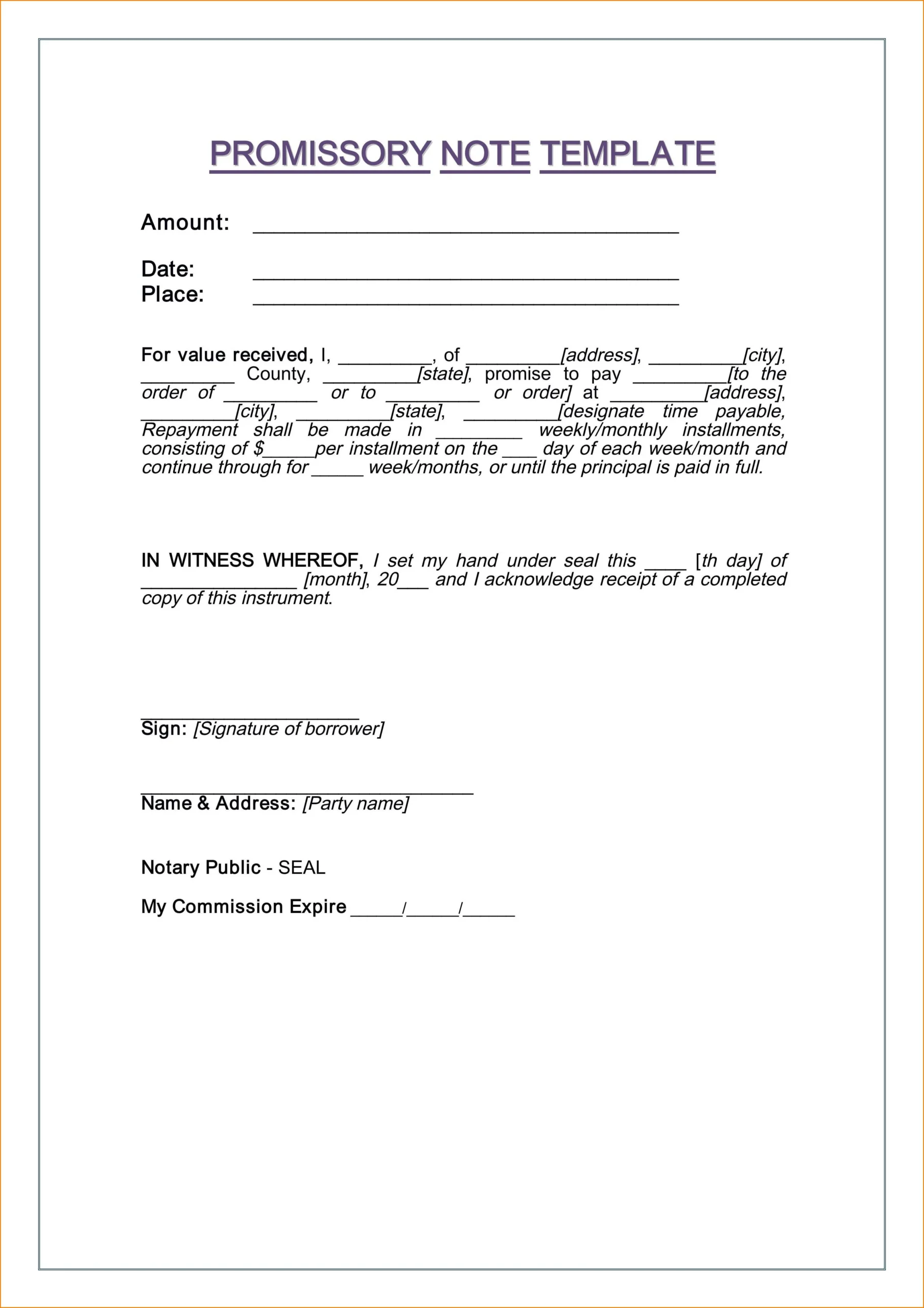
A promissory agreement, also known as a promissory note, is a legally binding document in which one party promises to pay a specific sum of money to another party at a predetermined time. These agreements are commonly used in situations where one party is borrowing money from another, such as in personal loans, business transactions, or real estate deals.
Promissory agreements typically include essential details such as the names of the parties involved, the amount of money being borrowed, the repayment terms, and any applicable interest rates. By signing a promissory agreement, both parties legally commit to fulfilling their obligations as outlined in the document.
Why Use a Promissory Agreement?
There are several reasons why people use promissory agreements in various transactions. One of the primary benefits of a promissory agreement is that it provides clarity and security for both parties involved. By clearly outlining the terms of the loan and repayment schedule, a promissory agreement helps prevent misunderstandings and disputes down the line.
Another reason to use a promissory agreement is that it provides legal protection for the lender in case the borrower fails to repay the loan as agreed. In such situations, the lender can use the promissory agreement as evidence in a legal dispute to seek repayment of the outstanding amount.
What to Include in a Promissory Agreement
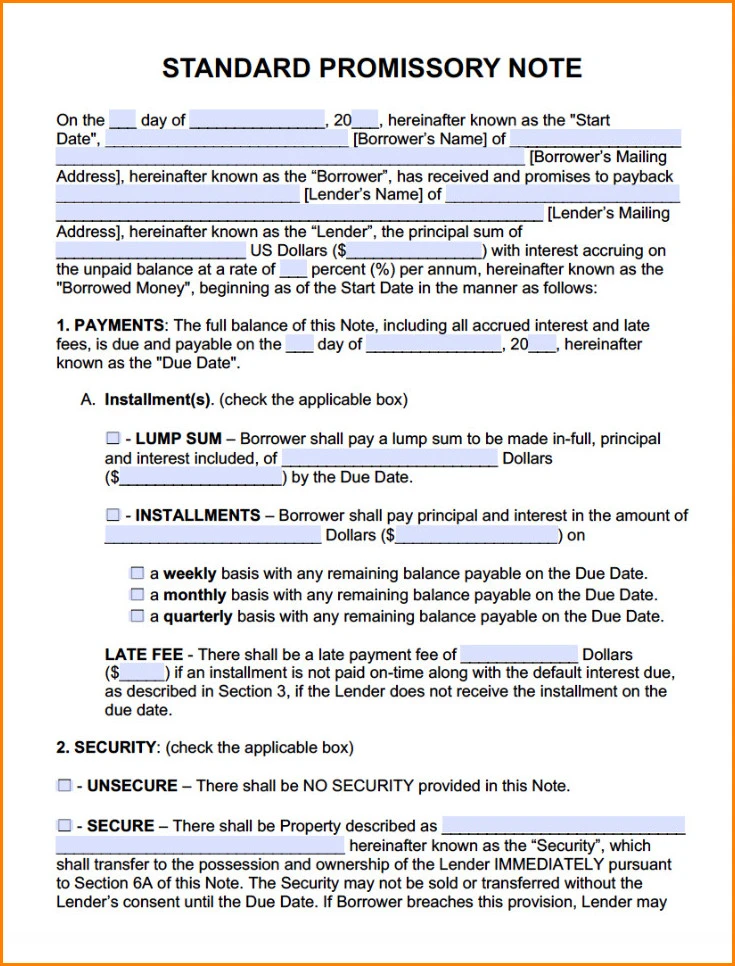
When creating a promissory agreement, it is essential to include specific details to ensure the document is legally enforceable. Here are some key elements to include in a promissory agreement:
- Names of the Parties: Include the full legal names of both the borrower and the lender.
- Loan Amount: Clearly state the amount of money being borrowed.
- Repayment Terms: Outline the repayment schedule, including the frequency of payments and the due dates.
- Interest Rate: Specify if any interest will be charged on the loan amount.
- Default Terms: Detail what happens if the borrower fails to repay the loan as agreed.
- Signatures: Both parties should sign the promissory agreement to make it legally binding.
How to Create a Promissory Agreement
Creating a promissory agreement is a straightforward process, but it is essential to ensure all necessary details are included to avoid any potential issues in the future. Here are the steps to follow when creating a promissory agreement:
1. Begin by identifying the parties involved and clearly stating their full legal names.
2. Specify the loan amount and the repayment terms, including the interest rate (if applicable).
3. Outline any default terms and consequences for non-payment.
4. Include any additional terms or conditions that both parties agree upon.
5. Have both parties sign the promissory agreement to make it legally binding.
6. Keep a copy of the signed agreement for your records.
Tips for Using a Promissory Agreement
When using a promissory agreement, it is essential to follow these tips to ensure a smooth and successful transaction:
- Be Clear and Specific: Make sure all terms and conditions are clearly outlined in the agreement to avoid any misunderstandings.
- Seek Legal Advice: If you are unsure about any aspect of the promissory agreement, consult with a legal professional for guidance.
- Keep Records: Keep copies of all signed agreements and payment receipts for your records.
- Communicate Openly: Maintain open communication with the other party throughout the duration of the agreement.
- Follow Through: Ensure both parties adhere to the terms of the agreement to avoid any potential disputes.
- Review Periodically: Periodically review the terms of the agreement to ensure it still meets the needs of both parties.
- Update as Needed: If there are any changes or modifications to the agreement, make sure to update the document accordingly.
In Conclusion
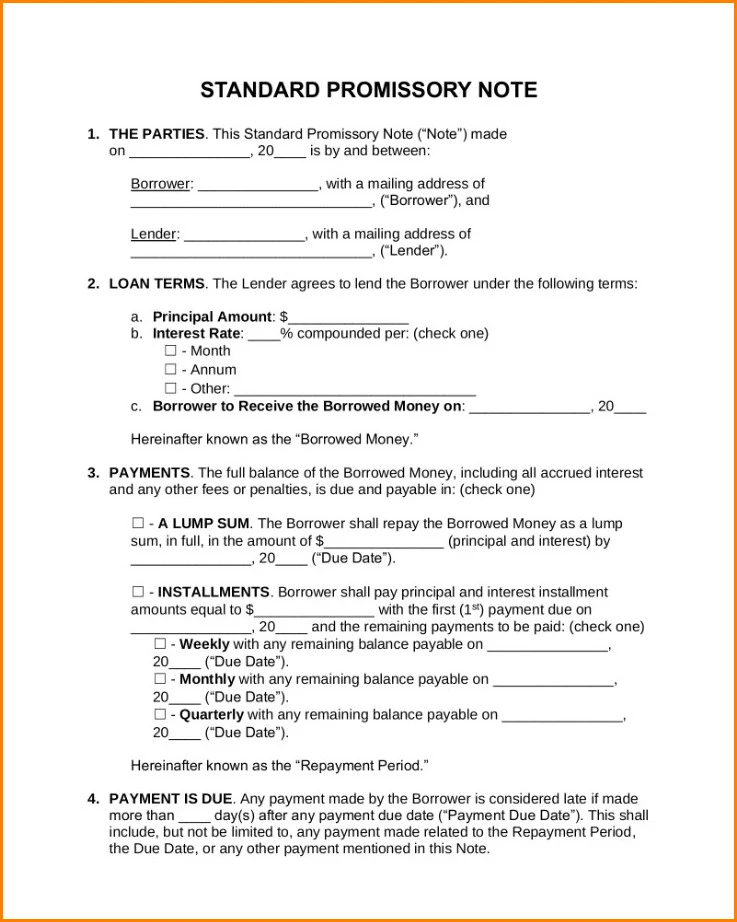
Promissory agreements are essential documents that provide clarity and security in various financial transactions. By understanding what a promissory agreement is, why people use them, and what to include in one, you can create an effective and legally binding document for your specific needs. Remember to follow the tips outlined in this article to ensure a successful and smooth transaction for all parties involved.
Promissory Agreement Template – Word

- Free Printable T-Chart Template - September 12, 2026
- Free Printable Wanted Poster Template - September 12, 2026
- Surprise Party Invitation Template - September 12, 2026
