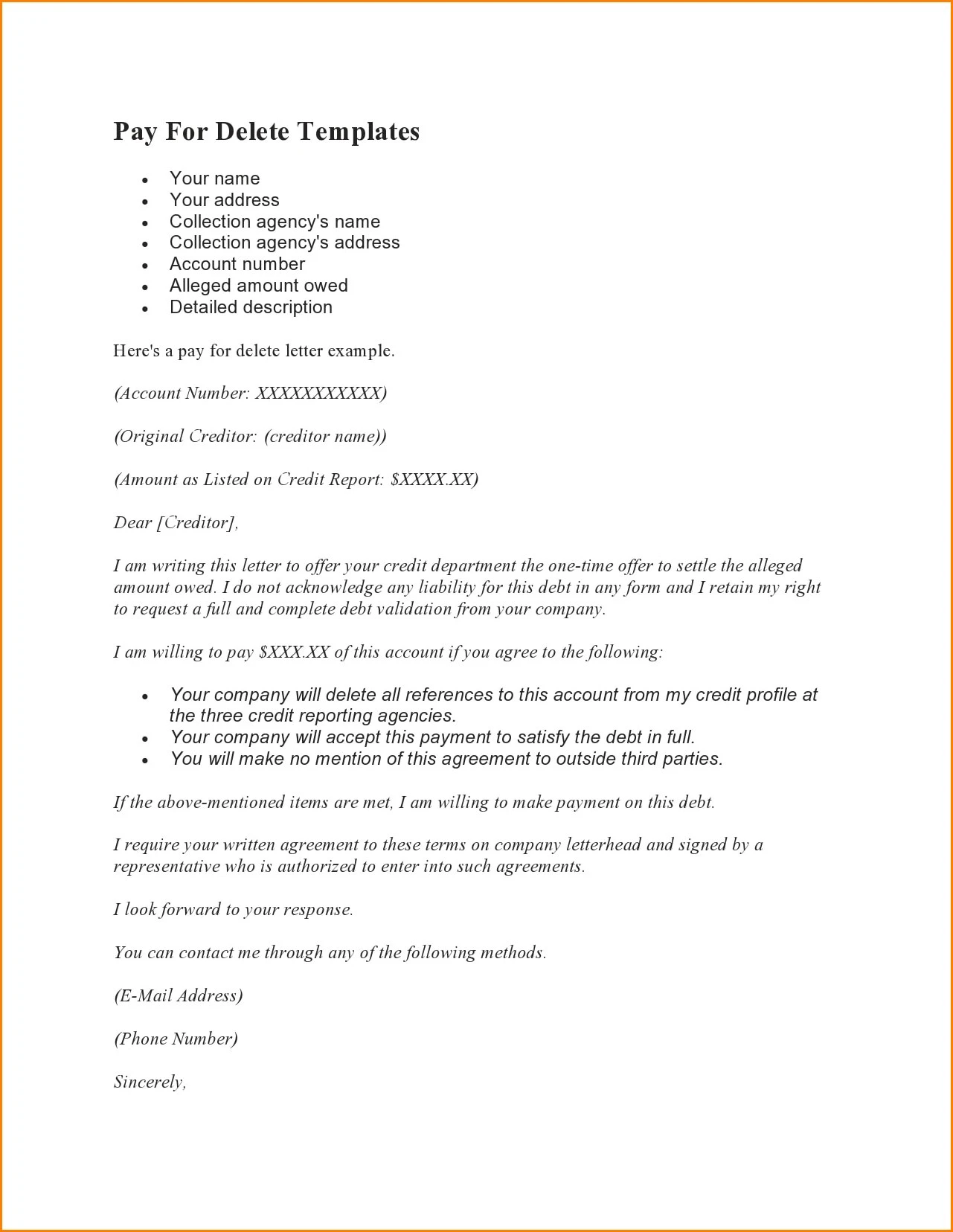
Have you ever found yourself in a situation where you have a negative item on your credit report that you want to get rid of? This is where pay-for-delete letters come into play.
In this comprehensive guide, we will explore what pay-for-delete letters are, why they are used, what to include in a pay-for-delete letter, how to send one, and some tips to increase your chances of success.
What is a Pay-For-Delete Letter?
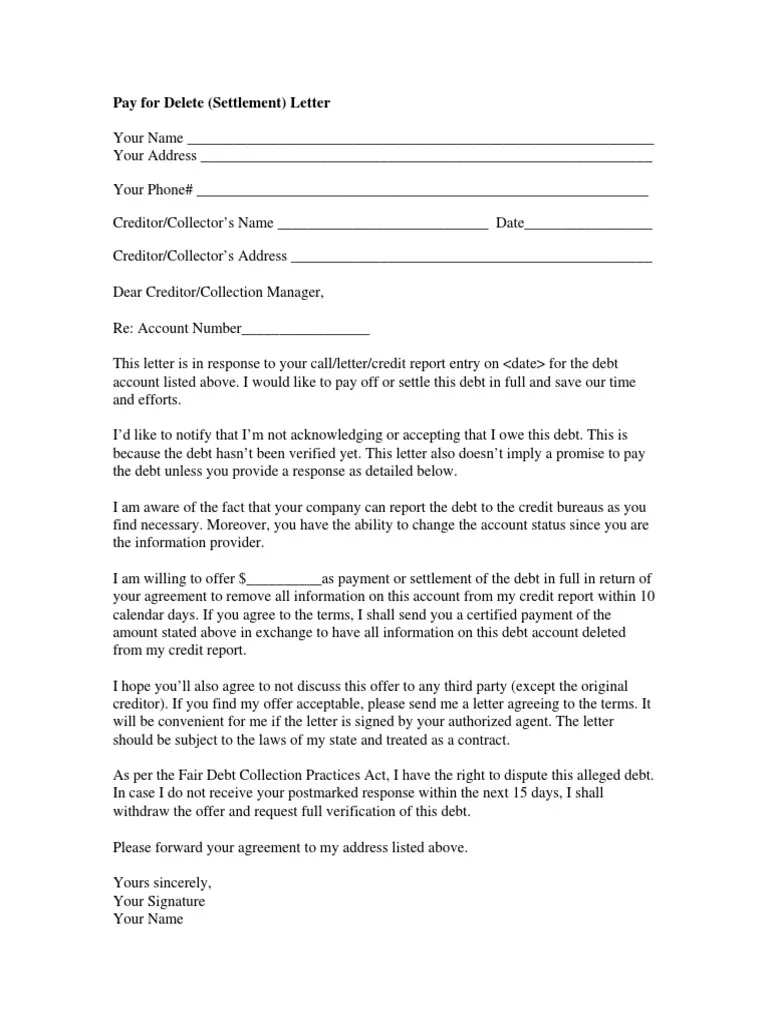
A pay-for-delete letter is a negotiation tool used with creditors or collection agencies to remove negative items from your credit report in exchange for payment. Essentially, you are proposing to pay the debt in full or for a reduced amount in return for the removal of the negative listing from your credit report.
While not all creditors or collection agencies will agree to this arrangement, it can be a useful strategy for improving your credit score.
Why Use a Pay-For-Delete Letter?
There are several reasons why you might consider using a pay-for-delete letter:
- Improve your credit score: Removing negative items from your credit report can help boost your score.
- Clean up your credit history: Having a clean credit report can make it easier to secure loans or credit in the future.
- Resolve outstanding debts: Paying off debts can provide peace of mind and financial stability.
What to Include in a Pay-For-Delete Letter
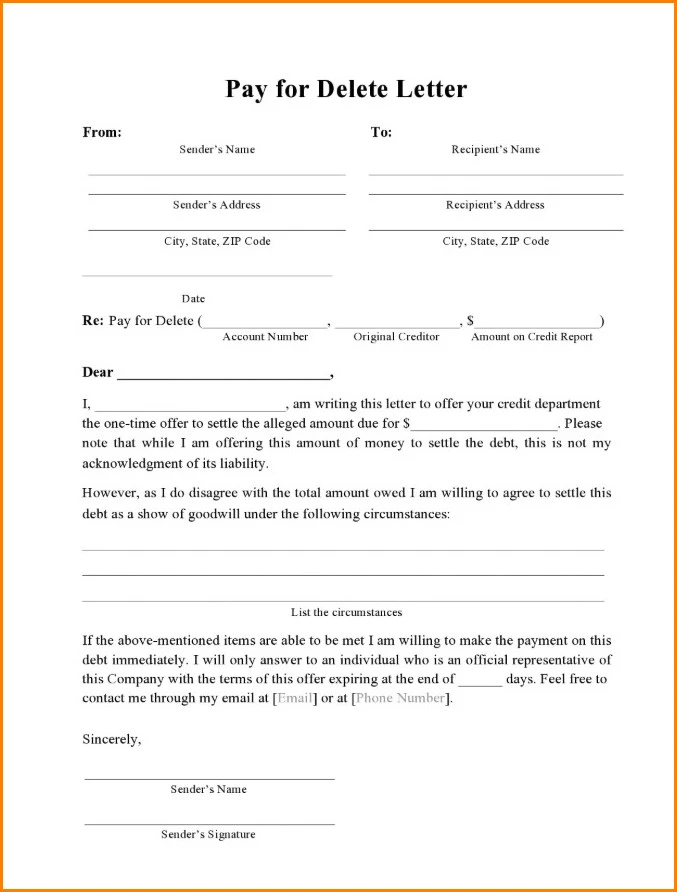
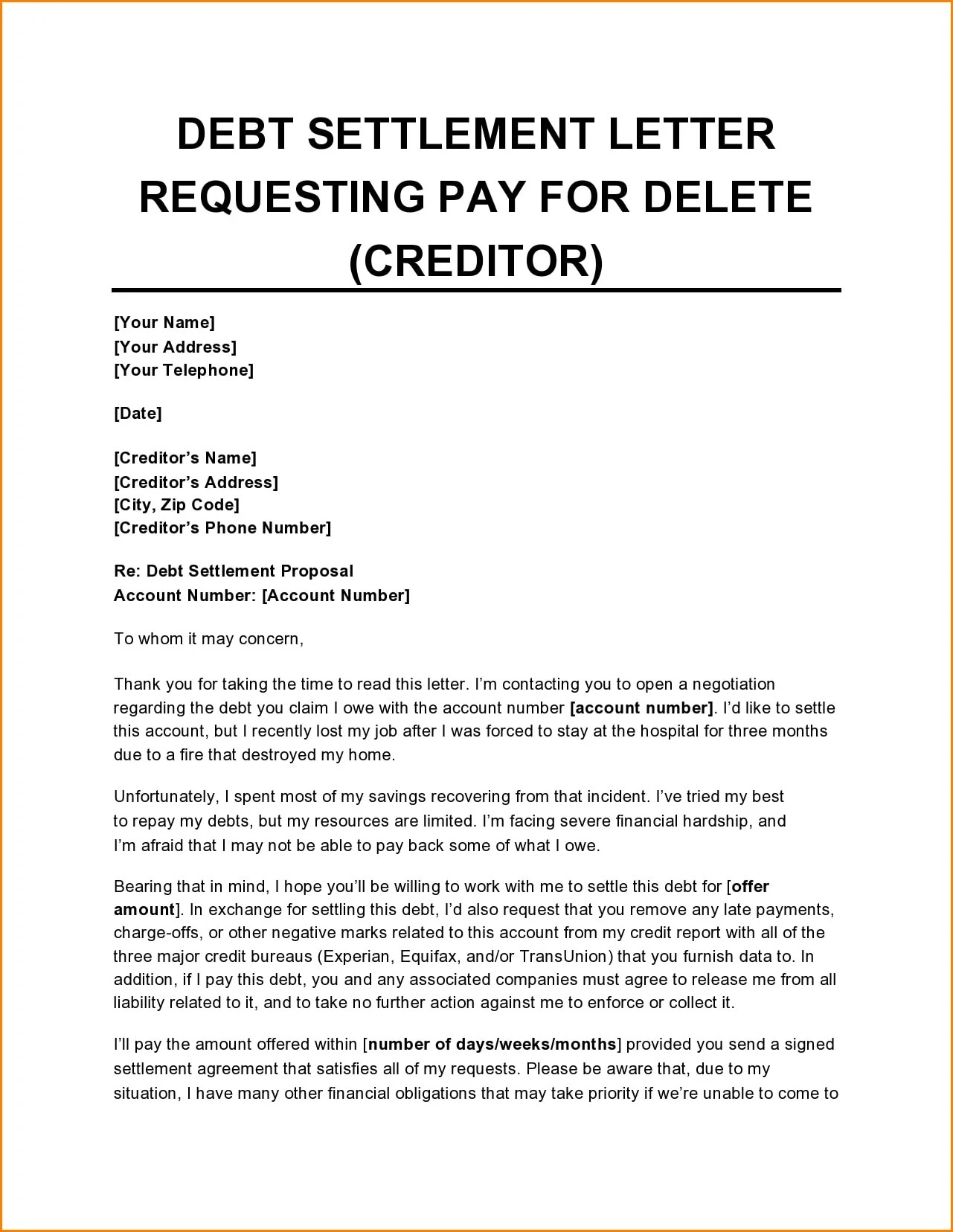
When drafting a pay-for-delete letter, it is important to include the following information:
- Your personal information: Name, address, and contact information.
- Details of the debt: Account number, amount owed, and the creditor or collection agency.
- Proposal: Offer to pay the debt in full or for a reduced amount in exchange for deletion from your credit report.
- Confirmation request: Ask for written confirmation of the agreement before making any payments.
How to Send a Pay-For-Delete Letter
Here are the steps to follow when sending a pay-for-delete letter:
- Research: Gather all necessary information about the debt and the creditor or collection agency.
- Draft the letter: Clearly outline your proposal and request for deletion professionally and concisely.
- Send the letter: Send the letter via certified mail with a return receipt to ensure it is received.
- Follow up: Give the recipient time to respond and follow up if necessary to confirm the agreement.
Tips for Success
Here are some tips to increase your chances of success when using a pay-for-delete letter:
- Be polite and professional: Approach the negotiation with a respectful and professional tone.
- Offer a reasonable payment: Propose a realistic amount that you can afford to pay.
- Get it in writing: Always request written confirmation of the agreement before making any payments.
- Follow up: Stay on top of the process and follow up with the creditor or collection agency if needed.
- Consider seeking professional help: If you are unsure how to proceed, consider consulting with a credit repair professional for assistance.
Conclusion
Pay-for-delete letters can be a useful tool for improving your credit score and cleaning up your credit history. By following the steps outlined in this guide and utilizing the tips provided, you can increase your chances of success in negotiating with creditors or collection agencies. Remember to approach the process with patience and persistence, and ultimately, you may see positive results reflected in your credit report.
Pay-for-Delete Letter Template – Word

- Free Printable T-Chart Template - September 12, 2026
- Free Printable Wanted Poster Template - September 12, 2026
- Surprise Party Invitation Template - September 12, 2026
